Annals · Vol. 6
The Basic Annals of the First Emperor of Qin 秦始皇本紀
Uniting the Realm, Burning the Books 并天下與焚書
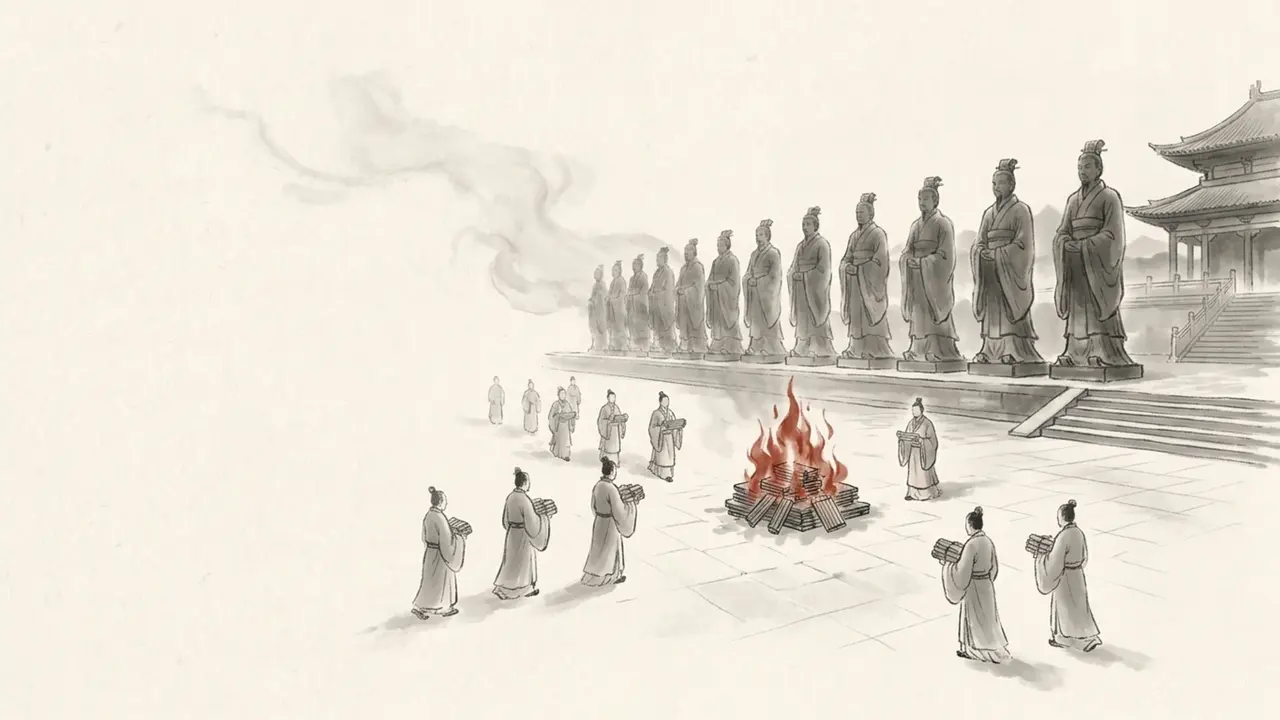
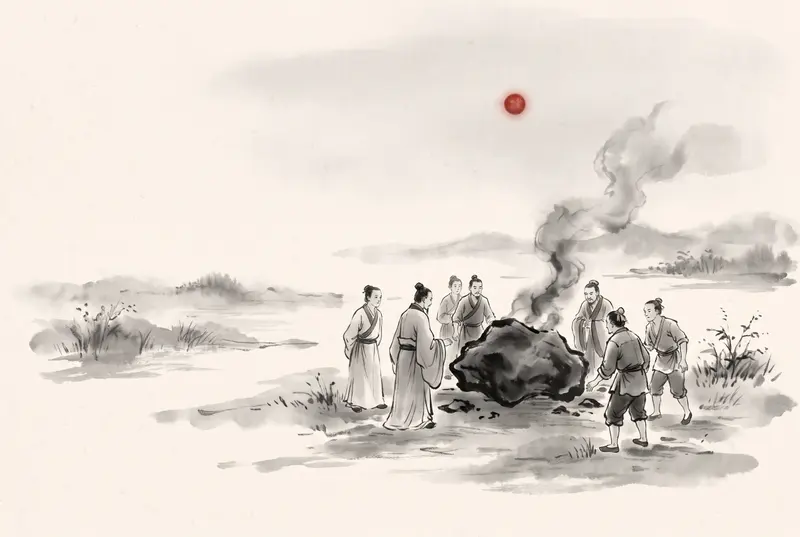
The story of how King Zheng of Qin united the realm and became the First Emperor, up to the burning of the books and the burial of the scholars. Zheng was born in Handan, the capital of Zhao, and became king of Qin at thirteen. When he had destroyed all six rival states, he decided that the word "king" was too small for what he had done, and made a new title, "huangdi", from the names of the legendary sovereigns of old. He would be the First Emperor, and his heirs would be counted the Second, the Third and so on for ten thousand generations. Rejecting a plan to make his sons kings, he followed Li Si and divided the realm into thirty-six commanderies; he gathered up all the weapons and melted them into twelve giant bronze figures, and made weights, measures, axle widths and the written script the same everywhere. Xu Fu, a magician from Qi, set sail with thousands of boys and girls to find the immortals on three holy mountains in the sea. Later, to silence the scholars who praised the past to attack the present, Li Si had the histories and the classics burned; and when the magicians hunting for the elixir of life ran away, more than four hundred and sixty scholars in Xianyang were buried in pits. Fusu, the emperor's eldest son, protested and was sent away to Meng Tian on the northern frontier. Then a stone fell from the sky, carved with the words: "The First Emperor will die, and the land will be divided."
This page has the scene "Uniting the Realm, Burning the Books" from this volume, not the whole volume.
Audio
The audio is synthetic speech.
Video
Passage 1
Original
秦始皇帝者,秦莊襄王子也。莊襄王為秦質子於趙,見呂不韋姬,悅而取之,生始皇。以秦昭王四十八年正月生於邯鄲。及生,名為政,姓趙氏。年十三歲,莊襄王死,政代立為秦王。當是之時,秦地已并巴、蜀、漢中,越宛有郢,置南郡矣;北收上郡以東,有河東、太原、上黨郡;東至滎陽,滅二周,置三川郡。呂不韋為相,封十萬戶,號曰文信侯。招致賓客游士,欲以并天下。李斯為舍人。蒙驁、王齮、麃公等為將軍。王年少,初即位,委國事大臣。晉陽反。
Kundoku (Japanese reading)
秦の始皇帝は、秦の荘襄王の子なり。荘襄王、秦の為に趙に質子たり。呂不韋の姫を見、悦びて之を取り、始皇を生む。秦の昭王の四十八年正月を以て邯鄲に生まる。生まるるに及び、名づけて政と為し、姓は趙氏。年十三歳、荘襄王死し、政代わりて立ちて秦王と為る。是の時に当たり、秦の地已に巴・蜀・漢中を并せ、宛を越えて郢を有ち、南郡を置けり。北は上郡以東を収め、河東・太原・上党郡を有ち、東は滎陽に至り、二周を滅ぼして三川郡を置く。呂不韋相と為り、十万戸に封ぜられ、号して文信侯と曰う。賓客游士を招致し、以て天下を并せんと欲す。李斯舎人と為る。蒙驁・王齮・麃公等将軍と為る。王年少く、初めて位に即き、国事を大臣に委ぬ。晋陽反す。
Japanese
秦の始皇帝は、秦の荘襄王の子である。荘襄王は秦の人質として趙にいたとき、呂不韋の愛人を見て気に入り、妻にして、始皇を生ませた。始皇は秦の昭王の四十八年(前259年)正月に、趙の都邯鄲で生まれた。生まれると政と名づけられ、姓は趙氏とされた。十三歳のとき荘襄王が亡くなり、政が代わって秦王となった。このころ秦はすでに巴・蜀・漢中を併せ、宛を越えて楚の郢を取り、南郡を置いていた。北では上郡より東を収め、河東・太原・上党の郡をもち、東は滎陽まで達し、東周と西周を滅ぼして三川郡を置いていた。呂不韋が宰相となり、十万戸の領地を与えられて文信侯と号し、各地から客や遊説の士を集めて、天下を併せようとしていた。李斯はその舎人(家臣)だった。蒙驁・王齮・麃公らが将軍だった。王は若く、即位したばかりだったので、国の政治は大臣にまかせていた。晋陽が反乱を起こした。
English
The First Emperor of Qin was the son of King Zhuangxiang of Qin. When King Zhuangxiang was a hostage for Qin in Zhao, he saw a concubine of Lü Buwei, fell in love with her and took her, and she bore the First Emperor. He was born in Handan in the first month of the forty-eighth year of King Zhao of Qin. When he was born he was named Zheng, and his clan name was Zhao. At thirteen, when King Zhuangxiang died, Zheng took his place as king of Qin. By then Qin had already taken Ba, Shu and Hanzhong; it had gone beyond Wan to hold Ying, and set up the Southern Commandery. In the north it had taken everything east of the Shang Commandery and held Hedong, Taiyuan and Shangdang; in the east it reached Xingyang, and it had destroyed the two Zhou courts and set up the Commandery of the Three Rivers. Lü Buwei was chancellor, with a fief of a hundred thousand households and the title Marquis Wenxin. He gathered guests and wandering advisers, meaning to take the whole realm. Li Si was one of his retainers. Meng Ao, Wang Yi and Lord Biao were generals. The king was young and new to the throne, and he left the affairs of state to his ministers. Jinyang rebelled.
Notes (JA)
- 呂不韋姬: 呂不韋の愛人で、のちの太后(趙姫)。呂不韋列伝には、政は実は呂不韋の子だったとする話も書かれている(085-lu-buwei の章)。
- 姓趙氏: 秦の王家は嬴姓で、その中の趙氏の家筋とされる。趙の国とは別。
- 二周: 周王朝の末に分かれた東周と西周の二つの小国。
Notes (EN)
- The concubine of Lü Buwei became the queen dowager; Lü Buwei's own biography hints that Zheng was really his son (chapter 085).
- Clan name Zhao (趙氏): a branch name within the royal Ying lineage, not the state of Zhao.
- The two Zhou (二周): the last two tiny courts of the old Zhou dynasty.
Word notes
- hostage/ˈhɑstɪdʒ/noun
a person kept by a state or group as a guarantee of a promise
In the text: “When King Zhuangxiang was a hostage for Qin in Zhao”
Similar words: captive — a person held prisoner · pledge — a person given as security
- concubine/ˈkɑŋkjəˌbaɪn/noun
a woman who lives with a man as a lesser wife
In the text: “he saw a concubine of Lü Buwei”
Similar words: mistress — a man's lover · consort — a wife or partner of a ruler
Passage 2
Original
寡人以眇眇之身,興兵誅暴亂,賴宗廟之靈,六王咸伏其辜,天下大定。今名號不更,無以稱成功,傳後世。其議帝號。」丞相綰、御史大夫劫、廷尉斯等皆曰:「昔者五帝地方千里,其外侯服夷服諸侯或朝或否,天子不能制。今陛下興義兵,誅殘賊,平定天下,海內為郡縣,法令由一統,自上古以來未嘗有,五帝所不及。臣等謹與博士議曰:『古有天皇,有地皇,有泰皇,泰皇最貴。』臣等昧死上尊號,王為『泰皇』。命為『制』,令為『詔』,天子自稱曰『朕』。」王曰:「去『泰』,著『皇』,采上古『帝』位號,號曰『皇帝』;他如議。」制曰:「可。」追尊莊襄王為太上皇。制曰:「朕聞太古有號毋謚,中古有號,死而以行為謐。如此,則子議父,臣議君也,甚無謂,朕弗取焉。自今已來,除謚法。朕為始皇帝。後世以計數,二世三世至于萬世,傳之無窮。」
Kundoku (Japanese reading)
寡人眇眇の身を以て、兵を興して暴乱を誅し、宗廟の霊に頼りて、六王咸其の辜に伏し、天下大いに定まる。今名号更めずんば、以て成功を称し、後世に伝うる無し。其れ帝号を議せよ」と。丞相綰・御史大夫劫・廷尉斯等皆曰く、「昔者五帝は地方千里、其の外の侯服・夷服の諸侯、或いは朝し或いは否ず。天子制する能わず。今陛下義兵を興し、残賊を誅し、天下を平定し、海内を郡県と為し、法令一統に由る。上古より以来未だ嘗て有らず、五帝の及ばざる所なり。臣等謹みて博士と議して曰く、『古に天皇有り、地皇有り、泰皇有り。泰皇最も貴し』と。臣等昧死して尊号を上り、王を『泰皇』と為さん。命を『制』と為し、令を『詔』と為し、天子自ら称して『朕』と曰わん」と。王曰く、「『泰』を去り、『皇』を著け、上古の『帝』の位号を采りて、号して『皇帝』と曰わん。他は議の如くせよ」と。制して曰く、「可なり」と。荘襄王を追尊して太上皇と為す。制して曰く、「朕聞く、太古は号有りて謚毋く、中古は号有りて、死すれば行いを以て謚を為すと。此くの如くんば、則ち子父を議し、臣君を議するなり。甚だ謂れ無し。朕取らず。今より已来、謚法を除く。朕を始皇帝と為す。後世は数を以て計え、二世・三世より万世に至るまで、之を無窮に伝えん」と。
Japanese
(秦王は六国それぞれを滅ぼしたいきさつを述べたあと、こう命じた。)「わたしはちっぽけな身でありながら、兵を挙げて暴虐な者どもを討ち、祖先の霊のおかげで、六国の王はみな罪に服し、天下は大いに定まった。いま呼び名を改めなければ、この成功をたたえて後の世に伝えることができない。帝の称号を議論せよ」。丞相の王綰、御史大夫の馮劫、廷尉の李斯らは皆こう言った。「昔、五帝の領土は千里四方で、その外の諸侯は、朝見に来る者も来ない者もいて、天子は抑えることができませんでした。いま陛下は正義の兵を挙げて悪人を討ち、天下を平定し、国じゅうを郡と県にして、法令は一つの所から出ています。大昔からかつてなかったことで、五帝も及ばないところです。わたしどもは博士たちと慎んで相談しました。『昔、天皇・地皇・泰皇があり、泰皇がもっとも尊かった』と。死を覚悟して尊号を申し上げます。王を『泰皇』とし、王の命は『制』、令は『詔』と呼び、天子は自分を『朕』と称されますように」。王は言った。「『泰』をとって『皇』を残し、大昔の『帝』の称号をとって、『皇帝』と号することにする。ほかは議論のとおりにせよ」。そして「可(よろしい)」と制した。父の荘襄王には太上皇の称号を追贈した。さらに制した。「聞くところでは、大昔には称号があっても諡(死後の名)はなく、中ごろの世には称号があり、死ぬと行いによって諡をつけた。それでは子が父を論じ、臣が君を論じることになる。まったく理屈に合わない。わたしはとらない。今後、諡の制度をやめる。わたしは始皇帝となる。後の代は数で数えて、二世・三世から万世まで、限りなく伝えていくのだ」。
English
"Small as I am, I raised armies to punish the violent and the rebellious, and thanks to the spirits of my ancestors, all six kings have paid for their crimes and the realm is at peace. If my title is not changed now, there will be nothing to proclaim this achievement and hand it down to later ages. Discuss a title for an emperor." The chancellor Wan, the grand secretary Jie and the commandant of justice Li Si all said: "In the past the Five Emperors held lands a thousand li square, and of the lords beyond them some came to court and some did not; the Son of Heaven could not control them. Now Your Majesty has raised righteous armies and punished the wicked. You have brought peace to the realm and made all within the seas into commanderies and counties, and the laws come from a single source. Such a thing has never been seen since the most ancient times; even the Five Emperors did not reach it. We have consulted the scholars, and they say: 'In ancient times there was the Sovereign of Heaven, the Sovereign of Earth and the Great Sovereign, and the Great Sovereign was the most honoured.' At the risk of death we propose a title of honour: let the king be called the Great Sovereign. Let his commands be called edicts and his orders decrees, and let the Son of Heaven call himself 'We'." The king said: "Drop 'Great' and keep 'Sovereign'; add the ancient title 'Emperor', and call me 'Sovereign Emperor'. For the rest, let it be as you propose." The edict said: "Approved." King Zhuangxiang was given the posthumous title of Grand Sovereign. An edict said: "We have heard that in the most ancient times rulers had titles but no posthumous names; in the middle ages they had titles, and after death they were given names according to their deeds. This means that sons judge their fathers and ministers judge their rulers. It makes no sense, and We will have none of it. From now on posthumous names are abolished. We shall be the First Emperor. Later generations will be counted by number, the Second, the Third, and so on for ten thousand generations, to be handed down without end."
Notes (JA)
- 皇帝: 「皇」と「帝」を合わせた新しい称号。以後二千年あまり、中国の君主の呼び名となった。
- 制・詔・朕: 皇帝だけが使う言葉。「朕」はそれまで一般の一人称だったが、以後は天子専用となった。
- 謚: 死後に、生前の行いによって贈る名。「文王」「武王」など。始皇帝はこれを廃したが、漢代に復活した。
Notes (EN)
- Sovereign Emperor (皇帝, huangdi): the new title, used by Chinese rulers for the next two thousand years.
- "We" (朕): once an ordinary word for "I", from now on used only by the emperor.
- Posthumous names (謚) such as "King Wen" were abolished by the First Emperor and restored by the Han.
Word notes
- proclaim/proʊˈkleɪm/verb
to announce something officially and publicly
In the text: “nothing to proclaim this achievement”
Similar words: declare — state officially · announce — make known
- abolish/əˈbɑlɪʃ/verb
to officially end a law or system
In the text: “posthumous names are abolished”
Similar words: do away with — get rid of · end — stop completely
Passage 3
Original
丞相綰等言:「諸侯初破,燕、齊、荊地遠,不為置王,毋以填之。請立諸子,唯上幸許。」始皇下其議於群臣,群臣皆以為便。廷尉李斯議曰:「周文武所封子弟同姓甚眾,然後屬疏遠,相攻擊如仇讎,諸侯更相誅伐,周天子弗能禁止。今海內賴陛下神靈一統,皆為郡縣,諸子功臣以公賦稅重賞賜之,甚足易制。天下無異意,則安寧之術也。置諸侯不便。」始皇曰:「天下共苦戰鬬不休,以有侯王。賴宗廟,天下初定,又復立國,是樹兵也,而求其寧息,豈不難哉!廷尉議是。」
Kundoku (Japanese reading)
丞相綰等言う、「諸侯初めて破れ、燕・斉・荊の地遠し。為に王を置かずんば、以て之を塡むる毋し。請う、諸子を立てん。唯だ上幸いに許せ」と。始皇其の議を群臣に下す。群臣皆以て便と為す。廷尉李斯議して曰く、「周の文・武の封ずる所の子弟同姓甚だ衆し。然れども後に属疏遠にして、相攻撃すること仇讎の如く、諸侯更々相誅伐し、周の天子禁止する能わず。今海内陛下の神霊に頼りて一統し、皆郡県と為る。諸子功臣は公の賦税を以て重く之を賞賜せば、甚だ足りて制し易し。天下に異意無きは、則ち安寧の術なり。諸侯を置くは便ならず」と。始皇曰く、「天下共に戦闘の休まざるに苦しむは、侯王有るを以てなり。宗廟に頼りて、天下初めて定まる。又復た国を立つるは、是れ兵を樹つるなり。而して其の寧息を求むるは、豈に難からずや。廷尉の議是なり」と。
Japanese
丞相の王綰らが進言した。「諸侯は滅んだばかりで、燕・斉・楚の地は遠く離れています。王を置かなければ、押さえがききません。どうか皇子たちを王に立ててください。お許しいただきますように」。始皇がこの案を群臣に議論させると、群臣は皆それがよいと言った。廷尉の李斯が意見を述べた。「周の文王・武王が領地を与えた子弟や同族はたいへん多かったのですが、代が下ると血のつながりは薄れ、かたきどうしのように攻め合い、諸侯がたがいに討ち合っても、周の天子は止められませんでした。いま天下は陛下のご威光で一つになり、すべて郡と県になりました。皇子や功臣には国の税収から十分にほうびを与えれば、それで足り、たやすく治められます。天下に謀反の心がないようにするのが、安泰の道です。諸侯を置くのはよくありません」。始皇は言った。「天下の者が戦いの絶えないことに苦しんできたのは、諸侯や王がいたからだ。祖先の霊のおかげで、天下はようやく定まった。また国を立てるのは、戦の種をまくことだ。それで平和を求めるのは、難しいではないか。廷尉の意見が正しい」。
English
The chancellor Wan and others said: "The lords have only just been overthrown, and the lands of Yan, Qi and Jing are far away. If you do not set up kings there, there will be no one to hold them down. We ask you to make your sons kings. We hope Your Majesty will agree." The First Emperor passed the proposal to his ministers, and they all thought it a good one. But the commandant of justice Li Si gave his view: "King Wen and King Wu of Zhou gave fiefs to very many sons, brothers and kinsmen. But later their ties grew distant, and they attacked one another like enemies; the lords fought and killed each other, and the Son of Heaven of Zhou could not stop them. Now, thanks to Your Majesty's divine power, all within the seas is one, and all of it has become commanderies and counties. If your sons and your meritorious servants are richly rewarded from the public taxes, that will be enough, and they will be easy to control. To keep the realm free of rebellious thoughts is the way to peace. Setting up lords would not be wise." The First Emperor said: "The whole realm has suffered from endless war because there were lords and kings. Thanks to our ancestors, the realm has just been brought to order. To set up states again would be to plant the seeds of war. To hope for peace after that would be hard indeed. The commandant of justice is right."
Notes (JA)
- 荊: 楚のこと。始皇帝の父荘襄王の名が子楚だったため、秦では「楚」の字を避けて「荊」と呼んだ。
- 郡県: 皇帝が任命した役人が治める地方の単位。周の封建制(領主が世襲で治める)と対になる。
- 廷尉: 裁判と刑罰をつかさどる大臣。
Notes (EN)
- Jing (荊) is Chu; Qin avoided the word "Chu" because it was part of the name of the emperor's father, Zichu.
- Commanderies and counties (郡縣): run by officials appointed by the throne, instead of hereditary lords.
- Commandant of justice (廷尉): the minister in charge of law and punishment.
Word notes
- fief/fif/noun
land given by a ruler to a lord in return for loyalty
In the text: “gave fiefs to very many sons”
Similar words: domain — land ruled by a lord · estate — a large area of land
- kinsman/ˈkɪnzmən/noun
a male relative
In the text: “sons, brothers and kinsmen”
Similar words: relative — a member of the family · clansman — a member of the same clan
Passage 4
Original
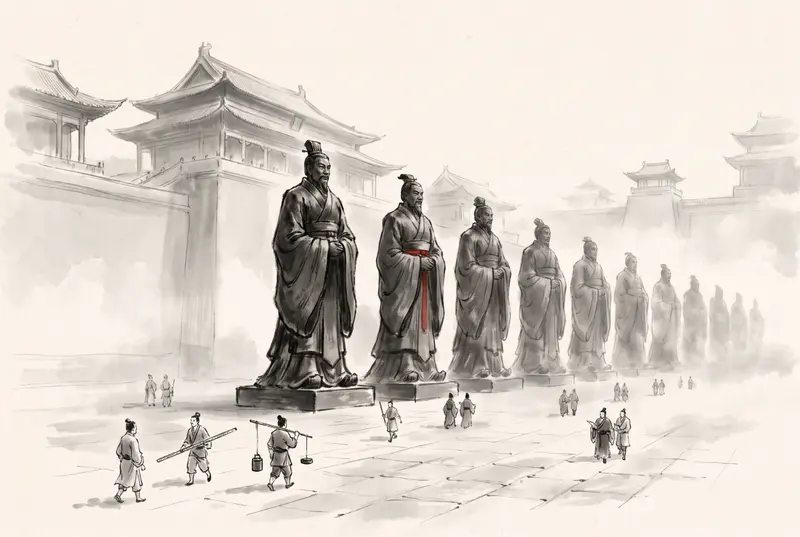
分天下以為三十六郡,郡置守、尉、監。更名民曰「黔首」。大酺。收天下兵,聚之咸陽,銷以為鐘鐻,金人十二,重各千石,置廷宮中。一法度衡石丈尺。車同軌。書同文字。地東至海暨朝鮮,西至臨洮、羌中,南至北向戶,北據河為塞,并陰山至遼東。徙天下豪富於咸陽十二萬戶。諸廟及章臺、上林皆在渭南。秦每破諸侯,寫放其宮室,作之咸陽北阪上,南臨渭,自雍門以東至涇、渭,殿屋複道周閣相屬。所得諸侯美人鐘鼓,以充入之。
Kundoku (Japanese reading)
天下を分かちて以て三十六郡と為し、郡に守・尉・監を置く。民を更名して「黔首」と曰う。大いに酺す。天下の兵を収め、之を咸陽に聚め、銷して以て鍾鐻・金人十二を為る。重さ各々千石、廷宮の中に置く。法度・衡石・丈尺を一にす。車は軌を同じくし、書は文字を同じくす。地は東は海に至り朝鮮に曁び、西は臨洮・羌中に至り、南は北向戸に至り、北は河に拠りて塞と為し、陰山に并いて遼東に至る。天下の豪富を咸陽に徙すこと十二万戸。諸廟及び章台・上林皆渭南に在り。秦、諸侯を破る毎に、其の宮室を写放し、之を咸陽の北阪の上に作る。南は渭に臨み、雍門より以東、涇・渭に至るまで、殿屋・複道・周閣相属なる。得る所の諸侯の美人・鍾鼓、以て之に充入す。
Japanese
天下を三十六の郡に分け、郡ごとに守(長官)・尉(軍事)・監(監察)を置いた。民の呼び名を改めて「黔首(黒い頭)」とした。祝いとして、天下の民に酒盛りを許した。天下の武器を集めて咸陽に運び、溶かして鐘をかける台と、十二体の金属の巨人像を造った。それぞれ重さ千石(約三十トン)で、宮殿の庭に置いた。法の決まりと、重さ・長さの単位を一つにした。車の車輪の幅をそろえ、書く文字をそろえた。領土は東は海と朝鮮まで、西は臨洮と羌族の地まで、南は北向戸(日が北から差す南の果て)まで、北は黄河を防壁とし、陰山に沿って遼東まで達した。天下の豪族や金持ち十二万戸を咸陽に移した。祖先の廟や章台宮、上林苑はみな渭水の南にあった。秦は諸侯を滅ぼすたびに、その国の宮殿を写しとって咸陽の北の坂の上に建てた。南は渭水に臨み、雍門から東の涇水と渭水の合流点まで、宮殿や二階建ての渡り廊下、まわり廊下が連なった。諸侯の国から得た美女や鐘・太鼓を、そこに満たした。
English
The realm was divided into thirty-six commanderies, and each commandery was given a governor, a military commander and an inspector. The people were renamed "the black-headed". There was a great feast for the whole realm. All the weapons in the realm were collected and brought to Xianyang, and melted down to make bell stands and twelve figures of bronze, each weighing a thousand dan, which were set up in the palace courts. Laws and rules, weights and measures, and lengths were made the same everywhere. Carts were given axles of the same width, and writing was done in the same script. The land reached the sea and Korea in the east; Lintao and the lands of the Qiang in the west; in the south, the country where doors face north to the sun; and in the north the Yellow River was its wall, and the line ran along the Yin Mountains to Liaodong. A hundred and twenty thousand rich and powerful families were moved from all over the realm to Xianyang. The ancestral temples, the Zhangtai Palace and the Shanglin Park were all south of the Wei River. Each time Qin conquered a lord, it made a copy of his palace and built it on the slopes north of Xianyang. Facing the Wei to the south, from the Yong Gate east to where the Jing meets the Wei, halls, covered walkways and galleries ran one into another, and they were filled with the beautiful women and the bells and drums taken from the lords.
Notes (JA)
- 黔首: 黒い頭。冠をつけない一般の民のこと。
- 金人十二: 武器を溶かして造った十二体の巨人像。反乱の道具をなくし、天下統一を記念した。
- 車同軌・書同文字: 車輪の幅と文字の統一。のちに『中庸』の「車は軌を同じくし、書は文を同じくす」として名高い。
- 北向戸: 南の果ての地。日が北側から差すので、家の戸を北に向けたという。
Notes (EN)
- The black-headed (黔首): commoners, who wore no caps.
- Twelve bronze figures (金人十二): melting the weapons took away the means of rebellion.
- Same axles, same script (車同軌,書同文字): the standardisation for which the First Emperor is best remembered.
Idioms from this passage: Carts with the same axles, writing in the same script 車は軌を同じくし、書は文字を同じくす
Word notes
- commandery/kəˈmændəri/noun
a large area of local government in early China
In the text: “divided into thirty-six commanderies”
Similar words: province — a region of a country · district — an area for government
- axle/ˈæksəl/noun
the bar on which a pair of wheels turns
In the text: “Carts were given axles of the same width”
Similar words: shaft — a long bar that turns · spindle — a turning rod
Passage 5
Original
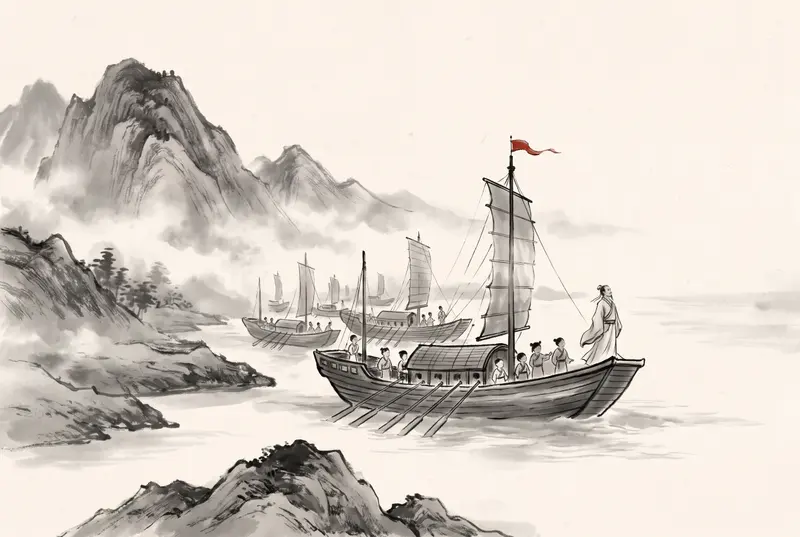
既已,齊人徐巿等上書,言海中有三神山,名曰蓬萊、方丈、瀛洲,僊人居之。請得齋戒,與童男女求之。於是遣徐巿發童男女數千人,入海求僊人。
Kundoku (Japanese reading)
既已にして、斉人徐巿等上書し、言う、「海中に三神山有り、名づけて蓬萊・方丈・瀛洲と曰う。僊人之に居る。請う、斎戒し、童男女と之を求むるを得ん」と。是に於いて徐巿を遣わし、童男女数千人を発して、海に入りて僊人を求めしむ。
Japanese
(始皇帝が東の海辺の瑯邪で石碑を立て終えると、)斉の人徐巿(徐福)らが上書して言った。「海の中に三つの神山があり、蓬萊・方丈・瀛洲といいます。そこには仙人が住んでいます。身を清め、少年少女を連れて、探しに行かせてください」。そこで始皇帝は徐巿を送り出し、少年少女数千人を集めて、海に入って仙人を探させた。
English
When this was done, Xu Fu and others from Qi sent up a letter saying: "In the sea there are three holy mountains, called Penglai, Fangzhang and Yingzhou, where immortals live. We ask to purify ourselves and go with boys and girls to look for them." So the emperor sent Xu Fu off with several thousand boys and girls to go out to sea and find the immortals.
Notes (JA)
- 徐巿: 一般には徐福として知られる斉の方士(神仙の術を行う者)。日本各地に、徐福が流れ着いたという伝説が残る。
- 蓬萊・方丈・瀛洲: 東の海にあるとされた三つの仙山。
- 既已: 前の段で、始皇帝は瑯邪台に石を立て、秦の徳をたたえる文を刻ませていた。
Notes (EN)
- Xu Fu (徐巿, usually written 徐福): a magician from Qi; legends in many places in Japan say he landed there.
- Penglai, Fangzhang and Yingzhou: the three islands of the immortals in the eastern sea.
- When this was done: the emperor had just set up a carved stone at Langya praising the virtue of Qin.
Word notes
- immortal/ɪˈmɔrtəl/noun
a being who never dies
In the text: “where immortals live”
Similar words: god — a divine being · spirit — a being without a body
- purify/ˈpjʊrəˌfaɪ/verb
to make clean, especially before a religious act
In the text: “We ask to purify ourselves”
Similar words: cleanse — make clean · fast — go without food for religious reasons
Passage 6
Original
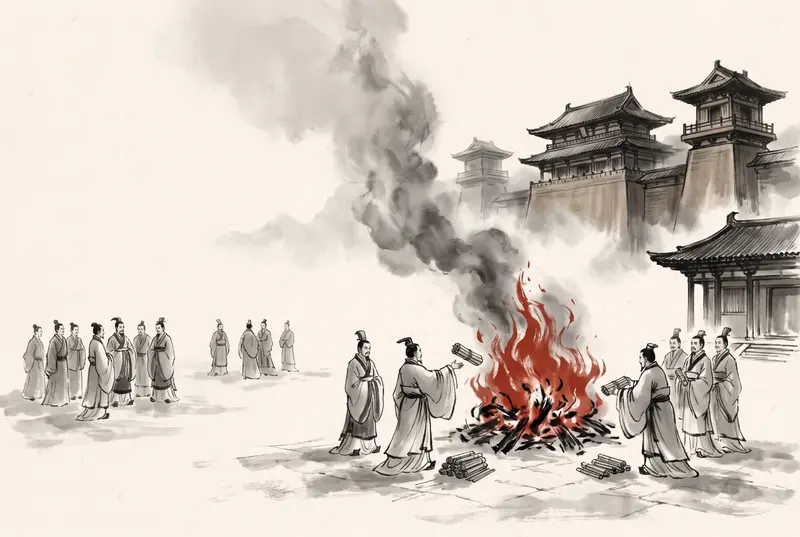
丞相李斯曰:「五帝不相復,三代不相襲,各以治,非其相反,時變異也。今陛下創大業,建萬世之功,固非愚儒所知。且越言乃三代之事,何足法也?異時諸侯并爭,厚招游學。今天下已定,法令出一,百姓當家則力農工,士則學習法令辟禁。今諸生不師今而學古,以非當世,惑亂黔首。丞相臣斯昧死言:古者天下散亂,莫之能一,是以諸侯并作,語皆道古以害今,飾虛言以亂實,人善其所私學,以非上之所建立。今皇帝并有天下,別黑白而定一尊。私學而相與非法教,人聞令下,則各以其學議之,入則心非,出則巷議,夸主以為名,異取以為高,率群下以造謗。如此弗禁,則主勢降乎上,黨與成乎下。禁之便。臣請史官非秦記皆燒之。非博士官所職,天下敢有藏詩、書、百家語者,悉詣守、尉雜燒之。有敢偶語詩書者棄市。以古非今者族。吏見知不舉者與同罪。令下三十日不燒,黥為城旦。所不去者,醫藥卜筮種樹之書。若有欲學法令者,以吏為師。」制曰:「可。」
Kundoku (Japanese reading)
丞相李斯曰く、「五帝相復せず、三代相襲わず、各々以て治まる。其の相反するに非ず、時変異すればなり。今陛下大業を創め、万世の功を建つ。固より愚儒の知る所に非ず。且つ越の言は乃ち三代の事なり。何ぞ法るに足らんや。異時は諸侯并び争い、厚く游学を招く。今天下已に定まり、法令一に出づ。百姓は家に当たりては則ち農工に力め、士は則ち法令辟禁を学習す。今諸生今を師とせずして古を学び、以て当世を非り、黔首を惑乱す。丞相臣斯、昧死して言う。古者は天下散乱し、之を能く一にする莫し。是を以て諸侯並び作り、語るに皆古を道いて以て今を害し、虚言を飾りて以て実を乱し、人其の私学する所を善しとして、以て上の建立する所を非る。今皇帝天下を并有し、黒白を別ちて一尊を定む。私学して相与に法教を非り、人令の下るを聞けば、則ち各々其の学を以て之を議し、入りては則ち心に非り、出でては則ち巷に議し、主に夸りて以て名と為し、取を異にして以て高しと為し、群下を率いて以て謗を造る。此くの如くにして禁ぜずんば、則ち主の勢は上に降り、党与は下に成らん。之を禁ずるが便なり。臣請う、史官の秦記に非ざるは皆之を焼かん。博士官の職とする所に非ずして、天下敢えて詩・書・百家の語を蔵する者有らば、悉く守・尉に詣りて雑えて之を焼かしめん。敢えて詩書を偶語する者有らば棄市せん。古を以て今を非る者は族せん。吏見知して挙げざる者は与に罪を同じくせん。令下りて三十日にして焼かずんば、黥して城旦と為さん。去らざる所の者は、医薬・卜筮・種樹の書なり。若し法令を学ばんと欲する者有らば、吏を以て師と為さん」と。制して曰く、「可なり」と。
Japanese
(宴の席で、博士の淳于越が「古にならわないで長続きした例は聞きません」と、封建の復活を説いた。始皇帝がその意見を議論させると、)丞相の李斯が言った。「五帝はたがいに同じことを繰り返さず、夏・殷・周の三代もたがいに受け継がず、それぞれのやり方で治まりました。わざと逆らったのではなく、時代が変わったからです。いま陛下は大きな事業を始め、万世の功績を打ち立てられました。もとより愚かな儒者に分かることではありません。しかも淳于越の言うのは三代のことで、手本にするには足りません。かつて諸侯が争っていたころは、遊学の士を手厚く招きました。いま天下はすでに定まり、法令は一つの所から出ています。民は家にあっては農業や工業に励み、士は法令と禁令を学べばよいのです。ところが学者たちは、今を手本とせずに古を学び、それで今の世を批判して、民を惑わしています。丞相の臣李斯、死を覚悟して申し上げます。昔は天下がばらばらで、一つにまとめる者がいなかったので、諸侯が並び立ち、話すときは皆、古を持ち出して今を傷つけ、むなしい言葉を飾って事実を乱し、人々は自分が個人的に学んだことをよしとして、上が定めたことを批判しました。いま皇帝は天下をあわせ持ち、白黒をはっきりさせて、ただ一人の尊い方を定められました。それなのに、私的な学問をする者が寄り集まって法の教えを批判し、命令が出たと聞くと、めいめい自分の学問で論じ立て、朝廷に入っては心の中で非難し、出ては町なかで議論し、主君にたてついて名をあげ、異を唱えることを高尚だと思い、下々を率いて悪口を言いふらしています。これを禁じなければ、上では主君の威勢が衰え、下では徒党ができるでしょう。禁じるのがよろしいと存じます。どうか、史官の記録のうち秦の記録でないものは、すべて焼かせてください。博士の役所が職務として持つもの以外で、天下に詩・書や諸子百家の書物を隠し持つ者がいれば、すべて郡の守と尉のもとへ持ってこさせて焼かせてください。詩書について語り合う者がいれば、市場で死刑にします。古を持ち出して今を批判する者は、一族皆殺しにします。役人で、知っていながら告発しない者は同罪とします。命令が出て三十日たっても焼かない者は、顔に入れ墨をして城壁づくりの労役につけます。焼かなくてよいのは、医薬・占い・農業の書物です。もし法令を学びたい者がいれば、役人を師とさせてください」。始皇帝は「可(よろしい)」と制した。
English
The chancellor Li Si said: "The Five Emperors did not repeat one another, and the Three Dynasties did not copy one another; each governed in its own way. It was not that they set out to be different, but that the times had changed. Now Your Majesty has begun a great work and built an achievement for ten thousand generations. It is not something a foolish scholar can understand. Besides, what Chunyu Yue talks of are the affairs of the Three Dynasties. Why should we copy them? In other times, when the lords fought one another, they gave rich rewards to wandering scholars. Now the realm is settled, and the laws come from a single source. The common people at home should work hard at farming and crafts, and men of learning should study the laws and prohibitions. Instead, these scholars do not learn from the present but study the past, so as to find fault with the present age and confuse the black-headed people. I, your chancellor Li Si, say this at the risk of death. In ancient times the realm was scattered and in disorder, and no one could unite it. So the lords rose up together, and when they spoke they all praised the past to harm the present, and dressed up empty words to confuse the facts. Each man thought well of what he had learned privately, and found fault with what those above him had set up. Now the Emperor holds the whole realm; he has told black from white and fixed one single source of authority. Yet those with private learning gather to attack the laws and teachings. When they hear that an order has gone out, each judges it by his own learning: at court they condemn it in their hearts, and outside they argue about it in the lanes. They think it fame to boast against their ruler and noble to disagree, and they lead the people below them to spread slander. If this is not stopped, the ruler's power will fall above, and factions will form below. It is best to forbid it. I ask that all the records of the historians except the records of Qin be burned. Except for those kept by the court scholars in their official duties, anyone in the realm who dares to keep the Odes, the Documents or the writings of the hundred schools must take them to the governor and commandant to be burned. Anyone who dares to discuss the Odes and the Documents together shall be executed in the market place. Anyone who uses the past to criticise the present shall be put to death with his whole family. Officials who know of it and do not report it shall be as guilty as they. Anyone who has not burned his books thirty days after the order goes out shall be tattooed and sent to build walls. The books that need not be destroyed are those on medicine, divination and growing trees and crops. If anyone wishes to study the laws, let him take an official as his teacher." The edict said: "Approved."
Notes (JA)
- 淳于越: 斉出身の博士。郡県制では、田常のような簒奪者が出たときに皇室を守る者がいないと説いた。
- 百家語: 諸子百家(儒家・道家・墨家など)の書物。
- 以吏為師: 法令は役人から学ぶ。学問を国家が独占するという考え方。
- 焚書: このときの書物の焼却。翌年の「坑儒」と合わせて焚書坑儒と呼ぶ。
Notes (EN)
- Chunyu Yue (淳于越): a court scholar from Qi who had argued for giving fiefs to the emperor's sons.
- The hundred schools (百家): Confucians, Daoists, Mohists and the rest.
- Take an official as his teacher (以吏為師): the state alone would teach.
Idioms from this passage: Burning the books and burying the scholars 焚書坑儒
Word notes
- slander/ˈslændər/noun
false things said to damage someone's name
In the text: “lead the people below them to spread slander”
Similar words: libel — false written statements · smear — an attack on someone's name
- faction/ˈfækʃən/noun
a small group within a larger one, working for its own aims
In the text: “factions will form below”
Similar words: clique — a closed group · party — a group with shared aims
Passage 7
Original
於是使御史悉案問諸生,諸生傳相告引,乃自除犯禁者四百六十餘人,皆阬之咸陽,使天下知之,以懲後。益發謫徙邊。始皇長子扶蘇諫曰:「天下初定,遠方黔首未集,諸生皆誦法孔子,今上皆重法繩之,臣恐天下不安。唯上察之。」始皇怒,使扶蘇北監蒙恬於上郡。
Kundoku (Japanese reading)
是に於いて御史をして悉く諸生を案問せしむ。諸生伝えて相告引し、乃ち自ら禁を犯す者四百六十余人を除き、皆之を咸陽に阬にし、天下をして之を知らしめ、以て後を懲らす。益々謫を発して辺に徙す。始皇の長子扶蘇諫めて曰く、「天下初めて定まり、遠方の黔首未だ集まらず。諸生は皆孔子を誦法す。今上皆重法もて之を縄す。臣恐る、天下安からざらんことを。唯だ上之を察せよ」と。始皇怒り、扶蘇をして北のかた蒙恬を上郡に監せしむ。
Japanese
(仙薬を求めていた方士の侯生と盧生が、始皇帝の横暴を批判して逃げ去った。始皇帝は激怒し、咸陽の学者たちの中に怪しいうわさで民を惑わす者がいると言って、)御史に命じて学者たちを残らず取り調べさせた。学者たちはたがいに他人の名を挙げて告げ合い、禁を犯したとされた者は四百六十人あまりにのぼった。始皇帝はその全員を咸陽で穴に埋め、天下に知らせて、見せしめとした。さらに罪人を多く辺境へ送った。始皇帝の長男の扶蘇がいさめた。「天下は定まったばかりで、遠い地方の民はまだなついていません。学者たちは皆、孔子の教えを唱えて手本にしています。いま陛下は皆を重い法で縛っておられます。天下が落ち着かなくなるのではないかと心配です。どうかよくお考えください」。始皇帝は怒り、扶蘇を北の上郡へやって、蒙恬の軍の監督をさせた。
English
So he had the inspectors question all the scholars. The scholars accused one another, passing the blame along, until the emperor himself picked out more than four hundred and sixty who had broken the law, and had them all buried in pits at Xianyang, so that the whole realm would know of it and take warning. He sent still more convicts away to the frontiers. Fusu, the First Emperor's eldest son, protested: "The realm has only just been settled, and the black-headed people in distant places have not yet come over to us. The scholars all recite and follow Confucius. Now Your Majesty binds them all with heavy laws. I fear that the realm will not be at peace. I beg Your Majesty to consider it." The First Emperor was angry, and sent Fusu north to the Shang Commandery to oversee Meng Tian.
Notes (JA)
- 阬: 穴に埋めて殺すこと。焚書と合わせて「焚書坑儒」と呼ばれるが、埋められたのは儒者だけでなく、方士も含む学者たちだった。
- 扶蘇: 始皇帝の長男。この諫めで遠ざけられたことが、のちに趙高と李斯に遺言を書き換えられる遠因となった(006-qin-shihuang、088-meng-tian の章)。
- 上郡: 今の陝西省北部。蒙恬が三十万の兵で匈奴に備えていた。
Notes (EN)
- Buried in pits (阬): later called the burial of the Confucians, though magicians and other scholars were among them.
- Fusu (扶蘇): sending him away left the way open for Zhao Gao and Li Si to forge the emperor's will (chapters 006 and 088).
- Shang Commandery (上郡): in northern Shaanxi, where Meng Tian held the frontier against the Xiongnu.
Idioms from this passage: Burning the books and burying the scholars 焚書坑儒
Word notes
- convict/ˈkɑnvɪkt/noun
a person found guilty of a crime and punished
In the text: “He sent still more convicts away”
Similar words: prisoner — a person held in prison · criminal — a person who breaks the law
- protest/prəˈtɛst/verb
to say strongly that something is wrong
In the text: “Fusu, the First Emperor's eldest son, protested”
Similar words: object — say you disagree · remonstrate — argue against (formal)
Passage 8
Original
三十六年,熒惑守心。有墜星下東郡,至地為石,黔首或刻其石曰「始皇帝死而地分」。始皇聞之,遣御史逐問,莫服,盡取石旁居人誅之,因燔銷其石。始皇不樂,使博士為僊真人詩,及行所游天下,傳令樂人歌弦之。秋,使者從關東夜過華陰平舒道,有人持璧遮使者曰:「為吾遺滈池君。」因言曰:「今年祖龍死。」使者問其故,因忽不見,置其璧去。使者奉璧具以聞。始皇默然良久,曰:「山鬼固不過知一歲事也。」退言曰:「祖龍者,人之先也。」使御府視璧,乃二十八年行渡江所沈璧也。於是始皇卜之,卦得游徙吉。遷北河榆中三萬家。拜爵一級。
Kundoku (Japanese reading)
三十六年、熒惑心を守る。墜星有りて東郡に下り、地に至りて石と為る。黔首或いは其の石に刻して曰く、「始皇帝死して地分かる」と。始皇之を聞き、御史を遣わして逐い問わしむるも、服する莫し。尽く石の旁に居る人を取りて之を誅し、因りて其の石を燔銷す。始皇楽しまず、博士をして僊真人の詩を為らしめ、行きて天下を游ぶ所に及んで、楽人に伝令して之を歌弦せしむ。秋、使者関東より夜華陰の平舒道を過ぐ。人有り、璧を持して使者を遮りて曰く、「吾が為に滈池君に遺れ」と。因りて言いて曰く、「今年祖龍死せん」と。使者其の故を問う。因りて忽ち見えず、其の璧を置きて去る。使者璧を奉じて具に以て聞す。始皇默然たること良久しくして曰く、「山鬼は固より一歳の事を知るに過ぎざるなり」と。退きて言いて曰く、「祖龍とは、人の先なり」と。御府をして璧を視しむるに、乃ち二十八年に行きて江を渡りしとき沈めし所の璧なり。是に於いて始皇之を卜するに、卦游徙の吉を得たり。北河・楡中に三万家を遷し、爵一級を拝す。
Japanese
三十六年(前211年)、火星が心宿(さそり座のあたり)にとどまった(不吉なしるしとされた)。流れ星が東郡に落ち、地に着くと石になった。ある民がその石に「始皇帝死して地分かる(始皇帝が死ねば天下は分裂する)」と刻んだ。始皇帝はこれを聞き、御史を送って追及させたが、名乗り出る者はいなかった。そこで石の近くに住む者を残らず捕らえて殺し、石を焼いて溶かしてしまった。始皇帝は気がふさぎ、博士に仙人をうたう詩を作らせ、天下を巡るときには行く先々で楽人に命じて、楽器に合わせて歌わせた。秋、関東から来た使者が、夜、華陰の平舒の道を通りかかったとき、玉の璧を持った者が使者の前に立ちふさがって言った。「わたしのために、これを滈池の君に届けてくれ」。そしてこう言った。「今年、祖龍が死ぬ」。使者がわけを聞こうとすると、その者はふっと消え、璧だけを置いていった。使者は璧を差し出して、いちぶしじゅうを報告した。始皇帝は長いあいだ黙っていたが、やがて言った。「山の鬼神など、せいぜい一年先のことしか分からないものだ」。退出してから言った。「祖龍とは、人の祖先のことだ」。宮中の倉の役人に璧を調べさせると、なんと二十八年に巡行で長江を渡ったとき、川に沈めた璧だった。そこで始皇帝が占わせると、「出かけて移ればよい」という卦が出た。そこで北河と楡中に三万戸を移住させ、民に爵位を一級ずつ与えた。
English
In the thirty-sixth year the planet Mars lingered in the Heart constellation. A falling star came down in the Eastern Commandery and turned to stone when it struck the ground. Someone among the black-headed people carved on the stone: "The First Emperor will die, and the land will be divided." When the First Emperor heard of it, he sent an inspector to find out who had done it, but no one confessed. So he had everyone living near the stone seized and put to death, and the stone burned and destroyed. The First Emperor was unhappy. He had his scholars write poems about immortals and true men, and wherever he travelled about the realm he had musicians sing them to the strings. In autumn an envoy coming from the east of the passes was passing by night along the Pingshu road at Huayin, when a man holding a jade disc stood in his way and said: "Take this for me to the Lord of Haochi." Then he said: "This year the Ancestral Dragon will die." The envoy asked him why, but he suddenly vanished, leaving the disc behind. The envoy presented the disc and reported everything. The First Emperor was silent for a long time. Then he said: "A mountain spirit can know at most what will happen in one year." When he had withdrawn he said: "The Ancestral Dragon means the first ancestor of men." He had the keepers of the palace treasury examine the disc. It was the very disc he had sunk in the river when crossing the Yangzi on his journey in the twenty-eighth year. Then the First Emperor had the matter divined, and the answer was that travel and moving would be lucky. So thirty thousand families were moved to Beihe and Yuzhong, and everyone was raised one degree of rank.
Notes (JA)
- 熒惑守心: 火星が心宿にとどまること。君主の死や国の乱れの前ぶれとされた。
- 祖龍: 龍は天子のたとえで、「祖龍」は始皇帝を指すとされる。始皇帝はそれを「人の祖先」とずらして解釈した。
- 滈池君: 滈池(咸陽の近くの池)の水神。
- 始皇帝は翌年の巡行の途中で亡くなる(006-qin-shihuang の章)。
Notes (EN)
- Mars in the Heart (熒惑守心): an omen of a ruler's death.
- The Ancestral Dragon (祖龍): the dragon stands for the emperor; he tries to read it as "the first ancestor".
- The First Emperor died on his journey the next year (chapter 006, The Death of the First Emperor).
Word notes
- linger/ˈlɪŋɡər/verb
to stay in a place longer than expected
In the text: “Mars lingered in the Heart constellation”
Similar words: remain — stay · hang about — stay without moving on (informal)
- vanish/ˈvænɪʃ/verb
to disappear suddenly
In the text: “he suddenly vanished”
Similar words: disappear — go out of sight · fade — slowly become invisible
Passage 9
Original
還過吳,從江乘渡。并海上,北至瑯邪。方士徐巿等入海求神藥,數歲不得,費多,恐譴,乃詐曰:「蓬萊藥可得,然常為大鮫魚所苦,故不得至,願請善射與俱,見則以連弩射之。」始皇夢與海神戰,如人狀。問占夢,博士曰:「水神不可見,以大魚蛟龍為候。今上禱祠備謹,而有此惡神,當除去,而善神可致。」乃令入海者齎捕巨魚具,而自以連弩候大魚出射之。自瑯邪北至榮成山,弗見。至之罘,見巨魚,射殺一魚。遂并海西。
Kundoku (Japanese reading)
還りて呉を過ぎ、江乗より渡る。海上に並いて、北のかた瑯邪に至る。方士徐巿等、海に入りて神薬を求むること数歳なるも得ず、費多く、譴を恐れ、乃ち詐りて曰く、「蓬萊の薬得べし。然れども常に大鮫魚の苦しむる所と為る。故に至るを得ず。願わくは善く射る者を請いて与に倶にし、見れば則ち連弩を以て之を射ん」と。始皇、海神と戦うを夢む。人の状の如し。占夢に問う。博士曰く、「水神は見るべからず、大魚・蛟龍を以て候と為す。今上の禱祠備わり謹めるに、而も此の悪神有り。当に除き去るべし。而らば善神致すべし」と。乃ち海に入る者をして巨魚を捕うる具を齎さしめ、而して自ら連弩を以て大魚の出づるを候いて之を射る。瑯邪より北のかた栄成山に至るまで、見ず。之罘に至り、巨魚を見、一魚を射殺す。遂に海に並いて西す。
Japanese
(三十七年、始皇帝は最後の巡行に出て会稽山に登り、)帰りに呉を通り、江乗から長江を渡った。海沿いに北へ進み、瑯邪に着いた。方士の徐巿たちは、海に出て仙薬を探して何年もたつのに見つけられず、費用ばかりかさんでいたので、とがめを恐れ、うそをついて言った。「蓬萊の薬は手に入ります。ただ、いつも大鮫魚にじゃまをされるので、たどり着けないのです。弓の名手を一緒に行かせてください。大魚が現れたら、連発式の弩で射止めます」。始皇帝は、人の姿をした海の神と戦う夢を見た。夢占いの者にたずねると、博士が言った。「水の神は目に見えません。大魚や蛟龍がそのしるしなのです。陛下は祈りも祭りも行き届いておられるのに、このような悪い神がいます。取り除くべきです。そうすれば善い神を招けます」。そこで、海に出る者に巨大な魚を捕らえる道具を持たせ、始皇帝自身も連発式の弩を持って、大魚が現れるのを待ちかまえて射ようとした。瑯邪から北の栄成山まで行っても、魚は現れなかった。之罘まで来たとき、巨大な魚を見つけ、一匹を射殺した。そして海沿いに西へ向かった。
English
On his way back he passed through Wu and crossed the Yangzi at Jiangcheng. He went north along the sea coast and came to Langya. The magician Xu Fu and the others had been out at sea for several years looking for the magic drug without finding it. They had spent a great deal and feared they would be punished, so they lied: "The drug of Penglai can be found, but we are always troubled by great sharks, and so we cannot get there. We ask for good archers to go with us, to shoot the sharks with repeating crossbows when they appear." The First Emperor dreamed that he fought with a sea god in the shape of a man. He asked the interpreter of dreams, and a scholar said: "Water gods cannot be seen; great fish and dragons are their signs. Your Majesty's prayers and sacrifices have been complete and careful, yet this evil god is here. It must be got rid of, and then the good gods will come." So he made those who went to sea take gear for catching huge fish, and he himself waited with a repeating crossbow to shoot a great fish when it appeared. From Langya north as far as Mount Rongcheng he saw none. At Zhifu he saw a huge fish and shot one dead. Then he went west along the coast.
Notes (JA)
- 連弩: 何本もの矢を続けて放てる弩(いしゆみ)。
- 之罘: 今の山東省煙台市の芝罘島。始皇帝は何度もここを訪れた。
- このあと始皇帝は平原津で病にかかり、沙丘で亡くなる。徐巿がその後どうなったかを、秦始皇本紀は記さない。巻118の淮南衡山列伝には、徐福が広い平原と沼のある地を得て王となり、戻らなかったという話がある。
Notes (EN)
- Repeating crossbow (連弩): a crossbow that could shoot several bolts in a row.
- Zhifu (之罘): an island off Yantai in Shandong, which the emperor visited several times.
- The Basic Annals do not say what became of Xu Fu. Volume 118 says he found a wide plain and marshes, made himself king and never came back.
Word notes
- crossbow/ˈkrɔsˌboʊ/noun
a bow fixed across a wooden stock, fired by a trigger
In the text: “repeating crossbows”
Similar words: bow — a weapon for shooting arrows · arbalest — a large crossbow (old word)
- dream/drim/verb
to see pictures and events in your mind while asleep
In the text: “The First Emperor dreamed that he fought with a sea god”
Similar words: imagine — picture in the mind · envision — see in the mind