Hereditary Houses · Vol. 59
The Hereditary Houses of the Five Clans 五宗世家
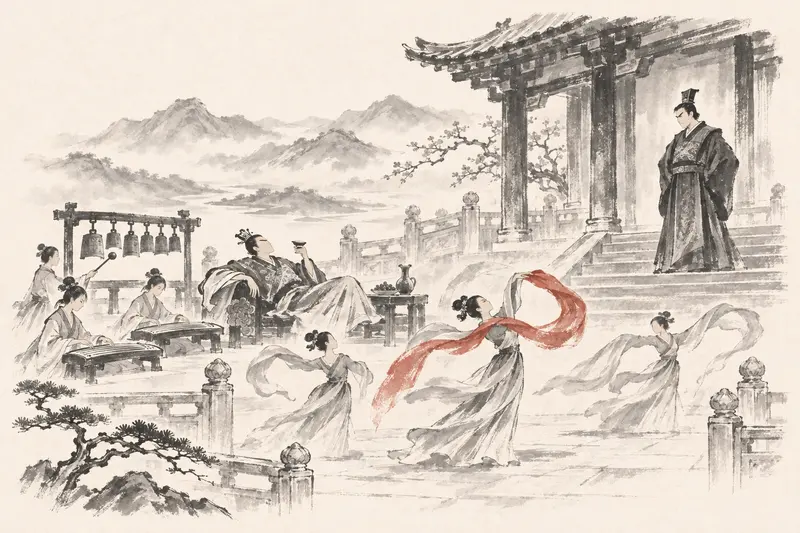
A King Should Spend His Days on Music and Pleasure 王者當日聽音樂聲色
The story of Emperor Jing's thirteen sons, grouped into five clans by their five mothers. King Xian of Hejian loved Confucian learning and gathered scholars around him. King Min of Linjiang, the deposed crown prince, set out for the capital, his carriage axle snapped, and he killed himself rather than face the interrogator. King Yi of Jiangdu fought the rebels of Wu at fifteen. King Yu of Jiaoxi was so cruel that he poisoned the officials sent to govern his kingdom. Pengzu, King of Zhao, humble to the point of fawning, used tricks of argument to ruin every official sent to him and patrolled Handan himself by night. King Jing of Zhongshan, who loved wine and women and had over a hundred and twenty descendants, told his brother that a king should spend his days on music and pleasure; Liu Bei of the Three Kingdoms would later claim descent from him. King Ding of Changsha was born after his mother, a maid, was sent to the emperor in her mistress's place. At the end Sima Qian notes how, after the revolt of Wu and Chu, the kings lost their power, until some of them rode in ox carts.
This page has the scene "A King Should Spend His Days on Music and Pleasure" from this volume, not the whole volume.
Audio
The audio is synthetic speech.
Video
Passage 1
Original
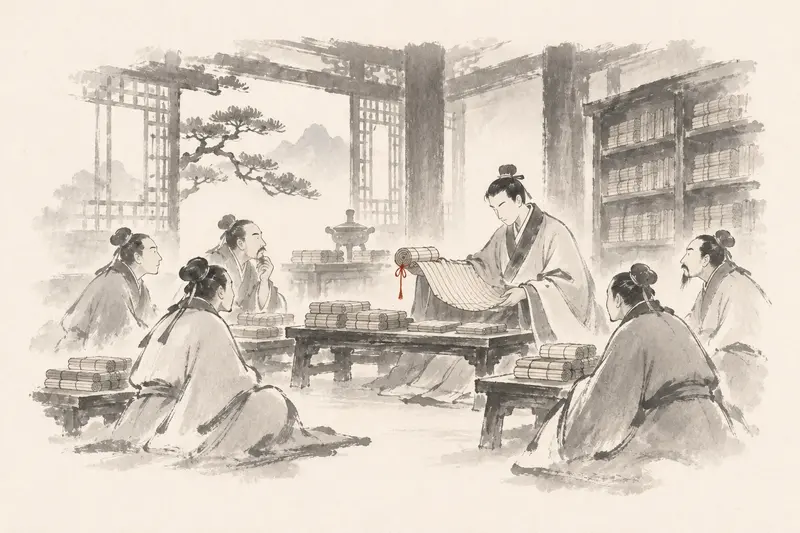
孝景皇帝子凡十三人為王,而母五人,同母者為宗親。栗姬子曰榮、德、閼于。程姬子曰餘、非、端。賈夫人子曰彭祖、勝。唐姬子曰發。王夫人兒姁子曰越、寄、乘、舜。河閒獻王德,以孝景帝前二年用皇子為河閒王。好儒學,被服造次必於儒者。山東諸儒多從之游。
Kundoku (Japanese reading)
孝景皇帝の子凡そ十三人王と為り、而して母は五人、母を同じくする者を宗親と為す。栗姫の子を栄・徳・閼于と曰う。程姫の子を余・非・端と曰う。賈夫人の子を彭祖・勝と曰う。唐姫の子を発と曰う。王夫人児姁の子を越・寄・乗・舜と曰う。河間献王徳は、孝景帝の前二年を以て皇子を用て河間王と為る。儒学を好み、被服造次も必ず儒者に於いてす。山東の諸儒多く之に従いて游ぶ。
Japanese
景帝の子で王となった者は全部で十三人、その母は五人で、同じ母から生まれた者を一つの宗(家系)とした。栗姫の子は劉栄・劉徳・劉閼于。程姫の子は劉余・劉非・劉端。賈夫人の子は劉彭祖・劉勝。唐姫の子は劉発。王夫人(児姁)の子は劉越・劉寄・劉乗・劉舜である。河間献王劉徳は、景帝の前二年(前155年)に皇子として河間王となった。儒学を好み、衣服も立ち居ふるまいも、いつも儒者にならった。山東の儒者たちの多くが、彼のもとに集まって交わった。
English
Thirteen sons of Emperor Jing became kings, born of five mothers; sons of the same mother formed one clan. The sons of Lady Li were Rong, De and Eyu. The sons of Lady Cheng were Yu, Fei and Duan. The sons of Lady Jia were Pengzu and Sheng. The son of Lady Tang was Fa. The sons of Lady Wang, Er Xu, were Yue, Ji, Cheng and Shun. King Xian of Hejian, De, was made King of Hejian as an imperial son in the second year of Emperor Jing's first reign period. He loved Confucian learning; in his dress and in every moment he followed the ways of the Confucians, and many Confucian scholars from east of the mountains came to keep him company.
Notes (JA)
- 五宗: 母を同じくする五つの家系。巻の名はここから来る。
- 前二年: 景帝は在位中に二度年の数え方を改めたので、前・中・後に分けて年を数える。
- 河間献王: 古い書物を熱心に集めたことでも知られる。
- 王夫人児姁: 武帝の母の王皇后の妹。
Notes (EN)
- Five clans (五宗): the five lines descended from the five mothers, which give the volume its name.
- First reign period: Emperor Jing restarted his year count twice, so his years are counted as "first," "middle" and "later."
- King Xian of Hejian: also famous for collecting old books.
- Lady Wang, Er Xu: the younger sister of Empress Wang, Emperor Wu's mother.
Word notes
- scholar/ˈskɑːlər/noun
a person who studies and knows a lot
In the text: “many Confucian scholars from east of the mountains”
Similar words: academic — a university teacher or researcher · learned man — old-fashioned phrase
- clan/klæn/noun
a large family group
In the text: “formed one clan”
Similar words: family — general word · house — a noble family line
Passage 2
Original
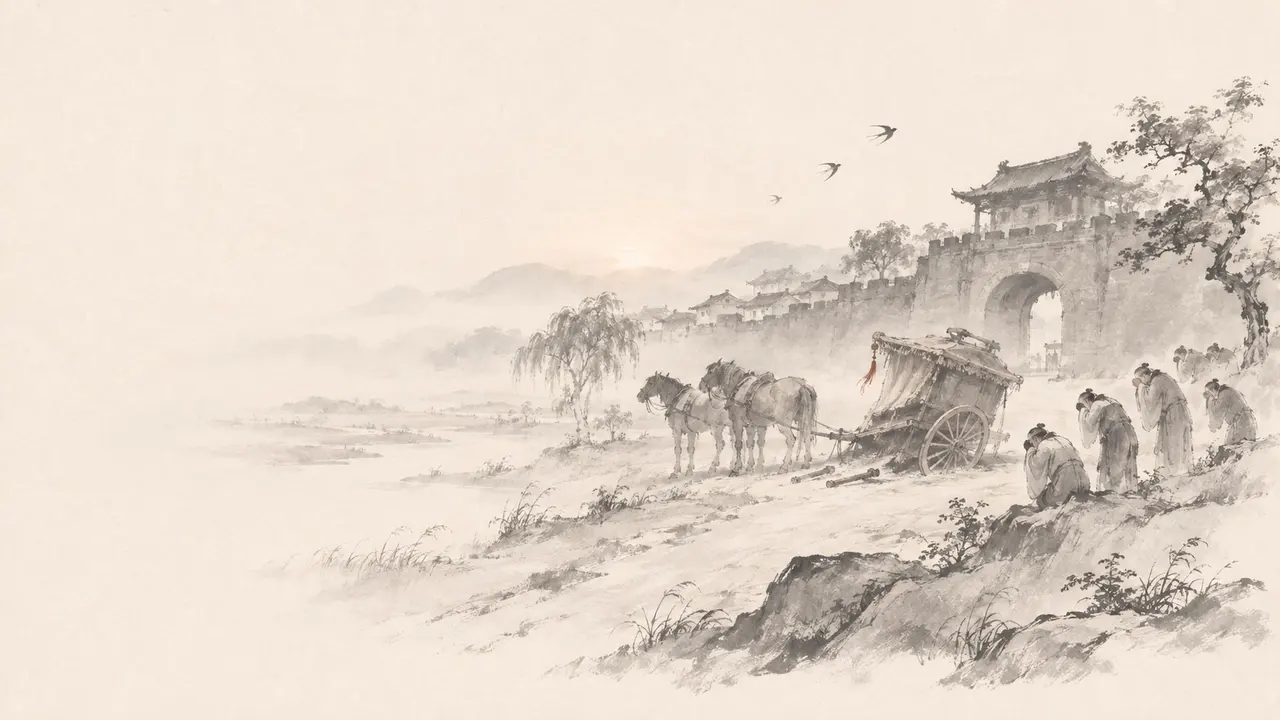
臨江閔王榮,以孝景前四年為皇太子,四歲廢,用故太子為臨江王。四年,坐侵廟壖垣為宮,上徵榮。榮行,祖於江陵北門。既已上車,軸折車廢。江陵父老流涕竊言曰:「吾王不反矣!」榮至,詣中尉府簿。中尉郅都責訊王,王恐,自殺。葬藍田。燕數萬銜土置冢上,百姓憐之。
Kundoku (Japanese reading)
臨江閔王栄は、孝景の前四年を以て皇太子と為り、四歳にして廃せられ、故の太子を用て臨江王と為る。四年、廟の壖垣を侵して宮と為すに坐し、上栄を徴す。栄行き、江陵の北門に祖す。既已に車に上るに、軸折れて車廃る。江陵の父老流涕して竊かに言いて曰く、「吾が王反らざらん」と。栄至り、中尉府に詣りて簿す。中尉郅都王を責訊し、王恐れて、自殺す。藍田に葬る。燕数万土を銜みて冢の上に置く。百姓之を憐れむ。
Japanese
臨江閔王劉栄は、景帝の前四年に皇太子となったが、四年で廃され、もとの太子として臨江王になった。王となって四年目、先祖の廟の外壁の空き地を削って宮殿を建てたとして罪に問われ、天子は劉栄を都に呼び出した。劉栄は出発にあたり、江陵の北門で道の神を祭った。車に乗ったとたん、車軸が折れて車が使えなくなった。江陵の老人たちは涙を流して、ひそかに言った。「わが王はもう戻って来られないだろう」。劉栄は都に着くと、中尉の役所に出頭して取り調べを受けた。中尉の郅都が王を厳しく問いつめたので、王は恐れて自殺した。藍田に葬られた。何万羽もの燕が土をくわえてきて墓の上に置いた。民は王をあわれんだ。
English
King Min of Linjiang, Rong, was made crown prince in the fourth year of Emperor Jing's first reign period, deposed after four years, and as the former crown prince made King of Linjiang. In his fourth year as king he was charged with taking land from the outer wall of the ancestral temple to build a palace, and the emperor summoned him. As Rong set out, he made the offering to the god of the road at the north gate of Jiangling. As soon as he had mounted his carriage, the axle snapped and the carriage was wrecked. The old men of Jiangling wept and said quietly: "Our king will not come back." When Rong arrived he reported to the office of the Commandant of the Capital to be questioned. The commandant, Zhi Du, interrogated the king harshly; the king was frightened and killed himself. He was buried at Lantian. Tens of thousands of swallows carried earth in their beaks and laid it on his grave mound, and the people pitied him.
Notes (JA)
- 栄: 景帝の長男。母の栗姫が景帝の姉の長公主と仲たがいしたことなどから、太子を廃された。代わりに太子となったのが、のちの武帝。
- 壖垣: 廟の外壁の内側の空き地。
- 祖: 旅立ちのときに道の神を祭ること。
- 郅都: 景帝の時代の厳しい役人。「蒼鷹(あおたか)」と恐れられた(122-kuli の章)。
Notes (EN)
- Rong: Emperor Jing's eldest son, deposed partly because his mother Lady Li quarrelled with the emperor's elder sister; the boy who replaced him was the future Emperor Wu.
- Outer wall land (壖垣): the strip of ground inside a temple's outer wall.
- The road offering (祖): a sacrifice to the god of the road before a journey.
- Zhi Du: a harsh official of Emperor Jing's time, dreaded as "the Grey Hawk" (chapter 122).
Word notes
- depose/dɪˈpoʊz/verb
to remove someone from a high position
In the text: “deposed after four years”
Similar words: remove — take away · oust — force out
- interrogate/ɪnˈtɛrəˌɡeɪt/verb
to question someone closely and hard
In the text: “interrogated the king harshly”
Similar words: question — ask; general word · cross-examine — question a witness in court
Passage 3
Original
江都易王非,以孝景前二年用皇子為汝南王。吳楚反時,非年十五,有材力,上書願擊吳。景帝賜非將軍印,擊吳。吳已破,二歲,徙為江都王,治吳故國,以軍功賜天子旌旗。元光五年,匈奴大入漢為賊,非上書願擊匈奴,上不許。非好氣力,治宮觀,招四方豪桀,驕奢甚。
Kundoku (Japanese reading)
江都易王非は、孝景の前二年を以て皇子を用て汝南王と為る。呉楚反せし時、非年十五、材力有り、上書して呉を撃たんと願う。景帝非に将軍の印を賜い、呉を撃たしむ。呉已に破れて二歳、徙りて江都王と為り、呉の故国を治め、軍功を以て天子の旌旗を賜う。元光五年、匈奴大いに漢に入りて賊を為す。非上書して匈奴を撃たんと願うも、上許さず。非気力を好み、宮観を治め、四方の豪桀を招き、驕奢甚だし。
Japanese
江都易王劉非は、景帝の前二年に皇子として汝南王となった。呉楚の反乱が起きたとき、劉非は十五歳で、才能と力があり、上書して呉を攻めたいと願い出た。景帝は劉非に将軍の印を与え、呉を攻めさせた。呉が破れて二年後、江都王に移されて、もとの呉の国を治め、戦の手柄によって天子の旗を許された。元光五年(前130年)、匈奴が大挙して漢に攻め入ると、劉非はまた上書して匈奴を攻めたいと願ったが、天子は許さなかった。劉非は力と勇気を好み、宮殿や楼閣を建て、各地の豪傑を招いて、たいそうおごり高ぶった。
English
King Yi of Jiangdu, Fei, was made King of Runan as an imperial son in the second year of Emperor Jing's first reign period. When Wu and Chu rebelled, Fei was fifteen, talented and strong, and he sent up a letter asking to fight Wu. Emperor Jing gave him a general's seal and sent him against Wu. Two years after Wu was crushed he was moved to be King of Jiangdu, ruling the old land of Wu, and for his services in war he was allowed to fly the banners of the Son of Heaven. In the fifth year of Yuanguang, when the Xiongnu invaded Han in force, Fei sent up a letter asking to fight them, but the emperor refused. Fei loved strength and daring; he built palaces and towers, drew strong men from every quarter, and lived in great arrogance and luxury.
Notes (JA)
- 呉楚の反乱: 前154年の呉楚七国の乱(101-yuan-ang-chao-cuo の章)。
- 天子の旌旗: 本来は天子だけが使える旗。特別な名誉だった。
- 佞幸列伝で、武帝の寵臣の韓嫣の車を天子の車と思ってひれ伏した江都王は、この劉非(125-ningxing の章)。
Notes (EN)
- The revolt of Wu and Chu: the Revolt of the Seven States in 154 BCE (chapter 101).
- The banners of the Son of Heaven: flags normally reserved for the emperor, a rare honour.
- The King of Jiangdu who knelt by the road, mistaking Han Yan's carriage for the emperor's, was this Liu Fei (chapter 125).
Word notes
- arrogance/ˈærəɡəns/noun
too much pride
In the text: “lived in great arrogance and luxury”
Similar words: pride — feeling of one's own worth · conceit — too high an opinion of oneself
- banner/ˈbænər/noun
a long flag
In the text: “to fly the banners of the Son of Heaven”
Similar words: flag — general word · standard — a flag carried in battle
Passage 4
Original
膠西于王端,以孝景前三年吳楚七國反破後,端用皇子為膠西王。端為人賊戾,又陰痿,一近婦人,病之數月。而有愛幸少年為郎。為郎者頃之與後宮亂,端禽滅之,及殺其子母。數犯上法,漢公卿數請誅端,天子為兄弟之故不忍,而端所為滋甚。有司再請削其國,去太半。端心慍,遂為無訾省。府庫壞漏盡,腐財物以巨萬計,終不得收徙。令吏毋得收租賦。端皆去衛,封其宮門,從一門出游。數變名姓,為布衣,之他郡國。相、二千石往者,奉漢法以治,端輒求其罪告之,無罪者詐藥殺之。所以設詐究變,彊足以距諫,智足以飾非。相、二千石從王治,則漢繩以法。故膠西小國,而所殺傷二千石甚眾。
Kundoku (Japanese reading)
膠西于王端は、孝景の前三年、呉楚七国反して破れし後を以て、端皇子を用て膠西王と為る。端人と為り賊戻にして、又た陰痿なり。一たび婦人に近づけば、之を病むこと数月。而して愛幸する少年有りて郎と為す。郎為る者頃之にして後宮と乱る。端禽えて之を滅ぼし、及び其の子母を殺す。数々上法を犯し、漢の公卿数々端を誅せんことを請うも、天子兄弟の故を為して忍びず。而るに端の為す所滋々甚だし。有司再び其の国を削らんことを請い、太半を去る。端心に慍り、遂に訾省する無きを為す。府庫壊れ漏れて尽き、腐る財物は巨万を以て計うるも、終に収め徙すを得ず。吏をして租賦を収むるを得ること毋からしむ。端皆衛を去り、其の宮門を封じ、一門より出でて游ぶ。数々名姓を変じ、布衣と為りて、他の郡国に之く。相・二千石の往く者、漢の法を奉じて以て治むれば、端輒ち其の罪を求めて之を告げ、罪無き者は詐りて薬して之を殺す。詐を設け変を究むる所以、彊は以て諫めを距ぐに足り、智は以て非を飾るに足る。相・二千石王に従いて治むれば、則ち漢縄すに法を以てす。故に膠西は小国なるも、殺傷する所の二千石甚だ衆し。
Japanese
膠西于王劉端は、景帝の前三年、呉楚七国の乱が破れたあとで、皇子として膠西王となった。劉端は残忍で荒々しい性格で、そのうえ不能で、女性に一度近づくと数か月も病んだ。お気に入りの少年がいて郎(側近)にしていたが、その郎はまもなく後宮の女と通じた。劉端は彼を捕らえて一族を滅ぼし、その子と母まで殺した。たびたび国の法を犯したので、漢の大臣たちは何度も劉端を誅殺するよう願い出たが、天子は兄弟なのでしのびなかった。しかし劉端の行いはますますひどくなった。役人たちが重ねて領地を削るよう願い出て、国の大半が取り上げられた。劉端は内心怒り、財産のことなどまったく顧みなくなった。倉はこわれて雨もりし、腐らせた財物は何億にものぼったが、とうとう片づけさせなかった。役人に税を取り立てることも禁じた。劉端は護衛をすべて退け、宮殿の門をふさいで、一つの門から出て遊び歩いた。何度も名前を変え、庶民の姿になって、よその郡や国へ出かけた。漢から宰相や高官が赴任して、漢の法に従って政治をすると、劉端はすぐにその罪を探して訴え、罪のない者は、だまして毒を盛って殺した。だましの手を考え、あらゆる策をめぐらす力は、強さでは諫めをはねつけ、知恵では過ちを言いつくろうのに十分だった。宰相や高官が王の言いなりに政治をすれば、今度は漢が法でしばった。だから膠西は小さな国なのに、殺されたり傷つけられたりした高官はたいへん多かった。
English
King Yu of Jiaoxi, Duan, was made King of Jiaoxi as an imperial son in the third year of Emperor Jing's first reign period, after the revolt of Wu, Chu and the seven states had been crushed. Duan was cruel and violent by nature, and impotent besides; whenever he went near a woman he was ill for months. He had a favourite youth whom he made a gentleman of his court, and before long the youth had an affair with a woman of the inner palace. Duan seized him and wiped out his family, killing even his son and mother. He broke the laws of the realm again and again, and the high ministers of Han asked many times for him to be put to death, but the emperor could not bear to, because they were brothers. Yet Duan's conduct grew worse and worse. The officials asked again for his kingdom to be cut down, and more than half of it was taken away. Duan seethed inwardly and stopped caring about his wealth altogether. His storehouses fell into ruin and leaked, and goods worth hundreds of millions rotted, but he never let them be gathered up or moved. He forbade his officials to collect taxes. Duan dismissed all his guards, sealed up the gates of his palace and went out to roam through a single gate. Again and again he changed his name, dressed as a commoner and went off to other commanderies and kingdoms. When chancellors and officials of two thousand bushels went there and governed by the laws of Han, Duan would hunt for their faults and denounce them; those who had none he tricked and poisoned. With his schemes and endless cunning, he was strong enough to brush aside any remonstrance and clever enough to dress up any wrong. If a chancellor or official did govern as the king wished, Han would bind him with the law. So little Jiaoxi killed or ruined a great many officials of two thousand bushels.
Notes (JA)
- 于王: 于はおくり名。
- 郎: 王の側近の役人。
- 相・二千石: 漢の朝廷が諸侯の国に送りこんだ宰相や高官。王が法を破れば朝廷に知らせる役目もあった。
- 彊は以て諫めを距ぐに足り、智は以て非を飾るに足る: 殷の紂王を評した言葉(殷本紀)とよく似た表現。
Notes (EN)
- Yu (于): his posthumous name.
- Gentleman (郎): an attendant at the king's court.
- Chancellors and officials of two thousand bushels: men sent by the Han court to run the kingdoms, who also reported the kings' misdeeds.
- "Strong enough to brush aside remonstrance, clever enough to dress up wrong": close to the words used of the tyrant Zhou of Shang in the Annals of Yin.
Word notes
- remonstrance/rɪˈmɑːnstrəns/noun
a strong protest or warning to someone in power
In the text: “brush aside any remonstrance”
Similar words: protest — saying you disagree · objection — a reason against
- poison/ˈpɔɪzən/verb
to kill or harm someone with poison
In the text: “he tricked and poisoned”
Similar words: drug — give a drug secretly · dose — give a measured amount
Passage 5
Original
趙王彭祖,以孝景前二年用皇子為廣川王。趙王遂反破後,彭祖王廣川。四年,徙為趙王。十五年,孝景帝崩。彭祖為人巧佞卑諂,足恭而心刻深。好法律,持詭辯以中人。彭祖多內寵姬及子孫。相、二千石欲奉漢法以治,則害於王家。是以每相、二千石至,彭祖衣皁布衣,自行迎,除二千石舍,多設疑事以作動之,得二千石失言,中忌諱,輒書之。二千石欲治者,則以此迫劫;不聽,乃上書告,及汙以姦利事。彭祖立五十餘年,相、二千石無能滿二歲,輒以罪去,大者死,小者刑,以故二千石莫敢治。而趙王擅權,使使即縣為賈人榷會,入多於國經租稅。以是趙王家多金錢,然所賜姬諸子,亦盡之矣。彭祖取笔江都易王寵姬王建所盜與姦淖姬者為姬,甚愛之。彭祖不好治宮室、禨祥,好為吏事。上書願督國中盜賊。常夜從走卒行徼邯鄲中。諸使過客以彭祖險陂,莫敢留邯鄲。
Kundoku (Japanese reading)
趙王彭祖は、孝景の前二年を以て皇子を用て広川王と為る。趙王遂反して破れし後、彭祖広川に王たり。四年、徙りて趙王と為る。十五年、孝景帝崩ず。彭祖人と為り巧佞卑諂、足恭にして心刻深なり。法律を好み、詭弁を持して以て人を中つ。彭祖内に寵姫及び子孫多し。相・二千石漢の法を奉じて以て治めんと欲すれば、則ち王家を害す。是を以て相・二千石至る毎に、彭祖皁布の衣を衣て、自ら行きて迎え、二千石の舎を除い、多く疑事を設けて以て之を作動し、二千石の失言して忌諱に中るを得れば、輒ち之を書す。二千石治めんと欲する者は、則ち此を以て迫劫し、聴かざれば、乃ち上書して告げ、及び汚すに姦利の事を以てす。彭祖立つこと五十余年、相・二千石能く二歳を満たす無く、輒ち罪を以て去り、大なる者は死し、小なる者は刑せらる。故を以て二千石敢えて治むる莫し。而して趙王権を擅にし、使いをして県に即きて賈人の榷会を為さしめ、入ること国の経の租税より多し。是を以て趙王の家は金銭多し。然れども姫・諸子に賜う所、亦た之を尽くせり。彭祖江都易王の寵姫にして、王建の盗みて与に姦せし淖姫なる者を取りて姫と為し、甚だ之を愛す。彭祖宮室・禨祥を治むるを好まず、吏事を為すを好む。上書して国中の盗賊を督さんと願う。常に夜走卒に従いて邯鄲の中を行徼す。諸使・過客彭祖の険陂なるを以て、敢えて邯鄲に留まる莫し。
Japanese
趙王劉彭祖は、景帝の前二年に皇子として広川王となった。趙王劉遂の反乱が破れたあと、彭祖は広川の王のままで、四年目に趙王に移った。その十五年目に景帝が亡くなった。彭祖は口がうまく、へつらって腰が低く、度を越してていねいだが、心は冷酷だった。法律が好きで、詭弁を使って人を罪におとしいれた。彭祖には寵愛する女性や子孫が多く、宰相や高官が漢の法どおりに政治をしようとすると、王家の害になった。そこで宰相や高官が着任するたびに、彭祖は黒い粗末な服を着て自分で出迎え、高官の宿舎を掃除してやり、わざと疑わしいことをいろいろ仕組んで相手を動かし、高官がうっかり口をすべらせて禁句にふれると、すぐにそれを書きとめた。高官が厳しく治めようとすると、これを使っておどし、言うことを聞かなければ上書して訴え、さらに不正な利益をむさぼったと汚名を着せた。彭祖が王となって五十年あまり、宰相や高官で二年もった者はなく、すぐに罪を着せられて去り、重い者は死刑、軽い者も刑罰を受けた。だから高官たちは誰も厳しく治めようとしなかった。こうして趙王は権力をほしいままにし、使いを県に送って商人の取引を独占させたので、その収入は国の正規の税よりも多かった。そのため趙王の家には金銭が多かったが、寵姫や子どもたちに与えて、それも使いはたした。彭祖は、江都易王の寵姫で、易王の子の劉建がひそかに通じていた淖姫という女性を自分の姫とし、たいへん愛した。彭祖は宮殿を建てることや、まじないには興味がなく、役人の仕事をするのが好きだった。上書して、国内の盗賊を取りしまりたいと願い出た。いつも夜には兵卒について邯鄲の町を見回った。使者や旅人たちは、彭祖がずるくて油断ならないので、邯鄲に泊まろうとしなかった。
English
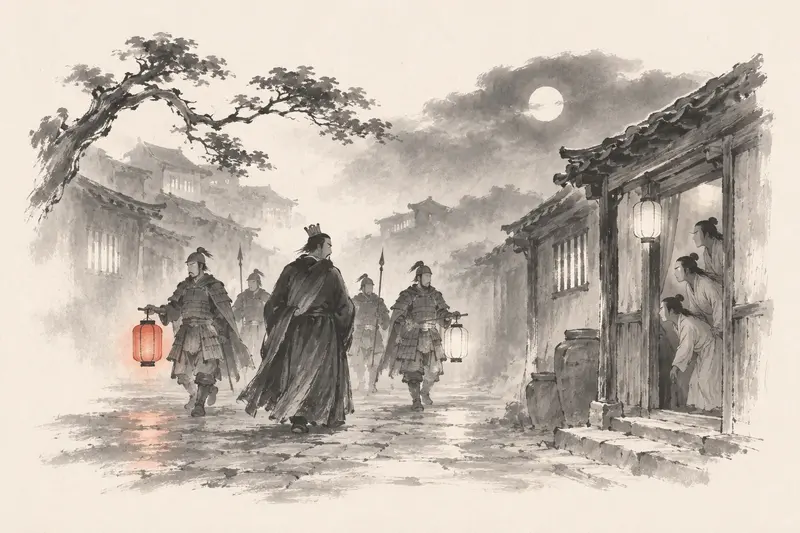
King Pengzu of Zhao was made King of Guangchuan as an imperial son in the second year of Emperor Jing's first reign period. After the revolt of Liu Sui, King of Zhao, was crushed, Pengzu ruled Guangchuan, and in his fourth year he was moved to be King of Zhao. In his fifteenth year Emperor Jing died. Pengzu was smooth-tongued, fawning and humble, excessively polite but cruel at heart. He loved the law and used tricks of argument to catch people out. Pengzu had many favourite women, sons and grandsons, and if his chancellors and high officials governed by the laws of Han, it hurt his household. So whenever a chancellor or official arrived, Pengzu put on a coarse black robe and went out himself to meet him, swept out the official's lodgings and set up all sorts of dubious affairs to draw him out; if the official let slip a careless word that touched on something forbidden, Pengzu wrote it down. If an official tried to govern strictly, Pengzu used this to threaten him; if he would not give way, Pengzu sent up a letter denouncing him and smeared him with charges of corrupt profit. In the more than fifty years Pengzu was king, no chancellor or official lasted two full years; each was soon driven out on some charge, the worst put to death, the lesser punished. So none of them dared to govern. Meanwhile the King of Zhao did as he pleased: he sent agents to the counties to monopolise the merchants' trade, and took in more than the regular taxes of the kingdom. So the king's household had plenty of money, but he gave it all away to his women and sons. Pengzu took as his consort Lady Nao, once a favourite of King Yi of Jiangdu, with whom Yi's son Liu Jian had secretly had an affair, and loved her dearly. Pengzu had no interest in building palaces or in omens; he liked doing the work of an official. He sent up a letter asking to police the robbers of his kingdom, and every night he went round Handan with the patrol. Envoys and travellers, knowing how crafty and dangerous Pengzu was, did not dare to stay in Handan.
Notes (JA)
- 趙王遂: 劉遂。呉楚七国の乱に加わって滅んだ。
- 足恭: 度を越してうやうやしいこと。『論語』では、孔子が「巧言令色足恭」を恥ずべきものとしている。
- 原文の「彭祖取笔江都易王寵姬」の「笔」は意味が通りにくく、書き下しと訳では読まずにおいた。
- 夜の見回り: 治安のためというより、王が自ら邯鄲に目を光らせていたことを示す。
Notes (EN)
- Liu Sui, King of Zhao: he joined the Revolt of the Seven States and was destroyed.
- Excessively polite (足恭): in the Analects Confucius counts "clever words, a pleasing face and excessive politeness" as shameful.
- The character 笔 in "彭祖取笔江都易王寵姬" makes little sense; the reading and translation leave it out.
- The night patrols show the king keeping watch over Handan himself.
Word notes
- patrol/pəˈtroʊl/noun
a group that goes round an area to guard it
In the text: “went round Handan with the patrol”
Similar words: guard — one who protects · watch — people keeping watch at night
- smear/smɪr/verb
to damage someone's name with false claims
In the text: “smeared him with charges of corrupt profit”
Similar words: slander — say false, harmful things · discredit — make others doubt someone
Passage 6
Original
中山靖王勝,以孝景前三年用皇子為中山王。十四年,孝景帝崩。勝為人樂酒好內,有子枝屬百二十餘人。常與兄趙王相非,曰:「兄為王,專代吏治事。王者當日聽音樂聲色。」趙王亦非之,曰:「中山王徒日淫,不佐天子拊循百姓,何以稱為藩臣!」
Kundoku (Japanese reading)
中山靖王勝は、孝景の前三年を以て皇子を用て中山王と為る。十四年、孝景帝崩ず。勝人と為り酒を楽しみ内を好み、子・枝属百二十余人有り。常に兄の趙王と相非りて曰く、「兄は王と為りて、専ら吏に代わりて事を治む。王者は当に日に音楽声色を聴くべし」と。趙王も亦た之を非りて曰く、「中山王は徒らに日に淫し、天子を佐けて百姓を拊循せず。何を以てか藩臣と称せん」と。
Japanese
中山靖王劉勝は、景帝の前三年に皇子として中山王となった。その十四年目に景帝が亡くなった。劉勝は酒と女性を好み、子や孫は百二十人あまりもいた。いつも兄の趙王と互いにけなし合い、劉勝は言った。「兄上は王なのに、役人に代わって政治の仕事ばかりしている。王たる者は、毎日音楽を聴き、美しいものを楽しむべきだ」。趙王もまた劉勝をけなして言った。「中山王はただ毎日遊びふけって、天子を助けて民をいたわろうともしない。それでどうして天子を守る藩の臣と言えようか」。
English
King Jing of Zhongshan, Sheng, was made King of Zhongshan as an imperial son in the third year of Emperor Jing's first reign period. In his fourteenth year Emperor Jing died. Sheng loved wine and women, and had more than a hundred and twenty sons and descendants. He was always finding fault with his elder brother the King of Zhao, saying: "My brother is a king, yet he spends all his time doing the work of officials. A king ought to spend his days listening to music and enjoying beautiful things." The King of Zhao found fault with him in turn: "The King of Zhongshan does nothing but indulge himself day after day. He does not help the Son of Heaven care for the people. How can he call himself a guardian of the throne?"
Notes (JA)
- 中山靖王劉勝: 三国時代の蜀の劉備は、この劉勝の子孫だと名のった(『三国志』)。
- 劉勝の墓(河北省満城)からは、玉の板を金の糸でつづった「金縷玉衣」が見つかっている。
- 藩臣: 天子を守る垣根(藩)となる諸侯。
- 兄の趙王は第5節の彭祖。働き者だが陰険な兄と、遊び好きな弟の言い合いを、司馬遷はそのまま並べている。
Notes (EN)
- King Jing of Zhongshan, Liu Sheng: Liu Bei of Shu in the Three Kingdoms period claimed descent from him.
- His tomb at Mancheng in Hebei held a suit of jade plates sewn with gold thread.
- Guardian of the throne (藩臣): a lord who serves as a hedge around the emperor.
- His brother is Pengzu of passage 5: the hard-working schemer and the pleasure-loving brother, set side by side.
Word notes
- indulge/ɪnˈdʌldʒ/verb
to let oneself enjoy pleasures freely
In the text: “does nothing but indulge himself”
Similar words: spoil — give too much · pamper — treat with too much care
- descendant/dɪˈsɛndənt/noun
a child, grandchild and so on of a person
In the text: “sons and descendants”
Similar words: offspring — children · heir — one who inherits
Passage 7
Original
長沙定王發,發之母唐姬,故程姬侍者。景帝召程姬,程姬有所辟,不願進,而飾侍者唐兒使夜進。上醉不知,以為程姬而幸之,遂有身。已乃覺非程姬也。及生子,因命曰發。以孝景前二年用皇子為長沙王。以其母微,無寵,故王卑溼貧國。
Kundoku (Japanese reading)
長沙定王発は、発の母唐姫は、故の程姫の侍者なり。景帝程姫を召す。程姫辟くる所有りて、進むるを願わず、而して侍者の唐児を飾りて夜進ましむ。上酔いて知らず、以て程姫と為して之を幸し、遂に身有り。已にして乃ち程姫に非ざるを覚る。子を生むに及び、因りて命じて発と曰う。孝景の前二年を以て皇子を用て長沙王と為る。其の母の微にして寵無きを以て、故に卑溼貧国に王たり。
Japanese
長沙定王劉発の母の唐姫は、もとは程姫の侍女だった。景帝が程姫を召したとき、程姫はさしさわりがあって行きたくなかったので、侍女の唐児を着飾らせて夜に行かせた。景帝は酔っていて気づかず、程姫だと思って寵愛し、唐児はみごもった。あとになって程姫ではなかったと気づいた。子が生まれると、そこで「発」と名づけた。景帝の前二年に皇子として長沙王となった。母の身分が低く寵愛もなかったので、低くじめじめした貧しい国の王にされたのである。
English
King Ding of Changsha, Fa: his mother, Lady Tang, had once been Lady Cheng's maid. When Emperor Jing summoned Lady Cheng, she had a reason to keep away and did not want to go, so she dressed up her maid Tang Er and sent her in at night. The emperor was drunk and did not notice; taking her for Lady Cheng, he lay with her, and she conceived. Only afterwards did he realise it had not been Lady Cheng. When the child was born, he was named Fa, "discovered." He was made King of Changsha as an imperial son in the second year of Emperor Jing's first reign period. Because his mother was lowly and out of favour, he was given a low, damp, poor kingdom.
Notes (JA)
- 辟くる所有り: 月経のためと解されている。
- 発: 「発覚」の発。あとで気づいたことにちなむ名とされる。
- 長沙: 今の湖南省。南の低湿な土地で、貧しい国とされた。
- 劉発の子孫からは、のちに後漢を開いた光武帝劉秀が出た。
Notes (EN)
- A reason to keep away: usually taken to mean she was menstruating.
- Fa (發): "to come to light," after the emperor's late discovery.
- Changsha: in present-day Hunan, a low, damp southern land counted as poor.
- Liu Xiu, Emperor Guangwu, who founded the Later Han, was descended from Liu Fa.
Word notes
- conceive/kənˈsiːv/verb
to become pregnant
In the text: “and she conceived”
Similar words: become pregnant — plain phrase · imagine — another meaning of conceive
- maid/meɪd/noun
a woman servant
In the text: “had once been Lady Cheng's maid”
Similar words: servant — general word · attendant — one who waits on someone
Passage 8
Original
太史公曰:高祖時諸侯皆賦,得自除內史以下,漢獨為置丞相,黃金印。諸侯自除御史、廷尉正、博士,擬於天子。自吳楚反後,五宗王世,漢為置二千石,去「丞相」曰「相」,銀印。諸侯獨得食租稅,奪之權。其後諸侯貧者或乘牛車也。
Kundoku (Japanese reading)
太史公曰く、高祖の時、諸侯皆賦し、自ら内史以下を除くを得、漢独り為に丞相を置き、黄金の印なり。諸侯自ら御史・廷尉正・博士を除き、天子に擬す。呉楚反せし後より、五宗の王の世、漢為に二千石を置き、「丞相」を去りて「相」と曰い、銀印なり。諸侯独り租税を食むを得て、之が権を奪う。其の後諸侯の貧しき者は或いは牛車に乗るなり。
Japanese
太史公は言う。高祖の時代には、諸侯は皆自分で税を取り立て、内史以下の役人を自分で任命でき、漢の朝廷が置くのは丞相だけで、その印は黄金だった。諸侯は御史や廷尉正、博士まで自分で任命し、天子と同じようにふるまった。呉楚の反乱のあと、五宗の王たちの時代になると、漢が二千石の高官を任命し、「丞相」を「相」と改め、印は銀になった。諸侯は税収で暮らすことだけが許され、権力は取り上げられた。そののち、貧しい諸侯の中には牛車に乗る者さえ出た。
English
The Grand Historian says: In Gaozu's time the lords all collected their own taxes and could appoint their own officials from the secretary down; Han appointed only the chancellor, who carried a gold seal. The lords appointed their own censors, justices and erudites, as if they were Sons of Heaven. After the revolt of Wu and Chu, in the generation of the kings of the five clans, Han appointed their officials of two thousand bushels, changed "chancellor" to plain "minister," and gave him a silver seal. The lords were allowed only to live on their taxes; their power was taken from them. Later some of the poorer lords even rode in ox carts.
Notes (JA)
- 牛車: 平準書の冒頭で、漢の初めに将軍や宰相が牛車に乗ったと書かれたのと同じ言葉(030-pingzhun の章)。諸侯王の力が、ここまで弱まったことを示す。
- 呉楚の乱のあと、景帝と武帝は諸侯王の権限を次々に削った。主父偃の推恩令もその一つ(112-pingjin の章)。
Notes (EN)
- Ox carts: the same words used at the opening of the Treatise on the Balanced Standard for the poverty of early Han (chapter 030), now showing how far the kings had fallen.
- After the revolt of Wu and Chu, Emperors Jing and Wu cut the kings' powers step by step; Zhufu Yan's decree of extended grace was one such measure (chapter 112).
Word notes
- erudite/ˈɛrjəˌdaɪt/noun
an official scholar at court
In the text: “their own censors, justices and erudites”
Similar words: scholar — learned person · expert — one who knows a field well
As an adjective, erudite means very learned.
- appoint/əˈpɔɪnt/verb
to choose someone for a job
In the text: “could appoint their own officials”
Similar words: name — choose for a post · assign — give a task or post