Biographies · Vol. 67
The Biographies of the Disciples of Confucius 仲尼弟子列傳
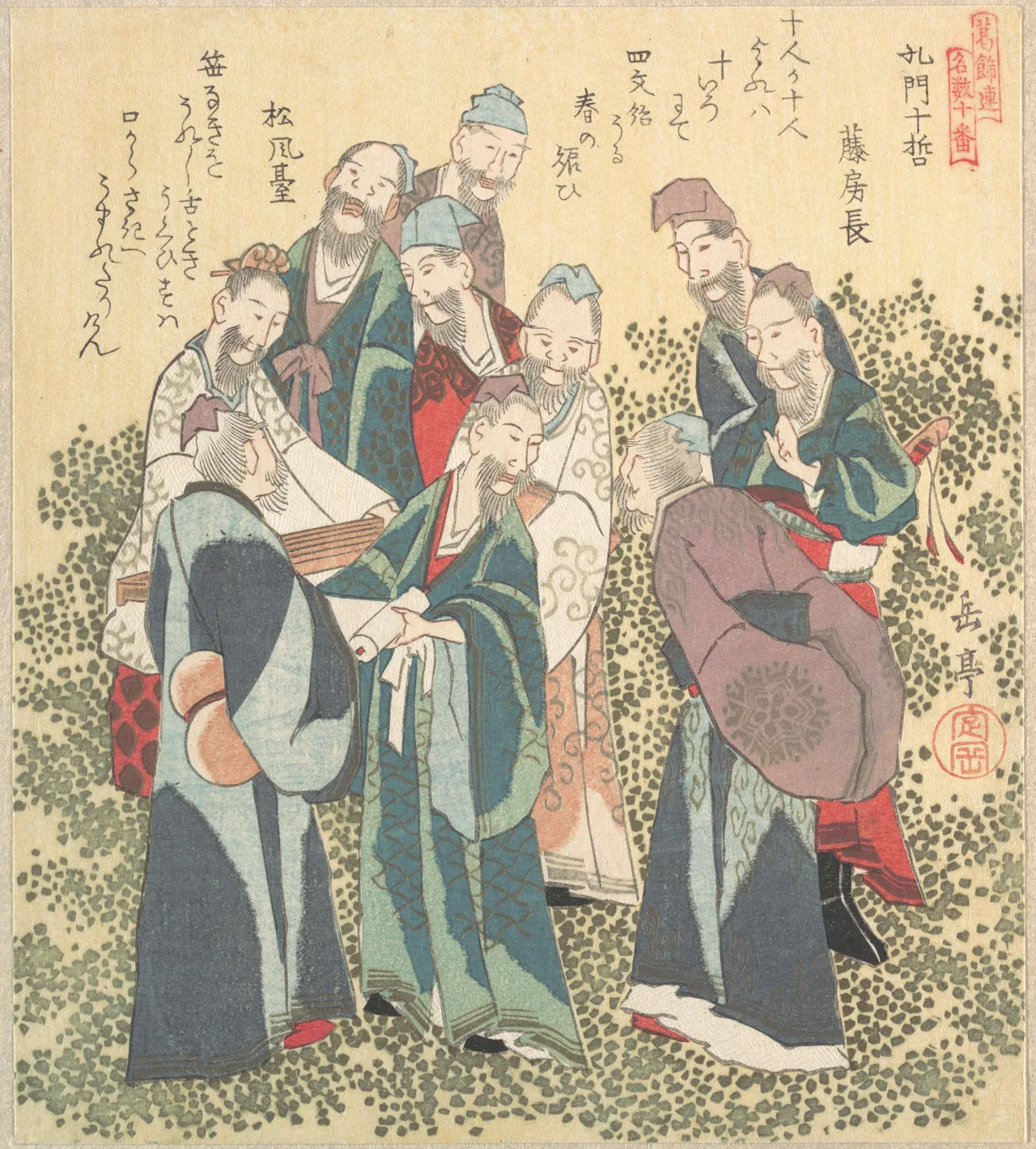
Hearing One and Knowing Ten 聞一知十
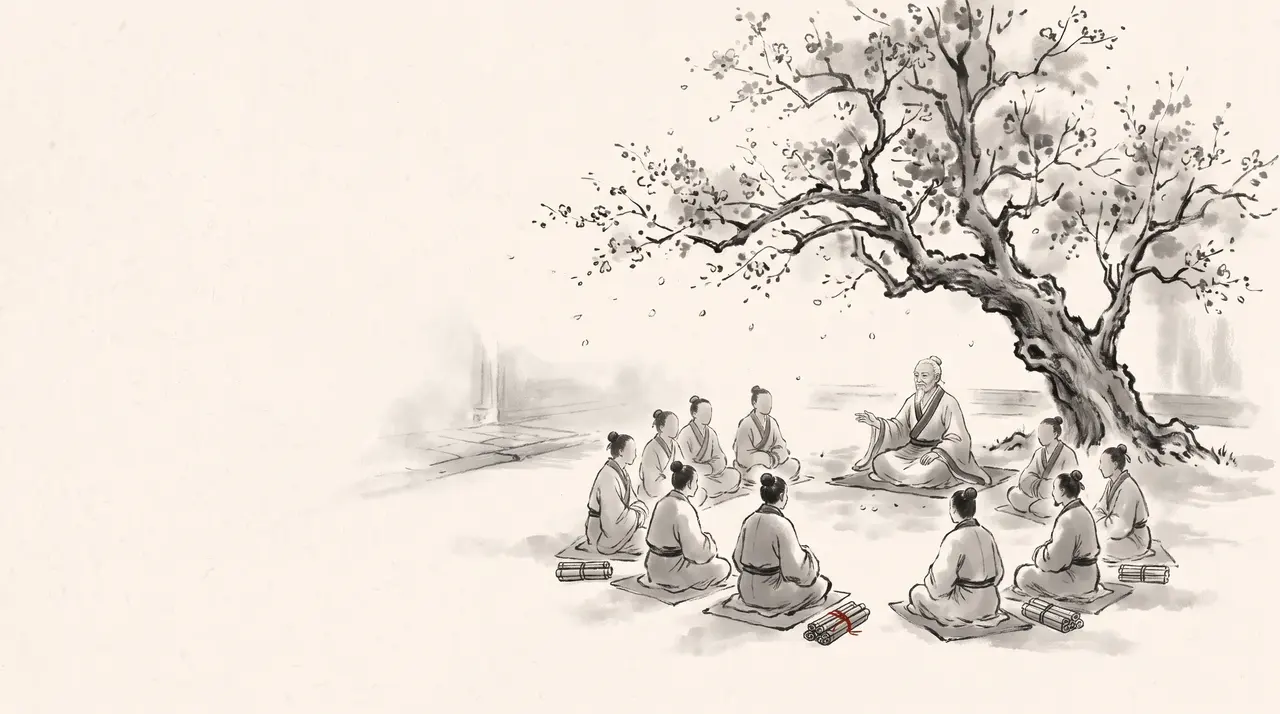
The lives of the varied characters who gathered around Confucius. Yan Hui found joy in study in a poor alley and died young. Zilu came to bully the Master in a rooster-feather cap, stayed to become his student, and died in a civil war in Wey retying the strings of his cap. Zai Yu was called "rotten wood" for sleeping by day. Zigong, a genius of persuasion, went to Qi, Wu, Yue and Jin to save Lu, and changed the fate of five states in a single journey. Tantai Mieming was misjudged for his looks, Yuan Xian was poor without shame, and You Ruo, set up as teacher for looking like Confucius, was driven from the seat when he could not answer. Short stories bring to life the people who stood in the shadow of the Master's words.
This page has the scene "Hearing One and Knowing Ten" from this volume, not the whole volume.
Audio
The audio is synthetic speech.
Video
Passage 1
Original
孔子曰「受業身通者七十有七人」,皆異能之士也。德行:顏淵,閔子騫,冉伯牛,仲弓。政事:冉有,季路。言語:宰我,子貢。文學:子游,子夏。師也辟,參也魯,柴也愚,由也喭,回也屢空。賜不受命而貨殖焉,億則屢中。
Kundoku (Japanese reading)
孔子曰く「業を受けて身づから通ずる者七十有七人」と。皆異能の士なり。徳行には、顔淵、閔子騫、冉伯牛、仲弓。政事には、冉有、季路。言語には、宰我、子貢。文学には、子游、子夏。師や辟、参や魯、柴や愚、由や喭、回や屢々空し。賜は命を受けずして貨殖す。億れば則ち屢々中る。
Japanese
孔子は「教えを受けて身につけた者は七十七人いる」と言った。みな優れた才能の持ち主である。徳行では顔淵、閔子騫、冉伯牛、仲弓。政治では冉有、季路。言葉では宰我、子貢。学問では子游、子夏。子張はうわべを飾り、曾参は鈍く、子羔は愚直で、子路は粗野である。顔回はたびたび食べるものにも事欠いた。子貢は天命に従わず商売に励み、その見通しはよく当たった。
English
Confucius said: "Those who received my teaching and mastered it number seventy-seven." All were people of unusual ability. For virtue there were Yan Yuan, Min Ziqian, Ran Boniu and Zhonggong. For government, Ran You and Ji Lu. For speech, Zai Wo and Zigong. For learning, Ziyou and Zixia. Shi was showy, Shen was slow, Chai was simple and You was rough. Hui was often without food. Si did not accept his lot and went into trade, and his guesses were often right.
Notes (JA)
- 德行・政事・言語・文學: 「孔門の四科」。『論語』先進篇。
- 季路: 子路。
- 師: 子張。參: 曾参。柴: 子羔。由: 子路。回: 顔回。賜: 子貢。
- 貨殖: 商売で財を増やす(巻129)。
Notes (EN)
- Virtue, government, speech and learning: the "four categories" of the school, from Analects 11.3.
- Shi is Zizhang, Shen is Zengzi, Chai is Zigao, You is Zilu, Hui is Yan Yuan and Si is Zigong.
Word notes
- mastered/ˈmæstərd/verb
learned completely
In the text: “received my teaching and mastered it”
Similar words: learned — gained knowledge of · grasped — understood
- showy/ˈʃoʊi/adjective
trying to attract attention
In the text: “Shi was showy”
Similar words: flashy — bright and attracting attention · ostentatious — showing off
Passage 2
Original
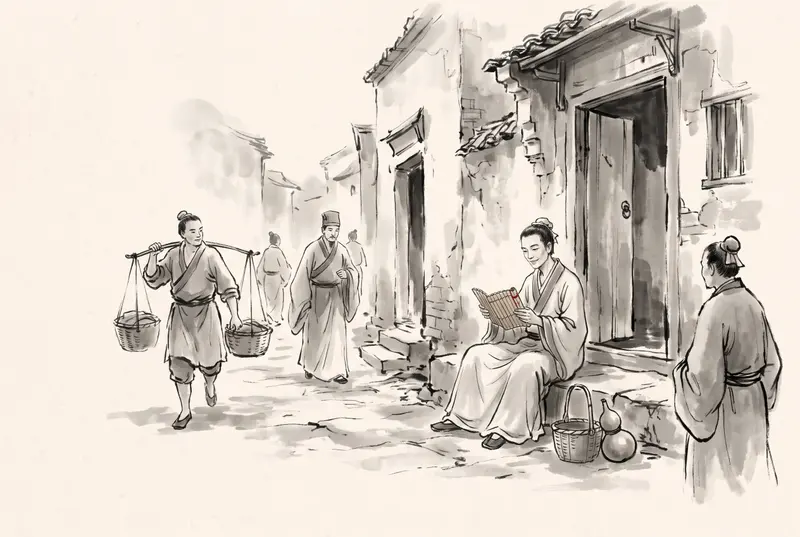
顏回者,魯人也,字子淵。少孔子三十歳。顏淵問仁,孔子曰:「克己復禮,天下歸仁焉。」孔子曰:「賢哉回也!一簞食,一瓢飲,在陋巷,人不堪其憂,回也不改其樂。」「回也如愚;退而省其私,亦足以發,回也不愚。」「用之則行,捨之則藏,唯我與爾有是夫!」回年二十九,髮盡白,蚤死。孔子哭之慟,曰:「自吾有回,門人益親。」魯哀公問:「弟子孰爲好學?」孔子對曰:「有顏回者好學,不遷怒,不貳過。不幸短命死矣,今也則亡。」
Kundoku (Japanese reading)
顔回なる者は、魯の人なり、字は子淵。孔子より少きこと三十歳。顔淵仁を問う。孔子曰く、「己に克ちて礼に復れば、天下仁に帰す」と。孔子曰く、「賢なるかな回や。一簞の食、一瓢の飲、陋巷に在り。人は其の憂いに堪えず、回や其の楽しみを改めず」と。「回や愚なるが如し。退きて其の私を省みれば、亦以て発するに足る。回や愚ならず」と。「之を用うれば則ち行い、之を捨つれば則ち蔵る。唯だ我と爾と是れ有るかな」と。回年二十九にして、髪尽く白く、蚤く死す。孔子之を哭して慟し、曰く、「吾回有りてより、門人益々親しむ」と。魯の哀公問う、「弟子孰か学を好むと為す」と。孔子対えて曰く、「顔回なる者有り、学を好み、怒りを遷さず、過ちを貳びせず。不幸短命にして死せり。今や則ち亡し」と。
Japanese
顔回は魯の人で、字は子淵、孔子より三十歳若い。顔淵が仁について尋ねると、孔子は言った。「自分に打ち勝って礼に立ち返れば、天下は仁に帰する」。孔子は言った。「賢いな、回は。竹のわりご一杯の飯と、ひさご一杯の飲み物で、狭い路地に住んでいる。人はその苦しさに耐えられないが、回はその楽しみを変えない」。また「回は愚か者のようだ。だが退いて一人のときの様子を見ると、教えをよく発展させている。回は愚かではない」。さらに「用いられれば行い、捨てられれば隠れる。それができるのは、私とお前だけだな」とも言った。顔回は二十九歳で髪がすっかり白くなり、早くに亡くなった。孔子は身をよじって泣き、言った。「回がいてから、門人たちはますます親しみ合うようになったのに」。魯の哀公が「弟子の中で学問を好むのは誰か」と尋ねると、孔子は答えた。「顔回という者がいて学問を好み、怒りを人に移さず、同じ過ちを二度しませんでした。不幸にも短命で死に、今はもうおりません」。
English
Yan Hui was a man of Lu, courtesy name Ziyuan, thirty years younger than Confucius. Yan Yuan asked about goodness. Confucius said: "Overcome yourself and return to the rites, and the whole world will turn to goodness." Confucius said: "How worthy is Hui! A basket of rice, a gourd of water, a home in a mean alley: others could not bear the misery, but Hui's joy does not change." And: "Hui seems stupid. But when he has withdrawn and I look at his private life, he brings out all I have taught. Hui is not stupid." And: "When used, to act; when set aside, to stay hidden. Only you and I can do this." At twenty-nine Hui's hair was all white, and he died young. Confucius wept for him without restraint and said: "Since I had Hui, my students have grown closer to one another." Duke Ai of Lu asked: "Which of your students loves learning?" Confucius answered: "There was Yan Hui, who loved learning. He did not take his anger out on others and did not make the same mistake twice. Unfortunately his life was short and he died. Now there is no one."
Notes (JA)
- 克己復禮: 『論語』顔淵篇。
- 一簞食、一瓢飲: 『論語』雍也篇。清貧の代表的な表現。
- 陋巷: 狭く汚い路地。
- 不遷怒、不貳過: 『論語』雍也篇。
- 年二十九: 没年を四十一歳とする説もあり、この「二十九」は白髪になった年と読む説がある。
Notes (EN)
- "Overcome yourself": Analects 12.1.
- "A basket of rice, a gourd of water": Analects 6.11, the classic image of joyful poverty.
- Some sources say he died at forty-one, and read twenty-nine as the age at which his hair turned white.
Word notes
- misery/ˈmɪzəri/noun
great suffering
In the text: “could not bear the misery”
Similar words: suffering — pain or hardship · distress — great trouble
- restraint/rɪˈstreɪnt/noun
control over one's feelings
In the text: “wept for him without restraint”
Similar words: self-control — controlling yourself · moderation — avoiding extremes
Passage 3
Original
仲由字子路,卞人也。少孔子九歳。子路性鄙,好勇力,志伉直,冠雄鷄,佩豭豚,陵暴孔子。孔子設禮稍誘子路,子路後儒服委質,因門人請爲弟子。子路問:「君子尚勇乎?」孔子曰:「義之爲上。君子好勇而無義則亂,小人好勇而無義則盜。」孔子曰:「片言可以折獄者,其由也與!」「由也好勇過我,無所取材。」「若由也,不得其死然。」「衣敝縕袍,與衣狐貉者立,而不恥者,其由也與!」「由也升堂矣,未入於室也。」
Kundoku (Japanese reading)
仲由、字は子路、卞の人なり。孔子より少きこと九歳。子路は性鄙にして、勇力を好み、志伉直なり。雄鶏を冠し、豭豚を佩び、孔子を陵暴す。孔子礼を設けて稍く子路を誘う。子路後に儒服して委質し、門人に因りて弟子たらんことを請う。子路問う、「君子は勇を尚ぶか」と。孔子曰く、「義を之れ上と為す。君子勇を好みて義無ければ則ち乱し、小人勇を好みて義無ければ則ち盗す」と。孔子曰く、「片言以て獄を折むべき者は、其れ由なるか」と。「由や勇を好むこと我に過ぐ、材を取る所無し」と。「由の若きは、其の死を得ざらん」と。「敝れたる縕袍を衣て、狐貉を衣る者と立ちて、恥じざる者は、其れ由なるか」と。「由や堂に升れり、未だ室に入らざるなり」と。
Japanese
仲由、字は子路は卞の人で、孔子より九歳若い。子路は生まれつき粗野で、勇気と力を好み、まっすぐな気性だった。雄鶏の羽の冠をかぶり、雄豚の飾りを腰に下げて、孔子を侮って乱暴をはたらいた。孔子が礼をもって少しずつ導くと、子路はのちに儒者の服を着て礼物をささげ、門人を通じて弟子入りを願った。子路が「君子は勇気を尊びますか」と尋ねると、孔子は言った。「義を最上とする。君子が勇を好んで義がなければ乱を起こし、小人が勇を好んで義がなければ盗みをはたらく」。孔子は言った。「わずかな言葉で裁きをつけられるのは、由だろうな」。「由は勇を好むことでは私以上だが、物事を裁量する力がない」。「由のような者は、まともな死に方はできまい」。「破れた綿入れを着て、狐や貉の皮衣を着た者と並んで立っても恥じないのは、由だろうな」。「由は座敷には上がったが、まだ奥の間には入っていない」。
English
Zhong You, courtesy name Zilu, was a man of Bian, nine years younger than Confucius. He was rough by nature, loved courage and strength, and was blunt and headstrong. He wore a rooster-feather cap and a boar ornament at his belt, and came to insult and bully Confucius. Confucius used the rites to draw him on little by little. In time Zilu put on a scholar's robe, presented a gift, and through the students asked to become one himself. Zilu asked: "Does a gentleman prize courage?" Confucius said: "He puts right conduct above it. A gentleman with courage but no sense of right will make rebellion. A petty man with courage but no sense of right will become a thief." Confucius said: "If anyone can settle a lawsuit with half a word, it is You." And: "You loves courage more than I do, but he has no judgment." And: "A man like You will not die a natural death." And: "To stand in a ragged padded robe beside men in fox and badger furs and feel no shame: that is You." And: "You has climbed into the hall, but has not yet entered the inner room."
Notes (JA)
- 冠雄雞、佩豭豚: 雄鶏と雄豚は勇猛の象徴。
- 委質: 礼物をささげて臣下や弟子となる。
- 片言折獄: 『論語』顔淵篇。
- 升堂入室: 学問の段階のたとえ。『論語』先進篇。「堂に入る」のもと。
Notes (EN)
- Rooster and boar: both were symbols of fierce courage.
- Climbed into the hall (升堂): a figure for the stages of learning, Analects 11.15.
Word notes
- headstrong/ˈhɛdˌstrɔŋ/adjective
determined to do what one wants
In the text: “blunt and headstrong”
Similar words: stubborn — refusing to change · willful — doing as one likes
- bully/ˈbʊli/verb
to hurt or frighten a weaker person
In the text: “insult and bully Confucius”
Similar words: intimidate — frighten · torment — cause suffering to
Passage 4
Original
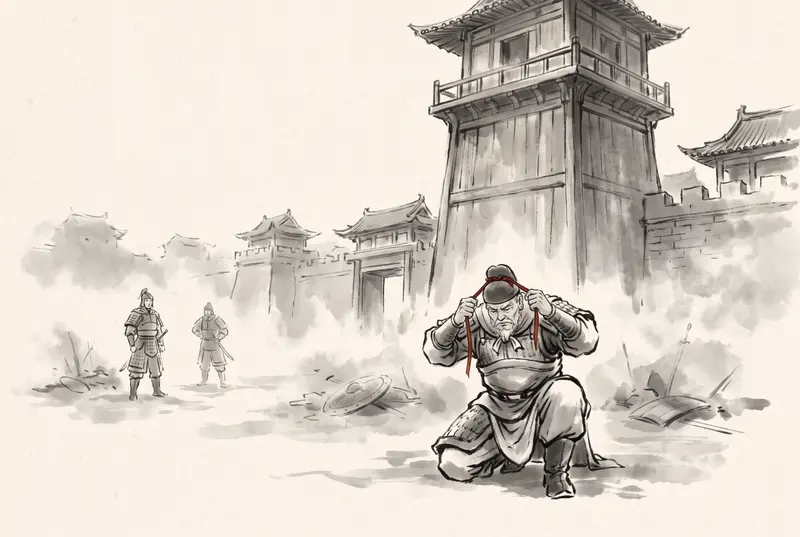
子路爲蒲大夫,辭孔子。孔子曰:「蒲多壯士,又難治。然吾語汝:恭以敬,可以執勇;寬以正,可以比眾;恭正以靜,可以報上。」初,衞靈公有寵姬曰南子。靈公太子蕢聵得過南子,懼誅出奔。及靈公卒而夫人欲立公子郢。郢不肯,曰:「亡人太子之子輒在。」於是衞立輒爲君,是爲出公。出公立十二年,其父蕢聵居外,不得入。子路爲衞大夫孔悝之邑宰。蕢聵乃與孔悝作亂,謀入孔悝家,遂與其徒襲攻出公。出公奔魯,而蕢聵入立,是爲莊公。方孔悝作亂,子路在外,聞之而馳往。遇子羔出衞城門,謂子路曰:「出公去矣,而門已閉,子可還矣,毋空受其禍。」子路曰:「食其食者不避其難。」子羔卒去。有使者入城,城門開,子路隨而入。造蕢聵,蕢聵與孔悝登臺。子路曰:「君焉用孔悝?請得而殺之。」蕢聵弗聽。於是子路欲燔臺,蕢聵懼,乃下石乞、壺黶攻子路,擊斷子路之纓。子路曰:「君子死而冠不免。」遂結纓而死。孔子聞衞亂,曰:「嗟乎,由死矣!」已而果死。故孔子曰:「自吾得由,惡言不聞於耳。」是時子貢爲魯使於齊。
Kundoku (Japanese reading)
子路蒲の大夫と為り、孔子に辞す。孔子曰く、「蒲は壮士多く、又治め難し。然れども吾汝に語らん。恭にして以て敬なれば、以て勇を執るべし。寛にして以て正なれば、以て衆に比すべし。恭正にして以て静なれば、以て上に報ゆべし」と。初め、衛の霊公に寵姫有り、南子と曰う。霊公の太子蕢聵南子に過ちを得て、誅を懼れて出奔す。霊公卒するに及びて夫人公子郢を立てんと欲す。郢肯ぜず、曰く、「亡人太子の子輒在り」と。是に於いて衛輒を立てて君と為す。是を出公と為す。出公立ちて十二年、其の父蕢聵外に居りて、入るを得ず。子路衛の大夫孔悝の邑宰と為る。蕢聵乃ち孔悝と乱を作し、謀りて孔悝の家に入り、遂に其の徒と襲いて出公を攻む。出公魯に奔り、而して蕢聵入りて立つ。是を荘公と為す。孔悝の乱を作すに方り、子路外に在り、之を聞きて馳せ往く。子羔の衛の城門を出づるに遇う。子路に謂いて曰く、「出公去れり。而して門已に閉ず。子還るべし。空しく其の禍を受くる毋かれ」と。子路曰く、「其の食を食らう者は其の難を避けず」と。子羔卒に去る。使者有りて城に入り、城門開く。子路随いて入る。蕢聵に造る。蕢聵孔悝と台に登る。子路曰く、「君焉んぞ孔悝を用いん。請う得て之を殺さん」と。蕢聵聴かず。是に於いて子路台を燔かんと欲す。蕢聵懼れ、乃ち石乞・壺黶を下して子路を攻めしめ、子路の纓を撃ち断つ。子路曰く、「君子は死すとも冠は免がず」と。遂に纓を結びて死す。孔子衛の乱を聞きて、曰く、「嗟乎、由死せん」と。已にして果たして死す。故に孔子曰く、「吾由を得てより、悪言耳に聞こえず」と。是の時子貢魯の為に斉に使いす。
Japanese
子路は蒲の大夫となって、孔子に別れの挨拶に来た。孔子は言った。「蒲には荒くれ者が多く、治めにくい。だが教えておこう。慎み深く敬意を持てば、勇者を抑えられる。寛大で公正なら、人々を親しませられる。慎み正しく落ち着いていれば、主君に報いることができる」。これより前、衛の霊公には南子という寵姫がいた。太子の蕢聵は南子に罪を得て、処刑を恐れて国外へ逃げた。霊公が死ぬと、南子は公子の郢を立てようとしたが、郢は断って言った。「亡命した太子の子の輒がいます」。そこで衛は輒を君主に立てた。これが出公である。出公の治世が十二年になっても、父の蕢聵は国外にいて入れなかった。子路は衛の大夫の孔悝の領地の長官となっていた。蕢聵は孔悝と乱を起こし、孔悝の家に入り込んで、仲間とともに出公を襲った。出公は魯へ逃げ、蕢聵が入って君主となった。これが荘公である。乱が起きたとき子路は外にいて、聞くと馬を走らせて駆けつけた。城門から出てくる子羔に出会うと、子羔は言った。「出公は去り、門はもう閉まった。帰りなさい。むだに災難を受けることはない」。子路は言った。「その人の禄を食む者は、その難を避けない」。子羔はそのまま去った。使者が城に入るために門が開いたので、子路はそれについて入った。蕢聵のもとへ行くと、蕢聵は孔悝と高台に登っていた。子路は言った。「君はなぜ孔悝を用いるのか。私に殺させてください」。蕢聵は聞かなかった。子路は高台を焼こうとした。蕢聵は恐れて、石乞と壺黶を下へやって子路を攻めさせ、子路の冠のひもを打ち切った。子路は言った。「君子は死んでも冠を脱がない」。そしてひもを結び直して死んだ。孔子は衛の乱を聞くと言った。「ああ、由は死ぬだろう」。果たして死んだ。だから孔子は言った。「由を得てからというもの、私の悪口が耳に入らなくなった」。このとき子貢は魯の使者として斉にいた。
English
When Zilu was appointed governor of Pu, he came to take his leave of Confucius. Confucius said: "Pu has many tough men and is hard to govern. But let me tell you this. Be humble and respectful, and you can control the brave. Be generous and fair, and you can win the people. Be humble, fair and calm, and you can repay your lord." Earlier, Duke Ling of Wey had a favorite named Nanzi. His crown prince Kuaikui offended her and fled the country in fear of death. When the duke died, Nanzi wanted to enthrone Prince Ying, but Ying refused, saying: "The exiled crown prince's son Zhe is here." So Wey made Zhe its ruler, Duke Chu. Twelve years into his reign his father Kuaikui was still abroad and could not get in. Zilu was then steward of the town of Kong Kui, a minister of Wey. Kuaikui plotted with Kong Kui, got into his house and with his followers attacked Duke Chu. The duke fled to Lu, and Kuaikui entered and took the throne as Duke Zhuang. When the rising broke out Zilu was outside the city, and when he heard he rode there at full speed. He met Zigao coming out of the city gate, who told him: "Duke Chu has gone, and the gate is shut. You should go back. Do not die for nothing." Zilu said: "One who eats a man's food does not run from his troubles." Zigao went on his way. An envoy came to enter the city, the gate opened, and Zilu followed him in. He went to Kuaikui, who had climbed a tower with Kong Kui. Zilu said: "What use is Kong Kui to you, my lord? Let me kill him." Kuaikui would not listen. Then Zilu tried to set fire to the tower. Kuaikui in fear sent Shi Qi and Hu Yan down to attack him, and they cut the strings of his cap. Zilu said: "A gentleman may die, but he does not take off his cap." And he tied the strings again and died. When Confucius heard of the trouble in Wey he said: "Alas, You will die!" And so he did. Confucius said: "Since I had You, I have not heard an ill word against me."
Notes (JA)
- 蒲: 衛の町。
- 南子: 孔子と会見した衛の夫人(巻47)。
- 蕢聵: 「かいがい」。
- 食其食者不避其難: 主君の恩を受けた者の覚悟。
- 纓: 冠のひも。
Notes (EN)
- Nanzi: the duchess of Wey who once received Confucius.
- Kuaikui (蕢聵): father of Duke Chu, who fought his own son for the throne.
- "A gentleman may die, but he does not take off his cap": the most famous last words among the disciples.
Word notes
- steward/ˈstuərd/noun
a person who manages property for another
In the text: “steward of the town”
Similar words: manager — one in charge · agent — one who acts for another
- exiled/ˈɛɡzaɪld/adjective
forced to live away from one's country
In the text: “The exiled crown prince's son”
Similar words: banished — sent away · expelled — forced out
Passage 5
Original
宰予字子我。利口辯辭。既受業,問:「三年之喪不已久乎?君子三年不爲禮,禮必壞;三年不爲樂,樂必崩。舊穀既沒,新穀既升,鉆燧改火,期可已矣。」子曰:「於汝安乎?」曰:「安。」「汝安則爲之。君子居喪,食旨不甘,聞樂不樂,故弗爲也。」宰我出,子曰:「予之不仁也!子生三年然後免於父母之懷。夫三年之喪,天下之通義也。」宰予晝寢。子曰:「朽木不可雕也,糞土之墻不可圬也。」宰我爲臨菑大夫,與田常作亂,以夷其族,孔子恥之。
Kundoku (Japanese reading)
宰予、字は子我。利口にして辯辞あり。既に業を受け、問う、「三年の喪は已に久しからずや。君子三年礼を為さざれば、礼必ず壊れ、三年楽を為さざれば、楽必ず崩る。旧穀既に没し、新穀既に升り、燧を鑽りて火を改む。期にして已むべし」と。子曰く、「汝に於いて安きか」と。曰く、「安し」と。「汝安くんば則ち之を為せ。君子の喪に居るや、旨きを食らいて甘からず、楽を聞きて楽しまず。故に為さざるなり」と。宰我出づ。子曰く、「予の不仁なるや。子生まれて三年然る後に父母の懐を免る。夫れ三年の喪は、天下の通義なり」と。宰予昼寝ぬ。子曰く、「朽木は雕るべからず、糞土の墻は圬るべからず」と。宰我臨菑の大夫と為り、田常と乱を作し、以て其の族を夷ぐ。孔子之を恥ず。
Japanese
宰予、字は子我は、口が達者で弁が立った。教えを受けたあと、こう尋ねた。「三年の喪は長すぎませんか。君子が三年も礼を行わなければ礼は崩れ、三年も音楽をしなければ音楽は廃れます。古い穀物が尽きて新しい穀物が実り、火きり木も一巡します。一年でやめてよいはずです」。孔子は言った。「それでお前は心安らかか」。宰予は「安らかです」と言った。「安らかなら、そうしなさい。君子が喪にあるときは、うまいものを食べてもうまくなく、音楽を聞いても楽しくない。だからしないのだ」。宰我が退出すると、孔子は言った。「予は不仁だな。子は生まれて三年たって、ようやく父母の懐を離れる。三年の喪は天下共通の道理だ」。宰予が昼寝をしていた。孔子は言った。「朽ちた木には彫刻できず、腐った土の塀には上塗りできない」。宰我は臨菑の大夫となったが、田常と乱を起こして一族を滅ぼされ、孔子はこれを恥じた。
English
Zai Yu, courtesy name Ziwo, had a sharp tongue and a gift for argument. After he had begun his studies he asked: "Is three years of mourning not too long? If a gentleman does not perform the rites for three years, the rites will surely decay. If he does not make music for three years, music will surely collapse. The old grain is gone, the new grain has risen, and the fire drill has gone through its round of woods. One year should be enough." The Master said: "Would you be at ease with that?" He said: "I would." "If you are at ease, then do it. A gentleman in mourning finds no sweetness in fine food and no joy in music, and so he does not do it." When Zai Wo had left the Master said: "How heartless Yu is! A child does not leave its parents' arms until it is three years old. Three years of mourning is the common duty of all the world." Zai Yu was sleeping during the day. The Master said: "Rotten wood cannot be carved. A wall of dung cannot be plastered." Zai Wo became a minister at Linzi, took part in the rising of Tian Chang and brought ruin on his clan, and Confucius was ashamed of him.
Notes (JA)
- 三年の喪: 親が死んだときの喪。実際は足かけ三年。
- 鑽燧改火: 季節ごとに火きりの木を変える。
- 朽木不可雕: 『論語』公冶長篇。
- 田常: 斉の実力者。宰我がこの乱に関わったという話には疑問も出されている。
Notes (EN)
- Three years of mourning: observed on the death of a parent.
- "Rotten wood cannot be carved": Analects 5.10.
- Whether Zai Wo really joined Tian Chang's rising has been doubted.
Idioms from this passage: Rotten wood cannot be carved 朽木は雕るべからず
Word notes
- heartless/ˈhɑrtləs/adjective
cruel and without feeling
In the text: “How heartless Yu is”
Similar words: cruel — causing pain · unfeeling — without pity
- plaster/ˈplæstər/verb
to cover a wall with a smooth paste
In the text: “A wall of dung cannot be plastered”
Similar words: coat — cover with a layer · render — cover a wall
Passage 6
Original
端木賜,衞人,字子貢。少孔子三十一歳。子貢利口巧辭,孔子常黜其辯。問曰:「汝與回也孰愈?」對曰:「賜也何敢望回!回也聞一以知十,賜也聞一以知二。」子貢既已受業,問曰:「賜何人也?」孔子曰:「汝器也。」曰:「何器也?」曰:「瑚璉也。」
Kundoku (Japanese reading)
端木賜は、衛の人、字は子貢。孔子より少きこと三十一歳。子貢は利口巧辞にして、孔子常に其の辯を黜く。問いて曰く、「汝と回と孰か愈れる」と。対えて曰く、「賜や何ぞ敢えて回を望まん。回や一を聞きて以て十を知り、賜や一を聞きて以て二を知る」と。子貢既已に業を受け、問いて曰く、「賜は何人ぞや」と。孔子曰く、「汝は器なり」と。曰く、「何の器ぞや」と。曰く、「瑚璉なり」と。
Japanese
端木賜は衛の人で、字は子貢、孔子より三十一歳若い。口がうまく言葉が巧みで、孔子はいつもその弁舌をたしなめた。あるとき孔子が尋ねた。「お前と回と、どちらが優れているか」。子貢は答えた。「私がどうして回に及びましょう。回は一を聞いて十を知り、私は一を聞いて二を知るだけです」。教えを受けたあと、子貢が尋ねた。「私はどんな人間でしょう」。孔子は言った。「お前は器だ」。「どんな器ですか」。「瑚璉だ」。
English
Duanmu Si, courtesy name Zigong, was a man of Wey, thirty-one years younger than Confucius. He had a clever tongue and a way with words, and Confucius often rebuked his glibness. He asked him: "Which is better, you or Hui?" Zigong answered: "How could I dare look up to Hui? When Hui hears one thing he understands ten. When I hear one thing, I understand two." After he had studied for a while, Zigong asked: "What sort of person am I?" Confucius said: "You are a vessel." "What kind of vessel?" "A sacred grain vessel of jade."
Notes (JA)
- 聞一以知十: 「一を聞いて十を知る」の出典。『論語』公冶長篇。
- 器: 用途の決まった道具。「君子は器ならず」を踏まえる。
- 瑚璉: 宗廟で穀物を盛る貴重な祭器。
Notes (EN)
- "Hears one thing and understands ten": Analects 5.9, still a Japanese proverb.
- Vessel (器): a tool with one use. Confucius had also said that a gentleman is not a vessel, so this is praise with a sting.
Idioms from this passage: Hear one and know ten 一を聞いて十を知る
Word notes
- glibness/ˈɡlɪbnəs/noun
smooth talk without deep thought
In the text: “rebuked his glibness”
Similar words: slickness — smooth, clever talk · smooth talk — easy, persuasive speech
- vessel/ˈvɛsəl/noun
a container such as a bowl or jar
In the text: “You are a vessel”
Similar words: container — something that holds things · receptacle — an object for holding
Passage 7
Original
田常欲作亂於齊,憚髙國鮑晏,故移其兵欲以伐魯。孔子聞之,謂門弟子曰:「夫魯,墳墓所處,父母之國,國危如此,二三子何爲莫出?」子路請出,孔子止之。子張、子石請行,孔子弗許。子貢請行,孔子許之。遂行,至齊,説田常曰:「君之伐魯過矣。夫魯,難伐之國,其城薄以卑,其地狹以泄,其君愚而不仁,大臣僞而無用,其士民又惡甲兵之事,此不可與戰。君不如伐吳。夫吳,城髙以厚,地廣以深,甲堅以新,士選以飽,重器精兵盡在其中,又使明大夫守之,此易伐也。」田常忿然作色曰:「子之所難,人之所易;子之所易,人之所難:而以教常,何也?」子貢曰:「臣聞之,憂在內者攻彊,憂在外者攻弱。今君憂在內。吾聞君三封而三不成者,大臣有不聽者也。今君破魯以廣齊,戰勝以驕主,破國以尊臣,而君之功不與焉,則交日疏於主。是君上驕主心,下恣群臣,求以成大事,難矣。夫上驕則恣,臣驕則爭,是君上與主有卻,下與大臣交爭也。如此,則君之立於齊危矣。故曰不如伐吳。伐吳不勝,民人外死,大臣內空,是君上無彊臣之敵,下無民人之過,孤主制齊者唯君也。」田常曰:「善。雖然,吾兵業已加魯矣,去而之吳,大臣疑我,柰何?」子貢曰:「君按兵無伐,臣請往使吳王,令之救魯而伐齊,君因以兵迎之。」田常許之,使子貢南見吳王。
Kundoku (Japanese reading)
田常斉に乱を作さんと欲し、高・国・鮑・晏を憚る。故に其の兵を移して以て魯を伐たんと欲す。孔子之を聞き、門弟子に謂いて曰く、「夫れ魯は、墳墓の処る所、父母の国なり。国の危うきこと此くの如し。二三子何為れぞ出づる莫きや」と。子路出でんことを請う。孔子之を止む。子張・子石行かんことを請う。孔子許さず。子貢行かんことを請う。孔子之を許す。遂に行きて斉に至り、田常に説きて曰く、「君の魯を伐つは過てり。夫れ魯は、伐ち難きの国なり。其の城は薄くして以て卑く、其の地は狭くして以て泄く、其の君は愚にして不仁、大臣は偽りて無用、其の士民も又甲兵の事を悪む。此れ与に戦うべからず。君呉を伐つに如かず。夫れ呉は、城高くして以て厚く、地広くして以て深く、甲堅くして以て新しく、士選ばれて以て飽き、重器精兵尽く其の中に在り、又明大夫をして之を守らしむ。此れ伐ち易きなり」と。田常忿然として色を作して曰く、「子の難しとする所は、人の易しとする所なり。子の易しとする所は、人の難しとする所なり。而るに以て常に教うるは、何ぞや」と。子貢曰く、「臣之を聞く、憂い内に在る者は彊を攻め、憂い外に在る者は弱を攻むと。今君の憂いは内に在り。吾聞く君三たび封ぜられて三たび成らざるは、大臣に聴かざる者有ればなりと。今君魯を破りて以て斉を広めば、戦い勝ちて以て主を驕らせ、国を破りて以て臣を尊くし、而して君の功は与らず。則ち交わり日に主に疏からん。是れ君は上は主の心を驕らせ、下は群臣を恣にす。以て大事を成さんことを求むるは、難し。夫れ上驕れば則ち恣にし、臣驕れば則ち争う。是れ君は上は主と郤有り、下は大臣と交々争うなり。此くの如くんば、則ち君の斉に立つや危うし。故に曰く呉を伐つに如かずと。呉を伐ちて勝たずんば、民人外に死し、大臣内に空しく、是れ君は上に彊臣の敵無く、下に民人の過ち無く、孤主を制して斉を制する者は唯だ君のみ」と。田常曰く、「善し。然りと雖も、吾が兵業已に魯に加わる。去りて呉に之かば、大臣我を疑わん。柰何」と。子貢曰く、「君兵を按じて伐つ無かれ。臣請う往きて呉王に使いし、之をして魯を救いて斉を伐たしめん。君因りて兵を以て之を迎えよ」と。田常之を許し、子貢をして南して呉王に見えしむ。
Japanese
斉の田常は反乱を起こそうとしたが、高氏、国氏、鮑氏、晏氏をはばかって、兵を移して魯を討とうとした。孔子はこれを聞いて弟子たちに言った。「魯は先祖の墓がある父母の国だ。これほど危ういのに、なぜ誰も出ていかないのか」。子路が行きたいと言ったが、孔子は止めた。子張と子石が願い出ても許さなかった。子貢が願い出ると、孔子は許した。子貢は斉へ行って田常に説いた。「魯を討つのは誤りです。魯は討ちにくい国です。城は薄くて低く、土地は狭く、君主は愚かで不仁、大臣は偽りで役に立たず、民は戦を嫌っています。こんな国とは戦えません。呉を討つのがよいでしょう。呉は城が高く厚く、土地は広く、よろいは堅く新しく、兵はえり抜きで食も足り、宝器も精兵もそろい、賢い大夫が守っています。これは討ちやすい国です」。田常は怒って顔色を変えた。「あなたの難しいと言うことは、人が易しいと言うことだ。易しいと言うことは、人が難しいと言うことだ。それを私に教えるとは、どういうことだ」。子貢は言った。「憂いが内にある者は強い敵を攻め、憂いが外にある者は弱い敵を攻めると聞きます。あなたの憂いは内にあります。あなたが三度封じられかけて三度とも実現しなかったのは、反対する大臣がいるからでしょう。もし魯を破って斉を広げれば、勝利で主君はおごり、国を破った功で大臣たちは尊くなり、あなたの功にはなりません。主君との間は日ごとに疎くなるでしょう。上は主君をおごらせ、下は群臣を増長させては、大事を成すのは難しい。上がおごれば勝手になり、臣がおごれば争います。あなたは上は主君と溝ができ、下は大臣と争うことになります。それではあなたの立場は危うい。だから呉を討つほうがよいのです。呉を討って勝てなければ、民は外で死に、大臣は国内で力を失います。そうなれば上に強い競争相手はなく、下に民の非難もなく、孤立した主君を操って斉を支配するのは、あなただけです」。田常は言った。「なるほど。だが、私の兵はもう魯に向かっている。今さら呉へ向かえば、大臣に疑われる。どうすればよいか」。子貢は言った。「兵をとどめて攻めないでください。私が呉王のところへ行き、魯を救って斉を討たせましょう。あなたはそれを迎え撃てばよいのです」。田常は承知し、子貢を南の呉王のもとへ行かせた。
English
Tian Chang wanted to seize power in Qi but was wary of the great houses of Gao, Guo, Bao and Yan, so he turned his troops against Lu. When Confucius heard, he said to his students: "Lu is where our ancestors are buried. It is the land of our fathers. With the country in such danger, why does none of you go out?" Zilu asked to go, and Confucius stopped him. Zizhang and Zishi asked, and he would not allow it. Zigong asked, and he agreed. So Zigong went to Qi and said to Tian Chang: "You are wrong to attack Lu. Lu is a hard country to conquer. Its walls are thin and low, its land is narrow, its ruler is foolish and unkind, its ministers are false and useless, and its people hate war. You cannot fight such a state. You had better attack Wu. Wu has high, thick walls and broad, deep lands, strong new armor, picked and well-fed soldiers, all the best weapons, and wise ministers to guard it. It is easy to attack." Tian Chang's face darkened with anger. "What you call hard is what others call easy, and what you call easy is what others call hard. Why do you tell me this?" Zigong said: "I have heard that one whose troubles are at home attacks the strong, and one whose troubles are abroad attacks the weak. Your troubles are at home. I hear you have three times been offered a fief and three times failed to get it, because some ministers would not agree. If you crush Lu and enlarge Qi, the victory will make your lord proud and the conquest will raise up the ministers, and you will get no credit. You will drift further from your lord each day. You will have made your lord arrogant above and your ministers unruly below, and it will be hard to achieve your great aim. When those above are proud they do as they please, and when ministers are proud they fight. You will be at odds with your lord above and in conflict with the ministers below. Your position in Qi will be in danger. That is why you should attack Wu. If you attack Wu and fail, the people will die abroad and the ministers will be drained at home. You will have no strong rivals above and no blame from the people below, and only you will control a lonely ruler and rule Qi." Tian Chang said: "Good. But my troops are already on their way to Lu. If I leave and go to Wu, the ministers will suspect me. What shall I do?" Zigong said: "Hold your troops and do not attack. Let me go to the King of Wu and get him to save Lu and attack Qi, and you can meet him in battle." Tian Chang agreed, and sent Zigong south to see the King of Wu.
Notes (JA)
- 田常: 田恒。斉の実権を握り、のちに田氏が斉を奪う。
- 高・國・鮑・晏: 斉の名門。
- 憂在內者攻彊: 内に憂いのある者は強敵に当たらせて国内の敵を弱らせる。
- この遊説の話は他の史料に見えず、史実かどうか疑う説が古くからある。
Notes (EN)
- Tian Chang (田常): the strongman of Qi, whose family later took the throne.
- This whole story of Zigong's journey appears only here and in related texts, and its truth has long been questioned.
Word notes
- wary/ˈwɛri/adjective
careful about possible danger
In the text: “was wary of the great houses”
Similar words: cautious — careful · guarded — not trusting
- unruly/ʌnˈruli/adjective
hard to control
In the text: “your ministers unruly”
Similar words: disorderly — not behaving · rebellious — refusing to obey
Passage 8
Original
説曰:「臣聞之,王者不絶世,霸者無彊敵,千鈞之重加銖兩而移。今以萬乘之齊而私千乘之魯,與吳爭彊,竊爲王危之。且夫救魯,顯名也;伐齊,大利也。以撫泗上諸侯,誅暴齊以服彊晉,利莫大焉。名存亡魯,實困彊齊。智者不疑也。」吳王曰:「善。雖然,吾嘗與越戰,棲之會稽。越王苦身養士,有報我心。子待我伐越而聽子。」子貢曰:「越之勁不過魯,吳之彊不過齊,王置齊而伐越,則齊已平魯矣。且王方以存亡繼絶爲名,夫伐小越而畏彊齊,非勇也。夫勇者不避難,仁者不窮約,智者不失時,王者不絶世,以立其義。今存越示諸侯以仁,救魯伐齊,威加晉國,諸侯必相率而朝吳,霸業成矣。且王必惡越,臣請東見越王,令出兵以從,此實空越,名從諸侯以伐也。」吳王大説,乃使子貢之越。
Kundoku (Japanese reading)
説きて曰く、「臣之を聞く、王者は世を絶たず、覇者は彊敵無し。千鈞の重きも銖両を加うれば移ると。今万乗の斉を以て千乗の魯を私し、呉と彊を争う。窃かに王の為に之を危ぶむ。且つ夫れ魯を救うは、名を顕すなり。斉を伐つは、大利なり。以て泗上の諸侯を撫し、暴斉を誅して以て彊晋を服せしめば、利此より大なるは莫し。名は亡魯を存し、実は彊斉を困しむ。智者は疑わざるなり」と。呉王曰く、「善し。然りと雖も、吾嘗て越と戦いて、之を会稽に棲ましむ。越王身を苦しめて士を養い、我に報ゆるの心有り。子我の越を伐つを待ちて子に聴かん」と。子貢曰く、「越の勁は魯に過ぎず、呉の彊は斉に過ぎず。王斉を置きて越を伐たば、則ち斉已に魯を平らげん。且つ王方に亡を存し絶を継ぐを以て名と為す。夫れ小越を伐ちて彊斉を畏るるは、勇に非ざるなり。夫れ勇者は難を避けず、仁者は約を窮せしめず、智者は時を失わず、王者は世を絶たず、以て其の義を立つ。今越を存して諸侯に仁を示し、魯を救いて斉を伐ち、威を晋国に加えば、諸侯必ず相率いて呉に朝し、覇業成らん。且つ王必ず越を悪まば、臣請う東して越王に見え、兵を出だして以て従わしめん。此れ実は越を空しくし、名は諸侯に従いて以て伐つなり」と。呉王大いに説び、乃ち子貢をして越に之かしむ。
Japanese
子貢は呉王に説いた。「王者は他国の世継ぎを絶やさず、覇者には強敵がないものです。千鈞の重さでも、わずかな分銅を加えれば傾きます。いま万乗の斉が千乗の魯を我がものにして呉と強さを争おうとしています。王のために危ぶみます。魯を救えば名があがり、斉を討てば大きな利があります。泗水のほとりの諸侯を手なずけ、暴虐な斉を討って強い晋を従わせれば、これ以上の利はありません。名目は滅びかけた魯を救い、実際は強い斉を苦しめるのです。賢い者なら迷いません」。呉王は言った。「よかろう。だが私はかつて越と戦って、越王を会稽に追いつめた。越王は身を苦しめて兵を養い、私に報復する気でいる。越を討ってから、あなたの言葉に従おう」。子貢は言った。「越の強さは魯以上ではなく、呉の強さは斉以上ではありません。斉を放っておいて越を討てば、その間に斉は魯を平らげるでしょう。それに王は滅びる国を救い、絶える家を継がせることを名分にしておられます。小さな越を討って強い斉を恐れるのは勇気ではありません。勇者は難を避けず、仁者は困窮させず、智者は時を失わず、王者は世継ぎを絶やさず、それで義を立てるのです。いま越を残して諸侯に仁を示し、魯を救って斉を討ち、晋に威を示せば、諸侯は必ず連れ立って呉に朝貢し、覇業が成ります。それでも越が気がかりなら、私が東へ行って越王に会い、兵を出して従わせましょう。これは実際には越を空にすることで、名目は諸侯を率いて討つことになります」。呉王は大いに喜び、子貢を越へ行かせた。
English
He said to the King of Wu: "I have heard that a true king does not let a ruling line die out, and a hegemon has no strong enemy. Even a weight of a thousand jun will shift if you add a few grains. Now Qi with its ten thousand chariots means to take Lu with its one thousand for itself and contend with Wu for supremacy. I fear for Your Majesty. To save Lu would bring you fame, and to attack Qi would bring you great profit. You could win over the lords along the Si River, punish cruel Qi and force mighty Jin to submit. There could be no greater gain. In name you would be saving Lu from extinction, and in fact you would be crushing the power of Qi. A wise man would not hesitate." The King of Wu said: "Good. But I once fought Yue and trapped it at Kuaiji. The King of Yue is punishing himself and training his men, and means to take revenge. Wait until I have attacked Yue, and then I will listen to you." Zigong said: "Yue is no stronger than Lu, and Wu no stronger than Qi. If you leave Qi alone and attack Yue, Qi will have taken Lu by then. And you have made your name by saving the fallen and restoring broken lines. To attack little Yue and fear mighty Qi is not courage. The brave do not avoid hardship, the good do not corner the weak, the wise do not miss their moment, and a true king does not end a ruling line. That is how they establish their honor. If you spare Yue, you show the lords your goodness. If you save Lu, attack Qi and overawe Jin, the lords will surely come together to pay homage to Wu, and your hegemony will be complete. And if you are still uneasy about Yue, let me go east to the King of Yue and have him send troops to follow you. That will in fact leave Yue empty, and in name you will be leading the lords." The King of Wu was delighted and sent Zigong to Yue.
Notes (JA)
- 呉王: 夫差(巻66)。
- 千鈞: 非常に重いこと。一鈞は三十斤。
- 銖兩: ごくわずかな重さ。
- 萬乘・千乘: 大国と中規模の国。
- 棲之會稽: 越王句践を会稽山に追いつめたこと(巻41)。
Notes (EN)
- King of Wu: Fuchai (Volume 66).
- Ten thousand and one thousand chariots: the measure of a great state and a middling one.
- Kuaiji: where Fuchai trapped Goujian, King of Yue (Volume 41).
Word notes
- supremacy/səˈprɛməsi/noun
the position of being the strongest
In the text: “contend with Wu for supremacy”
Similar words: dominance — power over others · mastery — complete control
- hesitate/ˈhɛzəˌteɪt/verb
to pause before acting
In the text: “A wise man would not hesitate”
Similar words: pause — stop for a moment · waver — be unsure
Passage 9
Original
越王除道郊迎,身御至舍而問曰:「此蠻夷之國,大夫何以儼然辱而臨之?」子貢曰:「今者吾説吳王以救魯伐齊,其志欲之而畏越,曰『待我伐越乃可』。如此,破越必矣。且夫無報人之志而令人疑之,拙也;有報人之志,使人知之,殆也;事未發而先聞,危也。三者舉事之大患。」句踐頓首再拜曰:「孤嘗不料力,乃與吳戰,困於會稽,痛入於骨髓,日夜焦脣乾舌,徒欲與吳王接踵而死,孤之願也。」遂問子貢。子貢曰:「吳王爲人猛暴,群臣不堪;國家敝以數戰,士卒弗忍;百姓怨上,大臣內變;子胥以諫死,太宰嚭用事,順君之過以安其私:是殘國之治也。今王誠發士卒佐之徼其志,重寶以説其心,卑辭以尊其禮,其伐齊必也。彼戰不勝,王之福矣。戰勝,必以兵臨晉,臣請北見晉君,令共攻之,弱吳必矣。其鋭兵盡於齊,重甲困於晉,而王制其敝,此滅吳必矣。」越王大説,許諾。送子貢金百鎰,劍一,良矛二。子貢不受,遂行。
Kundoku (Japanese reading)
越王道を除きて郊迎し、身づから御して舎に至りて問いて曰く、「此れ蛮夷の国なり。大夫何を以てか儼然として辱なくも之に臨むや」と。子貢曰く、「今者吾呉王に説くに魯を救い斉を伐つを以てす。其の志之を欲するも而も越を畏れ、曰く『我の越を伐つを待ちて乃ち可なり』と。此くの如くんば、越を破ること必せり。且つ夫れ人に報ゆるの志無くして人をして之を疑わしむるは、拙なり。人に報ゆるの志有りて、人をして之を知らしむるは、殆うし。事未だ発せずして先に聞こゆるは、危うし。三者は事を挙ぐるの大患なり」と。句践頓首再拝して曰く、「孤嘗て力を料らず、乃ち呉と戦い、会稽に困しむ。痛み骨髄に入り、日夜脣を焦がし舌を乾かし、徒だ呉王と踵を接して死せんと欲す。孤の願いなり」と。遂に子貢に問う。子貢曰く、「呉王は人と為り猛暴にして、群臣堪えず。国家は数しば戦うを以て敝れ、士卒忍びず。百姓上を怨み、大臣内に変ず。子胥は諫めを以て死し、太宰嚭事を用い、君の過ちに順いて以て其の私を安んず。是れ残国の治なり。今王誠に士卒を発して之を佐けて其の志を徼め、重宝もて以て其の心を説ばせ、卑辞もて以て其の礼を尊ばば、其の斉を伐つこと必せり。彼戦いて勝たずんば、王の福なり。戦いて勝たば、必ず兵を以て晋に臨まん。臣請う北して晋君に見え、共に之を攻めしめん。呉を弱むること必せり。其の鋭兵は斉に尽き、重甲は晋に困しみ、而して王其の敝を制せば、此れ呉を滅ぼすこと必せり」と。越王大いに説び、許諾す。子貢に金百鎰、剣一、良矛二を送る。子貢受けず、遂に行く。
Japanese
越王は道を掃き清めて郊外まで出迎え、自ら馬車を御して宿舎へ案内して尋ねた。「ここは未開の国です。あなたはなぜわざわざおいでになったのですか」。子貢は言った。「私は呉王に魯を救って斉を討つよう説きました。王はその気になりましたが越を恐れて、『越を討ってからにしよう』と言っています。これでは越が破られるのは確実です。報復する気もないのに人に疑われるのは下手なこと。報復する気があるのを人に知られるのは危ういこと。事を起こす前に漏れるのは危険なこと。この三つは事を起こすときの大きな災いです」。句践は額を地につけて再拝して言った。「私はかつて力を量らず呉と戦い、会稽で苦しめられました。痛みは骨の髄にしみ、日夜、唇を焦がし舌を乾かして、呉王と一緒に死ぬことだけを願っています」。そして子貢に策を尋ねた。子貢は言った。「呉王は荒々しく、群臣は耐えかねています。国は戦続きで疲れ、兵は我慢できず、民は上を恨み、大臣は内で離反しています。伍子胥は諫めて死に、太宰の嚭が権力を握って主君の過ちに従い、私腹を肥やしています。これは国を滅ぼす政治です。いま王が本気で兵を出して助けて呉王の野心をあおり、宝物で心を喜ばせ、へりくだった言葉で礼を尽くせば、呉王は必ず斉を討ちます。戦って負ければ王の福です。勝てば必ず兵を晋に向けます。私が北へ行って晋の君主に会い、共に呉を攻めさせましょう。呉は必ず弱ります。精鋭は斉で尽き、重装の兵は晋で苦しむ。王がその疲れに乗じれば、呉を滅ぼせるのは確実です」。越王は大いに喜んで承知し、子貢に黄金百鎰と剣一振り、良い矛二本を贈った。子貢は受け取らず、そのまま去った。
English
The King of Yue had the road swept and came out to the edge of the city to meet him. He drove him to his lodging in person and asked: "This is a barbarian country. Why does so distinguished a gentleman do us the honor of coming here?" Zigong said: "I have urged the King of Wu to save Lu and attack Qi. He wants to, but fears Yue, and says, 'Wait until I have attacked Yue.' At this rate Yue will surely be crushed. To arouse suspicion when you have no thought of revenge is clumsy. To have a thought of revenge and let others know is perilous. To have your plan leak out before you act is dangerous. These three are the great dangers of any undertaking." Goujian bowed his head to the ground twice and said: "I once fought Wu without measuring my strength and was trapped at Kuaiji. The pain has gone into my very marrow. Day and night, with parched lips and a dry tongue, I wish only to die at the King of Wu's heels. That is my desire." And he asked Zigong for advice. Zigong said: "The King of Wu is fierce and violent, and his ministers can hardly bear him. The country is worn out by constant war, and the soldiers cannot stand it. The people resent their rulers, and the great officers are turning against him. Wu Zixu died for his advice, and Chief Minister Pi, who holds power, panders to his lord's faults to protect his own interests. This is the government of a ruined state. If you truly send troops to help him and feed his ambition, please him with treasures and honor him with humble words, he will certainly attack Qi. If he loses, that is your good fortune. If he wins, he will surely turn his army on Jin. Then let me go north to the lord of Jin and have him attack with us, and Wu will surely be weakened. Its best troops will be spent in Qi and its armored men worn down in Jin. If you then strike at its exhaustion, you will surely destroy Wu." The King of Yue was delighted and agreed. He offered Zigong a hundred yi of gold, a sword and two fine spears. Zigong would not take them and went on his way.
Notes (JA)
- 句踐: 越王(巻41)。
- 頓首: 額を地につける礼。
- 子胥: 伍子胥。太宰嚭: 伯嚭(巻66)。
- 痛入於骨髓: 「恨み骨髄に入る」の類。
Notes (EN)
- Goujian: King of Yue (Volume 41).
- Wu Zixu and Chief Minister Pi: see Volume 66.
Word notes
- parched/pɑrtʃt/adjective
very dry
In the text: “with parched lips”
Similar words: dry — without moisture · thirsty — needing water
- panders/ˈpændərz/verb
gives in to someone's wrong desires
In the text: “panders to his lord's faults”
Similar words: indulges — lets someone have what they want · caters to — tries to satisfy
Passage 10
Original
報吳王曰:「臣敬以大王之言告越王,越王大恐,曰:『孤不幸,少失先人,內不自量,抵罪於吳,軍敗身辱,棲於會稽,國爲虛莽,賴大王之賜,使得奉俎豆而修祭祀,死不敢忘,何謀之敢慮!』」後五日,越使大夫種頓首言於吳王曰:「東海役臣孤句踐使者臣種,敢修下吏問於左右。今竊聞大王將興大義,誅彊救弱,困暴齊而撫周室,請悉起境內士卒三千人,孤請自被堅執鋭,以先受矢石。因越賤臣種奉先人藏器,甲二十領,鈇屈盧之矛,步光之劍,以賀軍吏。」吳王大説,以告子貢曰:「越王欲身從寡人伐齊,可乎?」子貢曰:「不可。夫空人之國,悉人之眾,又從其君,不義。君受其幣,許其師,而辭其君。」吳王許諾,乃謝越王。於是吳王乃遂發九郡兵伐齊。
Kundoku (Japanese reading)
呉王に報じて曰く、「臣敬みて大王の言を以て越王に告ぐ。越王大いに恐れて曰く、『孤不幸にして、少くして先人を失い、内に自ら量らず、罪を呉に抵し、軍敗れ身辱められ、会稽に棲み、国は虚莽と為る。大王の賜に頼りて、俎豆を奉じて祭祀を修むるを得しむ。死すとも敢えて忘れず、何の謀をか敢えて慮らん』と」と。後五日、越大夫種をして頓首して呉王に言わしめて曰く、「東海の役臣孤句践の使者臣種、敢えて下吏を修めて左右に問う。今窃かに聞く大王将に大義を興し、彊を誅して弱を救い、暴斉を困しめて周室を撫せんとすと。請う悉く境内の士卒三千人を起こさん。孤請う自ら堅を被り鋭を執り、以て先んじて矢石を受けん。因りて越の賤臣種先人の蔵器、甲二十領、鈇屈盧の矛、歩光の剣を奉じて、以て軍吏に賀す」と。呉王大いに説び、以て子貢に告げて曰く、「越王身づから寡人に従いて斉を伐たんと欲す。可なるか」と。子貢曰く、「不可なり。夫れ人の国を空しくし、人の衆を悉くし、又其の君を従えしむるは、不義なり。君其の幣を受け、其の師を許して、其の君を辞せよ」と。呉王許諾し、乃ち越王に謝す。是に於いて呉王乃ち遂に九郡の兵を発して斉を伐つ。
Japanese
子貢は呉王に報告した。「大王のお言葉を越王に伝えると、越王は大いに恐れて言いました。『私は不幸にも幼くして父を失い、身のほどを知らず呉に罪を犯し、軍は敗れ身は辱められ、会稽に逃れ、国は荒れ果てました。大王のおかげで祭祀を続けることができます。死んでも忘れません。どうして謀りごとなど考えましょう』」。五日後、越は大夫の種を遣わし、呉王に額を地につけて言わせた。「東海の下僕である句践の使者、種が、おそば近くの方にお尋ねいたします。大王は大義を興し、強きを討って弱きを救い、暴虐な斉を苦しめて周王室を安んじようとなさると聞きました。国内の兵三千人をすべて起こし、句践自らよろいを着け武器を取って、まっ先に矢石を受けたいと存じます。そこで賤しい臣の種が、先祖の宝であるよろい二十領、斧、屈盧の矛、歩光の剣を奉り、軍吏の方々にお祝いを申し上げます」。呉王は大いに喜び、子貢に告げた。「越王が自ら私に従って斉を討ちたいと言っている。よいだろうか」。子貢は言った。「いけません。人の国を空にし、兵をすべて出させ、そのうえ君主まで従わせるのは不義です。贈り物を受け、兵は許し、君主は辞退させなさい」。呉王は承知して越王に断りを入れた。こうして呉王は九郡の兵を発して斉を討った。
English
He reported to the King of Wu: "I respectfully passed on Your Majesty's words to the King of Yue, who was greatly afraid and said: 'I had the misfortune to lose my father young. Not knowing my own measure, I offended Wu. My army was beaten, I was disgraced and trapped at Kuaiji, and my country was laid waste. By Your Majesty's grace I am able to continue the sacrifices. I will not forget it until I die. How would I dare to plot anything?'" Five days later Yue sent its minister Zhong, who bowed his head to the ground and said to the King of Wu: "Zhong, envoy of your servant Goujian of the Eastern Sea, ventures to address those at your side. We hear that Your Majesty is about to raise a great cause, to punish the strong and save the weak, to crush cruel Qi and comfort the house of Zhou. Let us call up all three thousand soldiers within our borders. My lord asks to put on armor and take up arms himself, and be the first to meet the arrows and stones. I, the lowly Zhong, offer our ancestors' treasures, twenty suits of armor, the axe, the spear of Qulu and the sword of Buguang, as a gift to your officers." The King of Wu was delighted and told Zigong: "The King of Yue wishes to follow me in person against Qi. Should I allow it?" Zigong said: "You should not. To empty another's country, take all his people and make his lord follow you too would be unjust. Accept his gifts, accept his troops, and decline his person." The King of Wu agreed and declined the King of Yue's offer. Then he called out the troops of nine commanderies and marched on Qi.
Notes (JA)
- 種: 文種。越の大臣(巻41)。
- 俎豆: 祭器。祭祀を続けること。
- 屈盧・歩光: 名高い矛と剣の名。
- 子貢は越の本心を隠して呉王を操っている。
Notes (EN)
- Zhong: Wen Zhong, the great minister of Yue (Volume 41).
- Qulu and Buguang: the names of a famous spear and sword.
Word notes
- treasure/ˈtrɛʒər/noun
something of great value
In the text: “our ancestors' treasures”
Similar words: valuables — costly things · riches — great wealth
Passage 11
Original
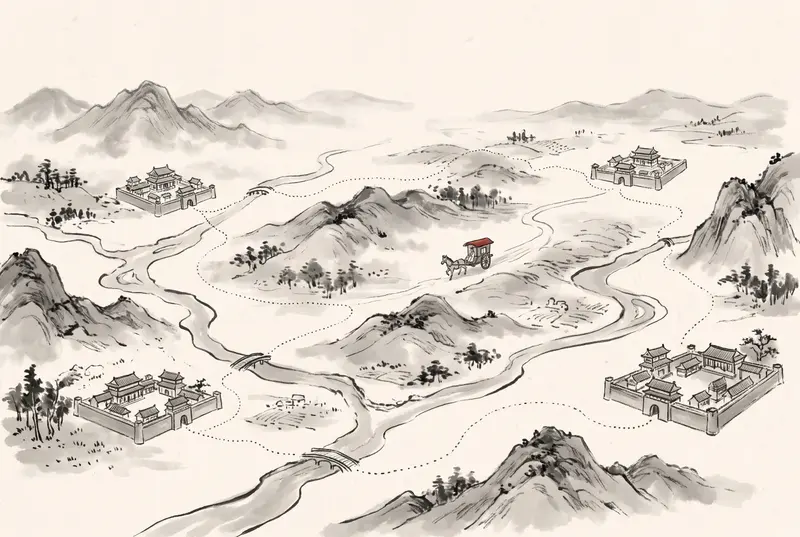
子貢因去之晉,謂晉君曰:「臣聞之,慮不先定不可以應卒,兵不先辨不可以勝敵。今夫齊與吳將戰,彼戰而不勝,越亂之必矣;與齊戰而勝,必以其兵臨晉。」晉君大恐,曰:「爲之柰何?」子貢曰:「修兵休卒以待之。」晉君許諾。子貢去而之魯。吳王果與齊人戰於艾陵,大破齊師,獲七將軍之兵而不歸,果以兵臨晉,與晉人相遇黃池之上。吳晉爭彊。晉人擊之,大敗吳師。越王聞之,涉江襲吳,去城七里而軍。吳王聞之,去晉而歸,與越戰於五湖。三戰不勝,城門不守,越遂圍王宮,殺夫差而戮其相。破吳三年,東向而霸。故子貢一出,存魯,亂齊,破吳,彊晉而霸越。子貢一使,使勢相破,十年之中,五國各有變。子貢好廢舉,與時轉貨貲。喜揚人之美,不能匿人之過。常相魯衞,家累千金,卒終於齊。
Kundoku (Japanese reading)
子貢因りて去りて晋に之き、晋君に謂いて曰く、「臣之を聞く、慮り先に定まらざれば以て卒に応ずべからず、兵先に辨ぜざれば以て敵に勝つべからずと。今夫れ斉と呉と将に戦わんとす。彼戦いて勝たずんば、越之を乱すこと必せり。斉と戦いて勝たば、必ず其の兵を以て晋に臨まん」と。晋君大いに恐れて曰く、「之を為すこと柰何」と。子貢曰く、「兵を修め卒を休めて以て之を待て」と。晋君許諾す。子貢去りて魯に之く。呉王果たして斉人と艾陵に戦い、大いに斉の師を破り、七将軍の兵を獲て帰らず。果たして兵を以て晋に臨み、晋人と黄池の上に相遇う。呉と晋と彊を争う。晋人之を撃ち、大いに呉の師を敗る。越王之を聞き、江を渉りて呉を襲い、城を去ること七里にして軍す。呉王之を聞き、晋を去りて帰り、越と五湖に戦う。三たび戦いて勝たず、城門守られず。越遂に王宮を囲み、夫差を殺して其の相を戮す。呉を破ること三年にして、東向して覇たり。故に子貢一たび出でて、魯を存し、斉を乱し、呉を破り、晋を彊くして越を覇たらしむ。子貢一たび使いして、勢いをして相破らしめ、十年の中、五国各々変有り。子貢は廃挙を好み、時と貨貲を転ず。喜んで人の美を揚げ、人の過ちを匿す能わず。常に魯衛に相たり、家に千金を累ね、卒に斉に終わる。
Japanese
子貢はそこを去って晋へ行き、晋の君主に言った。「あらかじめ考えが定まっていなければ急な事態に応じられず、あらかじめ兵を備えていなければ敵に勝てません。いま斉と呉が戦おうとしています。呉が負ければ越が呉を乱すでしょう。呉が斉に勝てば、必ず兵を晋に向けます」。晋の君主は大いに恐れて言った。「どうすればよいのか」。子貢は言った。「武器を整え、兵を休ませて待ちなさい」。晋の君主は承知した。子貢は魯へ帰った。果たして呉王は艾陵で斉と戦って大いに破り、七人の将軍の兵を捕らえ、帰らずに兵を晋へ向け、黄池で晋と出会った。呉と晋が強さを争い、晋は呉軍を大いに破った。越王はこれを聞くと長江を渡って呉を襲い、都から七里のところに陣を敷いた。呉王は晋から引き返して越と五湖で戦ったが、三度戦って勝てず、城門も守れなかった。越はついに王宮を囲み、夫差を殺して宰相を処刑した。呉を破って三年で、東方の覇者となった。こうして子貢が一度出かけただけで、魯は救われ、斉は乱れ、呉は破れ、晋は強くなり、越は覇者となった。子貢の一度の使いが諸国の勢いをぶつけ合わせ、十年のうちに五つの国それぞれに大きな変化が起きた。子貢は安いときに買い高いときに売るのを好み、時勢に応じて財を動かした。人の美点をほめるのを喜び、人の過ちを隠せない性格だった。魯と衛の宰相を務め、家には千金を積み、最後は斉で亡くなった。
English
Zigong then went on to Jin and said to its ruler: "I have heard that one who has not settled his plans in advance cannot meet a sudden crisis, and one who has not readied his troops in advance cannot defeat an enemy. Now Qi and Wu are about to fight. If Wu loses, Yue will surely throw it into chaos. If Wu beats Qi, it will surely turn its army on Jin." The lord of Jin was badly frightened and said: "What should I do?" Zigong said: "Put your weapons in order, rest your men and wait." The lord of Jin agreed. Zigong left and returned to Lu. The King of Wu did fight the men of Qi at Ailing and crushed them, capturing the troops of seven generals. He did not go home but marched on Jin as predicted, and met the Jin army at Huangchi. Wu and Jin contended for supremacy, and Jin struck and badly defeated Wu. When the King of Yue heard this he crossed the river, fell on Wu and camped seven li from its capital. The King of Wu left Jin and hurried home and fought Yue at the Five Lakes. He fought three times and lost each time, and could not hold the city gates. Yue surrounded the palace at last, killed Fuchai and put his chief minister to death. Three years after destroying Wu, Yue turned east and became hegemon. So by going out once, Zigong saved Lu, threw Qi into disorder, destroyed Wu, strengthened Jin and made Yue a hegemon. By a single mission he set the powers against one another, and within ten years each of the five states had changed. Zigong loved to buy cheap and sell dear, moving his goods with the times. He delighted in praising the good in others and could not cover up their faults. He often served as chancellor in Lu and Wey, piled up a fortune of a thousand in gold, and ended his days in Qi.
Notes (JA)
- 艾陵: 前484年に呉が斉を破った地。
- 黃池: 前482年の会盟の地。「晋が呉を破った」というのは史実と異なるとされる。
- 五湖: 太湖のあたり。
- 廢舉: 安く買い高く売る商い。
Notes (EN)
- Ailing: where Wu beat Qi in 484 BCE.
- Huangchi: the meeting of 482 BCE. Other records do not say that Jin defeated Wu there.
- Buy cheap and sell dear (廢舉): the art of the merchant; see Volume 129.
Word notes
- predicted/prɪˈdɪktɪd/verb
said what will happen
In the text: “as predicted”
Similar words: foretold — said beforehand · forecast — said what would come
Passage 12
Original
言偃,吳人,字子游。少孔子四十五歳。子游既已受業,爲武城宰。孔子過,聞弦歌之聲。孔子莞爾而笑曰:「割鷄焉用牛刀?」子游曰:「昔者偃聞諸夫子曰,君子學道則愛人,小人學道則易使。」孔子曰:「二三子,偃之言是也。前言戲之耳。」孔子以爲子游習於文學。
Kundoku (Japanese reading)
言偃は、呉の人、字は子游。孔子より少きこと四十五歳。子游既已に業を受け、武城の宰と為る。孔子過ぎり、弦歌の声を聞く。孔子莞爾として笑いて曰く、「鶏を割くに焉んぞ牛刀を用いん」と。子游曰く、「昔者偃諸を夫子に聞けり、曰く、君子道を学べば則ち人を愛し、小人道を学べば則ち使い易しと」と。孔子曰く、「二三子、偃の言是なり。前言は之に戯れしのみ」と。孔子以て子游は文学に習えりと為す。
Japanese
言偃は呉の人で、字は子游、孔子より四十五歳若い。教えを受けたあと、武城の長官になった。孔子が立ち寄ると、町に琴を弾いて歌う声が聞こえた。孔子はにっこり笑って言った。「鶏をさばくのに、なぜ牛刀を使うのかね」。子游は言った。「以前、先生からうかがいました。君子が道を学べば人を愛し、民が道を学べば治めやすくなると」。孔子は言った。「諸君、偃の言うとおりだ。さっきの言葉は冗談だよ」。孔子は子游が学問に通じていると認めた。
English
Yan Yan, courtesy name Ziyou, was a man of Wu, forty-five years younger than Confucius. After his studies he became magistrate of Wucheng. When Confucius passed through, he heard the sound of lutes and singing. Confucius smiled and said: "Why use an ox cleaver to kill a chicken?" Ziyou said: "I once heard you say, Master, that when a gentleman studies the Way he loves others, and when common people study the Way they are easy to lead." Confucius said: "My friends, what Yan says is right. I was only joking just now." Confucius considered Ziyou well versed in learning.
Notes (JA)
- 武城: 魯の町。
- 弦歌: 琴に合わせて歌う。礼楽による政治のしるし。
- 割鷄焉用牛刀: 「鶏を割くに焉んぞ牛刀を用いん」。『論語』陽貨篇。
Notes (EN)
- Lutes and singing: a sign that the town was being governed by rites and music.
- "Why use an ox cleaver to kill a chicken?": Analects 17.4, a phrase for using too much force on a small task.
Idioms from this passage: Why use an ox cleaver to kill a chicken? 鶏を割くに焉んぞ牛刀を用いん
Word notes
- cleaver/ˈklivər/noun
a large heavy knife for meat
In the text: “an ox cleaver”
Similar words: chopper — a tool for cutting · butcher's knife — a knife for meat
Passage 13
Original
澹臺滅明,武城人,字子羽。少孔子三十九歳。狀貌甚惡。欲事孔子,孔子以爲材薄。既已受業,退而修行,行不由徑,非公事不見卿大夫。南遊至江,從弟子三百人,設取予去就,名施乎諸侯。孔子聞之,曰:「吾以言取人,失之宰予;以貌取人,失之子羽。」
Kundoku (Japanese reading)
澹台滅明は、武城の人、字は子羽。孔子より少きこと三十九歳。状貌甚だ悪し。孔子に事えんと欲す。孔子以て材薄しと為す。既已に業を受け、退きて行いを修め、行くに径に由らず、公事に非ざれば卿大夫に見えず。南遊して江に至り、従う弟子三百人、取予去就を設け、名諸侯に施す。孔子之を聞きて、曰く、「吾言を以て人を取りて、之を宰予に失い、貌を以て人を取りて、之を子羽に失う」と。
Japanese
澹台滅明は武城の人で、字は子羽、孔子より三十九歳若い。容貌がひどく醜かった。孔子に仕えたいと願ったが、孔子は才能が乏しいと思った。教えを受けたあと、退いて行いを修め、歩くにも近道をせず、公の用事がなければ高官に会わなかった。南へ旅して長江に至ると、従う弟子は三百人になり、やりとりの筋を通して、その名は諸侯に知られた。孔子はこれを聞いて言った。「私は言葉で人を判断して宰予で失敗し、容貌で人を判断して子羽で失敗した」。
English
Tantai Mieming, courtesy name Ziyu, was a man of Wucheng, thirty-nine years younger than Confucius. He was very ugly. When he wanted to serve Confucius, Confucius thought he had little talent. After he had received the teaching, he withdrew and worked on his conduct. He never took shortcuts when he walked, and did not call on high officials unless on public business. He traveled south to the Yangtze with three hundred followers. He set clear rules about what to accept and when to leave, and his name became known among the lords. When Confucius heard this he said: "I judged a man by his words and was wrong about Zai Yu. I judged a man by his looks and was wrong about Ziyu."
Notes (JA)
- 行不由徑: 近道をしない。正道を歩むこと。『論語』雍也篇。
- 以貌取人: 容貌で人を判断する。今も使われる言葉。
Notes (EN)
- Never took shortcuts (行不由徑): Analects 6.14.
- Judged by his looks (以貌取人): a phrase still in common use.
Idioms from this passage: Judge people by their looks 貌を以て人を取る
Word notes
- shortcut/ˈʃɔrtˌkʌt/noun
a quicker way to go
In the text: “He never took shortcuts”
Similar words: bypass — a way around · short way — a faster route
Passage 14
Original
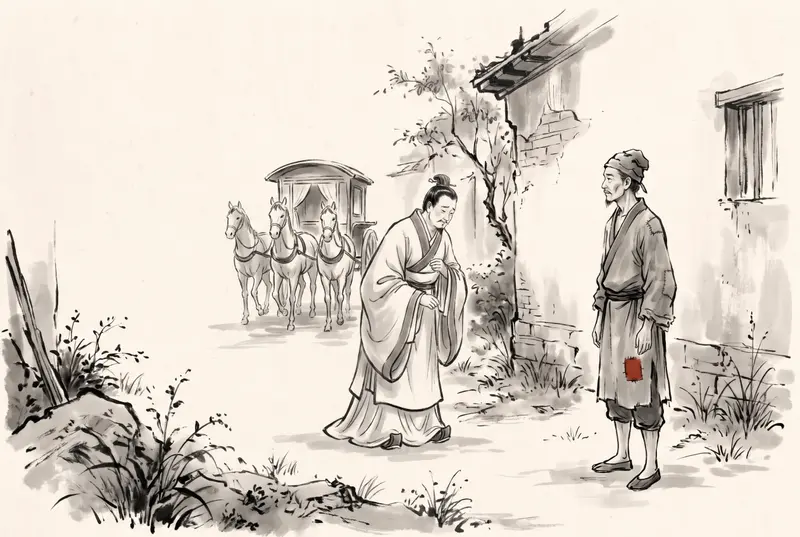
原憲字子思。孔子卒,原憲遂亡在草澤中。子貢相衞,而結駟連騎,排藜藿入窮閻,過謝原憲。憲攝敝衣冠見子貢。子貢恥之,曰:「夫子豈病乎?」原憲曰:「吾聞之,無財者謂之貧,學道而不能行者謂之病。若憲,貧也,非病也。」子貢慚,不懌而去,終身恥其言之過也。
Kundoku (Japanese reading)
原憲、字は子思。孔子卒し、原憲遂に亡げて草沢の中に在り。子貢衛に相たりて、駟を結び騎を連ね、藜藿を排して窮閻に入り、過ぎりて原憲を謝す。憲敝れたる衣冠を摂めて子貢に見ゆ。子貢之を恥じて、曰く、「夫子豈に病めるか」と。原憲曰く、「吾之を聞く、財無き者は之を貧と謂い、道を学びて行う能わざる者は之を病と謂うと。憲の若きは、貧なり、病に非ざるなり」と。子貢慚じ、懌ばずして去り、身を終うるまで其の言の過ちを恥ず。
Japanese
原憲、字は子思。孔子が亡くなると、原憲は身を隠して草深い沢の中に住んだ。子貢は衛の宰相となると、四頭立ての馬車に騎馬の列を連ね、雑草をかき分けて貧しい路地に入り、原憲を訪ねた。原憲は破れた衣と冠を整えて子貢に会った。子貢は恥ずかしく思って言った。「先生、お具合でも悪いのですか」。原憲は言った。「財がないのを貧といい、道を学びながら行えないのを病というと聞く。私は貧しいのであって、病ではない」。子貢は恥じ入り、不機嫌に去って、生涯この失言を恥じた。
English
Yuan Xian, courtesy name Zisi, went into hiding in the wild marshes after Confucius died. When Zigong was chancellor of Wey, he came with a four-horse carriage and a train of riders, pushing through the weeds into a wretched alley, to call on Yuan Xian. Xian put his ragged robe and cap in order and received him. Zigong was embarrassed for him and said: "Are you ill, sir?" Yuan Xian said: "I have heard that to have no money is called being poor, and to study the Way and not practice it is called being ill. I am poor, but I am not ill." Zigong was ashamed and left in low spirits, and all his life he regretted those words.
Notes (JA)
- 原憲: 巻124 p1 で司馬遷が名を挙げた清貧の人。孔子の孫の子思とは別人。
- 藜藿: あかざと豆の葉。雑草や粗末な食事。
- 窮閻: 貧しい路地。
Notes (EN)
- Yuan Xian: the poor scholar named at the start of Volume 124. He is not Confucius's grandson Zisi.
Word notes
- ragged/ˈræɡɪd/adjective
old and torn
In the text: “his ragged robe”
Similar words: tattered — torn in pieces · shabby — old and worn
Passage 15
Original
孔子既沒,弟子思慕,有若狀似孔子,弟子相與共立爲師,師之如夫子時也。他日,弟子進問曰:「昔夫子當行,使弟子持雨具,已而果雨。弟子問曰:『夫子何以知之?』夫子曰:『《詩》不云乎?「月離于畢,俾滂沱矣。」昨暮月不宿畢乎?』他日,月宿畢,竟不雨。商瞿年長無子,其母爲取室。孔子使之齊,瞿母請之。孔子曰:『無憂,瞿年四十後當有五丈夫子。』已而果然。問夫子何以知此?」有若默然無以應。弟子起曰:「有子避之,此非子之座也!」
Kundoku (Japanese reading)
孔子既に没し、弟子思慕す。有若の状孔子に似たり。弟子相与に共に立てて師と為し、之を師とすること夫子の時の如くす。他日、弟子進みて問いて曰く、「昔夫子当に行かんとするに、弟子をして雨具を持たしむ。已にして果たして雨ふる。弟子問いて曰く、『夫子何を以て之を知る』と。夫子曰く、『詩に云わずや、「月畢に離かれば、滂沱たらしむ」と。昨暮月畢に宿らずや』と。他日、月畢に宿るも、竟に雨ふらず。商瞿年長じて子無し。其の母為に室を取る。孔子之を斉に使いせしむ。瞿の母之を請う。孔子曰く、『憂うる無かれ。瞿は年四十の後に当に五丈夫の子有るべし』と。已にして果たして然り。問う、夫子何を以て此を知りたる」と。有若黙然として以て応うる無し。弟子起ちて曰く、「有子之を避けよ。此れ子の座に非ざるなり」と。
Japanese
孔子が亡くなると、弟子たちは師を慕った。有若は姿が孔子に似ていたので、弟子たちは相談して彼を師に立て、孔子のときと同じように仕えた。ある日、弟子が進み出て尋ねた。「昔、先生が出かけるとき、弟子に雨具を持たせました。すると果たして雨が降りました。弟子が『先生はどうしてわかったのですか』と尋ねると、先生は『『詩経』に「月が畢の星にかかると大雨になる」とあるではないか。昨夜、月は畢に宿っていただろう』と言われました。ところが別の日、月が畢に宿っても雨は降りませんでした。また商瞿は年をとっても子がなく、母が妻をめとらせました。孔子が彼を斉へ使いに出そうとすると、母が取りやめを願いました。孔子は『心配いりません。瞿は四十を過ぎたら五人の男の子を持つでしょう』と言われ、そのとおりになりました。先生はどうしてこれらのことがわかったのでしょうか」。有若は黙り込んで答えられなかった。弟子たちは立ち上がって言った。「有先生、おどきください。ここはあなたの座る席ではありません」。
English
After Confucius died, his students longed for him. You Ruo looked like Confucius, so they agreed to set him up as their teacher and treat him as they had treated the Master. One day a student came forward and asked: "Once when the Master was about to set out, he told us to bring rain gear, and sure enough it rained. We asked him: 'How did you know?' He said: 'Does the Book of Songs not say, When the moon is in the Net, there will be a downpour? Last night the moon was in the Net.' Yet on another day the moon was in the Net and it never rained. And Shang Qu was getting old and had no son, so his mother found him a wife. When Confucius was to send him to Qi, his mother asked him not to. Confucius said: 'Do not worry. After forty, Qu will have five sons.' And so he did. How did the Master know these things?" You Ruo was silent and could not answer. The students rose and said: "Master You, step down. This is not your seat."
Notes (JA)
- 有若: 孔子の弟子。『論語』では有子と呼ばれる。
- 畢: 二十八宿の一つ。雨に関わるとされた。
- 月離于畢: 『詩経』小雅「漸漸之石」の句。
- 商瞿: 孔子から『易』を受け継いだ弟子。
- 姿は似せられても、師の代わりはできないという話。
Notes (EN)
- You Ruo: called Master You in the Analects.
- The Net (畢): one of the twenty-eight lunar mansions, associated with rain.
- The story shows that a likeness cannot replace a teacher.
Word notes
- downpour/ˈdaʊnˌpɔr/noun
heavy rain
In the text: “there will be a downpour”
Similar words: deluge — great flood of rain · cloudburst — sudden heavy rain
Passage 16
Original
太史公曰:學者多稱七十子之徒,譽者或過其實,毀者或損其真,鈞之未睹厥容貌,則論言弟子籍,出孔氏古文近是。余以弟子名姓文字悉取論語弟子問并次爲篇,疑者闕焉。
Kundoku (Japanese reading)
太史公曰く、学者多く七十子の徒を称するに、誉むる者は或いは其の実に過ぎ、毀る者は或いは其の真を損う。鈞しく未だ厥の容貌を睹ず。則ち弟子籍を論言するは、孔氏の古文より出づるもの是に近し。余弟子の名姓文字を以て悉く論語の弟子の問いを取りて并せ次して篇と為す。疑わしき者は闕く。
Japanese
太史公は言う。学者たちは七十人の弟子をよく話題にするが、ほめる者はときに実際以上にほめ、そしる者はときに真実を損なう。どちらも彼らの姿を見たわけではない。弟子の名簿については、孔氏の家に伝わった古文の記録が真実に近いだろう。私は弟子の名と字について、すべて『論語』の弟子の問答から取って並べてこの篇を作り、疑わしいものは省いた。
English
The Grand Historian says: Scholars often speak of the seventy disciples. Those who praise them sometimes go beyond the facts, and those who disparage them sometimes distort the truth, and neither has ever seen their faces. For a record of the disciples, the old-script texts handed down in the Kong family come closest. I have taken their names and styles, together with the disciples' questions in the Analects, and put them in order in this chapter, leaving out what is doubtful.
Notes (JA)
- 七十子: 孔子の主な弟子たち。
- 古文: 漢代より前の文字で書かれた書物。
- 疑者闕焉: 疑わしいことは書かない。司馬遷の歴史家としての態度。
Notes (EN)
- Old-script texts (古文): books written in the characters used before the Han.
- Leaving out what is doubtful (疑者闕焉): a principle of Sima Qian's work as a historian.
Word notes
- disparage/dɪˈspærɪdʒ/verb
to speak of as unimportant
In the text: “those who disparage them”
Similar words: belittle — make seem small · run down — criticize