Biographies · Vol. 81
Biographies of Lian Po and Lin Xiangru 廉頗藺相如列傳
Returning the Jade Intact to Zhao 完璧歸趙
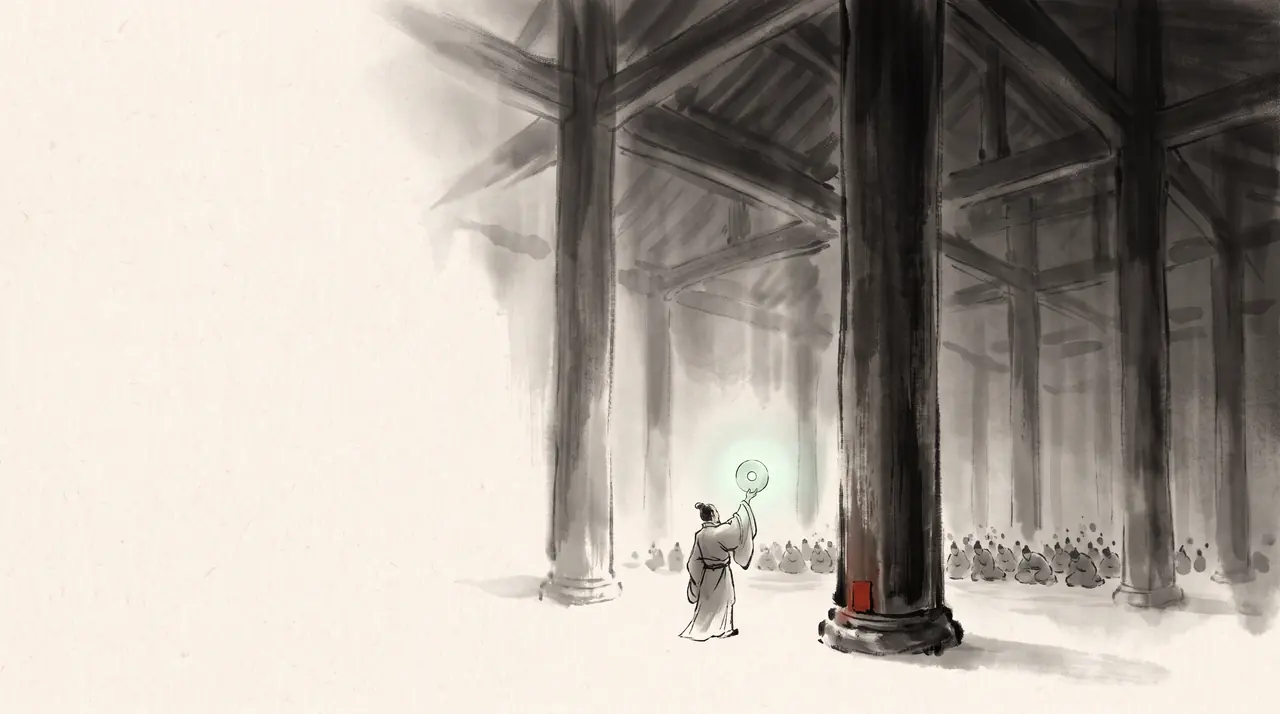
The King of Qin offers fifteen cities for the famous jade disc of Mr. He. The envoy Lin Xiangru, by wit and nerve, brings the disc back to Zhao intact. This scene gave Chinese and Japanese their word for "perfect".
This page has the scene "Returning the Jade Intact to Zhao" from this volume, not the whole volume.
Audio
The audio is synthetic speech.
Video
Passage 1
Original
趙惠文王時,得楚和氏璧。秦昭王聞之,使人遺趙王書,原以十五城請易璧。趙王與大將軍廉頗諸大臣謀:欲予秦,秦城恐不可得,徒見欺;欲勿予,即患秦兵之來。計未定,求人可使報秦者,未得。
Kundoku (Japanese reading)
趙の恵文王の時、楚の和氏の璧を得たり。秦の昭王之を聞き、人をして趙王に書を遺らしめ、願わくは十五城を以て璧に易えんことを請う。趙王、大将軍廉頗・諸大臣と謀る。秦に予えんと欲すれば、秦の城は恐らくは得べからず、徒らに欺かれん。予うる勿からんと欲すれば、即ち秦兵の来たらんことを患う。計未だ定まらず、人の秦に報ずるに使いすべき者を求むるも、未だ得ず。
Japanese
趙の恵文王の時代に、趙は楚の「和氏の璧」を手に入れた。秦の昭王はこれを聞くと、使者に趙王あての手紙を届けさせ、十五の城と璧を交換したいと申し入れた。趙王は大将軍の廉頗や大臣たちと相談した。秦に璧を渡せば、秦の城はおそらく手に入らず、ただだまされるだけだろう。渡さなければ、秦の軍が攻めてくるおそれがある。方針が決まらず、秦への返答の使者にふさわしい人を探したが、見つからなかった。
English
In the time of King Huiwen of Zhao, Zhao obtained the jade disc of Mr. He, which had come from Chu. King Zhaoxiang of Qin heard of it and sent a letter to the King of Zhao, offering fifteen cities in exchange for the disc. The King of Zhao discussed it with his chief general Lian Po and his ministers. If they gave the disc to Qin, they would probably never get the cities and would simply be cheated. If they refused, they feared that Qin's armies would come. No decision was reached, and they looked for someone who could go to Qin with the reply, but found no one.
Notes (JA)
- 趙の恵文王: 戦国時代の趙の王(在位 前298〜前266年)。
- 和氏の璧: 楚の卞和が見いだしたと伝えられる名玉。「璧」は中央に穴のある円盤形の玉器。
- 秦の昭王: 昭襄王。国名の趙(Zhào)と、王の名の昭(Zhāo)は別の字。
- 原以十五城: 「原」は「願」の意味で読む(このテキストの字のまま載せた)。
- 廉頗: 趙の名将。この巻の後半で、相如と「刎頸の交わり」を結ぶ。
Notes (EN)
- King Huiwen of Zhao: a Warring States ruler (reigned 298–266 BCE).
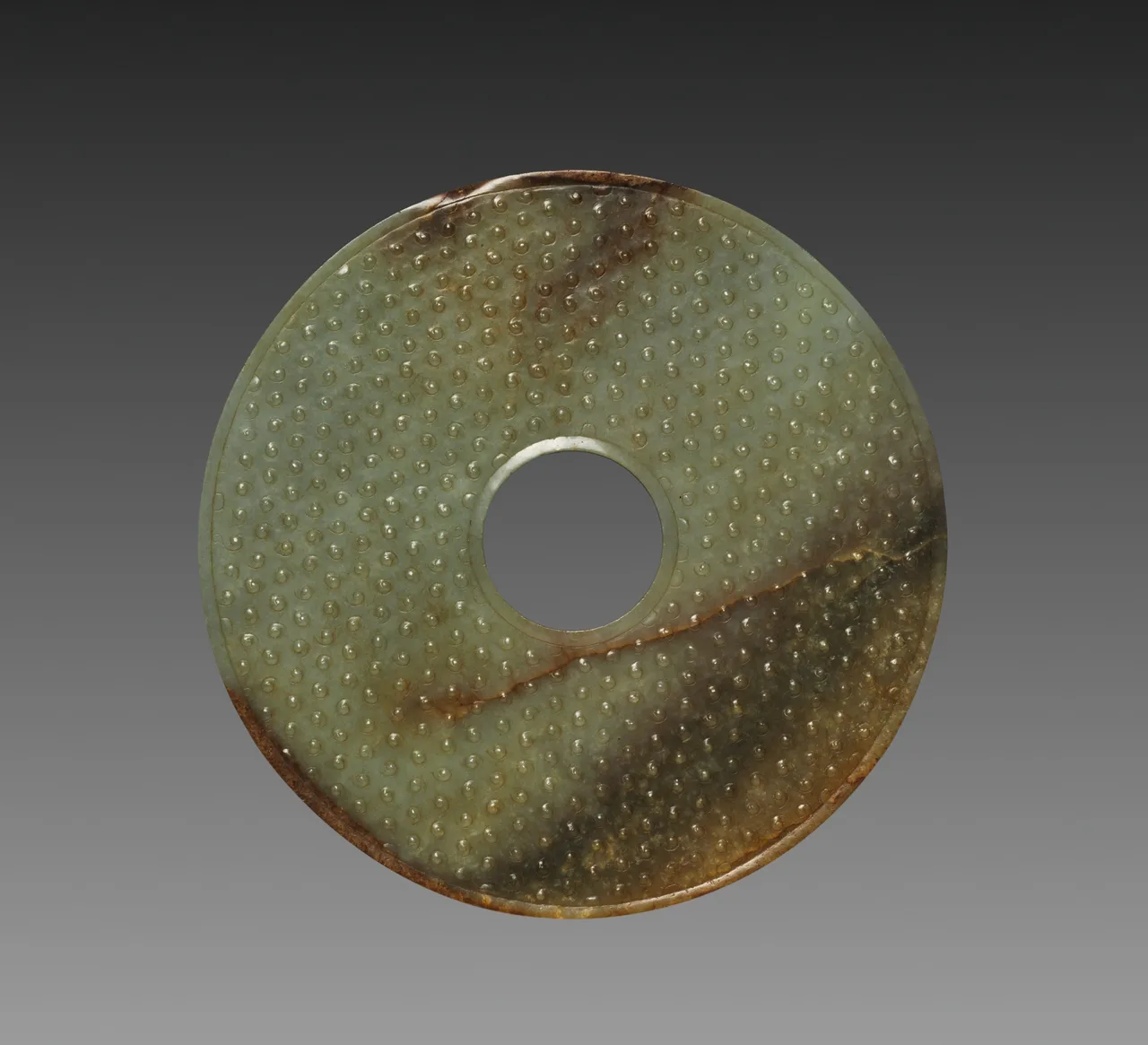
- The jade disc of Mr. He: a famous jade said to have been found by Bian He of Chu. A 璧 is a flat jade disc with a hole in the middle.
- King Zhaoxiang of Qin: the text calls him 昭王. Do not confuse 昭 (Zhāo), part of his title, with the state of Zhao (趙, Zhào).
- 原以十五城: 原 is read as 願, "wishing to" (kept as in this text).
- Lian Po: Zhao's great general. Later in this volume he and Xiangru become "friends who would die for each other".
Word notes
- in exchange for/ɪn ɪksˈtʃeɪndʒ fər/phrase
as payment for; in return for
In the text: “offering fifteen cities in exchange for the disc”
Similar words: in return for — the same meaning, less formal · for — the simplest way to say it
- cheat/tʃiːt/verb
to get something from someone by dishonest tricks
In the text: “would simply be cheated”
Similar words: swindle — cheat someone out of money or goods · trick — fool someone, perhaps only for fun
Passage 2
Original
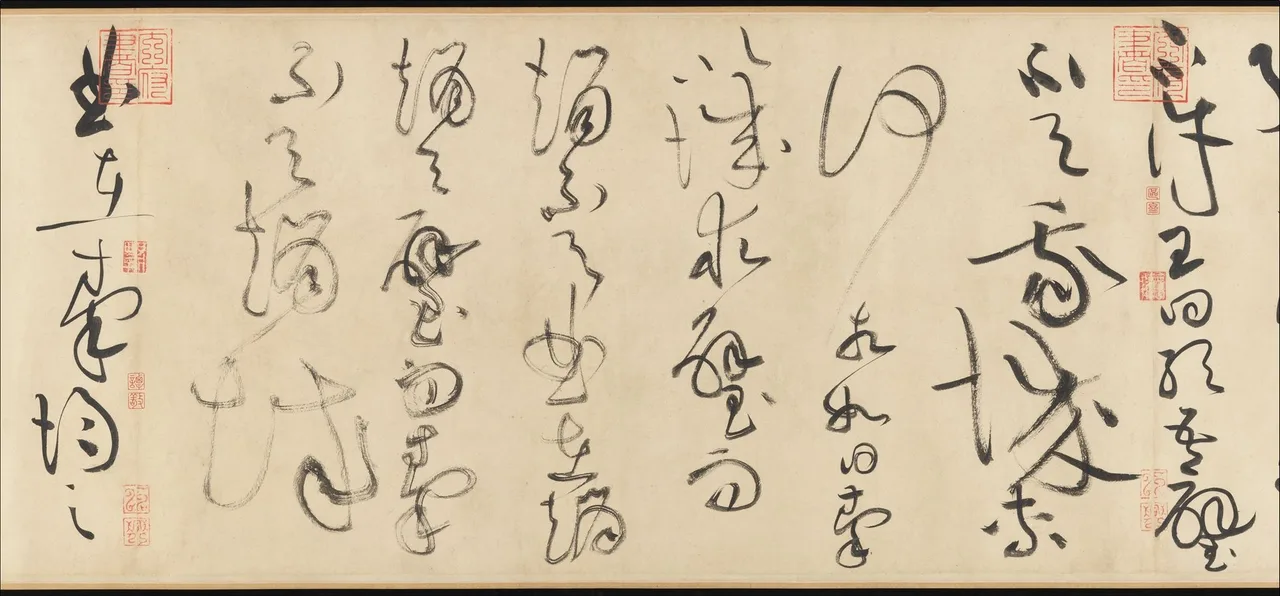
宦者令繆賢曰:「臣舍人藺相如可使。」王問:「何以知之?」對曰:「臣嘗有罪,竊計欲亡走燕,臣舍人相如止臣,曰:『君何以知燕王?』臣語曰:『臣嘗從大王與燕王會境上,燕王私握臣手,曰「願結友」。以此知之,故欲往。』相如謂臣曰:『夫趙彊而燕弱,而君幸於趙王,故燕王欲結於君。今君乃亡趙走燕,燕畏趙,其勢必不敢留君,而束君歸趙矣。君不如肉袒伏斧質請罪,則幸得脱矣。』臣從其計,大王亦幸赦臣。臣竊以爲其人勇士,有智謀,宜可使。」
Kundoku (Japanese reading)
宦者令の繆賢曰く、「臣が舎人藺相如、使いすべし」と。王問う、「何を以て之を知る」と。対えて曰く、「臣嘗て罪有り、窃かに計りて燕に亡げ走らんと欲す。臣が舎人相如、臣を止めて曰く、『君何を以て燕王を知る』と。臣語りて曰く、『臣嘗て大王に従いて燕王と境上に会す。燕王私かに臣の手を握りて曰く、「願わくは友を結ばん」と。此を以て之を知る。故に往かんと欲す』と。相如臣に謂いて曰く、『夫れ趙は彊くして燕は弱し。而して君は趙王に幸せらる。故に燕王君に結ばんと欲す。今君乃ち趙を亡げて燕に走らば、燕は趙を畏れ、其の勢い必ず敢えて君を留めずして、君を束ねて趙に帰さん。君肉袒して斧質に伏し罪を請うに如かず。則ち幸いに脱るるを得ん』と。臣其の計に従い、大王も亦た幸いに臣を赦せり。臣窃かに以為えらく、其の人は勇士にして、智謀有り、宜しく使いすべし」と。
Japanese
宦者令(宦官の長)の繆賢が言った。「私の舎人(家来)の藺相如なら、使者が務まります。」王は尋ねた。「どうしてそれが分かるのか。」繆賢は答えた。「私は以前、罪を犯したとき、ひそかに燕へ逃げようと考えました。すると舎人の相如が私を止めて、『あなたはどうして燕王のことを知っているのですか』と聞きました。私は『以前、大王のお供で国境で燕王と会ったとき、燕王がこっそり私の手を握って「友になりたい」と言った。それで知っているのだ。だから行こうと思う』と話しました。相如は私に言いました。『趙は強く燕は弱い。そしてあなたは趙王に気に入られていた。だから燕王はあなたと結ぼうとしたのです。いま、あなたが趙から逃げて燕へ行けば、燕は趙を恐れて、あなたをかくまうことなどできず、縛って趙へ送り返すでしょう。それより、肌脱ぎになって処刑台に伏し、罪を詫びたほうがよい。そうすれば運よく許されるかもしれません。』私がその計に従うと、大王も幸いにお許しくださいました。私はひそかに、この人は勇気があり、知恵と計略もあると思っております。使者にふさわしいでしょう。」
English
Miao Xian, the chief of the palace eunuchs, said, "My retainer Lin Xiangru could be sent." The king asked, "How do you know?" He replied, "Once, when I had committed an offense, I secretly planned to flee to Yan. My retainer Xiangru stopped me and asked, 'How do you know the King of Yan?' I told him, 'I once went with Your Majesty to meet the King of Yan at the border, and he privately took my hand and said, "Let us be friends." That is how I know him, and why I want to go.' Xiangru said to me, 'Zhao is strong and Yan is weak, and you were in favor with the King of Zhao. That is why the King of Yan wanted to be friends with you. If you now flee Zhao for Yan, Yan will fear Zhao. It will not dare to keep you, and will tie you up and send you back. You would do better to bare your shoulders, lie down on the executioner's block and ask to be punished. Then you may be lucky enough to be spared.' I followed his advice, and Your Majesty was kind enough to pardon me. I humbly believe he is a brave man with wisdom and good judgment. He is the right person to send."
Notes (JA)
- 宦者令: 宮中の宦官をたばねる役職。
- 舎人: 有力者の家に仕える家来・食客。
- 肉袒伏斧質: 肩を肌脱ぎにして首切り台に伏す。罪を認めて処罰を願う作法。
- この逸話は、相如が力関係を冷静に読む人物であることを示す前置きになっている。
Notes (EN)
- 宦者令: the official in charge of the palace eunuchs.
- 舍人: a retainer living in a powerful man's household.
- 肉袒伏斧質: baring the shoulders and lying on the executioner's block, a way of admitting guilt and asking for punishment.
- This story introduces Xiangru as a man who reads the balance of power coolly.
Word notes
- retainer/rɪˈteɪnər/noun
a person who lives in and serves a powerful household
In the text: “My retainer Lin Xiangru could be sent.”
Similar words: servant — someone who does work in a house · follower — someone who supports a leader
- offense/əˈfɛns/noun
a crime or a wrong act
In the text: “when I had committed an offense”
Similar words: crime — an act against the law · wrongdoing — bad or illegal behavior
British spelling: offence.
- executioner/ˌɛksəˈkjuːʃənər/noun
a person whose job is to put criminals to death
In the text: “lie down on the executioner's block”
Similar words: headsman — old word for one who beheads criminals · hangman — one who executes by hanging
- pardon/ˈpɑrdən/verb
to officially forgive someone and not punish them
In the text: “Your Majesty was kind enough to pardon me”
Similar words: forgive — stop being angry with someone · spare — choose not to harm or kill
"Pardon?" also means "Could you say that again?"
Passage 3
Original
於是王召見,問藺相如曰:「秦王以十五城請易寡人之璧,可予不?」相如曰:「秦彊而趙弱,不可不許。」王曰:「取吾璧,不予我城,奈何?」相如曰:「秦以城求璧而趙不許,曲在趙。趙予璧而秦不予趙城,曲在秦。均之二策,甯許以負秦曲。」王曰:「誰可使者?」相如曰:「王必無人,臣願奉璧往使。城入趙而璧留秦;城不入,臣請完璧歸趙。」趙王於是遂遣相如奉璧西入秦。
Kundoku (Japanese reading)
是に於いて王召見し、藺相如に問いて曰く、「秦王十五城を以て寡人の璧に易えんことを請う。予うべきや不や」と。相如曰く、「秦は彊くして趙は弱し。許さざるべからず」と。王曰く、「吾が璧を取りて、我に城を予えずんば、奈何せん」と。相如曰く、「秦城を以て璧を求めて趙許さずんば、曲は趙に在り。趙璧を予えて秦趙に城を予えずんば、曲は秦に在り。之の二策を均しくするに、寧ろ許して以て秦に曲を負わしめん」と。王曰く、「誰か使いすべき者ぞ」と。相如曰く、「王必ず人無くんば、臣願わくは璧を奉じて往きて使いせん。城趙に入らば璧は秦に留めん。城入らずんば、臣請う、璧を完うして趙に帰らん」と。趙王是に於いて遂に相如をして璧を奉じて西のかた秦に入らしむ。
Japanese
そこで王は相如を呼び寄せて尋ねた。「秦王が十五の城と私の璧を交換したいと言ってきた。渡すべきだろうか。」相如は言った。「秦は強く趙は弱い。承知しないわけにはいきません。」王は言った。「璧を取られて、城をくれなかったらどうする。」相如は言った。「秦が城と引き換えに璧を求めているのに趙が断れば、非は趙にあります。趙が璧を渡しても秦が城をよこさなければ、非は秦にあります。二つの策を比べれば、承知して、非を秦に負わせるほうがよいでしょう。」王は言った。「誰を使者にすればよいか。」相如は言った。「大王にほかに人がいないのでしたら、私が璧を捧げて使者として参りましょう。城が趙のものになれば、璧は秦に置いてきます。城が手に入らなければ、璧を無傷のまま趙へ持ち帰ってまいります。」趙王はそこで相如に璧を持たせ、西の秦へ向かわせた。
English
So the king summoned Lin Xiangru and asked him, "The King of Qin offers fifteen cities for my jade disc. Should I give it to him?" Xiangru said, "Qin is strong and Zhao is weak. We cannot refuse." The king said, "What if he takes my disc and does not give me the cities?" Xiangru said, "If Qin offers cities for the disc and Zhao refuses, Zhao is in the wrong. If Zhao gives the disc and Qin does not give the cities, Qin is in the wrong. Weighing the two, it is better to agree and leave Qin in the wrong." The king said, "Who can be sent?" Xiangru said, "If Your Majesty truly has no one else, I will carry the disc and go as envoy. If the cities come to Zhao, the disc will stay in Qin. If they do not, I promise to bring the disc back to Zhao intact." So the King of Zhao sent Xiangru west into Qin with the disc.
Notes (JA)
- 寡人: 王侯が自分をへりくだって言う一人称。
- 曲: 道理に外れていること、非。
- 甯: 「寧」と同じで、「むしろ」。
- 完璧帰趙: 「璧を完うして趙に帰らん」。ここから「完璧」(欠けたところがない)という言葉が生まれた。
Notes (EN)
- 寡人 ("this lesser person"): a ruler's humble word for "I".
- 曲: being in the wrong.
- 甯: the same as 寧, "rather".
- 完璧歸趙 ("bring the disc back to Zhao intact"): the source of the word 完璧 (wánbì in Chinese, kanpeki in Japanese), "perfect, flawless".
Idioms from this passage: Returning the jade intact 完璧
Word notes
- in the wrong/ɪn ðə ˈrɔŋ/phrase
responsible for a mistake or an unfair act
In the text: “Zhao is in the wrong”
Similar words: at fault — to blame for something · to blame — responsible for something bad
- intact/ɪnˈtækt/adjective
complete and not damaged
In the text: “to bring the disc back to Zhao intact”
Similar words: whole — with no part missing · undamaged — not harmed in any way
- envoy/ˈɛnvɔɪ/noun
a person sent by a ruler to deliver a message or make an agreement
In the text: “I will carry the disc and go as envoy”
Similar words: messenger — someone who carries a message · ambassador — a modern official who represents a country
Passage 4
Original
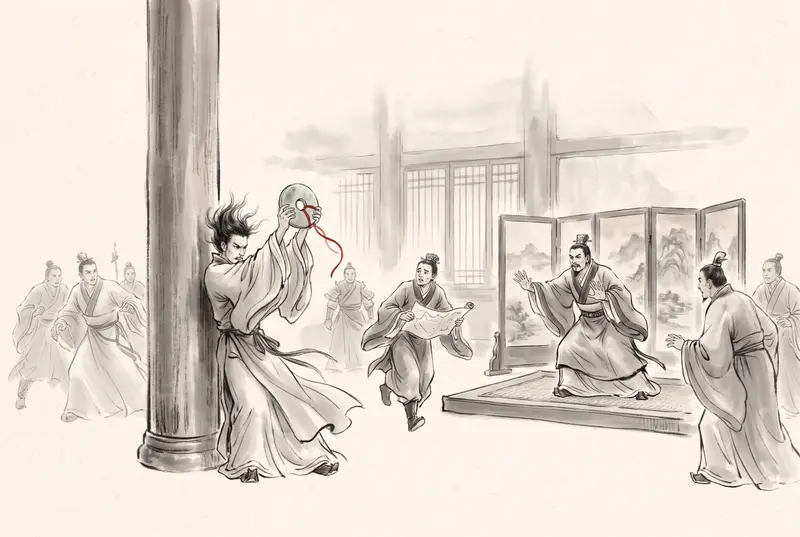
秦王坐章臺見相如,相如奉璧奏秦王。秦王大喜,傳以示美人及左右,左右皆呼萬歳。相如視秦王無意償趙城,乃前曰:「璧有瑕,請指示王。」王授璧,相如因持璧卻立,倚柱,怒髮上沖冠,謂秦王曰:「大王欲得璧,使人發書至趙王,趙王悉召群臣議,皆曰『秦貪,負其彊,以空言求璧,償城恐不可得』。議不欲予秦璧。臣以爲布衣之交尚不相欺,況大國乎!且以一璧之故逆彊秦之驩,不可。於是趙王乃齋戒五日,使臣奉璧,拜送書於庭。何者?嚴大國之威以修敬也。今臣至,大王見臣列觀,禮節甚倨;得璧,傳之美人,以戲弄臣。臣觀大王無意償趙王城邑,故臣復取璧。大王必欲急臣,臣頭今與璧倶碎於柱矣!」
Kundoku (Japanese reading)
秦王章台に坐して相如を見る。相如璧を奉じて秦王に奏す。秦王大いに喜び、伝えて以て美人及び左右に示す。左右皆万歳と呼ぶ。相如、秦王の趙に城を償うに意無きを視て、乃ち前みて曰く、「璧に瑕有り。請う、王に指し示さん」と。王璧を授く。相如因りて璧を持ちて卻き立ち、柱に倚り、怒髪上りて冠を衝く。秦王に謂いて曰く、「大王璧を得んと欲し、人をして書を発して趙王に至らしむ。趙王悉く群臣を召して議す。皆曰く、『秦は貪にして、其の彊きを負み、空言を以て璧を求む。城を償うは恐らくは得べからず』と。議して秦に璧を予うるを欲せず。臣以為えらく、布衣の交わりすら尚お相欺かず、況んや大国をや。且つ一璧の故を以て彊秦の驩に逆らうは不可なり、と。是に於いて趙王乃ち斎戒すること五日、臣をして璧を奉ぜしめ、書を庭に拝送す。何となれば、大国の威を厳れて以て敬を修むればなり。今臣至るに、大王臣を列観に見、礼節甚だ倨る。璧を得て、之を美人に伝え、以て臣を戯弄す。臣、大王の趙王に城邑を償うに意無きを観る。故に臣復た璧を取る。大王必ず臣を急にせんと欲せば、臣が頭は今璧と倶に柱に砕けん」と。
Japanese
秦王は章台(離宮の高殿)に座って相如に会った。相如は璧を捧げて秦王に差し出した。秦王は大喜びし、璧を回して寵愛する女性たちや側近に見せた。側近たちはみな「万歳」と叫んだ。相如は、秦王に城を引き渡すつもりがないと見てとると、進み出て言った。「璧に傷がございます。王にお示ししましょう。」王が璧を渡すと、相如はそれを持って後ろへ下がり、柱に寄りかかって立った。怒りで髪が逆立ち、冠を突き上げるほどだった。相如は秦王に言った。「大王は璧を手に入れたいと、使者に手紙を持たせて趙王のもとへよこされました。趙王は群臣をすべて集めて相談しましたが、みな『秦は欲深く、強さを頼んで、口先だけで璧を求めている。城はおそらく手に入らないだろう』と言い、秦に璧を渡すことに反対しました。しかし私は、庶民どうしの付き合いでさえ互いをだましはしない、まして大国がだますはずはない、それに璧一つのために強国秦の好意に背くのはよくない、と考えました。そこで趙王は五日間身を清めてから、私に璧を捧げ持たせ、朝廷で礼をして手紙を送り出したのです。なぜか。大国の威光を重んじ、敬意を尽くすためです。ところが私が着くと、大王は正式の朝廷ではない建物で私に会い、たいへん無礼な態度をとられました。璧を手にすると女性たちに回して見せ、私をからかわれました。大王には趙王に城を引き渡すおつもりがないと見ましたので、私は璧を取り返したのです。大王がどうしても私に迫るのなら、私の頭は今この璧もろとも柱にぶつかって砕けましょう。」
English
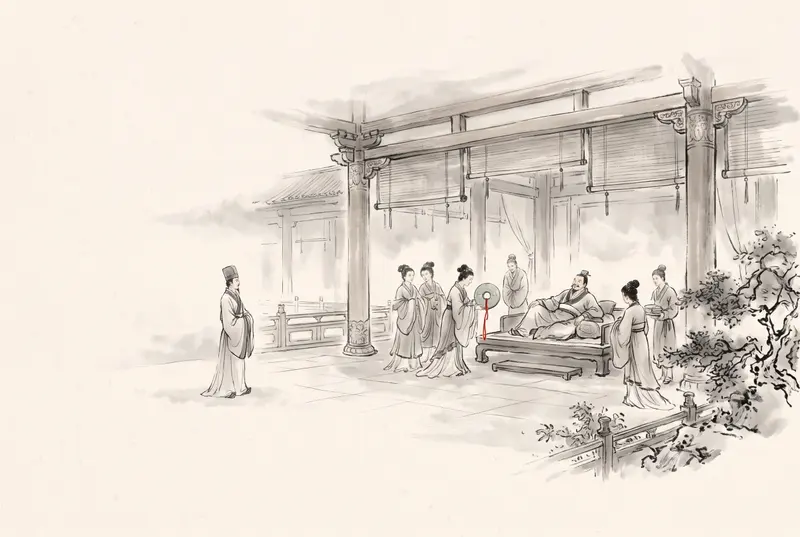
The King of Qin received Xiangru while seated in the Zhang Terrace. Xiangru held up the disc and presented it to him. The king was delighted and passed it around to show his favorite ladies and his attendants, who all shouted, "Long live the king!" Seeing that the king had no intention of giving Zhao the cities, Xiangru stepped forward and said, "There is a flaw in the disc. Let me point it out to Your Majesty." The king handed him the disc. Xiangru took it, stepped back and stood against a pillar, so furious that his hair rose up against his cap. He said to the king, "Your Majesty wanted the disc and sent a letter to the King of Zhao. The King of Zhao called all his ministers together, and they all said, 'Qin is greedy and relies on its strength. It asks for the disc with empty words, and we will probably never get the cities.' They did not want to give Qin the disc. But I held that even common people do not deceive each other in their friendships, let alone a great state. Besides, it would be wrong to offend mighty Qin over a single disc. So the King of Zhao purified himself for five days, had me carry the disc, and sent off the letter with a bow in his court. Why? Out of respect for the dignity of a great state. Yet when I arrived, Your Majesty received me in an ordinary hall and treated me with great arrogance. Once you had the disc, you passed it around to your ladies to make fun of me. I see that Your Majesty has no intention of giving the King of Zhao his cities, so I have taken the disc back. If Your Majesty insists on pressing me, my head and this disc will be smashed against this pillar together!"
Notes (JA)
- 章台: 秦の離宮の高殿。正式の朝廷ではない場所で使者に会ったことが、相如には無礼と映った。
- 美人: ここでは王の側室の位の名。
- 怒髪上沖冠: 怒りで髪が逆立ち、冠を突き上げる。激しい怒りを表す成語「怒髪冠を衝く」のもと。
- 璧有瑕: 璧を取り返すための口実。
- 布衣: 庶民(布の衣を着る人)。
Notes (EN)
- Zhang Terrace: a raised hall in a detached palace. Meeting an envoy there, rather than in the formal court, seemed disrespectful to Xiangru.
- 美人 (here "favorite ladies"): a rank of royal consort.
- 怒髮上沖冠 ("hair rising up against his cap in anger"): the source of a set phrase for violent rage.
- "There is a flaw": a pretext to get the disc back into his hands.
- 布衣 ("cloth clothes"): commoners.
Idioms from this passage: Hair bristling up against the cap 怒髪冠を衝く
Word notes
- delighted/dɪˈlaɪtɪd/adjective
very pleased
In the text: “The king was delighted”
Similar words: pleased — happy; milder · thrilled — informal; very excited and happy
- flaw/flɔ/noun
a small mark or crack that spoils something
In the text: “There is a flaw in the disc.”
Similar words: defect — a fault in how something is made · crack — a thin break on the surface
- greedy/ˈɡriːdi/adjective
wanting much more than you need, especially money or power
In the text: “Qin is greedy and relies on its strength”
Similar words: grasping — eager to get and keep things · selfish — caring only about yourself
- deceive/dɪˈsiːv/verb
to make someone believe something that is not true
In the text: “even common people do not deceive each other”
Similar words: trick — informal; fool someone · mislead — give a wrong idea, perhaps not on purpose
- dignity/ˈdɪɡnəti/noun
the quality of deserving respect and honor
In the text: “Out of respect for the dignity of a great state”
Similar words: honor — good name and respect · prestige — respect that comes from power or success
- arrogance/ˈærəɡəns/noun
behavior showing that you think you are better than others
In the text: “treated me with great arrogance”
Similar words: pride — can be good or bad · contempt — a feeling that someone is worthless
- insist/ɪnˈsɪst/verb
to demand something firmly and not accept a refusal
In the text: “If Your Majesty insists on pressing me”
Similar words: demand — ask for something forcefully · persist — keep doing something in spite of difficulty
Passage 5
Original
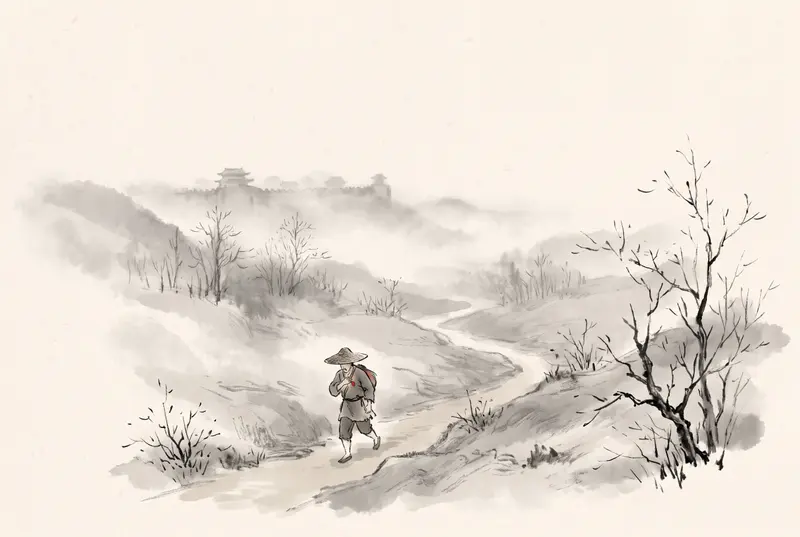
相如持其璧睨柱,欲以撃柱。秦王恐其破璧,乃辭謝固請,召有司案圖,指從此以往十五都予趙。相如度秦王特以詐詳爲予趙城,實不可得,乃謂秦王曰:「和氏璧,天下所共傳寶也,趙王恐,不敢不獻。趙王送璧時,齋戒五日,今大王亦宜齋戒五日,設九賓於廷,臣乃敢上璧。」秦王度之,終不可彊奪,遂許齋五日,舍相如廣成傳。相如度秦王雖齋,決負約不償城,乃使其從者衣褐,懷其璧,從徑道亡,歸璧於趙。
Kundoku (Japanese reading)
相如其の璧を持ちて柱を睨み、以て柱に撃たんと欲す。秦王其の璧を破らんことを恐れ、乃ち辞謝して固く請い、有司を召して図を案じ、此より以往の十五都を指して趙に予えんとす。相如、秦王の特だ詐りを以て詳りて趙に城を予うると為すのみにして、実は得べからざるを度り、乃ち秦王に謂いて曰く、「和氏の璧は、天下の共に伝うる所の宝なり。趙王恐れて、敢えて献ぜずんばあらず。趙王璧を送る時、斎戒すること五日。今大王も亦た宜しく斎戒すること五日、九賓を廷に設くべし。臣乃ち敢えて璧を上らん」と。秦王之を度るに、終に彊いて奪うべからず。遂に斎すること五日を許し、相如を広成伝に舎せしむ。相如、秦王斎すと雖も、決して約に負きて城を償わざるを度り、乃ち其の従者をして褐を衣せしめ、其の璧を懐にして、径道より亡げ、璧を趙に帰さしむ。
Japanese
相如は璧を手に柱をにらみつけ、今にも柱に打ちつけようとした。秦王は璧を割られるのを恐れ、わびて思いとどまるよう強く頼み、役人を呼んで地図を広げさせ、ここから先の十五の町を趙に与えると指し示した。相如は、秦王はただ偽って城を与えるふりをしているだけで、実際には手に入らないと見抜き、秦王に言った。「和氏の璧は、天下の人がみな宝として伝え聞くものです。趙王は秦を恐れて、献上しないわけにはいきませんでした。趙王は璧を送り出すとき、五日間身を清めました。大王も五日間身を清め、朝廷に九賓の礼を整えてください。そうすれば私も謹んで璧を差し上げましょう。」秦王は考えたが、力ずくで奪うことはどうしてもできないので、五日間の斎戒を承知し、相如を広成伝という宿舎に泊まらせた。相如は、秦王が身を清めても、必ず約束を破って城を渡さないだろうと見て、従者に粗末な毛織りの服を着せ、璧を懐に隠させ、抜け道を通って逃げさせ、璧を趙へ持ち帰らせた。
English
Holding the disc, Xiangru glared at the pillar as if about to strike it. Afraid that the disc would be broken, the king apologized and begged him to stop. He called his officials to bring a map and pointed out fifteen towns from here onward to be given to Zhao. Xiangru judged that the king was only pretending to give Zhao the cities, and that they would never really be handed over. So he said to the king, "The jade of Mr. He is a treasure known to the whole world. The King of Zhao feared Qin and did not dare to refuse it. When he sent off the disc, he purified himself for five days. Your Majesty too should purify himself for five days and arrange the ceremony of the Nine Guests in your court. Only then will I dare to present the disc." The king considered this and saw that he could not take it by force. So he agreed to purify himself for five days, and lodged Xiangru at the Guangcheng guesthouse. Xiangru judged that even after purifying himself, the king would surely break his promise and not hand over the cities. So he had one of his attendants dress in rough clothes, hide the disc in his robe, and slip away by back roads to return the disc to Zhao.
Notes (JA)
- 有司: 担当の役人。
- 詳: 「佯」と同じで、いつわる、ふりをする。
- 九賓: 外国の使者を迎える、最も丁重な儀礼とされる。
- 斎戒: 飲食や行いを慎み、身を清めること。
- 褐: 粗い毛織りの服。従者を身分の低い者に変装させた。
Notes (EN)
- 有司: the officials in charge.
- 詳: used for 佯, "to pretend".
- The Nine Guests (九賓): said to be the most formal ceremony for receiving foreign envoys.
- Purification (齋戒): fasting and abstaining to make oneself pure before a ceremony.
- 褐: coarse woolen cloth worn by poor people. The attendant was disguised as a commoner.
Word notes
- pretend/prɪˈtɛnd/verb
to act as if something is true when it is not
In the text: “the king was only pretending”
Similar words: fake — informal; make something false look real · feign — formal; pretend to have a feeling
- purify/ˈpjʊrəˌfaɪ/verb
to make yourself clean in body and spirit before a ceremony, for example by fasting
In the text: “he purified himself for five days”
Similar words: cleanse — make clean · fast — go without food for a time
- lodge/lɑdʒ/verb
to give someone a place to stay
In the text: “lodged Xiangru at the Guangcheng guesthouse”
Similar words: house — give someone a place to live · put up — informal; let someone stay
- slip away/ˌslɪp əˈweɪ/phrasal verb
to leave quietly without being noticed
In the text: “slip away by back roads”
Similar words: sneak off — informal; leave secretly · escape — get away from danger
Passage 6
Original
秦王齋五日後,乃設九賓禮於廷,引趙使者藺相如。相如至,謂秦王曰:「秦自繆公以來二十餘君,未嘗有堅明約束者也。臣誠恐見欺於王而負趙,故令人持璧歸,間至趙矣。且秦彊而趙弱,大王遣一介之使至趙,趙立奉璧來。今以秦之彊而先割十五都予趙,趙豈敢留璧而得罪於大王乎?臣知欺大王之罪當誅,臣請就湯鑊,唯大王與群臣孰計議之。」
Kundoku (Japanese reading)
秦王斎すること五日の後、乃ち九賓の礼を廷に設け、趙の使者藺相如を引く。相如至りて、秦王に謂いて曰く、「秦は繆公より以来二十余君、未だ嘗て約束を堅明にする者有らざるなり。臣誠に王に欺かれて趙に負かんことを恐る。故に人をして璧を持ちて帰らしむ。間に趙に至れり。且つ秦は彊くして趙は弱し。大王一介の使いを遣わして趙に至らしむれば、趙立ちどころに璧を奉じて来たらん。今秦の彊きを以て先ず十五都を割きて趙に予えば、趙豈に敢えて璧を留めて罪を大王に得んや。臣、大王を欺くの罪の誅に当たるを知る。臣請う、湯鑊に就かん。唯だ大王と群臣と孰計して之を議せよ」と。
Japanese
秦王は五日間身を清めたのち、朝廷に九賓の礼を整え、趙の使者・藺相如を招き入れた。相如はやって来ると、秦王に言った。「秦は繆公以来二十数代の君主がおられますが、約束を固く守った方は一人もおりません。私は王にだまされて趙を裏切ることになるのを本当に恐れました。そこで人に璧を持たせて帰らせ、もうひそかに趙に着いております。それに、秦は強く趙は弱いのです。大王が使者を一人趙へよこされれば、趙はすぐに璧を捧げて参るでしょう。いま強い秦がまず十五の町を割いて趙に与えれば、趙がどうして璧を手元に置いて大王の怒りを買うようなことをしましょうか。大王をだました罪が死刑に当たることは承知しております。どうか私を釜ゆでの刑にしてください。ただ、大王と群臣の皆さまで、よくよくお考えください。」
English
After purifying himself for five days, the King of Qin arranged the Nine Guests ceremony in his court and had the Zhao envoy Lin Xiangru brought in. When Xiangru arrived, he said to the king, "Since Duke Mu, Qin has had more than twenty rulers, and not one of them has kept firmly to an agreement. I truly feared being deceived by Your Majesty and failing Zhao. So I had someone take the disc back, and by now it has secretly reached Zhao. Besides, Qin is strong and Zhao is weak. If Your Majesty sends a single envoy to Zhao, Zhao will bring the disc at once. If mighty Qin first cuts off fifteen towns and gives them to Zhao, how would Zhao dare to keep the disc and offend Your Majesty? I know that the crime of deceiving Your Majesty deserves death. I ask to be boiled in the cauldron. I only beg Your Majesty and your ministers to think this over carefully."
Notes (JA)
- 繆公: 春秋時代の秦の穆公。
- 間: ひそかに、抜け道を通って。
- 一介之使: たった一人の使者。
- 湯鑊: 釜ゆでの刑。死を覚悟したうえでの言葉。
- 孰計: 「熟計」と同じで、よく考える。
Notes (EN)
- Duke Mu (繆公): Duke Mu of Qin in the Spring and Autumn period.
- 間: secretly, by a hidden route.
- 一介之使: a single envoy.
- 湯鑊: the cauldron, death by boiling. Xiangru is ready to die.
- 孰計: the same as 熟計, to think over carefully.
Word notes
- cauldron/ˈkɔldrən/noun
a very large metal pot for boiling; in ancient China also used to boil criminals
In the text: “I ask to be boiled in the cauldron.”
Similar words: pot — any deep cooking container · kettle — a pot for boiling water
Passage 7
Original
秦王與群臣相視而嘻。左右或欲引相如去,秦王因曰:「今殺相如,終不能得璧也,而絶秦趙之驩,不如因而厚遇之,使歸趙,趙王豈以一璧之故欺秦邪!」卒廷見相如,畢禮而歸之。
Kundoku (Japanese reading)
秦王と群臣と相視て嘻す。左右或いは相如を引きて去らんと欲す。秦王因りて曰く、「今相如を殺すも、終に璧を得る能わず、而して秦・趙の驩を絶たん。因りて厚く之を遇し、趙に帰らしむるに如かず。趙王豈に一璧の故を以て秦を欺かんや」と。卒に廷に相如を見、礼を畢えて之を帰す。
Japanese
秦王と群臣は顔を見合わせ、あきれて声をあげた。側近の中には相如を引き立てて連れ出そうとする者もいたが、秦王はそこで言った。「いま相如を殺しても、結局璧は手に入らないうえ、秦と趙のよしみを断つことになる。それよりこの機会に手厚くもてなして趙へ帰したほうがよい。趙王が璧一つのために秦をだますことなどあろうか。」こうして結局、朝廷で相如を引見し、礼を尽くして帰国させた。
English
The king and his ministers looked at one another and cried out in dismay. Some of the attendants wanted to drag Xiangru away, but the king said, "If we kill Xiangru now, we will never get the disc, and we will break the friendship between Qin and Zhao. Better to treat him generously and send him home. Would the King of Zhao cheat Qin over a single disc?" In the end he received Xiangru in his court, completed the ceremony and sent him home.
Notes (JA)
- 嘻: 驚きやあきれの声をあげる。
- 秦王の判断: 相如を殺しても何も得られず、秦が約束を破ろうとしたことが知れわたるだけになる。相如はそこまで読んで命を賭けた、と読むことができる。
Notes (EN)
- 嘻: an exclamation of surprise or exasperation.
- The king's reasoning: killing Xiangru would gain nothing and would only show that Qin had meant to break its word. Xiangru seems to have staked his life on this.
Word notes
- dismay/dɪsˈmeɪ/noun
shock and worry because something bad has happened
In the text: “cried out in dismay”
Similar words: shock — a sudden, upsetting surprise · alarm — sudden fear
Passage 8
Original
相如既歸,趙王以爲賢大夫使不辱於諸侯,拜相如爲上大夫。秦亦不以城予趙,趙亦終不予秦璧。
Kundoku (Japanese reading)
相如既に帰るや、趙王以為えらく、賢大夫にして、使いして諸侯に辱められず、と。相如を拝して上大夫と為す。秦も亦た城を以て趙に予えず、趙も亦た終に秦に璧を予えず。
Japanese
相如が帰国すると、趙王は、賢明な大夫であり、使者として諸侯の前で国を辱めなかったと評価し、相如を上大夫に任じた。結局、秦は城を趙に与えず、趙も秦に璧を渡さなかった。
English
When Xiangru returned, the King of Zhao judged him a worthy officer who had carried out his mission without bringing shame on Zhao before the other lords, and made him a senior grand officer. In the end Qin never gave Zhao the cities, and Zhao never gave Qin the disc.
Notes (JA)
- 上大夫: 高い位の大夫(官僚)。相如はこの後さらに出世し、巻の後半は廉頗との「刎頸の交わり」の話へ続く(このサイトでは未掲載)。
- 結末: 城も璧も動かず、交換は成り立たなかった。
Notes (EN)
- 上大夫: a senior rank of officials. Xiangru rose further, and the volume goes on to his "friendship unto death" with Lian Po (not yet on this site).
- The outcome: neither the cities nor the disc changed hands.
Word notes
- mission/ˈmɪʃən/noun
an important task someone is sent to do
In the text: “carried out his mission”
Similar words: task — a piece of work · assignment — a job given to someone