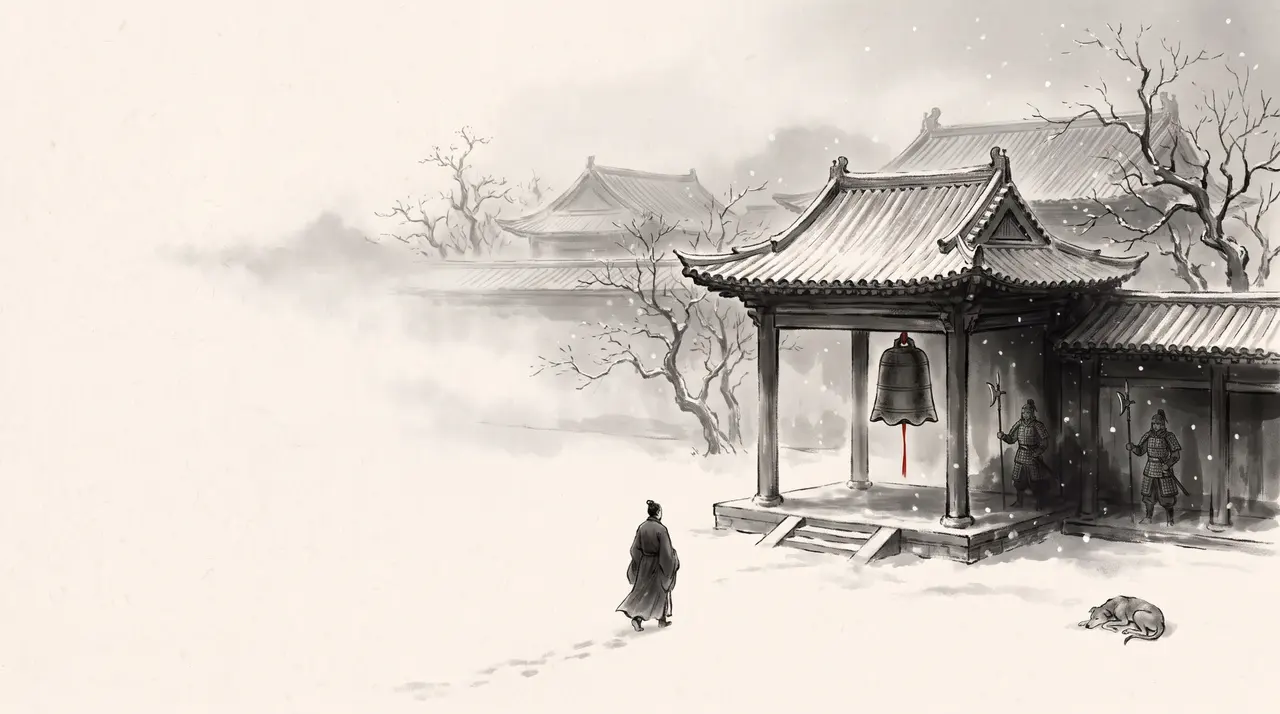
Biographies · Vol. 92
Biography of the Marquis of Huaiyin 淮陰侯列傳
The End of Han Xin: When the Hare Is Dead 狡兔死良狗亨
Kuai Tong urges Han Xin, now King of Qi, to break with Han and split the realm in three, but Han Xin refuses out of gratitude to Liu Bang. After Xiang Yu falls, Han Xin becomes King of Chu, rewards the washerwoman with a thousand pieces of gold and gives a post to the bully who made him crawl. But he is accused of rebellion and arrested, crying, "When the cunning hare is dead, the good hound is boiled." Later, accused of plotting with Chen Xi, he is lured into the palace by Empress Lü and Xiao He and beheaded. The end of the man "peerless in the realm," with the famous words "the more the better."
This page has the scene "The End of Han Xin: When the Hare Is Dead" from this volume, not the whole volume.
Audio
The audio is synthetic speech.
Video
Passage 1
Original
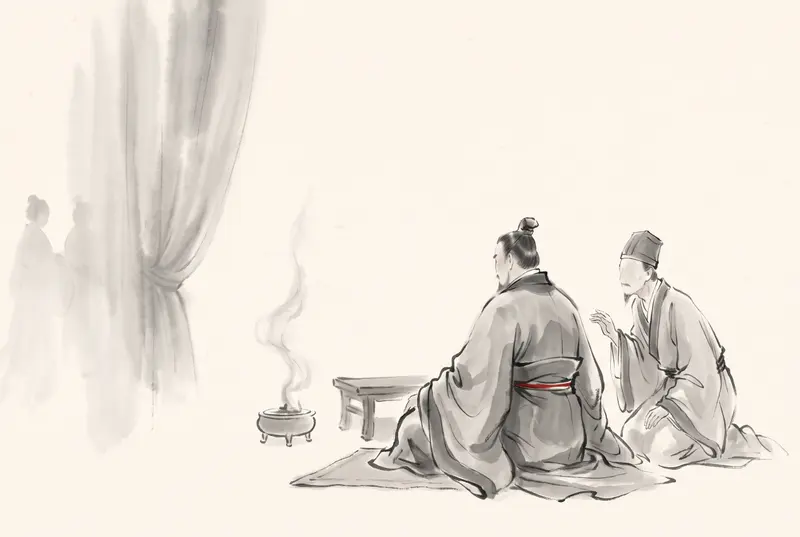
武涉已去,齊人蒯通知天下權在韓信,欲爲奇策而感動之,以相人說韓信曰:『仆嘗受相人之術。』韓信曰:『先生相人何如?』對曰:『貴賤在於骨法,憂喜在於容色,成敗在於決斷,以此參之,萬不失一。』韓信曰:『善。先生相寡人何如?』對曰:『願少閒。』信曰:『左右去矣。』通曰:『相君之面,不過封侯,又危不安。相君之背,貴乃不可言。』
Kundoku (Japanese reading)
武渉已に去る。斉人蒯通、天下の権韓信に在るを知り、奇策を為して之を感動せしめんと欲し、相人を以て韓信に説きて曰く、「僕嘗て相人の術を受く」と。韓信曰く、「先生の人を相すること何如」と。対えて曰く、「貴賤は骨法に在り、憂喜は容色に在り、成敗は決断に在り。此を以て之を参うれば、万に一も失わず」と。韓信曰く、「善し。先生寡人を相すること何如」と。対えて曰く、「願わくは少しく間ならんことを」と。信曰く、「左右去れ」と。通曰く、「君の面を相するに、封侯に過ぎず、又た危うくして安からず。君の背を相するに、貴きこと乃ち言うべからず」と。
Japanese
武渉が去ったあと、斉の人の蒯通は、天下の行方が韓信の手に握られていることを見抜き、奇策で韓信の心を動かそうと考えた。そこで人相見として韓信に説いた。「わたしは人相の術を学んだことがあります」。韓信は言った。「先生の人相の見方はどのようなものか」。蒯通は答えた。「身分の高い低いは骨格に、憂いや喜びは顔色に、成功か失敗かは決断に表れます。この三つを合わせて見れば、万に一つもはずれません」。韓信は言った。「よろしい。では、わたしの人相はどうか」。蒯通は答えた。「少し人払いをお願いします」。韓信は言った。「皆、下がれ」。蒯通は言った。「あなたのお顔を見ると、せいぜい諸侯止まりで、しかも危うく、安泰ではありません。あなたの背中を見ると、その尊さは言葉にできないほどです」。
English
After Wu She had gone, Kuai Tong, a man of Qi, saw that the fate of the realm lay in Han Xin's hands, and wanted to move him with a bold plan. So he approached Han Xin as a reader of faces. "I once studied the art of reading faces," he said. Han Xin said, "How do you read a face, sir?" He replied, "Rank lies in the bones, joy and sorrow in the complexion, and success or failure in decision. Put these together, and you will not be wrong once in ten thousand times." Han Xin said, "Good. Then how do you read mine?" He replied, "I would like a moment in private." Han Xin said, "Leave us." Kuai Tong said, "Reading your face, you will be no more than a marquis, and in danger besides. Reading your back, you will be noble beyond words."
Notes (JA)
- この節の前(省略): 韓信は趙を破ったあと斉を平定し、斉王となった(前203年)。楚の項羽は武渉を送り、漢から離れて天下を三分するよう説いたが、韓信は断った。
- 蒯通: 斉の弁論家(説客)。
- 相人: 人相を見ること。
- 寡人: 王が自分を指す言葉。韓信が斉王になっていたため。
- 相君之背: 「背」は「背く」にも通じ、「漢に背けば」という意味を込めたしゃれと解される。
Notes (EN)
- Before this (left out here): after defeating Zhao, Han Xin conquered Qi and became King of Qi (203 BCE). Xiang Yu sent Wu She to urge him to break with Han and split the realm into three, but he refused.
- Kuai Tong: a persuader, a man who made his living by advising rulers.
- 寡人 ("this lonely one"): how a king refers to himself; Han Xin was now King of Qi.
- The back: 背 also means "to turn one's back on," so this is read as a pun: "if you turn against Han."
Word notes
- complexion/kəmˈplɛkʃən/noun
the natural color and look of the skin of the face
In the text: “joy and sorrow in the complexion”
Similar words: skin — the outer covering of the body · color — how red or pale a face is
- noble/ˈnoʊbəl/adjective
high in rank or honor
In the text: “noble beyond words”
Similar words: honored — given great respect · exalted — formal; very high in rank
Noble also means morally good: "a noble act".
- marquis/ˈmɑrkwɪs/noun
a noble rank below a king; in Han China, a lord with a small fief
In the text: “no more than a marquis”
Similar words: lord — a man of high rank · nobleman — a man of a noble family
Passage 2
Original
當今兩主之命縣於足下。足下爲漢則漢勝,與楚則楚勝。臣願披腹心,輸肝膽,效愚計,恐足下不能用也。誠能聽臣之計,莫若兩利而俱存之,參分天下,鼎足而居,其勢莫敢先動。
Kundoku (Japanese reading)
当今両主の命は足下に懸かる。足下漢の為にせば則ち漢勝ち、楚に与せば則ち楚勝つ。臣願わくは腹心を披き、肝胆を輸し、愚計を効さん。恐らくは足下用うる能わざらん。誠に能く臣の計を聴かば、両つながら利して倶に之を存し、天下を参分し、鼎足して居るに若くは莫し。其の勢い敢えて先に動くもの莫からん。
Japanese
(蒯通は続けた。)「いま、漢と楚の二人の主君の運命は、あなたにかかっています。あなたが漢につけば漢が勝ち、楚に味方すれば楚が勝ちます。わたしは腹の底を打ち明け、まごころを尽くして、愚かながら計略を申し上げたいのですが、あなたは用いてくださらないのではないかと心配です。もし本当にわたしの計略を聞いてくださるなら、両方に利を与えて両方とも生かしておき、天下を三つに分けて、鼎の足のように並び立つのがいちばんです。そうすれば、どちらも先に動こうとはしないでしょう」。
English
"At present the fate of both rulers hangs on you. If you side with Han, Han will win; if you join Chu, Chu will win. I wish to open my heart, pour out my innermost thoughts and offer my humble plan, but I fear you will not use it. If you would truly listen to me, nothing would be better than to let both of them live and profit, divide the realm into three, and stand like the three legs of a cauldron. Then no one would dare to make the first move."
Notes (JA)
- この節の前(省略): 蒯通は、楚と漢の戦いが長引いて民が苦しんでいることを、長々と説いた。
- 兩主: 漢王劉邦と楚の項羽。
- 足下: 相手を呼ぶ敬称。
- 披腹心、輸肝膽: 心の底を打ち明け、まごころを尽くす。
- 鼎足而居: 鼎の三本の足のように、三者が並び立つ。のちの三国時代の「天下三分」を思わせる言葉。
Notes (EN)
- Before this (left out here): Kuai Tong spoke at length about how the long war between Chu and Han was making the people suffer.
- Both rulers: Liu Bang, King of Han, and Xiang Yu of Chu.
- 足下: a polite form of address.
- 披腹心,輸肝膽: to open one's heart and pour out one's liver and gall, that is, to speak with complete sincerity.
- 鼎足而居 ("stand like the legs of a cauldron"): three powers in balance, an idea that recalls the "three kingdoms" of later history.
Word notes
- innermost/ˈɪnərˌmoʊst/adjective
most private and deeply felt
In the text: “pour out my innermost thoughts”
Similar words: deepest — most strongly felt · private — kept to oneself
Passage 3
Original
韓信曰:『漢王遇我甚厚,載我以其車,衣我以其衣,食我以其食。吾聞之,乘人之車者載人之患,衣人之衣者懷人之憂,食人之食者死人之事,吾豈可以鄉利倍義乎!』
Kundoku (Japanese reading)
韓信曰く、「漢王我を遇すること甚だ厚し。我を載するに其の車を以てし、我に衣するに其の衣を以てし、我に食わしむるに其の食を以てす。吾之を聞く、人の車に乗る者は人の患いを載せ、人の衣を衣る者は人の憂いを懐き、人の食を食う者は人の事に死すと。吾豈に利に郷いて義に倍くべけんや」と。
Japanese
韓信は言った。「漢王はわたしをたいへん手厚くもてなしてくれた。自分の車に乗せ、自分の着物を着せ、自分の食事を食べさせてくれた。人の車に乗る者はその人の災いを背負い、人の着物を着る者はその人の憂いを抱き、人の食事を食べる者はその人のために死ぬ、と聞いている。どうして利益に目がくらんで、義理に背くことができようか」。
English
Han Xin said, "The King of Han has treated me very generously. He gave me rides in his own carriage, dressed me in his own clothes, and fed me with his own food. I have heard that one who rides in another's carriage shares his troubles, one who wears another's clothes carries his worries, and one who eats another's food dies in his service. How could I turn toward profit and betray what is right?"
Notes (JA)
- 遇: もてなす、待遇する。
- 載我以其車…: 劉邦が韓信を大将に任じたあとの厚い待遇を言う。
- 鄉利倍義: 利に向かって義に背く。「鄉」は「向」、「倍」は「背」と同じ。
Notes (EN)
- 遇: to treat someone, as a host or a lord.
- His carriage, clothes and food: the generous treatment Liu Bang gave Han Xin after making him supreme general.
- 鄉利倍義: to turn toward profit and turn one's back on duty (鄉 = 向, 倍 = 背).
Word notes
- generously/ˈdʒɛnərəsli/adverb
in a kind way, giving more than is needed
In the text: “has treated me very generously”
Similar words: kindly — in a kind way · lavishly — giving a great deal
- betray/bɪˈtreɪ/verb
to be disloyal to someone or something you should support
In the text: “betray what is right”
Similar words: abandon — leave completely · let down — disappoint someone who relied on you
Passage 4
Original
且臣聞勇略震主者身危,而功蓋天下者不賞。臣請言大王功略:足下涉西河,虜魏王,禽夏說,引兵下井陘,誅成安君,徇趙,脅燕,定齊,南摧楚人之兵二十萬,東殺龍且,西鄉以報,此所謂功無二於天下,而略不世出者也。今足下戴震主之威,挾不賞之功,歸楚,楚人不信;歸漢,漢人震恐:足下欲持是安歸乎?夫勢在人臣之位而有震主之威,名髙天下,竊爲足下危之。』韓信謝曰:『先生且休矣,吾將念之。』
Kundoku (Japanese reading)
且つ臣聞く、勇略主を震わす者は身危うく、功天下を蓋う者は賞せられずと。臣請う大王の功略を言わん。足下西河を渉り、魏王を虜にし、夏説を禽にし、兵を引きて井陘を下り、成安君を誅し、趙を徇え、燕を脅かし、斉を定め、南のかた楚人の兵二十万を摧き、東のかた竜且を殺し、西に郷いて以て報ず。此れ所謂功天下に二無く、略世に出でざる者なり。今足下、主を震わすの威を戴き、賞せられざるの功を挟む。楚に帰すれば楚人信ぜず、漢に帰すれば漢人震恐す。足下是を持して安くにか帰せんと欲するか。夫れ勢い人臣の位に在りて主を震わすの威有り、名天下に高し。窃かに足下の為に之を危ぶむ」と。韓信謝して曰く、「先生且く休め。吾将に之を念わんとす」と。
Japanese
(蒯通はさらに説いた。)「それに、勇気と知略で主君をふるえあがらせる者は身が危うく、手柄が天下をおおう者には恩賞がない、とわたしは聞いています。大王のお手柄を申し上げましょう。あなたは西河を渡って魏王を捕らえ、夏説を生け捕りにし、兵を率いて井陘を下って成安君を討ち、趙を従え、燕をおびやかし、斉を平定し、南では楚の兵二十万を打ち破り、東では竜且を殺し、西に向かって漢王に報告されました。これこそ、手柄は天下に二つとなく、知略は世にまれなものと言えます。いま、あなたは主君をふるえあがらせるほどの威勢を持ち、恩賞では報いきれない手柄を抱えています。楚につけば楚の人は信じず、漢に戻れば漢の人はおびえるでしょう。これを抱えて、どこに身を寄せるおつもりですか。臣下の地位にありながら主君をふるえあがらせる威勢を持ち、名は天下に高い。ひそかに、あなたのために危ぶんでいるのです」。韓信は礼を言って言った。「先生、しばらく休んでください。よく考えてみよう」。
English
"Besides, I have heard that one whose courage and strategy make his lord tremble is in danger, and one whose merit covers the realm goes unrewarded. Let me list Your Majesty's achievements. You crossed the Western River, captured the King of Wei and took Xia Yue prisoner. You led your army down through Jingxing and put the Lord of Chengan to death. You brought Zhao under control, threatened Yan and conquered Qi. In the south you crushed two hundred thousand men of Chu, in the east you killed Long Ju, and then you turned west to report. This is what is called merit without equal in the realm and strategy such as the world rarely sees. Now you hold power that makes your lord tremble, and merit too great to reward. If you go over to Chu, the men of Chu will not trust you; if you return to Han, the men of Han will tremble. Where can you go with all this? You hold the rank of a subject but have power that makes your lord tremble, and your name is high in the realm. In my humble opinion, you are in danger." Han Xin thanked him and said, "Please rest for now, sir. I will think about it."
Notes (JA)
- この節の前(省略): 蒯通は、刎頸の交わりの友だった張耳と陳余が仇敵になったことや、越王句践に尽くした大夫種が最後に殺されたことを例に挙げ、主君の心は変わるものだと説いた。
- 勇略震主者身危、功蓋天下者不賞: 主君をおびやかすほどの功臣は身が危うい。韓信のその後を予言する言葉。
- 夏說: 代の国の宰相。
- 成安君: 陳余。井陘の戦いで韓信に敗れて斬られた(巻92「韓信」の章)。
- 龍且: 楚の将。濰水の戦いで韓信に敗れて死んだ。
- このあと(省略): 韓信は数日迷ったが、自分の功は大きいので漢が斉を奪うことはないと考え、蒯通の策を退けた。蒯通は狂人のふりをして去った。
Notes (EN)
- Before this (left out here): Kuai Tong pointed to Zhang Er and Chen Yu, once "friends unto death," who became deadly enemies, and to Minister Zhong, who served King Goujian of Yue and was killed in the end, to show that a lord's heart can change.
- 勇略震主者身危 ("one who makes his lord tremble is in danger"): a warning that foretells Han Xin's fate.
- Xia Yue: chancellor of the state of Dai.
- The Lord of Chengan: Chen Yu, beaten and beheaded at Jingxing (Volume 92, "Han Xin").
- Long Ju: a Chu general killed when Han Xin beat him at the Wei River.
- After this (left out here): Han Xin hesitated for days, but decided that Han would never take Qi from a man of such merit, and turned the plan down. Kuai Tong pretended to be mad and left.
Word notes
- tremble/ˈtrɛmbəl/verb
to shake because of fear
In the text: “make his lord tremble”
Similar words: shake — the general word · quake — shake strongly with fear
- unrewarded/ˌʌnrɪˈwɔrdɪd/adjective
not given any reward
In the text: “goes unrewarded”
Similar words: unpaid — not given money · unrecognized — not given credit
- achievement/əˈtʃiːvmənt/noun
something done well through effort or skill
In the text: “Let me list Your Majesty's achievements.”
Similar words: accomplishment — something achieved · feat — a difficult and impressive act
Passage 5
Original
漢王之困固陵,用張良計,召齊王信,遂將兵會垓下。項羽已破,髙祖襲奪齊王軍。漢五年正月,徙齊王信爲楚王,都下邳。
Kundoku (Japanese reading)
漢王の固陵に困しむや、張良の計を用い、斉王信を召す。遂に兵を将いて垓下に会す。項羽已に破れ、高祖襲いて斉王の軍を奪う。漢の五年正月、斉王信を徙して楚王と為し、下邳に都せしむ。
Japanese
漢王が固陵で苦戦したとき、張良の計略を用いて斉王韓信を呼び寄せた。韓信は兵を率いて垓下で合流した。項羽が敗れると、高祖は不意をついて斉王の軍を取り上げた。漢の五年(前202年)正月、斉王韓信を楚王に移し、下邳を都とさせた。
English
When the King of Han was hard pressed at Guling, he followed Zhang Liang's plan and called on Han Xin, the King of Qi, who brought his army to join him at Gaixia. Once Xiang Yu was defeated, the emperor took the King of Qi's army from him in a surprise move. In the first month of the fifth year of Han, he moved Han Xin from King of Qi to King of Chu, with his capital at Xiapi.
Notes (JA)
- 固陵: 今の河南省太康県のあたり。劉邦は項羽を追ったが、韓信らが来なかったため敗れた。
- 張良計: 韓信らに広い領地を約束して呼び寄せる策(巻55の章を参照)。
- 垓下: 項羽の最期の地(巻7「四面楚歌」の章)。韓信は漢軍の主力を率いた。
- 襲奪: 不意をついて奪う。劉邦が韓信の兵力を恐れていたことを示す。
- 楚王: 韓信の故郷の淮陰を含む楚の地の王。
- 下邳: 今の江蘇省睢寧県のあたり。張良が隠れ住んだ地でもある。
Notes (EN)
- Guling: near Taikang in present-day Henan, where Liu Bang was beaten after Han Xin and others failed to come.
- Zhang Liang's plan: promising Han Xin and the others large lands so that they would come (see Volume 55).
- Gaixia: where Xiang Yu met his end (Volume 7, "Songs of Chu"). Han Xin led the main Han army.
- 襲奪 ("took by surprise"): a sign that Liu Bang feared Han Xin's army.
- King of Chu: king of the land of Chu, which included Han Xin's hometown of Huaiyin.
- Xiapi: near Suining in present-day Jiangsu, where Zhang Liang once hid.
Word notes
- hard pressed/ˌhɑrd ˈprɛst/phrase
in great difficulty, attacked or under pressure
In the text: “was hard pressed at Guling”
Similar words: in trouble — facing problems · under pressure — pushed hard by others
Passage 6
Original
信至國,召所從食漂母,賜千金。及下鄉南昌亭長,賜百錢,曰:『公,小人也,爲德不卒。』召辱己之少年令出胯下者以爲楚中尉。告諸將相曰:『此壯士也。方辱我時,我寧不能殺之邪?殺之無名,故忍而就於此。』
Kundoku (Japanese reading)
信国に至り、従いて食せし所の漂母を召して千金を賜う。下郷の南昌の亭長に及びては百銭を賜いて曰く、「公は小人なり。徳を為して卒えず」と。己を辱めて胯下を出でしめし少年を召して以て楚の中尉と為す。諸将相に告げて曰く、「此れ壮士なり。我を辱むる時に方りて、我寧ぞ之を殺す能わざらんや。之を殺すも名無し。故に忍びて此に就けり」と。
Japanese
韓信は自分の国に着くと、かつて食事を恵んでくれた洗濯の老女を呼んで、千金を与えた。下郷の南昌の亭長には百銭を与えて、「あなたはつまらない人だ。恩を施しても、最後までやり通さなかった」と言った。かつて自分を辱めて股の下をくぐらせた若者を呼んで、楚の中尉に取り立てた。そして将軍や大臣たちに言った。「これは勇ましい男だ。あのとき辱められて、わたしにこの男を殺せなかったわけではない。だが殺しても名誉にはならない。だから我慢して、今日に至ったのだ」。
English
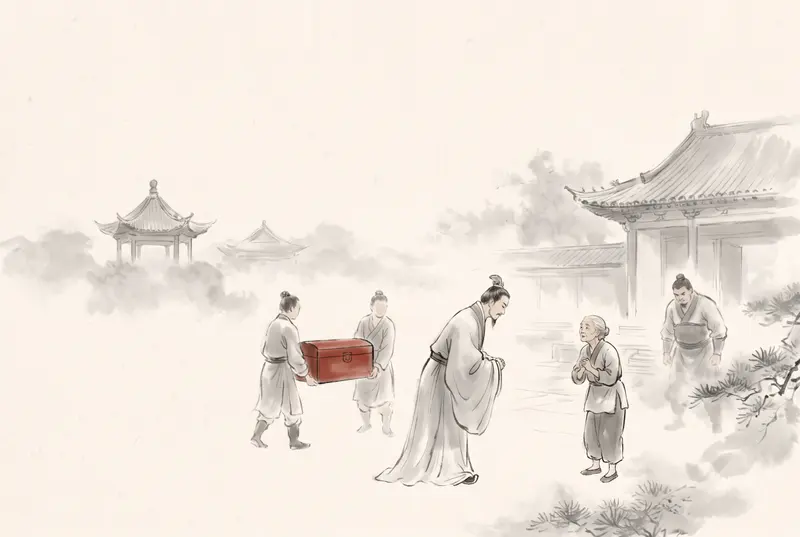
When Han Xin reached his kingdom, he summoned the washerwoman who had fed him and gave her a thousand pieces of gold. To the head of the Nanchang post station in Xiaxiang he gave a hundred coins, saying, "You are a petty man. You did a kindness and did not see it through." He summoned the young man who had humiliated him and made him crawl between his legs, and made him a commandant of Chu. He told his generals and ministers, "This is a brave man. When he humiliated me, do you think I could not have killed him? But there was no honor in killing him, so I endured it, and that is how I came to be here."
Notes (JA)
- 漂母・南昌亭長・股くぐりの若者: いずれも巻92「韓信」の章の、はじめの場面に出てくる人々。
- 千金: 大金。漂母は「報いを望んだわけではない」と言っていた。
- 爲德不卒: 恩を施しても最後まで続けなかった。亭長の家では、妻が朝早く食事を済ませて韓信の分を出さなくなった。
- 中尉: 都の治安や警備を受けもつ武官。
- 忍而就於此: 我慢したからこそ、今の自分がある。
Notes (EN)
- The washerwoman, the station head and the bully: all from the opening scenes of Volume 92, "Han Xin."
- A thousand pieces of gold: a fortune. The washerwoman had said she wanted no reward.
- 爲德不卒 ("did a kindness and did not see it through"): the station head's wife stopped feeding Han Xin.
- 中尉: an officer in charge of policing and security.
- 忍而就於此: because he endured, he became what he is.
Idioms from this passage: The kindness of a single meal 一飯の恩
Word notes
- washerwoman/ˈwɑʃərˌwʊmən/noun
a woman who washes clothes or cloth for a living
In the text: “summoned the washerwoman who had fed him”
Similar words: laundress — old word for a woman who washes clothes · maid — a female servant
- see through/ˌsi ˈθru/phrasal verb
to continue something until it is finished (see something through)
In the text: “did not see it through”
Similar words: complete — finish · follow through — continue to the end
"See through someone" means to realize they are lying.
- endure/ɪnˈdʊr/verb
to suffer something painful patiently
In the text: “so I endured it”
Similar words: bear — accept something painful · put up with — informal; accept without complaint
Passage 7
Original
項王亡將鐘離眛家在伊廬,素與信善。項王死後,亡歸信。漢王怨眛,聞其在楚,詔楚捕眛。信初之國,行縣邑,陳兵出入。漢六年,人有上書告楚王信反。髙帝以陳平計,天子巡狩會諸侯,南方有雲夢,發使告諸侯會陳:『吾將游雲夢。』實欲襲信,信弗知。髙祖且至楚,信欲發兵反,自度無罪,欲謁上,恐見禽。人或說信曰:『斬眛謁上,上必喜,無患。』信見眛計事。眛曰:『漢所以不擊取楚,以眛在公所。若欲捕我以自媚於漢,吾今日死,公亦隨手亡矣。』乃罵信曰:『公非長者!』卒自剄。
Kundoku (Japanese reading)
項王の亡将鍾離眛、家は伊廬に在り、素より信と善し。項王死して後、亡げて信に帰す。漢王眛を怨み、其の楚に在るを聞き、楚に詔して眛を捕えしむ。信初めて国に之き、県邑を行くに、兵を陳ねて出入す。漢の六年、人上書して楚王信反すと告ぐる有り。高帝陳平の計を以て、天子巡狩して諸侯を会すとし、南方に雲夢有り、使を発して諸侯に告げて陳に会せしむ、「吾将に雲夢に游ばんとす」と。実は信を襲わんと欲す。信知らず。高祖且に楚に至らんとす。信兵を発して反せんと欲するも、自ら罪無しと度り、上に謁せんと欲するも、禽にせられんことを恐る。人或るひと信に説きて曰く、「眛を斬りて上に謁せば、上必ず喜ばん。患い無からん」と。信、眛に見えて事を計る。眛曰く、「漢の楚を撃ち取らざる所以は、眛の公の所に在るを以てなり。若し我を捕えて以て自ら漢に媚びんと欲せば、吾今日死せん。公も亦た手に随いて亡びん」と。乃ち信を罵りて曰く、「公は長者に非ず」と。卒に自剄す。
Japanese
項王の配下だった将軍の鍾離眛は、家が伊廬にあり、もともと韓信と仲が良かった。項王が死んだあと、逃げて韓信のもとに身を寄せた。漢王は鍾離眛を恨んでおり、楚にいると聞いて、楚に鍾離眛を捕らえるよう命じた。韓信は国に着いたばかりのころ、県や町を回るのに、兵を並べて出入りしていた。漢の六年(前201年)、楚王韓信が謀反を企てていると上書した者がいた。高帝は陳平の計略を用い、天子が巡行して諸侯を集めるという名目を立てた。南方には雲夢の沢があるので、使者を出して諸侯に「わたしは雲夢に遊ぶ。陳に集まれ」と告げさせた。実は韓信を不意打ちするつもりだったが、韓信は気づかなかった。高祖が楚に近づくと、韓信は兵を挙げて反乱しようかとも思ったが、自分には罪がないと考え、高祖に会いに行こうとした。しかし、捕らえられるのではないかと恐れた。ある者が韓信に言った。「鍾離眛を斬って会いに行けば、陛下はきっとお喜びになり、心配はありません」。韓信は鍾離眛に会って相談した。鍾離眛は言った。「漢が楚を攻め取らないのは、わたしがあなたのところにいるからだ。もしわたしを捕らえて漢に取り入ろうというのなら、わたしは今日死のう。だが、あなたもすぐに滅びるだろう」。そして韓信をののしって「あなたは立派な人間ではない」と言い、とうとう自ら首をはねて死んだ。
English
Zhongli Mo, a fugitive general of King Xiang whose home was at Yilu, had always been on good terms with Han Xin. After King Xiang died, he fled to Han Xin. The King of Han hated Zhongli Mo, and when he heard that he was in Chu, he ordered Chu to arrest him. When Han Xin first came to his kingdom, he toured its counties and towns with troops lined up as he came and went. In the sixth year of Han, someone sent up a letter accusing Han Xin, King of Chu, of plotting revolt. Following Chen Ping's plan, the emperor announced that the Son of Heaven would make a tour and gather the lords. In the south was the Yunmeng marsh, so he sent envoys telling the lords to meet him at Chen: "I am going to visit Yunmeng." In fact he meant to take Han Xin by surprise, and Han Xin did not know it. As the emperor drew near Chu, Han Xin thought of raising troops and rebelling; but judging that he had done nothing wrong, he wanted to go and see the emperor, though he feared he would be seized. Someone said to him, "Behead Zhongli Mo and take his head to the emperor. He will surely be pleased, and you will have nothing to fear." Han Xin went to see Zhongli Mo and discussed it. Zhongli Mo said, "The only reason Han does not attack and take Chu is that I am here with you. If you mean to arrest me to win favor with Han, I will die today, and you will soon follow me." Then he cursed Han Xin: "You are no man of honor!" And at last he cut his own throat.
Notes (JA)
- 鍾離眛: 項羽の名将の一人。
- 伊廬: 今の江蘇省連雲港市のあたり。
- 陳兵出入: 兵を並べて出入りする。謀反を疑われる原因の一つになった。
- 陳平: 劉邦の策士。鴻門の会にも出てくる。
- 巡狩: 天子が各地を見て回ること。諸侯はそこへ挨拶に来なければならない。
- 雲夢: 今の湖北省の大きな湿地帯。陳: 今の河南省淮陽区。陳勝が都を置いた町(巻48の章)。
- 長者: 徳のある人、人格者。
- 自剄: 自分で首を切って死ぬ。
Notes (EN)
- Zhongli Mo: one of Xiang Yu's best generals.
- Yilu: near Lianyungang in present-day Jiangsu.
- Troops lined up: one of the things that made people suspect Han Xin of plotting.
- Chen Ping: one of Liu Bang's strategists, who also appears at the Feast at Hongmen.
- 巡狩 ("a tour of inspection"): when the Son of Heaven toured, the lords had to come and pay their respects.
- Yunmeng: a great marsh in present-day Hubei. Chen: present-day Huaiyang in Henan, Chen Sheng's old capital (Volume 48).
- 長者: a man of honor and virtue.
- 自剄: to cut one's own throat.
Word notes
- fugitive/ˈfjuːdʒətɪv/adjective
running away or hiding, especially from the law
In the text: “a fugitive general”
Similar words: runaway — someone who has run away · hunted — being chased
- accuse/əˈkjuːz/verb
to say that someone has done something wrong
In the text: “accusing Han Xin”
Similar words: charge — formally accuse of a crime · blame — say someone is responsible
- by surprise/baɪ sərˈpraɪz/phrase
suddenly, when someone does not expect it
In the text: “take Han Xin by surprise”
Similar words: unexpectedly — when no one expects it · off guard — when someone is not ready
- curse/kɜrs/verb
to speak angrily to someone, using rude words
In the text: “Then he cursed Han Xin”
Similar words: swear at — use bad words toward someone · insult — say something rude to someone
Passage 8
Original
信持其首,謁髙祖於陳。上令武士縛信,載後車。信曰:『果若人言,「狡兔死,良狗亨;髙鳥盡,良弓藏;敵國破,謀臣亡。」天下已定,我固當亨!』上曰:『人告公反。』遂械系信。至雒陽,赦信罪,以爲淮陰侯。
Kundoku (Japanese reading)
信其の首を持し、高祖に陳に謁す。上武士をして信を縛らしめ、後車に載す。信曰く、「果たして人の言の若し。『狡兎死して良狗亨られ、高鳥尽きて良弓蔵められ、敵国破れて謀臣亡ぶ』と。天下已に定まる。我固より当に亨らるべし」と。上曰く、「人公の反すと告ぐ」と。遂に械して信を繫ぐ。雒陽に至り、信の罪を赦し、以て淮陰侯と為す。
Japanese
韓信は鍾離眛の首を持って、陳で高祖に会った。高祖は武士に命じて韓信を縛らせ、後ろの車に乗せた。韓信は言った。「やはり人の言うとおりだった。『すばしこい兎が死ねば、良い猟犬は煮て食われる。空高く飛ぶ鳥がいなくなれば、良い弓はしまわれる。敵国が滅びれば、知恵のある臣は殺される』。天下はもう定まった。わたしが煮られるのは当然だ」。高祖は言った。「おまえが謀反すると訴えた者がいるのだ」。そして韓信に手かせ足かせをはめてつないだ。雒陽に着くと、韓信の罪を許して、淮陰侯とした。
English
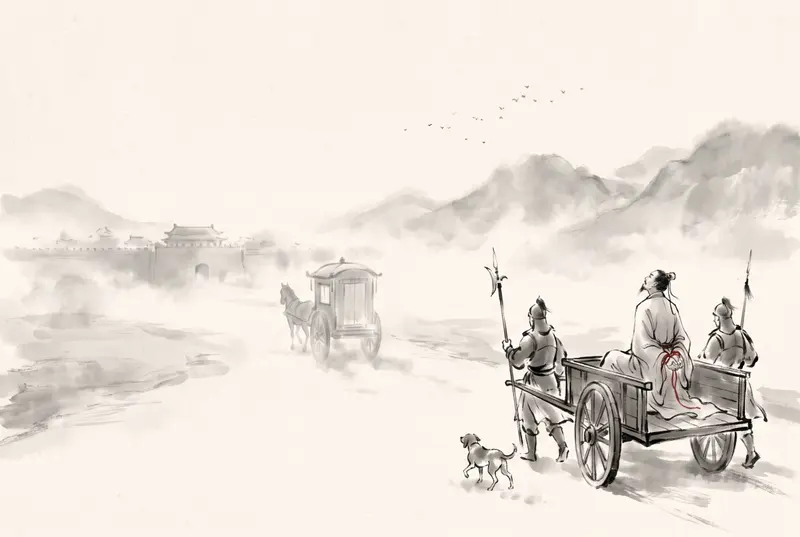
Han Xin took Zhongli Mo's head and went to see the emperor at Chen. The emperor ordered his guards to tie Han Xin up and put him in the carriage behind. Han Xin said, "It is just as people say: 'When the cunning hare is dead, the good hound is boiled; when the high-flying birds are gone, the good bow is put away; when the enemy state is destroyed, the clever minister perishes.' The realm is settled now. Of course I should be boiled!" The emperor said, "Someone has accused you of rebellion." And he had Han Xin put in fetters. When they reached Luoyang, he pardoned Han Xin and made him Marquis of Huaiyin.
Notes (JA)
- 狡兔死、良狗亨: 用が済めば、役に立った者も捨てられる、というたとえ。もとは越王句践に仕えた范蠡の言葉とされ(巻41)、日本では「狡兎死して走狗烹らる」の形で知られる。
- 亨: 「烹」と同じで、煮る。
- 械系: 手かせ足かせをはめてつなぐ。
- 雒陽: 洛陽。
- 淮陰侯: 王から侯に格下げされた。巻の題「淮陰侯列伝」は、この称号による。
Notes (EN)
- "When the cunning hare is dead, the good hound is boiled": once the job is done, those who were useful are thrown away. The saying is traced to Fan Li, minister of King Goujian of Yue (Volume 41).
- 亨: the same as 烹, to boil.
- 械系: to put in fetters.
- Luoyang: written 雒陽 here.
- Marquis of Huaiyin: he was demoted from king to marquis. The volume's title comes from this rank.
Idioms from this passage: When the hare is dead, the hound is cooked 狡兎死して走狗烹らる
Word notes
- hound/haʊnd/noun
a dog used for hunting
In the text: “the good hound is boiled”
Similar words: hunting dog — a dog trained to hunt · dog — the general word
- fetters/ˈfɛtərz/noun
chains put on a prisoner's feet
In the text: “put in fetters”
Similar words: chains — metal rings joined together · shackles — metal rings for wrists or ankles
Passage 9
Original
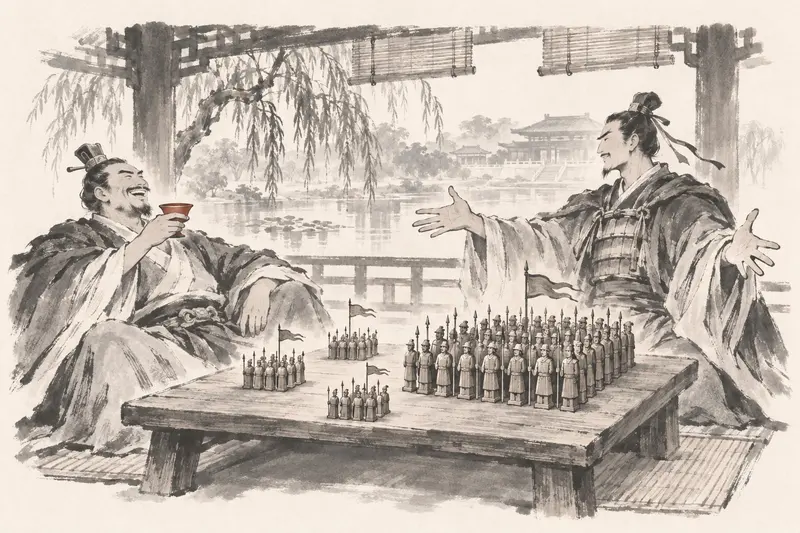
信知漢王畏惡其能,常稱病不朝從。信由此日夜怨望,居常鞅鞅,羞與絳、灌等列。信嘗過樊將軍噲,噲跪拜送迎,言稱臣,曰:『大王乃肯臨臣!』信出門,笑曰:『生乃與噲等爲伍!』上常從容與信言諸將能不,各有差。上問曰:『如我能將幾何?』信曰:『陛下不過能將十萬。』上曰:『於君何如?』曰:『臣多多而益善耳。』上笑曰:『多多益善,何爲爲我禽?』信曰:『陛下不能將兵,而善將將,此乃言之所以爲陛下禽也。且陛下所謂天授,非人力也。』
Kundoku (Japanese reading)
信、漢王の其の能を畏悪するを知り、常に病と称して朝従せず。信是れに由りて日夜怨望し、居常鞅鞅として、絳・灌等と列するを羞ず。信嘗て樊将軍噲に過る。噲跪拝して送迎し、言に臣と称して曰く、「大王乃ち肯えて臣に臨むか」と。信門を出でて笑いて曰く、「生きて乃ち噲等と伍を為すか」と。上常に従容として信と諸将の能不を言うに、各おの差有り。上問いて曰く、「我が如きは能く幾何に将たるか」と。信曰く、「陛下は能く十万に将たるに過ぎず」と。上曰く、「君に於いては何如」と。曰く、「臣は多多にして益ます善きのみ」と。上笑いて曰く、「多多益ます善し。何為れぞ我が禽と為る」と。信曰く、「陛下は兵に将たる能わずして、善く将に将たり。此れ乃ち信の陛下の禽と為りし所以なり。且つ陛下は所謂天授にして、人力に非ざるなり」と。
Japanese
韓信は、漢王が自分の才能を恐れ、嫌っていることを知っていたので、いつも病気と称して朝廷に出たり、お供をしたりしなかった。そのため韓信は日夜うらみを抱き、いつもふさぎこんで、周勃や灌嬰と同列に扱われることを恥じていた。あるとき韓信が樊噲将軍の家に立ち寄ると、樊噲はひざまずいて送り迎えし、自分を「臣」と呼んで、「大王がわざわざわたしのところへおいでくださるとは」と言った。韓信は門を出ると笑って言った。「生きているうちに、樊噲などと同列になろうとはな」。高祖はよく韓信とくつろいで、将軍たちの能力について語り合い、それぞれに優劣をつけた。高祖はたずねた。「わたしなら、どれくらいの兵を率いられるか」。韓信は言った。「陛下は、せいぜい十万を率いられるだけです」。高祖は言った。「では、君はどうだ」。韓信は言った。「わたしは多ければ多いほどよいのです」。高祖は笑って言った。「多ければ多いほどよいのなら、どうしてわたしに捕らえられたのだ」。韓信は言った。「陛下は兵を率いるのは不得手ですが、将軍を率いるのが上手です。それが、わたしが陛下に捕らえられたわけです。それに、陛下のお力は、いわゆる天から授かったもので、人の力ではありません」。
English
Han Xin knew that the King of Han feared and resented his abilities, so he often said he was ill and did not attend court or follow the emperor. Because of this he grew bitter day and night, always sulking, and was ashamed to be ranked with the likes of Zhou Bo and Guan Ying. Once Han Xin called on General Fan Kuai. Fan Kuai knelt and bowed to see him in and out, called himself "your servant," and said, "Your Majesty honors your servant with a visit!" As Han Xin went out of the gate, he laughed and said, "To think I should live to be ranked with the likes of Fan Kuai!" The emperor often talked with Han Xin at leisure about the abilities of the generals, rating each one. He asked, "How many men could someone like me command?" Han Xin said, "Your Majesty could command no more than a hundred thousand." The emperor said, "And you?" He said, "For me, the more the better." The emperor laughed and said, "If the more the better, why did you end up my prisoner?" Han Xin said, "Your Majesty is no good at commanding soldiers, but you are good at commanding generals. That is why I became your prisoner. Besides, Your Majesty's power is what is called a gift of Heaven, not the work of men."
Notes (JA)
- 畏惡: 恐れ、嫌う。
- 鞅鞅: 不満でふさぎこむようす。
- 絳・灌: 絳侯の周勃と、灌嬰。どちらも劉邦の古くからの将。
- 樊噲: 鴻門の会で劉邦を救った将(巻7の章)。劉邦の妻の妹の夫で、劉邦の身内でもある。
- 大王: 韓信がかつて王だったので、こう呼んだ。
- 多多益善: 多ければ多いほどよい。この場面から成語となった。
- 善將將: 将軍を使いこなすのが上手。
- 天授: 天から授かったもの。張良も「沛公は殆ど天授」と言った(巻55の章)。
Notes (EN)
- 畏惡: to fear and dislike.
- 鞅鞅: sulking and discontented.
- Zhou Bo and Guan Ying: two of Liu Bang's old generals.
- Fan Kuai: the general who saved Liu Bang at the Feast at Hongmen (Volume 7). He was married to the empress's younger sister.
- "Your Majesty": Fan Kuai addresses Han Xin as a king, since he had been one.
- 多多益善 ("the more the better"): a saying that comes from this scene.
- 善將將: good at commanding commanders.
- 天授 ("a gift of Heaven"): Zhang Liang too said that the Lord of Pei was "surely sent by Heaven" (Volume 55).
Idioms from this passage: The more, the better 多多益々弁ず
Word notes
- sulk/sʌlk/verb
to be silent and unhappy because you are annoyed
In the text: “always sulking”
Similar words: brood — think unhappily for a long time · pout — push out the lips in annoyance
- at leisure/æt ˈliːʒər/phrase
relaxed, with free time
In the text: “with Han Xin at leisure”
Similar words: at ease — relaxed · unhurried — not in a hurry
- end up/ˌɛnd ˈʌp/phrasal verb
to finally be in a place or situation, often not planned
In the text: “why did you end up my prisoner?”
Similar words: wind up — informal; end up · become — come to be
Passage 10
Original
陳豨拜爲鉅鹿守,辭於淮陰侯。淮陰侯挈其手,辟左右與之步於庭,仰天歎曰:『子可與言乎?欲與子有言也。』豨曰:『唯將軍令之。』淮陰侯曰:『公之所居,天下精兵處也;而公,陛下之信幸臣也。人言公之畔,陛下必不信;再至,陛下乃疑矣;三至,必怒而自將。吾爲公從中起,天下可圖也。』陳豨素知其能也,信之,曰:『謹奉教!』
Kundoku (Japanese reading)
陳豨拝して鉅鹿の守と為り、淮陰侯に辞す。淮陰侯其の手を挈り、左右を辟けて之と庭に歩み、天を仰ぎて歎じて曰く、「子は与に言うべきか。子と言うこと有らんと欲す」と。豨曰く、「唯だ将軍之を令せよ」と。淮陰侯曰く、「公の居る所は、天下の精兵の処なり。而して公は陛下の信幸の臣なり。人公の畔くを言うも、陛下必ず信ぜざらん。再び至らば陛下乃ち疑わん。三たび至らば必ず怒りて自ら将たらん。吾公の為に中より起たば、天下図るべきなり」と。陳豨素より其の能を知るや、之を信じて曰く、「謹んで教えを奉ぜん」と。
Japanese
陳豨が鉅鹿郡の長官に任じられ、淮陰侯(韓信)のところへ別れの挨拶に来た。淮陰侯は陳豨の手を取り、人払いをして一緒に庭を歩き、天を仰いでため息をついて言った。「あなたには打ち明けてもよいだろうか。話したいことがあるのだ」。陳豨は言った。「何なりとお命じください」。淮陰侯は言った。「あなたが行くところは、天下の精兵がいるところだ。そしてあなたは、陛下に信頼され、かわいがられている臣だ。あなたが背いたと言う者がいても、陛下はきっと信じないだろう。二度目には疑い始め、三度目にはきっと怒って、自ら兵を率いて来る。そのとき、わたしがあなたのために都の中から立ち上がれば、天下を取ることもできる」。陳豨は前から韓信の才能を知っていたので、これを信じて言った。「謹んでお教えに従います」。
English
When Chen Xi was appointed governor of Julu, he came to take leave of the Marquis of Huaiyin. The marquis took him by the hand, sent the attendants away and walked with him in the courtyard. Looking up at the sky, he sighed and said, "Can I talk to you? There is something I want to say." Chen Xi said, "Just give me your orders, General." The marquis said, "Where you are going is where the best troops in the realm are, and you are a minister whom His Majesty trusts and favors. If someone says you have rebelled, His Majesty will surely not believe it. If it is said a second time, he will begin to doubt. If it is said a third time, he will surely be angry and lead the army himself. If I rise for you from within, the realm can be ours." Chen Xi had always known his abilities, so he believed him and said, "I will follow your advice."
Notes (JA)
- 陳豨: 劉邦の将。北方の代の地で大軍を率いた。
- 鉅鹿: 項羽が秦軍を破った地(巻7「項羽の登場」の章)。
- 挈其手: 手を取る。
- 辟左右: 人払いをする。
- 從中起: 都の内側から兵を起こす。
Notes (EN)
- Chen Xi: one of Liu Bang's generals, who commanded a large army in the northern land of Dai.
- Julu: where Xiang Yu crushed the Qin army (Volume 7, "The Rise of Xiang Yu").
- 挈其手: to take someone by the hand.
- 辟左右: to send the attendants away.
- 從中起: to rise from within the capital.
Word notes
- courtyard/ˈkɔrtˌjɑrd/noun
an open space surrounded by walls or buildings
In the text: “walked with him in the courtyard”
Similar words: yard — an open area next to a building · quadrangle — a square courtyard
Passage 11
Original
漢十年,陳豨果反。上自將而往,信病不從。陰使人至豨所,曰:『弟舉兵,吾從此助公。』信乃謀與家臣夜詐詔赦諸官徒奴,欲發以襲呂后、太子。部署已定,待豨報。其舍人得罪於信,信囚,欲殺之。舍人弟上變,告信欲反狀於呂后。呂后欲召,恐其黨不就,乃與蕭相國謀,詐令人從上所來,言豨已得死,列侯群臣皆賀。相國紿信曰:『雖疾,彊入賀。』信入,呂后使武士縛信,斬之長樂鐘室。信方斬,曰:『吾悔不用蒯通之計,乃爲兒女子所詐,豈非天哉!』遂夷信三族。
Kundoku (Japanese reading)
漢の十年、陳豨果たして反す。上自ら将として往く。信病みて従わず。陰かに人をして豨の所に至らしめて曰く、「弟だ兵を挙げよ。吾此より公を助けん」と。信乃ち家臣と謀り、夜詔を詐りて諸官の徒奴を赦し、発して以て呂后・太子を襲わんと欲す。部署已に定まり、豨の報を待つ。其の舎人罪を信に得、信囚えて之を殺さんと欲す。舎人の弟変を上り、信の反せんと欲する状を呂后に告ぐ。呂后召さんと欲するも、其の党の就かざるを恐れ、乃ち蕭相国と謀り、詐りて人をして上の所より来たらしめ、豨已に死を得たりと言わしむ。列侯群臣皆賀す。相国信を紿きて曰く、「疾と雖も彊いて入りて賀せよ」と。信入る。呂后武士をして信を縛らしめ、之を長楽の鐘室に斬る。信斬らるるに方りて曰く、「吾蒯通の計を用いずして、乃ち児女子の詐る所と為りしを悔ゆ。豈に天に非ずや」と。遂に信の三族を夷す。
Japanese
漢の十年(前197年)、陳豨ははたして反乱を起こした。高祖は自ら兵を率いて出陣したが、韓信は病気と称して従わなかった。ひそかに陳豨のもとへ人をやり、「とにかく兵を挙げよ。わたしはここから助ける」と伝えた。韓信は家臣と謀り、夜に偽の詔を出して役所の囚人や奴婢を解き放ち、彼らを率いて呂后と太子を襲おうとした。手はずはすっかり整い、陳豨からの知らせを待っていた。ところが、韓信の家来の一人が韓信の怒りを買い、韓信は彼を閉じこめて殺そうとした。その家来の弟が密告し、韓信が謀反を企てているようすを呂后に知らせた。呂后は韓信を呼び出そうとしたが、仲間がいて応じないのではないかと恐れ、相国の蕭何と相談した。そして、高祖のもとから使いが来たように見せかけて、陳豨はもう死んだと言わせた。諸侯や家臣たちはみなお祝いに参内した。蕭何は韓信をだまして言った。「病気でも、無理をしてでもお祝いに参内しなさい」。韓信が参内すると、呂后は武士に命じて韓信を縛らせ、長楽宮の鐘をつるす建物で斬った。韓信は斬られる間際に言った。「蒯通の計略を用いず、女子供にだまされたのが悔やまれる。これも天の定めか」。そして韓信の三族は皆殺しにされた。
English
In the tenth year of Han, Chen Xi did rebel. The emperor led the army himself, but Han Xin said he was ill and did not go. He secretly sent a man to Chen Xi with the message: "Just raise your troops. I will help you from here." Han Xin then plotted with his household to forge an imperial order at night freeing the convicts and slaves held by the government offices, and to use them to attack Empress Lü and the crown prince. Everything was arranged, and he waited for word from Chen Xi. But one of his retainers offended him, and Han Xin locked the man up, meaning to kill him. The retainer's younger brother reported the plot to Empress Lü. The empress wanted to summon Han Xin but feared his followers would not let him come, so she plotted with Chancellor Xiao He. They had a man pretend to arrive from the emperor's camp with news that Chen Xi was already dead, and all the lords and ministers came to court to offer congratulations. Xiao He tricked Han Xin, saying, "Even if you are ill, you should make the effort to come and offer congratulations." Han Xin came in. The empress had her guards tie him up, and he was beheaded in the bell room of the Changle Palace. As he was about to be beheaded, he said, "I regret that I did not follow Kuai Tong's plan, and was tricked by a woman and a child. Is this not the will of Heaven?" And his family to the third degree was wiped out.
Notes (JA)
- 漢十年: 前197年。韓信が殺されたのは翌年(前196年)の初め。
- 弟: 「ただ…せよ」。
- 呂后: 劉邦の妻、呂雉。太子: のちの恵帝。
- 蕭相國: 蕭何。かつて韓信を「国士無双」と推した人が、ここでは韓信をだまして死なせる役回りになる。「成るも蕭何、敗るるも蕭何」という言葉のもと。
- 長樂鐘室: 長楽宮の、鐘をつるした建物。
- 兒女子: 女や子ども。呂后をさげすんだ言い方。
- 夷三族: 一族を皆殺しにする刑(巻6の章にも出てくる)。
Notes (EN)
- Tenth year of Han: 197 BCE. Han Xin was killed early the next year (196 BCE).
- 弟: "just," "simply."
- Empress Lü: Liu Bang's wife, Lü Zhi. The crown prince was the later Emperor Hui.
- Chancellor Xiao He: the man who once called Han Xin "peerless in the realm" now tricks him to his death. A later saying runs, "Made by Xiao He, undone by Xiao He."
- The bell room of the Changle Palace: the building where the palace bells hung.
- 兒女子 ("a woman and a child"): a scornful way to refer to the empress.
- 夷三族: wiping out a whole family (see also Volume 6).
Word notes
- forge/fɔrdʒ/verb
to make a false copy of a document in order to deceive
In the text: “to forge an imperial order”
Similar words: fake — make something false look real · counterfeit — make a false copy, often money
Forge also means to shape metal by heating and hammering.
- regret/rɪˈɡrɛt/verb
to feel sorry about something you did or did not do
In the text: “I regret that I did not follow Kuai Tong's plan”
Similar words: be sorry — feel sad about · repent — feel sorry for a wrong, often religious
Passage 12
Original
髙祖已從豨軍來,至,見信死,且喜且憐之,問:『信死亦何言?』呂后曰:『信言恨不用蒯通計。』髙祖曰:『是齊辯士也。』乃詔齊捕蒯通。蒯通至,上曰:『若教淮陰侯反乎?』對曰:『然,臣固教之。豎子不用臣之策,故令自夷於此。如彼豎子用臣之計,陛下安得而夷之乎!』上怒曰:『亨之。』通曰:『嗟乎,冤哉亨也!』
Kundoku (Japanese reading)
高祖已に豨の軍より来たり、至りて信の死を見、且つ喜び且つ之を憐れみ、問う、「信死するとき亦た何をか言える」と。呂后曰く、「信は蒯通の計を用いざりしを恨むと言えり」と。高祖曰く、「是れ斉の弁士なり」と。乃ち斉に詔して蒯通を捕えしむ。蒯通至る。上曰く、「若、淮陰侯に反を教えしか」と。対えて曰く、「然り。臣固より之に教う。豎子臣の策を用いず、故に自ら此に夷せらるるに至らしむ。如し彼の豎子臣の計を用いば、陛下安くんぞ得て之を夷さんや」と。上怒りて曰く、「之を亨よ」と。通曰く、「嗟乎、冤なるかな亨らるること」と。
Japanese
高祖が陳豨討伐の軍から戻ってきて、韓信が死んだのを知ると、喜ぶ一方で哀れにも思い、たずねた。「韓信は死ぬとき、何か言っていたか」。呂后は言った。「蒯通の計略を用いなかったのが悔やまれる、と言っていました」。高祖は言った。「それは斉の弁論家だ」。そして斉に命じて蒯通を捕らえさせた。蒯通が連れて来られると、高祖は言った。「おまえが淮陰侯に謀反をそそのかしたのか」。蒯通は答えた。「そうです。わたしはたしかに教えました。あの小僧はわたしの策を用いなかったから、自分から身を滅ぼしたのです。もしあの小僧がわたしの計略を用いていたら、陛下にどうして滅ぼすことができたでしょう」。高祖は怒って言った。「こいつを煮殺せ」。蒯通は言った。「ああ、煮殺されるとは、無実の罪だ」。
English
When the emperor came back from the campaign against Chen Xi and found Han Xin dead, he was both glad and sorry for him. He asked, "Did Han Xin say anything when he died?" Empress Lü said, "He said he regretted not following Kuai Tong's plan." The emperor said, "That is the persuader from Qi." He ordered Qi to arrest Kuai Tong. When Kuai Tong was brought in, the emperor said, "Did you tell the Marquis of Huaiyin to rebel?" He answered, "Yes, I certainly did. That boy did not use my plan, and so he brought destruction on himself. If that boy had used my plan, how could Your Majesty have destroyed him?" The emperor said angrily, "Boil him!" Kuai Tong said, "Alas! To be boiled is an injustice!"
Notes (JA)
- 且喜且憐之: 喜びながらも哀れむ。強敵がいなくなった安心と、大功臣を失った哀れみ。
- 辯士: 弁舌で君主に説く人(説客)。
- 豎子: 小僧、若造。人をあざける言葉。鴻門の会で范増も項羽をこう呼んだ。
- 冤: 無実の罪。
Notes (EN)
- 且喜且憐之: glad, and yet sorry: relieved to be rid of a dangerous man, and sad to lose a great servant.
- 辯士: a persuader who advised rulers with his eloquence.
- 豎子 ("that boy"): a word of contempt. Fan Zeng used it of Xiang Yu at the Feast at Hongmen.
- 冤: an injustice, a punishment for no crime.
Word notes
- persuader/pərˈsweɪdər/noun
a person who tries to make others agree, especially rulers
In the text: “That is the persuader from Qi.”
Similar words: adviser — someone who gives advice · orator — a skilled public speaker
- injustice/ɪnˈdʒʌstɪs/noun
unfair treatment; a punishment for no crime
In the text: “To be boiled is an injustice!”
Similar words: wrong — an unfair act · unfairness — lack of fairness
Passage 13
Original
上曰:『若教韓信反,何冤?』對曰:『秦之綱絕而維弛,山東大擾,異姓并起,英俊烏集。秦失其鹿,天下共逐之,於是髙材疾足者先得焉。蹠之狗吠堯,堯非不仁,狗因吠非其主。當是時,臣唯獨知韓信,非知陛下也。且天下銳精持鋒欲爲陛下所爲者甚眾,顧力不能耳。又可盡亨之邪?』髙帝曰:『置之。』乃釋通之罪。
Kundoku (Japanese reading)
上曰く、「若、韓信に反を教う。何ぞ冤ならん」と。対えて曰く、「秦の綱絶えて維弛み、山東大いに擾れ、異姓並び起こり、英俊烏集す。秦其の鹿を失い、天下共に之を逐う。是に於いて高材疾足の者先ず得たり。蹠の狗堯に吠ゆ。堯不仁なるに非ず、狗は因より其の主に非ざるに吠ゆ。是の時に当たりて、臣唯だ独り韓信を知るのみ、陛下を知るに非ざるなり。且つ天下の精を鋭くし鋒を持して陛下の為す所を為さんと欲する者甚だ衆し。顧だ力能わざるのみ。又た尽く之を亨るべけんや」と。高帝曰く、「之を置け」と。乃ち通の罪を釈す。
Japanese
高祖は言った。「おまえは韓信に謀反をそそのかしたのだ。何が無実か」。蒯通は答えた。「秦の網の大綱が切れ、すみ綱がゆるむと、山東は大いに乱れ、劉氏以外のさまざまな家の者が次々と立ち上がり、英雄たちが烏のように群がり集まりました。秦がその鹿を失うと、天下の者がみなでそれを追いかけ、才能があって足の速い者が先に手に入れたのです。大盗賊の盗蹠の犬は、聖人の堯に吠えます。堯が不仁だからではありません。犬はもともと、自分の主人でない者に吠えるものです。あのとき、わたしは韓信しか知らず、陛下のことは知りませんでした。それに、天下には、陛下がなさったことを自分もしようと、精鋭を集め、武器を手にしていた者がたくさんいました。ただ力が及ばなかっただけです。その者たちを、みな煮殺すおつもりですか」。高帝は言った。「放してやれ」。そして蒯通の罪を許した。
English
The emperor said, "You told Han Xin to rebel. What injustice is there?" He answered, "When the great cords of Qin's net broke and its lesser cords went slack, the lands east of the mountains fell into turmoil. Men of other families rose up everywhere, and heroes flocked together like crows. Qin lost its deer, and the whole realm chased after it, and the one with the greatest talent and the swiftest feet got it first. The dog of Robber Zhi barks at the sage Yao. It is not that Yao is unkind; a dog simply barks at anyone who is not its master. At that time I knew only Han Xin, not Your Majesty. Besides, there were many in the realm who sharpened their best troops and took up their weapons, wanting to do what Your Majesty has done. Their strength simply fell short. Would you boil them all?" The emperor said, "Let him go." And he pardoned Kuai Tong.
Notes (JA)
- 綱絕而維弛: 網の大綱(綱)が切れ、四隅の綱(維)がゆるむ。秦の支配が崩れたことのたとえ。
- 異姓: 劉氏(漢の王家)以外の家。
- 秦失其鹿、天下共逐之: 鹿は帝位のたとえ。「中原に鹿を逐う(天下を争う)」という言葉のもと。
- 蹠之狗吠堯: 盗蹠(伯夷列伝にも出てくる大盗賊)の犬が、聖人の堯に吠える。犬は主人に忠実なだけで、相手の善悪とは関係がない、というたとえ。
- 置之: 許してやれ、放っておけ。
Notes (EN)
- 綱絕而維弛: the main cord of a net breaks and the corner cords go slack: the collapse of Qin's rule.
- Men of other families: men not of the Liu clan, the royal house of Han.
- Qin lost its deer: the deer stands for the throne. The source of the saying "to chase the deer," meaning to fight for the realm.
- The dog of Robber Zhi barks at Yao: a dog is loyal to its master and barks at strangers, good or bad. Robber Zhi also appears in the Biography of Boyi.
- 置之: let him go.
Idioms from this passage: Chasing the deer across the Central Plain 中原に鹿を逐う
Word notes
- turmoil/ˈtɜrmɔɪl/noun
a state of great confusion and disorder
In the text: “fell into turmoil”
Similar words: chaos — complete disorder · upheaval — a great change that causes disorder
- flock/flɑk/verb
to gather together in large numbers
In the text: “heroes flocked together like crows”
Similar words: crowd — gather closely · swarm — move in a large group
As a noun, a flock is a group of birds or sheep.
- sage/seɪdʒ/noun
a very wise person, often from ancient times
In the text: “barks at the sage Yao”
Similar words: wise man — a person of great wisdom · philosopher — someone who studies ideas
Sage is also a plant used in cooking.
- pardon/ˈpɑrdən/verb
to officially forgive someone and not punish them
In the text: “And he pardoned Kuai Tong.”
Similar words: forgive — stop being angry with someone · spare — choose not to harm or kill
Passage 14
Original
太史公曰:吾如淮陰,淮陰人爲余言,韓信雖爲布衣時,其志與眾異。其母死,貧無以葬,然乃行營髙敞地,令其旁可置萬家。余視其母冢,良然。假令韓信學道謙讓,不伐己功,不矜其能,則庶幾哉,於漢家勳可以比周、召、太公之徒,後世血食矣。不務出此,而天下已集,乃謀畔逆,夷滅宗族,不亦宜乎!
Kundoku (Japanese reading)
太史公曰く、吾淮陰に如く。淮陰の人余の為に言う、韓信布衣為りし時と雖も、其の志衆と異なれり。其の母死し、貧にして以て葬る無し。然るに乃ち行きて高敞の地を営み、其の旁らに万家を置くべからしむと。余其の母の冢を視るに、良に然り。仮令韓信道を学びて謙譲し、己の功を伐らず、其の能を矜らざれば、則ち庶幾からんか。漢家の勲に於いて以て周・召・太公の徒に比すべく、後世血食せん。此に出づるを務めずして、天下已に集まるに、乃ち畔逆を謀り、宗族を夷滅せらる。亦た宜ならずや。
Japanese
太史公は言う。わたしは淮陰に行ったことがある。淮陰の人がわたしに語ったところでは、韓信は庶民だったころから、志がほかの人と違っていた。母が死んだとき、貧しくて葬式も出せなかったが、それでも、高く開けた土地を探して墓を造り、そのまわりに一万戸の家が置けるようにしたという。わたしがその母の墓を見ると、本当にそのとおりであった。もし韓信が道を学んで謙虚になり、自分の手柄を誇らず、自分の才能を自慢しなかったなら、ほぼ申し分なかっただろう。漢の家の功臣として、周公・召公・太公望のような人々と並び、子孫は後の世まで祭りを絶やさなかっただろう。それに努めず、天下がもう一つにまとまってから反逆を企て、一族を皆殺しにされた。当然のことではないか。
English
The Grand Historian says: I have been to Huaiyin. The people of Huaiyin told me that even when Han Xin was a commoner, his ambitions were different from other men's. When his mother died, he was too poor to give her a funeral, yet he went and found high, open ground for her grave, with room around it for ten thousand households. I saw his mother's tomb, and it was true. If Han Xin had learned the Way and been modest, not boasting of his merit or priding himself on his abilities, he would have come close to perfection. Among the great servants of the house of Han he could have been compared with the Duke of Zhou, the Duke of Shao and Taigong, and his descendants would have kept up his rites for generations. But he did not strive for this. Instead, when the realm had already been united, he plotted rebellion, and his clan was wiped out. Was that not only to be expected?
Notes (JA)
- 布衣: 庶民。
- 令其旁可置萬家: 墓のまわりに一万戸を置けるほど広い土地を選んだ。一万戸の墓守は王侯の墓にふさわしい。若いころから大志を抱いていたことを示す。
- 周・召・太公: 周の建国を支えた周公旦・召公奭・太公望(伯夷列伝の章にも太公望が出てくる)。
- 血食: 子孫に祭られ続けること。
- 不亦宜乎: 当然ではないか。司馬遷は韓信に同情しつつも、謙虚さを欠いたことを厳しく評している。韓信が本当に謀反を企てたかどうかは、後世さまざまに議論されている。
Notes (EN)
- 布衣: a commoner.
- Room for ten thousand households: a grave fit for a lord, a sign of his great ambition even when poor.
- The Duke of Zhou, the Duke of Shao and Taigong: the founding ministers of the Zhou dynasty (Taigong also appears in the Biography of Boyi).
- 血食: having one's rites kept up by descendants.
- "Was that not only to be expected?": Sima Qian sympathizes with Han Xin but judges him harshly for his lack of modesty. Whether Han Xin really plotted rebellion has been debated ever since.
Word notes
- modest/ˈmɑdɪst/adjective
not talking much about your own abilities or successes
In the text: “learned the Way and been modest”
Similar words: humble — not proud · unassuming — quiet and not showing off
- boast/boʊst/verb
to talk with too much pride about yourself
In the text: “not boasting of his merit”
Similar words: brag — informal; boast · show off — try to impress others