Biographies · Vol. 94
The Biography of Tian Dan 田儋列傳
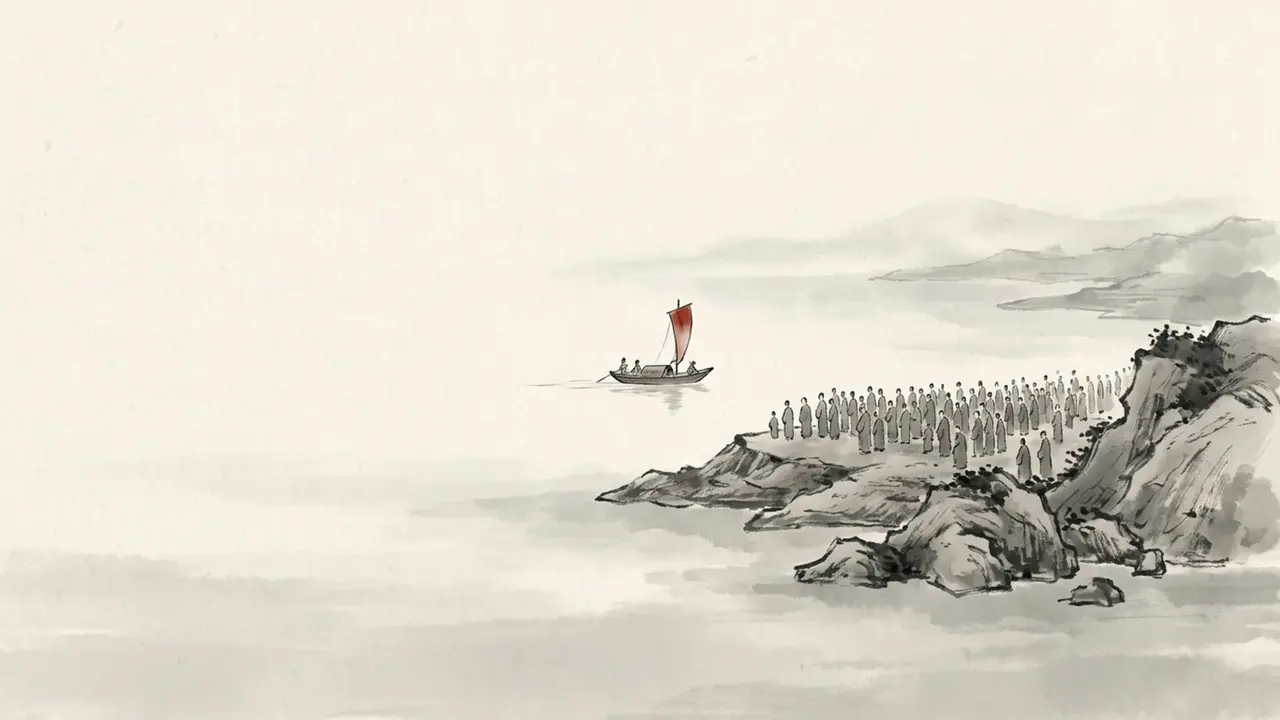
The story of three brothers of the old royal house of Qi, Tian Dan, Tian Rong and Tian Heng, who one after another became kings of Qi at the end of the Qin. When Chen Sheng rose, Tian Dan killed his county magistrate and proclaimed himself King of Qi, but was soon killed by the Qin general Zhang Han. His brother Tian Rong drove out Tian Jia, whom the people of Qi had made king, and left Xiang Liang to his fate; so Xiang Yu hated him and gave him no kingdom. In his anger Tian Rong killed the kings Xiang Yu had set up and took the whole of Qi, but Xiang Yu attacked him and he was killed. The youngest brother, Tian Heng, gathered the scattered troops, fought back against Xiang Yu, and ruled Qi with Tian Rong's son as king. But after he trusted the Han envoy Li Yiji and lowered his guard, Han Xin fell on Qi, and Tian Heng boiled Li Yiji alive and fled. When Han won the realm, Tian Heng retreated to an island in the sea with five hundred followers. Liu Bang summoned him, promising to make him a king or a marquis, and he set out for Luoyang with two retainers. But thirty li from the capital he cut his own throat, saying that he had once called himself a king just as the king of Han had done, and could not bear to serve him now as a captive. His two retainers killed themselves beside his grave, and when the five hundred on the island heard of his death, they all killed themselves too.
Audio
The audio is synthetic speech.
Video
Passage 1
Original
田儋者,狄人也,故齊王田氏族也。儋從弟田榮,榮弟田橫,皆豪,宗彊,能得人。陳涉之初起王楚也,使周市略定魏地,北至狄,狄城守。田儋詳為縛其奴,從少年之廷,欲謁殺奴。見狄令,因擊殺令,而召豪吏子弟曰:「諸侯皆反秦自立,齊,古之建國,儋,田氏,當王。」遂自立為齊王,發兵以擊周市。周市軍還去,田儋因率兵東略定齊地。
Kundoku (Japanese reading)
田儋は、狄の人なり。故の斉王田氏の族なり。儋の従弟田栄、栄の弟田横、皆豪にして、宗彊く、能く人を得たり。陳渉の初めて起ちて楚に王たるや、周市をして魏の地を略定せしめ、北のかた狄に至る。狄城守る。田儋詳りて其の奴を縛すと為し、少年を従えて廷に之き、謁して奴を殺さんと欲す。狄令に見え、因りて令を撃殺し、而して豪吏の子弟を召して曰く、「諸侯皆秦に反して自立す。斉は、古の建国なり。儋は、田氏なり。当に王たるべし」と。遂に自立して斉王と為り、兵を発して以て周市を撃つ。周市の軍還り去る。田儋因りて兵を率いて東のかた斉の地を略定す。
Japanese
田儋は狄の人で、昔の斉王の一族、田氏である。田儋のいとこの田栄、田栄の弟の田横は、皆、豪傑で、一族の力も強く、人の心をつかむのがうまかった。陳渉(陳勝)が兵を挙げて楚の王となったはじめのころ、周市に魏の地を平定させ、周市は北の狄まで来た。狄の町は城を閉ざして守った。田儋は、自分の奴隷を縛ったふりをして、若者たちを連れて役所へ行き、「この奴隷を殺す許可をいただきたい」と願い出た。そして狄の県令に会うと、そのすきに県令を打ち殺し、有力な役人の子弟を集めて言った。「諸侯は皆、秦に背いて自ら王を名のっている。斉は古くからの国だ。わたし儋は田氏の者だから、王になるべきだ」。こうして自ら斉王となり、兵を出して周市を攻めた。周市の軍は引き返していった。田儋は兵を率いて東へ進み、斉の地を平定した。
English
Tian Dan was a man of Di, of the Tian clan, the old royal house of Qi. His cousin Tian Rong and Tian Rong's younger brother Tian Heng were all bold men from a strong family, who knew how to win men over. When Chen She first rose and became king of Chu, he sent Zhou Shi to conquer the land of Wei, and Zhou Shi came north as far as Di. The city of Di shut its gates. Tian Dan pretended to tie up one of his slaves, and went to the magistrate's hall with a band of young men, as if to ask leave to kill the slave. When he saw the magistrate of Di, he struck him dead. Then he called together the sons and brothers of the leading officials and said: "All the lords have rebelled against Qin and set themselves up. Qi is a state founded long ago, and I, Dan, am a Tian. I ought to be king." So he made himself King of Qi and sent out his troops to attack Zhou Shi. Zhou Shi's army turned back, and Tian Dan led his troops east and took the land of Qi.
Notes (JA)
- 狄: 斉の県(今の山東省高青県のあたり)。
- 田氏: 戦国時代の斉の王家。もとは陳から来た田完の子孫で、姜姓の斉を乗っ取った。
- 陳涉: 陳勝。涉は字(048-chen-sheng の章)。
- 詳: いつわる。「佯」と同じ。
Notes (EN)
- Di (狄): a county of Qi, in northern Shandong.
- The Tian clan (田氏): kings of Qi in the Warring States period.
- Chen She (陳涉): Chen Sheng, leader of the first rising against Qin (chapter 048).
Word notes
- pretend/prɪˈtɛnd/verb
to behave as if something is true when it is not
In the text: “Tian Dan pretended to tie up one of his slaves”
Similar words: feign — act as if (formal) · fake — make something seem real
- magistrate/ˈmædʒəˌstreɪt/noun
an official who governs a county and judges cases
In the text: “When he saw the magistrate of Di”
Similar words: governor — the head of a region · judge — a person who decides cases
Passage 2
Original
秦將章邯圍魏王咎於臨濟,急。魏王請救於齊,齊王田儋將兵救魏。章邯夜銜枚擊,大破齊、魏軍,殺田儋於臨濟下。儋弟田榮收儋餘兵東走東阿。齊人聞王田儋死,乃立故齊王建之弟田假為齊王、田角為相、田間為將,以距諸侯。田榮之走東阿,章邯追圍之。項梁聞田榮之急,乃引兵擊破章邯軍東阿下。章邯走而西,項梁因追之。而田榮怒齊之立假,乃引兵歸,擊逐齊王假。假亡走楚。齊相角亡走趙;角弟田閒前求救趙,因留不敢歸。田榮乃立田儋子市為齊王。榮相之,田橫為將,平齊地。
Kundoku (Japanese reading)
秦の将章邯、魏王咎を臨済に囲み、急なり。魏王救いを斉に請う。斉王田儋兵を将いて魏を救う。章邯夜枚を銜みて撃ち、大いに斉・魏の軍を破り、田儋を臨済の下に殺す。儋の弟田栄、儋の余兵を収めて東のかた東阿に走る。斉人王田儋の死するを聞き、乃ち故の斉王建の弟田仮を立てて斉王と為し、田角相と為り、田間将と為り、以て諸侯を距ぐ。田栄の東阿に走るや、章邯追いて之を囲む。項梁田栄の急なるを聞き、乃ち兵を引きて章邯の軍を東阿の下に撃破す。章邯走りて西す。項梁因りて之を追う。而して田栄、斉の仮を立つるを怒り、乃ち兵を引きて帰り、斉王仮を撃ち逐う。仮亡げて楚に走る。斉の相角亡げて趙に走る。角の弟田間前に救いを趙に求め、因りて留まりて敢えて帰らず。田栄乃ち田儋の子市を立てて斉王と為す。栄之に相たり、田横将と為り、斉の地を平らぐ。
Japanese
秦の将軍章邯が魏王咎を臨済で囲み、魏は危うくなった。魏王が斉に救いを求めると、斉王田儋は兵を率いて魏を救いに行った。章邯は夜、兵士に枚(声を立てないための木片)をくわえさせて襲い、斉と魏の軍を大いに破って、田儋を臨済の城下で殺した。田儋の弟の田栄は、生き残った兵を集めて東の東阿へ逃れた。斉の人々は王の田儋が死んだと聞くと、昔の斉王建の弟の田仮を斉王に立て、田角を宰相、田間を将軍にして、諸侯に対抗した。田栄が東阿へ逃げると、章邯は追ってきて囲んだ。項梁は田栄が危ういと聞いて、兵を率いて東阿の城下で章邯の軍を打ち破った。章邯は西へ逃げ、項梁はそれを追った。一方、田栄は斉人が田仮を王に立てたことに怒り、兵を率いて帰って斉王の田仮を攻めて追い出した。田仮は楚へ逃げ、宰相の田角は趙へ逃げた。田角の弟の田間は、先に趙へ救いを求めに行っていたが、そのまま趙にとどまって帰ろうとしなかった。田栄は田儋の子の田市を斉王に立て、自分は宰相となり、田横を将軍にして、斉の地を平定した。
English
The Qin general Zhang Han besieged Jiu, the king of Wei, at Linji, and pressed him hard. The king of Wei asked Qi for help, and Tian Dan, King of Qi, led his army to save Wei. Zhang Han attacked by night with gags in his soldiers' mouths, utterly defeated the armies of Qi and Wei, and killed Tian Dan below the walls of Linji. Tian Dan's brother Tian Rong gathered what was left of his army and fled east to Dong'e. When the people of Qi heard that their king Tian Dan was dead, they made Tian Jia, the younger brother of Jian, the last king of Qi, their king, with Tian Jiao as chancellor and Tian Jian as general, to hold off the lords. When Tian Rong fled to Dong'e, Zhang Han followed and besieged him. Xiang Liang heard that Tian Rong was in danger and led his army to defeat Zhang Han below the walls of Dong'e. Zhang Han fled west, and Xiang Liang went after him. But Tian Rong was angry that Qi had made Tian Jia king, so he led his troops home and drove Tian Jia out. Tian Jia fled to Chu. The chancellor Tian Jiao fled to Zhao. Tian Jiao's brother Tian Jian had already gone to Zhao to ask for help, and he stayed there and did not dare come back. Tian Rong made Tian Dan's son Shi King of Qi. Tian Rong was his chancellor and Tian Heng his general, and they brought the land of Qi under control.
Notes (JA)
- 銜枚: 兵士に木片をくわえさせて声を出させないこと。夜襲のときに行った。
- 齊王建: 戦国時代の斉の最後の王。秦に降伏した(前221年)。
- 東阿: 今の山東省陽穀県の東阿鎮。
Notes (EN)
- Gags (銜枚): wooden sticks held in the mouth so that soldiers made no sound in a night attack.
- Jian, the last king of Qi (齊王建): who surrendered to Qin in 221 BCE.
- Dong'e (東阿): in western Shandong.
Word notes
- besiege/bɪˈsidʒ/verb
to surround a city with an army
In the text: “besieged Jiu, the king of Wei”
Similar words: surround — be all around · lay siege to — besiege
- gag/ɡæɡ/noun
something put in or over the mouth to stop a person making a sound
In the text: “with gags in his soldiers' mouths”
Similar words: muzzle — a cover for the mouth · plug — something that blocks an opening
Passage 3
Original
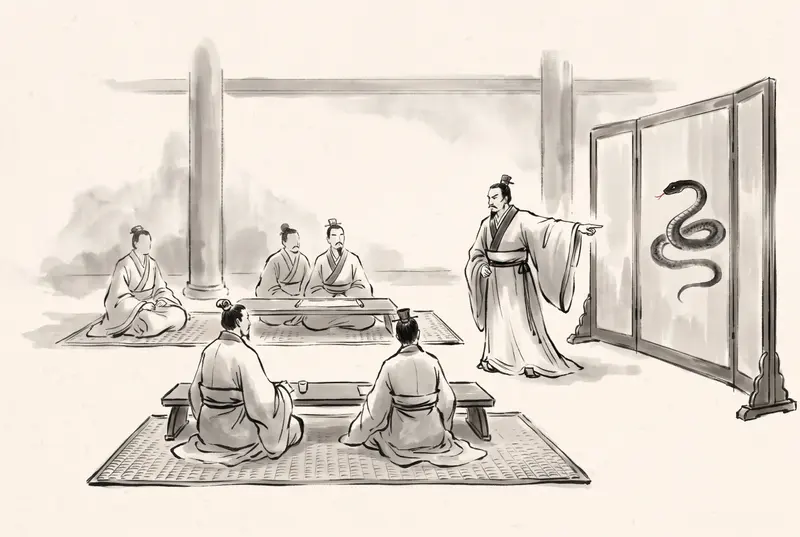
項梁既追章邯,章邯兵益盛,項梁使使告趙、齊,發兵共擊章邯。田榮曰:「使楚殺田假,趙殺田角、田閒,閒肯出兵。」楚懷王曰:「田假與國之王,窮而歸我,殺之不義。」趙亦不殺田角、田閒以市於齊。齊曰:「蝮螫手則斬手,螫足則斬足。何者?為害於身也。今田假、田角、田閒於楚、趙,非直手足戚也,何故不殺?且秦復得志於天下,則齮龁用事者墳墓矣。」楚、趙不聽,齊亦怒,終不肯出兵。章邯果敗殺項梁,破楚兵,楚兵東走,而章邯渡河圍趙於鉅鹿。項羽往救趙,由此怨田榮。
Kundoku (Japanese reading)
項梁既に章邯を追い、章邯の兵益々盛んなり。項梁使いをして趙・斉に告げしめ、兵を発して共に章邯を撃たんとす。田栄曰く、「楚をして田仮を殺さしめ、趙をして田角・田間を殺さしめば、乃ち肯えて兵を出ださん」と。楚の懐王曰く、「田仮は与国の王なり。窮して我に帰す。之を殺すは不義なり」と。趙も亦た田角・田間を殺して以て斉に市らず。斉曰く、「蝮手を螫せば則ち手を斬り、足を螫せば則ち足を斬る。何となれば、身に害を為せばなり。今田仮・田角・田間の楚・趙に於けるは、直だ手足の戚のみに非ず。何の故に殺さざる。且つ秦復た志を天下に得ば、則ち事を用うる者の墳墓を齮齕せん」と。楚・趙聴かず。斉も亦た怒り、終に肯えて兵を出ださず。章邯果たして項梁を敗殺し、楚の兵を破り、楚の兵東に走る。而して章邯河を渡りて趙を鉅鹿に囲む。項羽往きて趙を救い、此に由りて田栄を怨む。
Japanese
項梁が章邯を追ううちに、章邯の兵はますます勢いを増した。項梁は趙と斉に使者を送り、兵を出してともに章邯を討とうと呼びかけた。田栄は言った。「楚が田仮を、趙が田角と田間を殺すなら、兵を出そう」。楚の懐王は「田仮は同盟国の王で、困りはてて頼ってきたのだ。殺すのは不義だ」と言った。趙も田角と田間を殺して斉の機嫌をとろうとはしなかった。斉は言った。「まむしが手をかめば手を、足をかめば足を斬り落とす。なぜか。体に害を及ぼすからだ。いま田仮・田角・田間は、楚や趙にとって手足ほどの身内でもない。どうして殺さないのか。それに、もし秦がふたたび天下で思いのままになれば、秦に逆らって事を起こした者は、墓まであばかれるだろう」。楚と趙は聞き入れず、斉も怒って、ついに兵を出さなかった。章邯は果たして項梁を破って殺し、楚の軍を打ち破って、楚の兵は東へ逃げた。章邯は黄河を渡り、趙を鉅鹿に囲んだ。項羽は趙を救いに行き、このことから田栄を恨むようになった。
English
After Xiang Liang had chased Zhang Han, Zhang Han's army grew stronger and stronger. Xiang Liang sent envoys to Zhao and Qi, asking them to send troops to attack Zhang Han together. Tian Rong said: "If Chu kills Tian Jia, and Zhao kills Tian Jiao and Tian Jian, then I will send troops." King Huai of Chu said: "Tian Jia is the king of an allied state. He came to me in his need. It would be wrong to kill him." Zhao too would not kill Tian Jiao and Tian Jian to buy the favour of Qi. Qi said: "When a viper bites your hand, you cut off the hand; when it bites your foot, you cut off the foot. Why? Because it will harm the whole body. Now Tian Jia, Tian Jiao and Tian Jian are not even as close to Chu and Zhao as their own hands and feet. Why not kill them? Besides, if Qin has its way in the realm again, it will dig up the graves of everyone who took part in this." Chu and Zhao would not listen, and Qi, angry in its turn, never would send its troops. Just as feared, Zhang Han defeated and killed Xiang Liang, broke the army of Chu, and the men of Chu fled east. Then Zhang Han crossed the Yellow River and besieged Zhao at Julu. Xiang Yu went to save Zhao, and from then on he hated Tian Rong.
Notes (JA)
- 蝮螫手則斬手: まむしにかまれた手は斬り落とす。害になるものは、身内でも思い切って断ち切れというたとえ。
- 齮齕: かみつく。ここでは墓をあばいて辱めること。
- 項梁は定陶で章邯に敗れて死んだ。斉が兵を出さなかったことを、項羽は許さなかった(007-julu の章)。
Notes (EN)
- When a viper bites your hand, cut off the hand (蝮螫手則斬手): cut away whatever threatens you, however close.
- Dig up the graves (齮齕墳墓): to dishonour the dead.
- Xiang Liang died at Dingtao; Xiang Yu never forgave Qi for holding back (chapter 007, Julu).
Idioms from this passage: When a viper bites your hand, cut off the hand 蝮手を螫せば則ち手を斬る
Word notes
- viper/ˈvaɪpər/noun
a poisonous snake
In the text: “When a viper bites your hand”
Similar words: adder — a small poisonous snake · serpent — a snake (literary)
- buy the favour/baɪ ðə ˈfeɪvər/phrase
to do something just to make someone like or help you
In the text: “to buy the favour of Qi”
Similar words: curry favour — try to win approval · win over — gain support
British spelling: favour (US: favor).
Passage 4
Original
項羽既存趙,降章邯等,西屠咸陽,滅秦而立侯王也,乃徙齊王田市更王膠東,治即墨。齊將田都從共救趙,因入關,故立都為齊王,治臨淄。故齊王建孫田安,項羽方渡河救趙,田安下濟北數城,引兵降項羽,項羽立田安為濟北王,治博陽。田榮以負項梁不肯出兵助楚、趙攻秦,故不得王;趙將陳餘亦失職,不得王:二人俱怨項王。項王既歸,諸侯各就國,田榮使人將兵助陳餘,令反趙地,而榮亦發兵以距擊田都,田都亡走楚。田榮留齊王市,無令之膠東。市之左右曰:「項王彊暴,而王當之膠東,不就國,必危。」市懼,乃亡就國。田榮怒,追擊殺齊王市於即墨,還攻殺濟北王安。於是田榮乃自立為齊王,盡并三齊之地。
Kundoku (Japanese reading)
項羽既に趙を存し、章邯等を降し、西のかた咸陽を屠り、秦を滅ぼして侯王を立つるや、乃ち斉王田市を徙して更めて膠東に王とし、即墨に治せしむ。斉の将田都、従いて共に趙を救い、因りて関に入る。故に都を立てて斉王と為し、臨淄に治せしむ。故の斉王建の孫田安、項羽方に河を渡りて趙を救うとき、田安済北の数城を下し、兵を引きて項羽に降る。項羽田安を立てて済北王と為し、博陽に治せしむ。田栄、項梁に負きて肯えて兵を出だして楚・趙を助けて秦を攻めざりしを以て、故に王たるを得ず。趙の将陳余も亦た職を失い、王たるを得ず。二人倶に項王を怨む。項王既に帰り、諸侯各々国に就く。田栄人をして兵を将いて陳余を助け、趙の地に反せしめ、而して栄も亦た兵を発して以て田都を距ぎ撃つ。田都亡げて楚に走る。田栄斉王市を留め、膠東に之かしむる無し。市の左右曰く、「項王は彊暴なり。而して王当に膠東に之くべし。国に就かずんば、必ず危うし」と。市懼れ、乃ち亡げて国に就く。田栄怒り、追いて斉王市を即墨に撃殺し、還りて済北王安を攻殺す。是に於いて田栄乃ち自立して斉王と為り、尽く三斉の地を并す。
Japanese
項羽は趙を救い、章邯らを降伏させ、西へ進んで咸陽で虐殺を行い、秦を滅ぼして諸侯や王を立てた。そのとき、斉王田市を膠東の王に移して即墨を都とさせた。斉の将軍田都は項羽に従って趙を救い、そのまま関中に入ったので、田都を斉王に立て、臨淄を都とさせた。昔の斉王建の孫の田安は、項羽が黄河を渡って趙を救ったとき、済北のいくつかの城を落とし、兵を率いて項羽に降った。項羽は田安を済北王に立て、博陽を都とさせた。田栄は、項梁を裏切って兵を出さず、楚と趙を助けて秦を攻めなかったので、王になれなかった。趙の将軍陳余もまた地位を失って王になれず、二人はともに項王を恨んだ。項王が国へ帰り、諸侯がそれぞれ自分の国へ帰ると、田栄は人に兵を率いさせて陳余を助け、趙の地で反乱を起こさせた。田栄自身も兵を出して田都を迎え撃ち、田都は楚へ逃げた。田栄は斉王田市を引き留めて、膠東へ行かせなかった。田市の側近たちは言った。「項王は強くて乱暴です。王は膠東へ行くべきです。国へ行かなければ、きっと危ないことになります」。田市は恐れて、こっそり逃げ出して膠東の国へ行った。田栄は怒り、追いかけて斉王田市を即墨で殺し、引き返して済北王田安も攻め殺した。こうして田栄は自ら斉王となり、三つに分けられた斉の地をすべて併せた。
English
When Xiang Yu had saved Zhao, accepted the surrender of Zhang Han and the others, gone west to sack Xianyang, destroyed Qin and set up the lords and kings, he moved Tian Shi, King of Qi, to be King of Jiaodong instead, with his capital at Jimo. Tian Du, a general of Qi, had gone with him to save Zhao and then entered the pass with him, so Tian Du was made King of Qi, with his capital at Linzi. Tian An, grandson of Jian, the last king of Qi, had taken several cities in Jibei while Xiang Yu was crossing the river to save Zhao, and had come over to Xiang Yu with his troops; so Xiang Yu made Tian An King of Jibei, with his capital at Boyang. Because Tian Rong had let Xiang Liang down and would not send troops to help Chu and Zhao against Qin, he was given no kingdom. Chen Yu, a general of Zhao, had also lost his place and was given no kingdom, and both of them hated King Xiang. When King Xiang had gone home and the lords had gone to their own states, Tian Rong sent men with troops to help Chen Yu rise in Zhao, and sent out his own troops to attack Tian Du. Tian Du fled to Chu. Tian Rong kept Tian Shi, King of Qi, with him and would not let him go to Jiaodong. Tian Shi's attendants said: "King Xiang is strong and violent, and Your Majesty is supposed to go to Jiaodong. If you do not go to your kingdom, you will surely be in danger." Tian Shi was afraid and slipped away to his kingdom. Tian Rong was furious. He went after him, killed Tian Shi, King of Qi, at Jimo, and on his way back attacked and killed Tian An, King of Jibei. Then Tian Rong made himself King of Qi and took the whole land of the three Qi.
Notes (JA)
- 三齊: 項羽が斉を膠東・斉・済北の三つに分けた地。
- 陳餘: 張耳とともに趙を支えた人物。のちに韓信に敗れて死ぬ(089-zhang-er-chen-yu の章)。
- 田栄の反乱は、項羽が斉に釘づけになり、劉邦が関中から出るきっかけとなった。
Notes (EN)
- The three Qi (三齊): Jiaodong, Qi and Jibei, the three kingdoms into which Xiang Yu split Qi.
- Chen Yu (陳餘): Zhang Er's partner, later killed by Han Xin (chapter 089).
- Tian Rong's revolt kept Xiang Yu busy in Qi and gave Liu Bang his chance to break out of the west.
Word notes
- sack/sæk/verb
to destroy and rob a captured city
In the text: “gone west to sack Xianyang”
Similar words: plunder — steal by force · pillage — rob with violence
- slip away/slɪp əˈweɪ/phrasal verb
to leave quietly without being noticed
In the text: “slipped away to his kingdom”
Similar words: steal away — leave secretly · sneak off — go quietly
Passage 5
Original
項王聞之,大怒,乃北伐齊。齊王田榮兵敗,走平原,平原人殺榮。項王遂燒夷齊城郭,所過者盡屠之。齊人相聚畔之。榮弟橫,收齊散兵,得數萬人,反擊項羽於城陽。而漢王率諸侯敗楚,入彭城。項羽聞之,乃醳齊而歸,擊漢於彭城,因連與漢戰,相距滎陽。以故田橫復得收齊城邑,立田榮子廣為齊王,而橫相之,專國政,政無巨細皆斷於相。
Kundoku (Japanese reading)
項王之を聞き、大いに怒り、乃ち北のかた斉を伐つ。斉王田栄の兵敗れ、平原に走る。平原の人栄を殺す。項王遂に斉の城郭を焼夷し、過ぐる所の者は尽く之を屠る。斉人相聚まりて之に畔く。栄の弟横、斉の散兵を収め、数万人を得て、反って項羽を城陽に撃つ。而して漢王諸侯を率いて楚を敗り、彭城に入る。項羽之を聞き、乃ち斉を醳きて帰り、漢を彭城に撃ち、因りて連りに漢と戦い、滎陽に相距ぐ。故を以て田横復た斉の城邑を収むるを得、田栄の子広を立てて斉王と為し、而して横之に相たり、国政を専らにし、政巨細と無く皆相に断ず。
Japanese
項王はこれを聞いて大いに怒り、北へ進んで斉を討った。斉王田栄の兵は敗れて平原へ逃げ、平原の人が田栄を殺した。項王はそのまま斉の城壁を焼き払い、通る所の住民を皆殺しにした。斉の人々は集まって項羽に背いた。田栄の弟の田横は、斉の散らばった兵を集めて数万人を得、逆に城陽で項羽を攻めた。そのあいだに漢王が諸侯を率いて楚を破り、彭城に入った。項羽はこれを聞いて斉を放っておいて引き返し、彭城で漢を撃ち、そのまま漢と戦い続けて、滎陽でにらみ合った。そのおかげで田横は斉の町々をふたたび取りもどし、田栄の子の田広を斉王に立て、自分は宰相として国の政治を一手に握った。政治は大小となく、すべて宰相の田横が決めた。
English
When King Xiang heard of this he was furious, and went north to attack Qi. The army of Tian Rong, King of Qi, was beaten and fled to Pingyuan, where the people of Pingyuan killed him. Then King Xiang burned and levelled the walls of the cities of Qi, and slaughtered everyone in the places he passed through. The people of Qi gathered together and rose against him. Tian Rong's brother Heng collected the scattered soldiers of Qi, tens of thousands of them, and turned to attack Xiang Yu at Chengyang. Meanwhile the king of Han led the lords to defeat Chu and entered Pengcheng. When Xiang Yu heard of it, he let Qi go and went back to attack Han at Pengcheng, and after that he fought Han again and again, and they faced each other at Xingyang. Because of this Tian Heng was able to win back the cities of Qi. He made Tian Rong's son Guang King of Qi and became his chancellor. He ran the government of the state alone, and every matter, great or small, was decided by the chancellor.
Notes (JA)
- 平原: 今の山東省平原県。
- 燒夷: 焼き払って平らにすること。項羽の残虐さが斉の人々をかえって団結させた。
- 醳: 放す、捨てる。「釈」と同じ。
Notes (EN)
- Pingyuan (平原): in northwestern Shandong.
- Burned and levelled (燒夷): Xiang Yu's cruelty only united the people of Qi against him.
- Let Qi go (醳齊): he abandoned the campaign to deal with Liu Bang.
Word notes
- slaughter/ˈslɔtər/verb
to kill many people cruelly
In the text: “slaughtered everyone in the places he passed through”
Similar words: massacre — kill many people · butcher — kill cruelly
- scattered/ˈskætərd/adjective
spread over a wide area
In the text: “collected the scattered soldiers of Qi”
Similar words: dispersed — spread out · strewn — thrown around
Passage 6
Original
橫定齊三年,漢王使酈生往說下齊王廣及其相國橫。橫以為然,解其歷下軍。漢將韓信引兵且東擊齊。齊初使華無傷、田解軍於歷下以距漢,漢使至,乃罷守戰備,縱酒,且遣使與漢平。漢將韓信已平趙、燕,用蒯通計,度平原,襲破齊歷下軍,因入臨淄。齊王廣、相橫怒,以酈生賣己,而亨酈生。齊王廣東走高密,相橫走博(陽),守相田光走城陽,將軍田既軍於膠東。楚使龍且救齊,齊王與合軍高密。漢將韓信與曹參破殺龍且,虜齊王廣。漢將灌嬰追得齊守相田光。至博(陽),而橫聞齊王死,自立為齊王,還擊嬰,嬰敗橫之軍於嬴下。田橫亡走梁,歸彭越。彭越是時居梁地,中立,且為漢,且為楚。韓信已殺龍且,因令曹參進兵破殺田既於膠東,使灌嬰破殺齊將田吸於千乘。韓信遂平齊,乞自立為齊假王,漢因而立之。
Kundoku (Japanese reading)
横斉を定むること三年、漢王酈生をして往きて斉王広及び其の相国横を説き下さしむ。横以て然りと為し、其の歴下の軍を解く。漢の将韓信、兵を引きて且に東のかた斉を撃たんとす。斉初め華無傷・田解をして歴下に軍して以て漢を距がしむ。漢の使い至り、乃ち守戦の備えを罷め、酒を縦にし、且つ使いを遣わして漢と平らがんとす。漢の将韓信已に趙・燕を平らげ、蒯通の計を用い、平原を度り、襲いて斉の歴下の軍を破り、因りて臨淄に入る。斉王広・相横怒り、酈生の己を売るを以て、而して酈生を亨る。斉王広東のかた高密に走り、相横博(陽)に走り、守相田光城陽に走り、将軍田既膠東に軍す。楚龍且をして斉を救わしむ。斉王与に軍を高密に合す。漢の将韓信、曹参と龍且を破殺し、斉王広を虜にす。漢の将灌嬰、斉の守相田光を追得す。博(陽)に至り、而して横斉王の死するを聞き、自立して斉王と為り、還りて嬰を撃つ。嬰横の軍を嬴下に敗る。田横亡げて梁に走り、彭越に帰す。彭越是の時梁の地に居り、中立し、且つは漢の為にし、且つは楚の為にす。韓信已に龍且を殺し、因りて曹参をして兵を進めて田既を膠東に破殺せしめ、灌嬰をして斉の将田吸を千乗に破殺せしむ。韓信遂に斉を平らげ、自立して斉の仮王と為らんことを乞う。漢因りて之を立つ。
Japanese
田横が斉を治めて三年たったとき、漢王は酈生(酈食其)をやって、斉王田広とその相国田横を説得し、漢に降らせようとした。田横はもっともだと思い、歴下に置いていた軍を解いた。漢の将軍韓信は、兵を率いて東へ進み、斉を攻めようとしていた。斉ははじめ華無傷と田解に歴下を守らせて漢を防いでいたが、漢の使者が来たので守りの備えをやめ、酒盛りをして、使者を送って漢と和睦しようとした。漢の将軍韓信はすでに趙と燕を平定しており、蒯通の計略を用いて平原の渡しを越え、不意をついて歴下の斉軍を破り、そのまま臨淄に入った。斉王田広と宰相田横は、酈生にだまされたと怒って、酈生を煮殺した。斉王田広は東の高密へ、宰相田横は博へ、守相の田光は城陽へ逃げ、将軍の田既は膠東に陣を構えた。楚は龍且に斉を救わせ、斉王は高密で龍且と軍を合わせた。漢の将軍韓信は曹参とともに龍且を破って殺し、斉王田広を捕らえた。漢の将軍灌嬰は斉の守相田光を追って捕らえた。灌嬰が博まで来ると、田横は斉王が死んだと聞いて自ら斉王となり、引き返して灌嬰を攻めたが、灌嬰は嬴の城下で田横の軍を破った。田横は梁へ逃げて彭越を頼った。彭越はそのころ梁の地にいて中立を保ち、漢についたり楚についたりしていた。韓信は龍且を殺したあと、曹参に兵を進めさせて田既を膠東で破って殺し、灌嬰に斉の将軍田吸を千乗で破って殺させた。こうして韓信は斉を平定し、自ら斉の仮の王になりたいと願い出て、漢はそのとおり韓信を斉王に立てた。
English
When Tian Heng had ruled Qi for three years, the king of Han sent Master Li to persuade Guang, King of Qi, and his chancellor Heng to come over to Han. Heng thought he was right, and broke up his army at Lixia. The Han general Han Xin was leading his army east to attack Qi. At first Qi had sent Hua Wushang and Tian Jie to camp at Lixia and hold off Han; but when the Han envoy came, they gave up their defences, drank freely, and sent envoys to make peace with Han. Han Xin, the Han general, had already conquered Zhao and Yan. Following a plan of Kuai Tong, he crossed at Pingyuan, fell on the army of Qi at Lixia by surprise and broke it, and went on into Linzi. Guang, King of Qi, and his chancellor Heng were furious, believing that Master Li had betrayed them, and they boiled him alive. Guang, King of Qi, fled east to Gaomi; the chancellor Heng fled to Bo; the acting chancellor Tian Guang fled to Chengyang; and General Tian Ji camped in Jiaodong. Chu sent Long Ju to save Qi, and the king of Qi joined his army with him at Gaomi. The Han general Han Xin and Cao Can defeated and killed Long Ju and captured Guang, King of Qi. The Han general Guan Ying caught the acting chancellor of Qi, Tian Guang. When Guan Ying reached Bo, Heng heard that the king of Qi was dead, made himself King of Qi, and turned back to attack Guan Ying. Guan Ying defeated Heng's army at Ying. Tian Heng fled to Liang and went over to Peng Yue. At that time Peng Yue was in the land of Liang, keeping out of the war and siding now with Han, now with Chu. When Han Xin had killed Long Ju, he sent Cao Can forward to defeat and kill Tian Ji in Jiaodong, and Guan Ying to defeat and kill the Qi general Tian Xi at Qiancheng. So at last Han Xin conquered Qi, and asked to be made acting King of Qi himself. Han made him king.
Notes (JA)
- 酈生: 酈食其。弁舌で斉の七十余城を降らせかけたが、韓信の攻撃のために煮殺された(097-li-yiji-lu-jia の章)。
- 蒯通: 韓信に、斉を攻めて手柄を酈生に奪われないよう勧めた弁士。のちに韓信に天下三分を説いた(092-han-xin の章)。
- 博(陽): 校勘の印で、「陽」を削って「博」と読む。
- 假王: 仮の王。韓信の申し出に劉邦は怒ったが、張良・陳平にいさめられて正式に斉王に立てた。
Notes (EN)
- Master Li (酈生): Li Yiji, who almost talked Qi into surrender before Han Xin's attack got him killed (chapter 097).
- Kuai Tong (蒯通): the adviser who urged Han Xin to attack, and later urged him to divide the realm in three (chapter 092).
- Bo: the brackets in the source drop the second character of the place name.
Word notes
- betray/bɪˈtreɪ/verb
to harm someone who trusts you
In the text: “believing that Master Li had betrayed them”
Similar words: double-cross — cheat a partner · sell out — betray for gain
- boil/bɔɪl/verb
to cook in very hot water; here, a cruel way of killing
In the text: “they boiled him alive”
Similar words: scald — burn with hot water · stew — cook slowly in liquid
Passage 7
Original
後歲餘,漢滅項籍,漢王立為皇帝,以彭越為梁王。田橫懼誅,而與其徒屬五百餘人入海,居島中。高帝聞之,以為田橫兄弟本定齊,齊人賢者多附焉,今在海中不收,後恐為亂,乃使使赦田橫罪而召之。田橫因謝曰:「臣亨陛下之使酈生,今聞其弟酈商為漢將而賢,臣恐懼,不敢奉詔,請為庶人,守海島中。」使還報,高皇帝乃詔衛尉酈商曰:「齊王田橫即至,人馬從者敢動搖者致族夷!」乃復使使持節具告以詔商狀,曰:「田橫來,大者王,小者乃侯耳;不來,且舉兵加誅焉。」田橫乃與其客二人乘傳詣雒陽。
Kundoku (Japanese reading)
後歳余、漢項籍を滅ぼし、漢王立ちて皇帝と為り、彭越を以て梁王と為す。田横誅せられんことを懼れ、而して其の徒属五百余人と海に入り、島中に居る。高帝之を聞き、以為えらく田横の兄弟本斉を定め、斉人の賢者多く焉に附く。今海中に在りて収めずんば、後に乱を為すを恐ると。乃ち使いをして田横の罪を赦して之を召さしむ。田横因りて謝して曰く、「臣は陛下の使い酈生を亨たり。今聞く、其の弟酈商漢の将と為りて賢なりと。臣恐懼し、敢えて詔を奉ぜず。請う、庶人と為りて、海島の中を守らん」と。使い還りて報ず。高皇帝乃ち衛尉酈商に詔して曰く、「斉王田横即し至らば、人馬従者に敢えて動揺する者有らば族夷を致さん」と。乃ち復た使いをして節を持して具に告ぐるに商に詔せし状を以てせしめて曰く、「田横来たらば、大なる者は王、小なる者は乃ち侯のみ。来たらずんば、且に兵を挙げて誅を加えんとす」と。田横乃ち其の客二人と伝に乗りて雒陽に詣る。
Japanese
一年あまりのち、漢は項籍(項羽)を滅ぼし、漢王は皇帝となって、彭越を梁王とした。田横は殺されるのを恐れ、部下五百人あまりと海に入って島に住んだ。高帝はこれを聞いて考えた。「田横の兄弟はもともと斉を平定した者で、斉の賢者の多くが彼についている。いま海の中にいるのを放っておけば、後に乱を起こすかもしれない」。そこで使者をやって田横の罪を許し、召し出そうとした。田横はわびて言った。「わたしは陛下の使者酈生を煮殺しました。いま聞けば、その弟の酈商が漢の将軍で、りっぱな人物だとのこと。わたしは恐ろしくて、詔をお受けできません。どうか庶民となって、海の島を守らせてください」。使者が帰って報告すると、高皇帝は衛尉の酈商に詔した。「斉王田横がやって来たとき、そなたの部下や馬や従者で、少しでも手出しをする者がいたら、一族皆殺しにする」。そしてもう一度、使者に節(皇帝の使いのしるし)を持たせて、酈商にこう命じたことを詳しく伝えさせ、言わせた。「田横が来れば、大きくて王、小さくても侯にはする。来なければ、兵を挙げて討つ」。田横はそこで二人の客とともに、駅伝の車で洛陽へ向かった。
English
A year or so later, Han destroyed Xiang Ji, the king of Han became emperor, and Peng Yue was made King of Liang. Tian Heng was afraid of being put to death. He went out to sea with more than five hundred of his followers and lived on an island. When Emperor Gao heard of it, he thought: "Tian Heng and his brothers were the ones who brought Qi under control, and many of the worthy men of Qi follow them. If I leave him out there in the sea, he may make trouble later." So he sent an envoy to pardon Tian Heng and summon him. Tian Heng declined, saying: "I boiled Your Majesty's envoy, Master Li. Now I hear that his brother Li Shang is a general of Han, and a man of worth. I am afraid, and dare not obey the summons. Let me be a commoner and keep to my island in the sea." The envoy came back and reported. Then the emperor gave an order to Li Shang, commander of the palace guard: "When Tian Heng, King of Qi, arrives, if any of your men, horses or followers dares to make a move, I will wipe out his whole clan." Then he sent the envoy again with his staff of office to tell Tian Heng all about this order to Li Shang, and to say: "If Tian Heng comes, he will be made a king at most, or a marquis at least. If he does not come, I shall send an army to punish him." So Tian Heng and two of his retainers rode post towards Luoyang.
Notes (JA)
- 島: 今の山東省即墨市の沖の田横島とされる。
- 酈商: 酈食其の弟で、漢の将軍(095-fan-kuai の章にも出る)。
- 節: 皇帝の使者であることを示すしるしの旗竿。
Notes (EN)
- The island: traditionally Tianheng Island off Jimo in Shandong, still named after him.
- Li Shang (酈商): Li Yiji's younger brother, a Han general (chapter 095).
- Staff of office (節): the token carried by an imperial envoy.
Word notes
- pardon/ˈpɑrdən/verb
to officially forgive someone for a crime
In the text: “to pardon Tian Heng and summon him”
Similar words: forgive — stop being angry with · grant amnesty — officially forgive
- retainer/rɪˈteɪnər/noun
a follower who serves a lord
In the text: “two of his retainers”
Similar words: follower — a person who serves a leader · attendant — a servant
Passage 8
Original
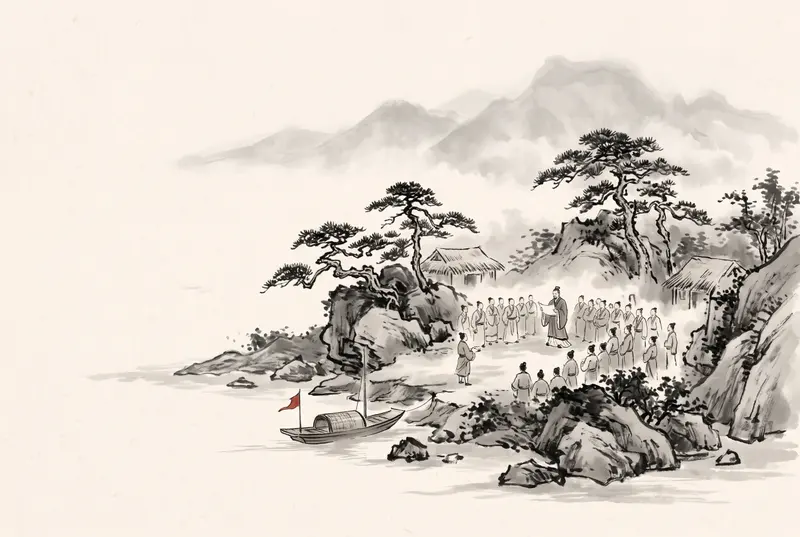
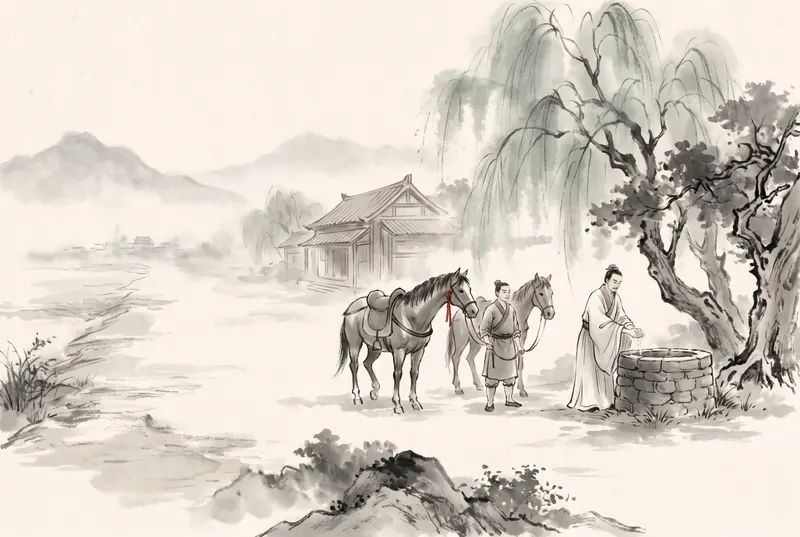
未至三十里,至尸鄉廄置,橫謝使者曰:「人臣見天子當洗沐。」止留。謂其客曰:「橫始與漢王俱南面稱孤,今漢王為天子,而橫乃為亡虜而北面事之,其恥固已甚矣。且吾亨人之兄,與其弟并肩而事其主,縱彼畏天子之詔,不敢動我,我獨不愧於心乎?且陛下所以欲見我者,不過欲一見吾面貌耳。今陛下在洛陽,今斬吾頭,馳三十里閒,形容尚未能敗,猶可觀也。」遂自剄,令客奉其頭,從使者馳奏之高帝。高帝曰:「嗟乎,有以也夫!起自布衣,兄弟三人更王,豈不賢乎哉!」為之流涕,而拜其二客為都尉,發卒二千人,以王者禮葬田橫。
Kundoku (Japanese reading)
未だ至らざること三十里、尸郷の廐置に至る。横使者に謝して曰く、「人臣天子に見ゆるには当に洗沐すべし」と。止まり留まる。其の客に謂いて曰く、「横始め漢王と倶に南面して孤と称す。今漢王は天子と為り、而して横は乃ち亡虜と為りて北面して之に事う。其の恥固より已に甚だし。且つ吾は人の兄を亨たり。其の弟と肩を並べて其の主に事えんとす。縦い彼天子の詔を畏れて、敢えて我を動かさずとも、我独り心に愧じざらんや。且つ陛下の我を見んと欲する所以の者は、一たび吾が面貌を見んと欲するに過ぎざるのみ。今陛下は洛陽に在り。今吾が頭を斬り、三十里の間を馳すれば、形容尚お未だ敗るる能わず、猶お観るべきなり」と。遂に自剄し、客をして其の頭を奉じ、使者に従いて馳せて之を高帝に奏せしむ。高帝曰く、「嗟乎、以有るかな。布衣より起こり、兄弟三人更々王たり。豈に賢ならずや」と。之が為に流涕し、而して其の二客を拝して都尉と為し、卒二千人を発し、王者の礼を以て田横を葬る。
Japanese
洛陽まであと三十里という尸郷の駅舎まで来たとき、田横は使者に「臣下が天子にお目にかかるときは、髪や体を洗い清めるべきです」と言って、そこにとどまった。そして客たちに言った。「わたしは初め、漢王と並んで南を向き、王を名のっていた。いま漢王は天子となり、わたしは逃亡者の捕らわれ人として、北を向いて仕えようとしている。それだけでもひどい恥だ。そのうえ、わたしは人の兄を煮殺したのだ。その弟と肩を並べて、同じ主君に仕えることになる。たとえ彼が天子の詔を恐れて、わたしに手出しをしないとしても、わたしは心に恥じずにいられようか。それに、陛下がわたしに会いたいのは、わたしの顔を一目見たいだけのことだ。いま陛下は洛陽におられる。いまわたしの首を斬って三十里を駆けていけば、顔かたちはまだくずれず、見ることはできよう」。そして自ら首をはね、客に首を捧げ持たせ、使者とともに駆けて高帝に差し出させた。高帝は言った。「ああ、わけがあったのだな。庶民から身を起こし、兄弟三人がかわるがわる王となった。賢者でなくて何であろう」。高帝は田横のために涙を流し、二人の客を都尉に任じ、兵士二千人を出して、王の礼をもって田横を葬った。
English
When he was still thirty li from the city, he came to the post station at Shixiang. Heng said to the envoy: "A subject who is to see the Son of Heaven ought to wash and bathe first." So they stopped there. He said to his retainers: "When I began, the king of Han and I both faced south and called ourselves kings. Now the king of Han is Son of Heaven, and I am a runaway captive who must face north and serve him. That is shame enough already. Besides, I boiled a man's elder brother, and now I am to stand shoulder to shoulder with that brother and serve the same master. Even if he fears the emperor's order and does not dare to lay a hand on me, could I alone not be ashamed in my heart? And all His Majesty wants is to see my face once. His Majesty is in Luoyang now. If you cut off my head now and gallop the thirty li, my face will not yet have changed, and he will still be able to look at it." Then he cut his own throat. He had his retainers carry his head and gallop with the envoy to present it to Emperor Gao. Emperor Gao said: "Ah! He had his reasons. He rose from a commoner, and three brothers were kings one after another. Were they not men of worth?" He wept for him, made his two retainers commandants, sent two thousand soldiers, and buried Tian Heng with the rites of a king.
Notes (JA)
- 尸鄉: 洛陽の東、今の河南省偃師市のあたり。
- 南面稱孤: 南を向いて座り、王として「孤」と名のること。
- 自剄: 自ら首をはねること。
- 形容尚未能敗: 顔かたちがまだくずれていない。首を見せて、主君の望みだけはかなえようとした。
Notes (EN)
- Shixiang (尸鄉): east of Luoyang, in Yanshi, Henan.
- Faced south and called ourselves kings (南面稱孤): a king sat facing south.
- Cut his own throat (自剄): Tian Heng chose death over a captive's life, but still let the emperor see his face.
Word notes
- captive/ˈkæptɪv/noun
a person who has been taken prisoner
In the text: “I am a runaway captive”
Similar words: prisoner — a person held against their will · hostage — a person held as security
- ashamed/əˈʃeɪmd/adjective
feeling bad about something you have done
In the text: “could I alone not be ashamed in my heart”
Similar words: guilty — feeling you did wrong · embarrassed — feeling foolish
Passage 9
Original
既葬,二客穿其冢旁孔,皆自剄,下從之。高帝聞之,乃大驚,大田橫之客皆賢。吾聞其餘尚五百人在海中,使使召之。至則聞田橫死,亦皆自殺。於是乃知田橫兄弟能得士也。
Kundoku (Japanese reading)
既に葬る。二客其の冢の旁らに孔を穿ち、皆自剄し、下りて之に従う。高帝之を聞き、乃ち大いに驚き、田横の客を大として皆賢とす。「吾聞く、其の余尚お五百人海中に在り」と。使いをして之を召さしむ。至れば則ち田横の死するを聞き、亦た皆自殺す。是に於いて乃ち田横の兄弟の能く士を得たるを知るなり。
Japanese
葬儀が終わると、二人の客は田横の墓のそばに穴を掘り、二人とも自ら首をはねて、地の下へ田横の後を追った。高帝はこれを聞いて大いに驚き、田横の客は皆賢者だと大いにたたえた。「まだ五百人が海の中にいると聞く」と言って、使者を送って召し出させた。ところが使者が着くと、五百人は田横が死んだと聞いて、皆自殺した。これで、田横の兄弟がいかに士の心をつかんでいたかが分かったのである。
English
When he had been buried, the two retainers dug holes beside his grave, and both of them cut their own throats and went down to follow him. When Emperor Gao heard of it he was astonished, and thought very highly of Tian Heng's retainers, holding them all to be men of worth. "I hear that five hundred more of them are still out at sea," he said, and sent envoys to summon them. But when the envoys arrived and they heard that Tian Heng was dead, they too all killed themselves. From this it was known how well Tian Heng and his brothers had won the hearts of their men.
Notes (JA)
- 冢: 墓。
- この話から、主君に殉じる部下の忠義を「田横の五百人」「田横五百士」という。
- 能得士: 士の心をつかむこと。巻のはじめの「能く人を得たり」と呼応している。
Notes (EN)
- Grave (冢): a burial mound.
- "Tian Heng's five hundred" (田橫五百士) became a byword for followers who would die for their leader.
- Won the hearts of their men (能得士): echoing the first lines of the chapter.
Idioms from this passage: Tian Heng's five hundred 田横の五百人
Word notes
- astonished/əˈstɑnɪʃt/adjective
very surprised
In the text: “he was astonished”
Similar words: amazed — very surprised · stunned — too surprised to react
Passage 10
Original
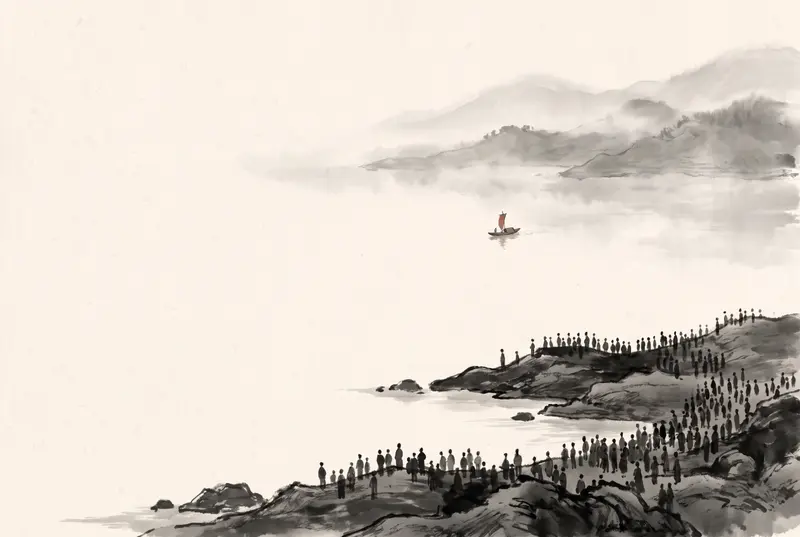
太史公曰:甚矣蒯通之謀,亂齊驕淮陰,其卒亡此兩人!蒯通者,善為長短說,論戰國之權變,為八十一首。通善齊人安期生,安期生嘗干項羽,項羽不能用其筴。已而項羽欲封此兩人,兩人終不肯受,亡去。田橫之高節,賓客慕義而從橫死,豈非至賢!余因而列焉。不無善畫者,莫能圖,何哉?
Kundoku (Japanese reading)
太史公曰く、甚だしいかな蒯通の謀、斉を乱し淮陰を驕らしめ、其の卒に此の両人を亡ぼすこと。蒯通は、善く長短の説を為し、戦国の権変を論じ、八十一首を為る。通は斉人安期生と善し。安期生嘗て項羽に干むるも、項羽其の筴を用うる能わず。已にして項羽此の両人を封ぜんと欲するも、両人終に肯えて受けず、亡げ去る。田横の高節、賓客義を慕いて横に従いて死す。豈に至賢に非ずや。余因りて焉を列す。善く画く者無からざるも、能く図る莫きは、何ぞや。
Japanese
太史公は言う。ひどいものだ、蒯通の計略は。斉を乱し、淮陰侯韓信をおごらせて、ついにこの二人(田横と韓信)を滅ぼした。蒯通は、ものごとの長所と短所を説く弁論にすぐれ、戦国時代の駆け引きを論じて、八十一篇の文を書いた。蒯通は斉の人安期生と親しかった。安期生はかつて項羽に策を説いたが、項羽はそれを用いることができなかった。のちに項羽はこの二人(蒯通と安期生)に領地を与えようとしたが、二人は最後まで受けようとせず、逃げ去った。田横の気高い節操にひかれて、客たちは義を慕い、田横に従って死んだ。これこそ最高の賢者ではないか。だからわたしはこの伝を書いた。世に絵のうまい者がいないわけではないのに、この話を絵に描いた者がいないのは、なぜだろう。
English
The Grand Historian says: How terrible were the schemes of Kuai Tong! He threw Qi into chaos and made the Marquis of Huaiyin proud, and in the end he destroyed both of these men. Kuai Tong was good at arguing the strong and weak points of a case. He discussed the shifting tactics of the Warring States and wrote eighty-one pieces. Kuai Tong was a friend of Master Anqi of Qi. Master Anqi once offered his plans to Xiang Yu, but Xiang Yu could not use them. Later Xiang Yu wanted to give fiefs to these two, Kuai Tong and Master Anqi, but in the end they would not accept and fled. Tian Heng's noble spirit made his guests love his sense of duty and follow him to death. Was he not a man of the highest worth? That is why I have written his story. There is no lack of fine painters in the world; why has no one ever painted it?
Notes (JA)
- 此兩人: 田横(斉)と韓信(淮陰侯)。蒯通の計略で斉は不意をつかれ、韓信は斉を取っておごった。
- 長短說: 物事の利害得失を説いて人を動かす弁論。のちの『戦国策』は「長短」とも呼ばれた。
- 安期生: のちに仙人として伝説化した人物。
- 莫能圖: この話を絵にした者がいない。のちに徐悲鴻の「田横五百士」など、実際に名画が描かれた。
Notes (EN)
- These two men: Tian Heng and Han Xin, both ruined by Kuai Tong's schemes.
- Arguing the strong and weak points (長短說): the art of the Warring States persuaders.
- Master Anqi (安期生): later revered as an immortal.
- Why has no one painted it? In the twentieth century Xu Beihong did, in his famous "Tian Heng and His Five Hundred Retainers".
Word notes
- noble/ˈnoʊbəl/adjective
having fine moral qualities
In the text: “Tian Heng's noble spirit”
Similar words: honourable — deserving respect · high-minded — having high ideals