Biographies · Vol. 112
The Biographies of the Marquis of Pingjin and Zhufu Yan 平津侯主父列傳
My Day Is Ending and the Road Is Long 吾日暮途遠
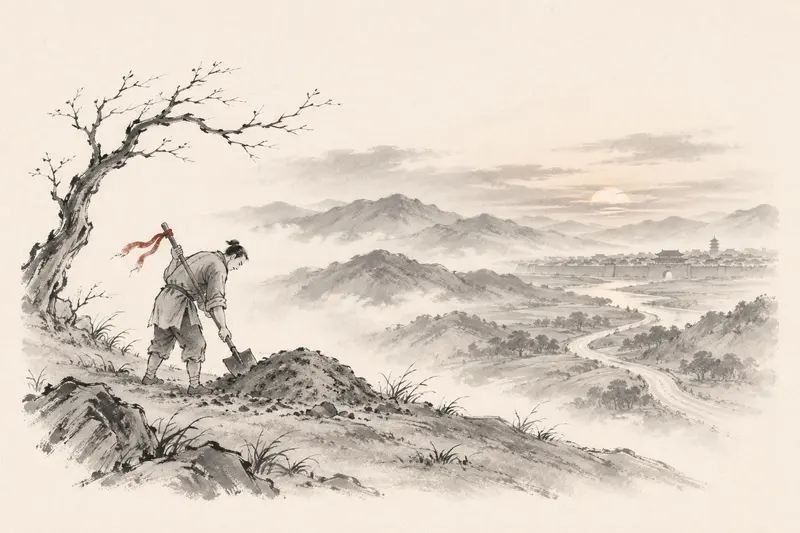
The story of two very different men who rose under Emperor Wu. Gongsun Hong herded pigs in his youth, began to study after forty and became an erudite at sixty. He slept under a hemp quilt and ate one meat dish, never contradicted the emperor in court but let him choose; when the blunt Ji An called his quilt a sham, he admitted it so gracefully that he rose higher still, becoming chancellor and Marquis of Pingjin. But beneath his broad manner he was deep and jealous, and quietly paid back those who crossed him. Zhufu Yan, shut out by the Confucians of Qi, wandered from court to court in poverty until a single letter made Emperor Wu exclaim "Why have we met so late?" and promote him four times in a year. He proposed the decree that let lords divide their lands among their sons, weakening them without a fight; the ministers feared his tongue and paid him bribes. "My day is ending and the road is long," he said; but when the King of Qi killed himself, Gongsun Hong pressed for his death, and he and his clan were executed. Of all his thousands of guests, only Kong Che came to bury him.
This page has the scene "My Day Is Ending and the Road Is Long" from this volume, not the whole volume.
Audio
The audio is synthetic speech.
Video
Passage 1
Original
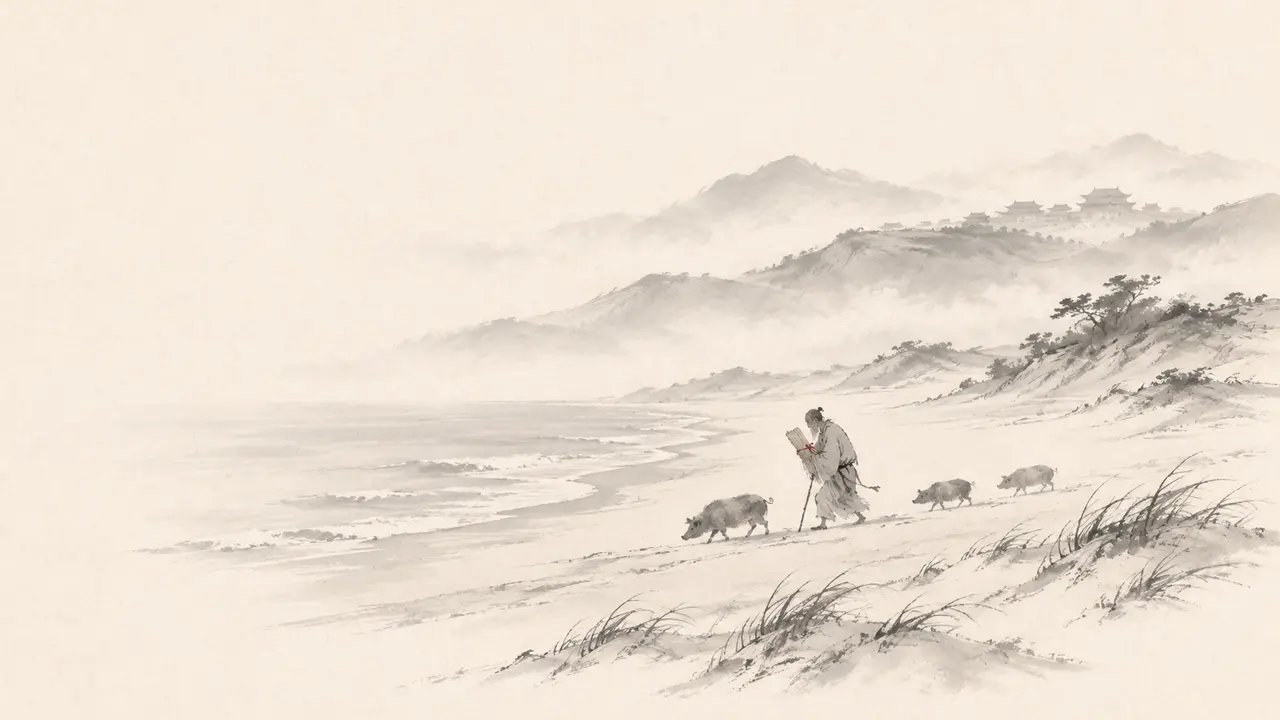
丞相公孫弘者,齊菑川國薛縣人也,字季。少時為薛獄吏,有罪,免。家貧,牧豕海上。年四十餘,乃學春秋雜說。養後母孝謹。建元元年,天子初即位,招賢良文學之士。是時弘年六十,徵以賢良為博士。使匈奴,還報,不合上意,上怒,以為不能,弘乃病免歸。
Kundoku (Japanese reading)
丞相公孫弘は、斉の菑川国薛県の人なり、字は季。少き時薛の獄吏と為り、罪有りて免ぜらる。家貧しく、豕を海上に牧す。年四十余にして、乃ち春秋の雑説を学ぶ。後母を養うに孝謹なり。建元元年、天子初めて即位し、賢良文学の士を招く。是の時弘年六十、徴されて賢良を以て博士と為る。匈奴に使いし、還りて報ずるに、上の意に合わず。上怒り、以て不能と為す。弘乃ち病みて免ぜられて帰る。
Japanese
丞相の公孫弘は、斉の菑川国薛県の人で、字は季という。若いころ薛の獄吏になったが、罪があって免職になった。家が貧しく、海辺で豚を飼った。四十歳あまりになって、ようやく『春秋』とその解釈を学んだ。継母によく仕え、孝行でつつしみ深かった。建元元年(前140年)、天子(武帝)が即位したばかりで、すぐれた学者を招いた。このとき公孫弘は六十歳で、賢良として召されて博士となった。匈奴への使者となり、帰って報告したが、天子の考えに合わなかった。天子は怒り、役に立たない者だと思った。そこで公孫弘は病気を理由にやめて故郷に帰った。
English
The chancellor Gongsun Hong was from Xue county in the kingdom of Zichuan in Qi; his courtesy name was Ji. As a young man he was a prison clerk in Xue but was dismissed for an offence. His family was poor, and he herded pigs by the sea. Only when he was past forty did he study the Spring and Autumn Annals and its various commentaries. He looked after his stepmother with dutiful care. In the first year of Jianyuan, when the Son of Heaven had just come to the throne and was calling for men of worth and learning, Gongsun Hong, then sixty, was summoned as a man of worth and made an erudite. He was sent as envoy to the Xiongnu, but his report on his return did not please the emperor, who was angry and thought him incapable. So Gongsun Hong pleaded illness, left office and went home.
Notes (JA)
- 薛: 今の山東省。孟嘗君の領地だった土地(075-mengchang の章)。
- 春秋の雑説: 『春秋』の経文と、公羊伝などの解釈。
- 賢良: すぐれた人物として、地方から推薦される枠。
- このあと元光五年(前130年)に再び推薦され、天子の問いに答えた文(対策)が第一とされて、今度は出世していく。
Notes (EN)
- Xue: in present-day Shandong, once the fief of the Lord of Mengchang (chapter 075).
- The Spring and Autumn Annals and its commentaries: the classic and interpretations such as the Gongyang commentary.
- Man of worth (賢良): a category of men recommended to the throne from the provinces.
- Recommended again in 130 BCE, his answer to the emperor's questions was ranked first, and this time he rose.
Word notes
- herd/hɜːrd/verb
to look after and move a group of animals
In the text: “he herded pigs by the sea”
Similar words: tend — look after · drive — make animals move
- dismiss/dɪsˈmɪs/verb
to remove someone from a job
In the text: “was dismissed for an offence”
Similar words: fire — everyday word · sack — informal British word
Passage 2
Original
弘為人恢奇多聞,常稱以為人主病不廣大,人臣病不儉節。弘為布被,食不重肉。后母死,服喪三年。每朝會議,開陳其端,令人主自擇,不肯面折庭爭。於是天子察其行敦厚,辯論有餘,習文法吏事,而又緣飾以儒術,上大說之。二歲中,至左內史。弘奏事,有不可,不庭辯之。嘗與主爵都尉汲黯請閒,汲黯先發之,弘推其後,天子常說,所言皆聽,以此日益親貴。嘗與公卿約議,至上前,皆倍其約以順上旨。汲黯庭詰弘曰:「齊人多詐而無情實,始與臣等建此議,今皆倍之,不忠。」上問弘。弘謝曰:「夫知臣者以臣為忠,不知臣者以臣為不忠。」上然弘言。左右幸臣每毀弘,上益厚遇之。
Kundoku (Japanese reading)
弘人と為り恢奇にして多聞、常に称して以為えらく、人主は広大ならざるを病とし、人臣は倹節ならざるを病とすと。弘布被を為し、食は肉を重ねず。後母死して、喪に服すること三年。朝会の議する毎に、其の端を開陳し、人主をして自ら択ばしめ、面折廷争するを肯んぜず。是に於いて天子其の行いの敦厚にして、弁論余り有り、文法吏事に習い、而して又た縁飾するに儒術を以てするを察し、上大いに之を説ぶ。二歳の中に、左内史に至る。弘事を奏するに、不可なる有れば、之を廷に弁ぜず。嘗て主爵都尉汲黯と間を請い、汲黯先ず之を発し、弘其の後を推す。天子常に説び、言う所皆聴かる。此を以て日に益々親貴せらる。嘗て公卿と約して議し、上の前に至りて、皆其の約に倍きて以て上の旨に順う。汲黯廷に弘を詰りて曰く、「斉人は詐多くして情実無し。始め臣等と此の議を建てしに、今皆之に倍く。不忠なり」と。上弘に問う。弘謝して曰く、「夫れ臣を知る者は臣を以て忠と為し、臣を知らざる者は臣を以て不忠と為す」と。上弘の言を然りとす。左右の幸臣毎に弘を毀るも、上益々厚く之を遇す。
Japanese
公孫弘は度量が大きく風変わりで、物知りだった。いつも、君主は心が広くないことを欠点とし、臣下はつつましくないことを欠点とする、と言っていた。公孫弘は麻の布団を使い、食事には肉を一品しか出さなかった。継母が亡くなると、三年の喪に服した。朝廷で議論するたびに、問題の要点を並べて見せて、天子自身に選ばせ、面と向かって反対したり、朝廷で言い争ったりしようとはしなかった。天子は、その行いが誠実で温厚で、弁論にすぐれ、法律と役所の実務に通じ、そのうえ儒学で飾り立てるのを見て、たいそう気に入った。二年のうちに左内史にまで昇った。公孫弘は上奏するとき、天子がよしとしなければ、朝廷で言い張ることはなかった。主爵都尉の汲黯とともに天子に内密の面会を願い出たときは、まず汲黯が問題を持ち出し、公孫弘があとから押し進めた。天子はいつも喜び、言うことはすべて聞き入れられた。こうして公孫弘は日ごとに親しまれ、重んじられた。あるとき大臣たちと意見をまとめておきながら、天子の前に出ると、その約束をすべて破って天子の意向に従った。汲黯は朝廷で公孫弘を問いつめた。「斉の人間はうそが多くて誠がない。はじめはわたしたちと一緒にこの意見を出しながら、いまになって全部ひっくり返した。不忠である」。天子が公孫弘にたずねると、公孫弘はわびて言った。「わたしを知る者はわたしを忠実だと言い、わたしを知らない者はわたしを不忠だと言います」。天子は公孫弘の言葉をもっともだと思った。側近の寵臣たちが公孫弘をそしるたびに、天子はますます手厚く彼を遇した。
English
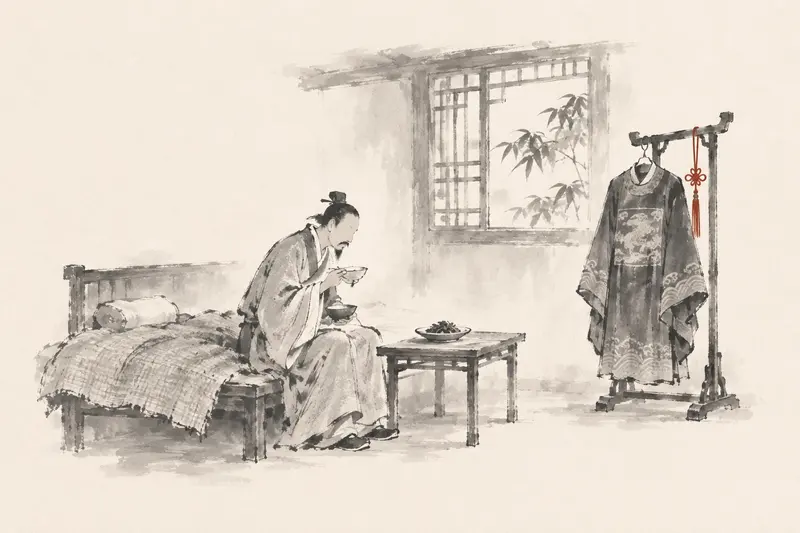
Gongsun Hong was a man of large and unusual mind and wide learning. He used to say that the fault of rulers is lack of breadth, and the fault of ministers lack of frugality. He slept under a hemp quilt and never had more than one meat dish at a meal. When his stepmother died he mourned her for three years. Whenever there was a debate at court, he would lay out the heads of the matter and let the ruler choose for himself; he would never contradict him to his face or argue in open court. The emperor saw that he was honest and steady in conduct, more than able in argument, versed in the law and the business of government, and that he dressed it all up with Confucian learning; he was greatly pleased with him. Within two years Gongsun Hong was Left Prefect of the Capital. When he presented a proposal and it was not approved, he did not argue it out in court. Once he and Ji An, the Commandant of Nobles, asked for a private audience; Ji An raised the matter first and Gongsun Hong followed up. The emperor was always pleased and took all their advice, and so Gongsun Hong grew closer to the throne and more honoured every day. Once he agreed on a proposal with the high ministers, but when they came before the emperor he went back on the whole agreement to fall in with the emperor's wishes. Ji An challenged him in open court: "The men of Qi are full of deceit and have no honesty. He made this proposal with us, and now he has gone back on all of it. That is disloyal." The emperor asked Gongsun Hong, who apologised and said: "Those who know me think me loyal; those who do not know me think me disloyal." The emperor agreed with him. Whenever the favourites around the emperor spoke ill of Gongsun Hong, the emperor treated him all the more generously.
Notes (JA)
- 汲黯: 武帝にも遠慮なく直言した硬骨の臣(120-ji-an の章)。
- 面折廷争: 面と向かって反対し、朝廷で言い争うこと。汲黯はまさにそういう人だった。
- 左内史: 都の長安の周辺を治める長官。
- 縁飾するに儒術を以てす: 法律と実務の手腕を、儒学の言葉で飾ったということ。司馬遷の公孫弘評の要点。
Notes (EN)
- Ji An: the blunt minister who spoke his mind even to Emperor Wu (chapter 120).
- Contradicting to his face and arguing in court (面折廷爭): exactly what Ji An did.
- Left Prefect of the Capital (左內史): governor of part of the region around Chang'an.
- "Dressed it up with Confucian learning": the heart of Sima Qian's judgment of Gongsun Hong, a practical administrator in scholar's robes.
Word notes
- contradict/ˌkɑːntrəˈdɪkt/verb
to say the opposite of what someone said
In the text: “he would never contradict him to his face”
Similar words: oppose — be against · deny — say something is not true
- disloyal/dɪsˈlɔɪəl/adjective
not faithful to one's ruler or friends
In the text: “That is disloyal.”
Similar words: unfaithful — not keeping faith · treacherous — ready to betray
Passage 3
Original
汲黯曰:「弘位在三公,奉祿甚多。然為布被,此詐也。」上問弘。弘謝曰:「有之。夫九卿與臣善者無過黯,然今日庭詰弘,誠中弘之病。夫以三公為布被,誠飾詐欲以釣名。且臣聞管仲相齊,有三歸,侈擬於君,桓公以霸,亦上僭於君。晏嬰相景公,食不重肉,妾不衣絲,齊國亦治,此下比於民。今臣弘位為御史大夫,而為布被,自九卿以下至於小吏,無差,誠如汲黯言。且無汲黯忠,陛下安得聞此言。」天子以為謙讓,愈益厚之。卒以弘為丞相,封平津侯。
Kundoku (Japanese reading)
汲黯曰く、「弘は位三公に在り、奉禄甚だ多し。然るに布被を為す。此れ詐なり」と。上弘に問う。弘謝して曰く、「之有り。夫れ九卿の臣と善き者は黯に過ぐるは無し。然るに今日廷に弘を詰る。誠に弘の病に中る。夫れ三公を以て布被を為すは、誠に詐を飾りて以て名を釣らんと欲するなり。且つ臣聞く、管仲斉に相たりて、三帰有り、侈りて君に擬す。桓公以て覇たるも、亦た上は君に僭す。晏嬰景公に相たりて、食は肉を重ねず、妾は糸を衣ず、斉国も亦た治まる。此れ下は民に比す。今臣弘位御史大夫と為りて、而して布被を為すは、九卿より以下小吏に至るまで、差無し。誠に汲黯の言の如し。且つ汲黯の忠無くんば、陛下安くんぞ此の言を聞くを得ん」と。天子以て謙譲と為し、愈々益々之を厚くす。卒に弘を以て丞相と為し、平津侯に封ず。
Japanese
汲黯が言った。「公孫弘は三公の位にいて、俸禄はたいへん多い。それなのに麻の布団を使っている。これは見せかけです」。天子が公孫弘にたずねると、公孫弘はわびて言った。「そのとおりです。九卿の中で、わたしと一番親しいのは汲黯です。その汲黯が今日朝廷でわたしを問いつめたのは、まことにわたしの欠点を突いています。三公の身で麻の布団を使うのは、たしかに見せかけで名声を得ようとするものです。それに、管仲は斉の宰相となって三つの屋敷を持ち、ぜいたくは君主に並ぶほどで、桓公はそれで覇者となりましたが、管仲は上の君主の分を越えていました。晏嬰は景公の宰相となって、食事は肉を一品だけ、妾には絹を着せませんでしたが、斉の国はやはりよく治まりました。こちらは下の民と同じにしたのです。いまわたしは御史大夫の位にあって麻の布団を使い、九卿から下の小役人まで区別がありません。まことに汲黯の言うとおりです。それに、汲黯の忠義がなければ、陛下はこのような言葉を聞くことはできなかったでしょう」。天子はこれを謙虚だと思い、ますます手厚く遇した。とうとう公孫弘を丞相にし、平津侯に封じた。
English
Ji An said: "Gongsun Hong holds one of the three highest offices and draws a very large salary, yet he sleeps under a hemp quilt. This is a sham." The emperor asked Gongsun Hong, who apologised and said: "It is so. Of all the nine ministers, none is closer to me than Ji An; and today in open court he has challenged me and struck truly at my fault. For one of the three highest officers to sleep under a hemp quilt is indeed a sham, a bid for fame. I have heard that when Guan Zhong was chancellor of Qi, he had three mansions and lived as lavishly as his lord; Duke Huan became hegemon through him, yet Guan Zhong overstepped his lord above. When Yan Ying was chancellor to Duke Jing, he ate only one meat dish and his concubines wore no silk, and Qi was well governed too; he made himself equal to the people below. Now I am Imperial Counsellor and sleep under a hemp quilt, so that there is no difference between me and everyone from the nine ministers down to the lowest clerk. It is just as Ji An says. And without Ji An's loyalty, how could Your Majesty have heard these words?" The emperor took this as modesty and treated him more generously than ever. In the end he made Gongsun Hong chancellor and enfeoffed him as Marquis of Pingjin.
Notes (JA)
- 三公: 丞相・御史大夫・太尉の三つの最高の官。
- 布被: 麻の布団。倹約のしるし。
- 管仲・晏嬰: 斉の二人の名宰相(062-guan-yan の章)。三帰は、三つの屋敷とも、三人の妻ともいわれる。
- 公孫弘は批判を素直に認め、かえって評価を高めた。それまで丞相は列侯から選ばれるのが例だったが、公孫弘は丞相になってから侯に封じられた。
Notes (EN)
- Three highest offices (三公): chancellor, imperial counsellor and grand commandant.
- Hemp quilt (布被): a badge of frugality.
- Guan Zhong and Yan Ying: the two great chancellors of Qi (chapter 062). "Three mansions" (三歸) is also explained as three wives.
- By owning the charge he rose higher still. Chancellors had usually been chosen from among the marquises; Gongsun Hong was made a marquis only after becoming chancellor.
Word notes
- sham/ʃæm/noun
something false made to look real
In the text: “This is a sham.”
Similar words: fake — not genuine · pretence — an act to deceive
- modesty/ˈmɑːdəsti/noun
not showing off one's abilities or wealth
In the text: “The emperor took this as modesty”
Similar words: humility — not thinking oneself important · shyness — nervousness with others
Passage 4
Original
弘為人意忌,外寬內深。諸嘗與弘有卻者,雖詳與善,陰報其禍。殺主父偃,徙董仲舒於膠西,皆弘之力也。食一肉脫粟之飯。故人所善賓客,仰衣食,弘奉祿皆以給之,家無所餘。士亦以此賢之。
Kundoku (Japanese reading)
弘人と為り意忌、外は寛にして内は深し。諸々の嘗て弘と卻有る者は、詳りて与に善しと雖も、陰かに其の禍に報ゆ。主父偃を殺し、董仲舒を膠西に徙すは、皆弘の力なり。一肉脱粟の飯を食らう。故人の善くする所の賓客、衣食を仰げば、弘の奉禄皆以て之に給し、家に余す所無し。士も亦た此を以て之を賢とす。
Japanese
公孫弘は疑い深く人をねたむ性格で、外見はおおらかだが、内心は底が知れなかった。かつて公孫弘と仲たがいした者には、表向きは仲よくしていても、ひそかに仕返しをした。主父偃を殺させ、董仲舒を膠西に追いやったのは、皆公孫弘の力である。食事は肉一品と玄米の飯だけだった。昔なじみや親しい客が衣食を頼ってくると、公孫弘は俸禄をすべてそれにあてたので、家には何も残らなかった。士人たちも、そのことで彼をすぐれた人だと思った。
English
Gongsun Hong was suspicious and jealous by nature, broad-minded on the outside but deep within. Anyone who had once crossed him he would pretend to be friends with, while secretly paying him back. It was by his doing that Zhufu Yan was put to death and Dong Zhongshu sent away to Jiaoxi. He ate one meat dish with unpolished grain. When old friends and favoured guests looked to him for food and clothing, he spent his whole salary on them and kept nothing for his household. For this too the gentlemen of the time thought him a man of worth.
Notes (JA)
- 主父偃を殺し: 第8節。
- 董仲舒: 漢を代表する儒学者。公孫弘は、乱暴な膠西王(059-wuzong の章の劉端)の宰相に董仲舒を推した(121-rulin の章)。
- 脱粟: 殻を取っただけの、精米していない穀物。
- 司馬遷は、公孫弘の倹約と気前のよさを認めつつ、陰険さも書いている。
Notes (EN)
- Zhufu Yan's death: passage 8.
- Dong Zhongshu: the leading Confucian of Han, whom Gongsun Hong had appointed chancellor to the violent King of Jiaoxi (Liu Duan in chapter 059; see chapter 121).
- Unpolished grain (脫粟): grain only husked, not polished.
- Sima Qian credits his frugality and generosity, and records his malice too.
Word notes
- suspicious/səˈspɪʃəs/adjective
tending to distrust others
In the text: “Gongsun Hong was suspicious and jealous by nature”
Similar words: distrustful — not trusting · wary — careful about danger
- pretend/prɪˈtɛnd/verb
to act as if something is true when it is not
In the text: “he would pretend to be friends with”
Similar words: fake — make something look real · feign — pretend; formal
Passage 5
Original
主父偃者,齊臨菑人也。學長短縱橫之術,晚乃學易、春秋、百家言。游齊諸生閒,莫能厚遇也。齊諸儒生相與排擯,不容於齊。家貧,假貸無所得,乃北游燕、趙、中山,皆莫能厚遇,為客甚困。孝武元光元年中,以為諸侯莫足游者,乃西入關見衛將軍。衛將軍數言上,上不召。資用乏,留久,諸公賓客多厭之,乃上書闕下。朝奏,暮召入見。
Kundoku (Japanese reading)
主父偃は、斉の臨菑の人なり。長短縦横の術を学び、晩に乃ち易・春秋・百家の言を学ぶ。斉の諸生の間に游ぶも、能く厚く遇する莫きなり。斉の諸儒生相与に排擯し、斉に容れられず。家貧しく、仮貸するも得る所無く、乃ち北のかた燕・趙・中山に游ぶも、皆能く厚く遇する莫く、客と為りて甚だ困しむ。孝武の元光元年中、以為えらく諸侯は游ぶに足る者莫しと。乃ち西のかた関に入りて衛将軍に見ゆ。衛将軍数々上に言うも、上召さず。資用乏しく、留まること久しく、諸公の賓客多く之を厭う。乃ち書を闕下に上る。朝に奏して、暮に召されて入りて見ゆ。
Japanese
主父偃は斉の臨菑の人である。縦横家の弁論の術を学び、年をとってから『易』『春秋』や諸子百家の説を学んだ。斉の学者たちの間で交わったが、厚く遇してくれる者はいなかった。斉の儒者たちは皆で彼をのけ者にし、斉にいられなくなった。家は貧しく、借りようとしても貸してくれる者はなく、北の燕・趙・中山へ行ったが、どこでも厚く遇してもらえず、旅の客として困り果てた。武帝の元光元年(前134年)、諸侯の国には身を寄せる価値のある所はないと考え、西へ函谷関を越えて衛将軍(衛青)に会った。衛将軍は何度も天子に推薦したが、天子は召さなかった。旅費も尽き、長く滞在したので、貴人の客人たちの多くに嫌がられた。そこで宮門に上書した。朝に差し出すと、その日の夕方には召されて天子に会った。
English
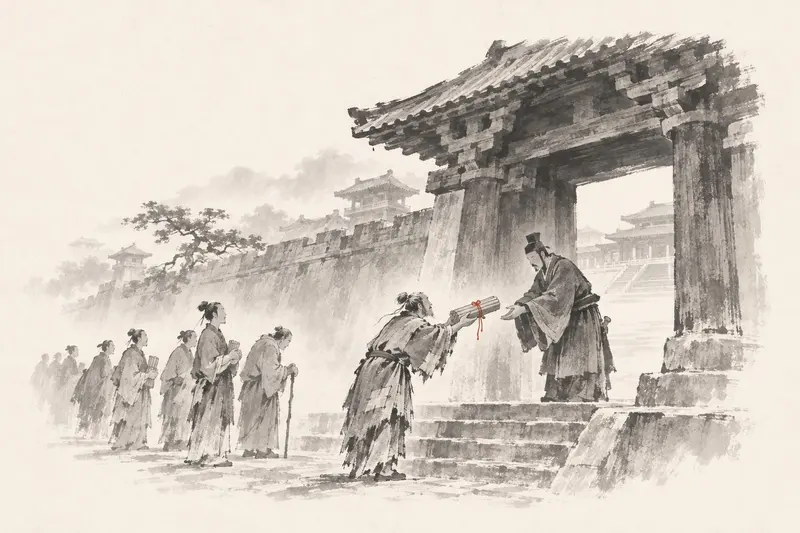
Zhufu Yan was a man of Linzi in Qi. He studied the arts of argument of the strategists, and only late in life studied the Changes, the Spring and Autumn Annals and the sayings of the Hundred Schools. He went about among the scholars of Qi, but none of them treated him well; the Confucians of Qi shut him out together, and there was no place for him in Qi. His family was poor and no one would lend to him, so he went north to Yan, Zhao and Zhongshan, but nowhere did anyone treat him well, and he had a hard time as a wandering guest. In the first year of Yuanguang, under Emperor Wu, deciding that none of the lords were worth serving, he went west through the passes and called on General Wei. General Wei mentioned him to the emperor several times, but the emperor did not send for him. His money ran out, he had stayed a long time, and the guests of the great men were tired of him. So he sent up a letter at the palace gate. He presented it in the morning, and by evening he had been summoned into the emperor's presence.
Notes (JA)
- 長短縦横の術: 戦国時代の蘇秦・張儀のような遊説の術(069-su-qin の章)。
- 衛将軍: 衛青。武帝の皇后衛子夫の弟で、匈奴と戦った大将軍(111-wei-huo の章)。
- このあと、主父偃の上書(匈奴との戦をいさめる文など)の本文が続くが、ここでは載せない。
Notes (EN)
- Arts of argument (長短縱橫): the persuasive techniques of Warring States strategists like Su Qin and Zhang Yi (chapter 069).
- General Wei: Wei Qing, brother of Empress Wei Zifu and great general against the Xiongnu (chapter 111).
- The text of Zhufu Yan's letter, which warns against war with the Xiongnu, follows here and is not included.
Word notes
- strategist/ˈstrætədʒɪst/noun
a person skilled at planning
In the text: “the arts of argument of the strategists”
Similar words: planner — one who makes plans · tactician — one skilled in tactics
- summon/ˈsʌmən/verb
to order someone to come
In the text: “he had been summoned into the emperor's presence”
Similar words: call — everyday word · send for — ask someone to come
Passage 6
Original
書奏天子,天子召見三人,謂曰:「公等皆安在?何相見之晚也!」於是上乃拜主父偃、徐樂、嚴安為郎中。偃數見,上疏言事,詔拜偃為謁者,遷為中大夫。一歲中四遷偃。偃說上曰:「古者諸侯不過百里,彊弱之形易制。今諸侯或連城數十,地方千里,緩則驕奢易為淫亂,急則阻其彊而合從以逆京師。今以法割削之,則逆節萌起,前日晁錯是也。今諸侯子弟或十數,而適嗣代立,餘雖骨肉,無尺寸地封,則仁孝之道不宣。願陛下令諸侯得推恩分子弟,以地侯之。彼人人喜得所願,上以德施,實分其國,不削而稍弱矣。」於是上從其計。又說上曰:「茂陵初立,天下豪桀并兼之家,亂眾之民,皆可徙茂陵,內實京師,外銷姦猾,此所謂不誅而害除。」上又從其計。
Kundoku (Japanese reading)
書天子に奏せられ、天子三人を召見して謂いて曰く、「公等皆安くにか在りし。何ぞ相見ることの晩きや」と。是に於いて上乃ち主父偃・徐楽・厳安を拝して郎中と為す。偃数々見え、疏を上りて事を言う。詔して偃を拝して謁者と為し、遷して中大夫と為す。一歳の中に偃を四遷す。偃上に説きて曰く、「古者諸侯は百里に過ぎず、彊弱の形制し易し。今諸侯或いは城を連ぬること数十、地方千里、緩なれば則ち驕奢にして淫乱を為し易く、急なれば則ち其の彊きを阻みて合従して以て京師に逆らう。今法を以て之を割削すれば、則ち逆節萌起す。前日の晁錯是れなり。今諸侯の子弟或いは十数、而して適嗣代わりて立ち、余は骨肉と雖も、尺寸の地の封無し。則ち仁孝の道宣べられず。願わくは陛下諸侯をして恩を推して子弟に分かつを得しめ、地を以て之を侯とせしめよ。彼人人願う所を得るを喜び、上は徳を以て施し、実は其の国を分かつ。削らずして稍く弱まらん」と。是に於いて上其の計に従う。又た上に説きて曰く、「茂陵初めて立つ。天下の豪桀并兼の家、衆を乱すの民は、皆茂陵に徙すべし。内は京師を実たし、外は姦猾を銷す。此れ所謂誅せずして害除かるるなり」と。上又た其の計に従う。
Japanese
上書が天子に届くと、天子は三人を召して会い、言った。「あなたたちは今までどこにいたのか。会うのがなんと遅かったことか」。そこで天子は主父偃・徐楽・厳安を郎中に任じた。主父偃はたびたび天子に会い、意見書を出して政治を論じた。天子は主父偃を謁者に任じ、さらに中大夫に移した。一年のうちに四度も位を上げた。主父偃は天子に説いて言った。「昔は諸侯の領地は百里に過ぎず、強いか弱いかの差もたやすく抑えられました。いまの諸侯は数十の城を連ね、領地は千里四方もあり、締めつけがゆるいとおごって乱れやすく、厳しくすると、その強さをたのんで手を結び、都に逆らいます。いま法によって領地を削れば、反乱の芽が出てきます。先の晁錯がそうでした。いま諸侯の子弟は十数人もいるのに、跡継ぎ一人が国を継ぐだけで、残りは肉親でも少しの土地ももらえません。これでは仁と孝の道が行きわたりません。どうか陛下、諸侯が恩を広げて子弟に領地を分け、それぞれ侯に立てられるようにしてください。子弟たちは皆、望みがかなって喜び、陛下は恩徳をほどこしたことになり、しかも実際には国が分かれます。削らなくても、しだいに弱まるでしょう」。天子はこの計略に従った。主父偃はまた説いた。「茂陵の町ができたばかりです。天下の豪族で土地を買い占める家や、民を乱す者たちを、皆茂陵に移すのがよいでしょう。内には都をにぎわせ、外には悪人を消すことができます。これがいわゆる、誅殺せずに害を取り除くということです」。天子はこの計略にも従った。
English
When the letter reached the emperor, he summoned the three men and said: "Where have you all been? Why have we met so late?" He made Zhufu Yan, Xu Le and Yan An gentlemen of the palace. Zhufu Yan had many audiences and sent up memorials on affairs of state; the emperor made him an usher and then a palace counsellor. In a single year he promoted Zhufu Yan four times. Zhufu Yan advised the emperor: "In ancient times the lords had no more than a hundred li, and it was easy to keep the strong and weak in balance. Now some lords hold dozens of cities in a row and lands a thousand li square. Treated leniently, they grow arrogant and fall into excess; treated harshly, they rely on their strength and band together against the capital. If you cut their lands by law, rebellion will sprout, as it did over Chao Cuo. Now a lord may have a dozen or more sons and brothers, yet only the heir succeeds to the throne, and the rest, though his own flesh and blood, get not an inch of land. So the way of kindness and filial love is not spread abroad. I beg Your Majesty to let the lords extend their grace by dividing land among their sons and brothers and making them marquises. Each of them will be glad to get what he wished; Your Majesty will be seen to spread your bounty; and in truth their kingdoms will be divided. Without being cut down, they will gradually grow weak." The emperor followed this plan. Zhufu Yan also advised him: "The new town at Maoling has just been founded. All the powerful families of the realm who swallow up land, and all who stir up the people, should be moved to Maoling. At home it will fill the capital; abroad it will rid us of villains. This is what is called removing harm without executing anyone." The emperor followed this plan too.
Notes (JA)
- 何ぞ相見ることの晩きや: 武帝が才能ある人物にほれこんだことを示す言葉。
- 推恩の令: 諸侯が領地を子弟に分けて侯にできるようにした命令。諸侯王の国は代を重ねるごとに細かく分かれ、力を失っていった。
- 晁錯: 諸侯の領地を削ろうとして呉楚七国の乱を招き、処刑された(101-yuan-ang-chao-cuo の章)。
- 茂陵: 武帝の陵墓のそばに作られた町。各地の豪族を移り住ませた。
Notes (EN)
- "Why have we met so late?": a mark of how Emperor Wu could be taken with a man of talent.
- Decree of extended grace (推恩): letting lords divide their lands among their sons as marquisates, so that the kingdoms split smaller with every generation.
- Chao Cuo: who tried to cut the kingdoms' lands, set off the Revolt of the Seven States and was executed (chapter 101).
- Maoling: the town built beside Emperor Wu's tomb, to which powerful families were moved.
Word notes
- memorial/məˈmɔːriəl/noun
a written report or proposal sent to a ruler
In the text: “sent up memorials on affairs of state”
Similar words: petition — a formal request · report — an account of facts
Today memorial usually means something that honours the dead.
- arrogant/ˈærəɡənt/adjective
too proud and thinking oneself better than others
In the text: “they grow arrogant and fall into excess”
Similar words: proud — can be good or bad · haughty — proud and cold
Passage 7
Original
尊立衛皇后,及發燕王定國陰事,蓋偃有功焉。大臣皆畏其口,賂遺累千金。人或說偃曰:「太橫矣。」主父曰:「臣結發游學四十餘年,身不得遂,親不以為子,昆弟不收,賓客棄我,我阸日久矣。且丈夫生不五鼎食,死即五鼎烹耳。吾日暮途遠,故倒行暴施之。」
Kundoku (Japanese reading)
衛皇后を尊立し、及び燕王定国の陰事を発するは、蓋し偃功有り。大臣皆其の口を畏れ、賂遺すること千金を累ぬ。人或いは偃に説きて曰く、「太だ横なり」と。主父曰く、「臣結髪して游学すること四十余年、身遂ぐるを得ず、親は以て子と為さず、昆弟は収めず、賓客は我を棄つ。我阸しむこと日久し。且つ丈夫生きて五鼎もて食らわずんば、死して即ち五鼎もて烹らるるのみ。吾日暮れて途遠し。故に倒行して之を暴施す」と。
Japanese
衛子夫を皇后に立てたこと、燕王定国の悪事を暴いたことには、主父偃の手柄があったようだ。大臣たちは皆その口を恐れ、千金にものぼる賄賂を贈った。ある人が主父偃に言った。「あまりに横暴ではないか」。主父偃は言った。「わたしは髪を結う年ごろから四十年あまり学問をして歩き回ったが、志をとげられず、親はわたしを子と思わず、兄弟は世話をしてくれず、客人たちはわたしを見捨てた。苦しい日々は長かった。それに、男たるもの、生きて五つの鼎を並べたごちそうを食べられないなら、死んで五つの鼎で煮られるまでだ。わたしは日が暮れかかっているのに、道はまだ遠い。だから道理にさからってでも、思いきったことをするのだ」。
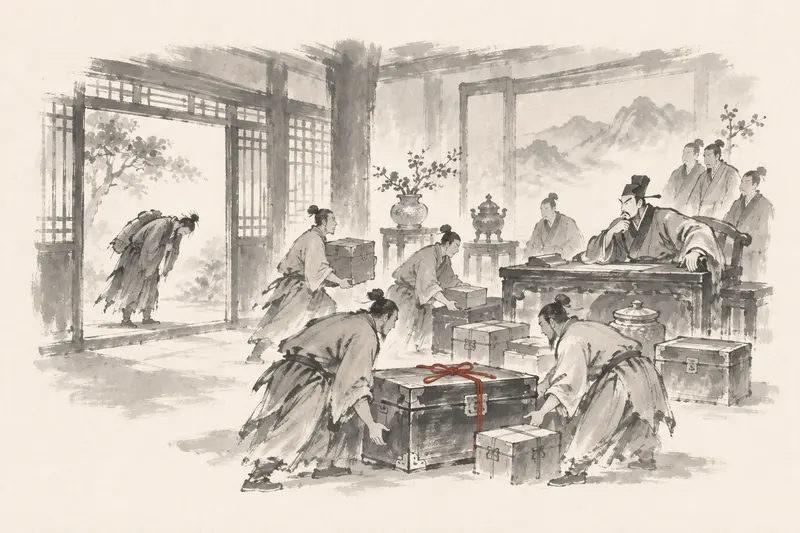
English
Zhufu Yan had a hand in making Wei Zifu empress and in exposing the hidden crimes of Dingguo, King of Yan. The high ministers all feared his tongue, and the bribes they sent him came to thousands in gold. Someone said to him: "You go too far." Zhufu Yan said: "From the day I first bound up my hair I wandered and studied for more than forty years without getting anywhere. My parents did not treat me as a son, my brothers would not take me in, and my patrons cast me off. I have been in straits a long time. Besides, if a man cannot eat from five cauldrons while he lives, then let him be boiled in five cauldrons when he dies. My day is ending and the road is long. So I go against the grain and act without restraint."
Notes (JA)
- 五鼎: 五つの鼎を並べたごちそう。高い身分の者の食事の格式。「五鼎もて烹らる」は釜ゆでの刑。
- 日暮れて途遠し: 年をとったのに、なすべきことはまだ多い、という意味。伍子胥も同じ言葉を言っている(066-wu-zixu の章)。
- 燕王定国: 劉定国。悪事を暴かれて自殺した。
Notes (EN)
- Five cauldrons (五鼎): a feast befitting high rank; to be "boiled in five cauldrons" is to die by the cauldron.
- "My day is ending and the road is long": old, with much still to do. Wu Zixu says the same (chapter 066).
- Dingguo, King of Yan: Liu Dingguo, who killed himself when his crimes came out.
Idioms from this passage: The day is ending and the road is long 日暮れて道遠し
Word notes
- bribe/braɪb/noun
money given to get someone to do wrong
In the text: “the bribes they sent him”
Similar words: payoff — informal word · kickback — secret payment for help
- restraint/rɪˈstreɪnt/noun
control over one's actions
In the text: “act without restraint”
Similar words: self-control — controlling oneself · limits — lines one will not cross
Passage 8
Original
元朔二年,主父言齊王內淫佚行僻,上拜主父為齊相。至齊,遍召昆弟賓客,散五百金予之,數之曰:「始吾貧時,昆弟不我衣食,賓客不我內門;今吾相齊,諸君迎我或千里。吾與諸君絕矣,毋復入偃之門!」乃使人以王與姊姦事動王,王以為終不得脫罪,恐效燕王論死,乃自殺。有司以聞。主父始為布衣時,嘗游燕、趙,及其貴,發燕事。趙王恐其為國患,欲上書言其陰事,為偃居中,不敢發。及為齊相,出關,即使人上書,告言主父偃受諸侯金,以故諸侯子弟多以得封者。及齊王自殺,上聞大怒,以為主父劫其王令自殺,乃徵下吏治。主父服受諸侯金,實不劫王令自殺。上欲勿誅,是時公孫弘為御史大夫,乃言曰:「齊王自殺無後,國除為郡,入漢,主父偃本首惡,陛下不誅主父偃,無以謝天下。」乃遂族主父偃。主父方貴幸時,賓客以千數,及其族死,無一人收者,唯獨洨孔車收葬之。天子后聞之,以為孔車長者也。
Kundoku (Japanese reading)
元朔二年、主父斉王の内に淫佚にして行い僻なるを言い、上主父を拝して斉の相と為す。斉に至り、遍く昆弟・賓客を召し、五百金を散じて之に予え、之を数めて曰く、「始め吾貧しき時、昆弟は我に衣食せしめず、賓客は我を門に内れず。今吾斉に相たり、諸君我を迎うること或いは千里。吾諸君と絶てり。復た偃の門に入ること毋かれ」と。乃ち人をして王の姉と姦する事を以て王を動かさしむ。王以為えらく終に罪を脱るるを得ずと。燕王に效いて死に論ぜられんことを恐れ、乃ち自殺す。有司以聞す。主父始め布衣為りし時、嘗て燕・趙に游ぶ。其の貴きに及び、燕の事を発す。趙王其の国の患と為らんことを恐れ、上書して其の陰事を言わんと欲するも、偃の中に居るが為に、敢えて発せず。斉の相と為りて、関を出づるに及び、即ち人をして上書せしめ、主父偃諸侯の金を受け、故を以て諸侯の子弟多く以て封を得る者ありと告げ言わしむ。斉王自殺するに及び、上聞きて大いに怒り、以為えらく主父其の王を劫かして自殺せしむと。乃ち徴して吏に下して治めしむ。主父諸侯の金を受くるに服するも、実は王を劫かして自殺せしめず。上誅すること勿からんと欲す。是の時公孫弘御史大夫為り、乃ち言いて曰く、「斉王自殺して後無く、国除かれて郡と為り、漢に入る。主父偃は本と首悪なり。陛下主父偃を誅せざれば、以て天下に謝する無し」と。乃ち遂に主父偃を族す。主父方に貴幸せられし時、賓客千を以て数うるも、其の族死するに及び、一人の収むる者無し。唯だ独り洨の孔車之を収葬す。天子後に之を聞き、以て孔車を長者と為す。
Japanese
元朔二年(前127年)、主父偃は、斉王が後宮で乱れた暮らしをし、行いがゆがんでいると言い、天子は主父偃を斉の宰相に任じた。主父偃は斉に着くと、兄弟や昔の客人を残らず呼び集め、五百金をばらまいて与えたうえで、こう責めた。「わたしが貧しかったころ、兄弟はわたしに衣食をくれず、客人たちはわたしを門に入れなかった。いまわたしが斉の宰相になると、皆さんは千里の道を出迎えに来る者までいる。わたしは皆さんと縁を切る。二度とわたしの門に入らないでくれ」。そして人を使い、王が姉と通じていることで王をゆさぶった。王は、とうてい罪を逃れられないと思い、燕王のように死罪になるのを恐れて、自殺した。役人がこれを天子に報告した。主父偃は、まだ庶民だったころ、燕や趙に身を寄せたことがあった。出世すると燕王の悪事を暴いた。趙王は、主父偃が自分の国の災いになるのを恐れ、上書してその悪事を訴えようとしたが、主父偃が朝廷の中にいるので、言い出せなかった。主父偃が斉の宰相となって函谷関を出ると、趙王はすぐに人に上書させ、主父偃が諸侯から金を受け取り、そのために多くの諸侯の子弟が領地をもらったと訴えさせた。斉王が自殺したと聞くと、天子はひどく怒り、主父偃が王をおどして自殺させたのだと思い、呼びもどして役人に取り調べさせた。主父偃は諸侯から金を受け取ったことは認めたが、王をおどして自殺させたことは実際にはなかった。天子は殺さずにおこうと思った。このとき公孫弘は御史大夫で、こう言った。「斉王は自殺して跡継ぎもなく、国は取りつぶされて郡となり、漢のものになりました。主父偃こそもとの張本人です。陛下が主父偃を誅殺されなければ、天下におわびできません」。こうして主父偃は一族皆殺しにされた。主父偃が出世して寵愛されていたころは、客人が千人を数えたが、一族が殺されると、遺体を引き取る者は一人もいなかった。ただ洨の孔車だけが、遺体を引き取って葬った。天子はのちにこれを聞いて、孔車は徳のある人だと思った。
English
In the second year of Yuanshuo, Zhufu Yan reported that the King of Qi lived dissolutely in his inner palace and behaved perversely, and the emperor made Zhufu Yan chancellor of Qi. When he reached Qi he summoned all his brothers and old patrons, scattered five hundred in gold among them, and then reproached them: "When I was poor, my brothers would not feed or clothe me and my patrons would not let me through their gates. Now that I am chancellor of Qi, some of you have come a thousand li to meet me. I am finished with you. Never come through my gate again." Then he had men use the king's affair with his sister to frighten the king. The king, sure that he could never escape the charge and afraid of being sentenced to death as the King of Yan had been, killed himself. The officials reported it. When Zhufu Yan was still a commoner he had stayed in Yan and Zhao, and when he rose to power he exposed the affairs of Yan. The King of Zhao feared he would bring disaster on Zhao too and wanted to send up a letter revealing Zhufu Yan's own secret dealings, but did not dare while Zhufu Yan was at court. As soon as Zhufu Yan had become chancellor of Qi and gone out through the passes, the King of Zhao had someone send up a letter charging that Zhufu Yan had taken gold from the lords, which was why so many of their sons and brothers had received fiefs. When the King of Qi killed himself, the emperor was furious, believing that Zhufu Yan had threatened the king into suicide, and had him brought back and handed to the officials. Zhufu Yan admitted taking gold from the lords, but in fact he had not threatened the king into killing himself. The emperor wanted to spare him. But Gongsun Hong, then Imperial Counsellor, said: "The King of Qi has killed himself and left no heir; his kingdom has been abolished and become a commandery of Han. Zhufu Yan was the chief culprit. If Your Majesty does not put him to death, there is no way to make amends to the realm." So Zhufu Yan and his whole clan were put to death. In the days of his power and favour his guests had numbered in the thousands, but when his clan was killed not one of them came to claim the bodies. Only Kong Che of Xiao gathered them up and buried them. When the emperor later heard of it, he thought Kong Che a man of true worth.
Notes (JA)
- 斉王: 斉の厲王。同じ出来事が、斉の側から 052-qi-daohui の章に書かれている。
- 燕王: 第7節の燕王定国。
- 族す: 一族を皆殺しにすること。
- 孔車: 主父偃の遺体を引き取った、ただ一人の人。勢いのあるときに集まり、落ちれば去っていく人の世を、司馬遷はこの一人で照らしている。
Notes (EN)
- The King of Qi: King Li of Qi; chapter 052 tells the same events from Qi's side.
- The King of Yan: Dingguo, of passage 7.
- Put to death with his clan (族): the whole family was executed.
- Kong Che: the one man who buried Zhufu Yan; with him Sima Qian lights up a world that flocks to power and deserts it in defeat.
Word notes
- reproach/rɪˈproʊtʃ/verb
to tell someone you are unhappy with what they did
In the text: “then reproached them”
Similar words: blame — say someone is at fault · scold — speak angrily to
- culprit/ˈkʌlprɪt/noun
the person who did something wrong
In the text: “the chief culprit”
Similar words: offender — one who breaks the law · wrongdoer — one who does wrong
Passage 9
Original
太史公曰:公孫弘行義雖修,然亦遇時。漢興八十餘年矣,上方鄉文學,招俊乂,以廣儒墨,弘為舉首。主父偃當路,諸公皆譽之,及名敗身誅,士爭言其惡。悲夫!
Kundoku (Japanese reading)
太史公曰く、公孫弘は行義修まると雖も、然れども亦た時に遇えり。漢興りて八十余年、上方に文学に郷い、俊乂を招き、以て儒墨を広む。弘挙首と為る。主父偃路に当たるや、諸公皆之を誉む。名敗れ身誅せらるるに及び、士争いて其の悪を言う。悲しいかな。
Japanese
太史公は言う。公孫弘は行いが正しかったが、それでも時代にめぐまれたのである。漢が興って八十年あまり、天子は学問を重んじ、すぐれた人物を招き、儒学などの学問を広めようとしていた。公孫弘はその筆頭に推された。主父偃が権力の座にいたときは、貴人たちは皆彼をほめたたえたが、名声が地に落ち、身は誅殺されると、士人たちは争って彼の悪口を言った。悲しいことだ。
English
The Grand Historian says: Gongsun Hong was upright in conduct, but he was also lucky in his times. Han had stood for over eighty years; the emperor was turning to learning, seeking out able men and spreading the teachings of the Confucians and the Mohists, and Gongsun Hong was the first to be raised. When Zhufu Yan stood in the path of power, all the great men praised him; when his name was ruined and he was put to death, the gentlemen raced to speak of his wickedness. How sad!
Notes (JA)
- 儒墨: 儒家と墨家。ここでは学問全体を指す。
- 公孫弘には「時に遇えり」、主父偃には「悲しいかな」。司馬遷は、権勢に群がり、失えば手のひらを返す世の人々にも目を向けている。
- この後に、後の人が書き足した文(王莽の時代の詔と班固の評)があるが、ここでは載せない。
Notes (EN)
- Confucians and Mohists (儒墨): here, learning in general.
- "Lucky in his times" for Gongsun Hong, "How sad!" for Zhufu Yan: Sima Qian also turns his eye on the crowd that flatters power and turns on it in defeat.
- Later additions follow here (an edict from Wang Mang's time and a comment by Ban Gu); they are not included.
Word notes
- upright/ˈʌpraɪt/adjective
honest and moral
In the text: “Gongsun Hong was upright in conduct”
Similar words: honest — truthful · decent — acting rightly
- wickedness/ˈwɪkɪdnəs/noun
very bad or evil behaviour
In the text: “raced to speak of his wickedness”
Similar words: evil — great moral wrong · sin — a wrong in religious terms