Biographies · Vol. 124
The Biographies of the Wandering Knights 游俠列傳
The wandering knights were men of no office or family who kept their word at the risk of their lives and threw themselves into the troubles of others. They often broke the law, and scholars left them out of the record. Sima Qian regretted this. In a world where "he who steals a belt hook is executed, and he who steals a state becomes a lord," he argues, their good faith deserves attention. In the early Han, Zhu Jia saved many lives and never asked for thanks, and a thousand carriages came to the funeral of Ju Meng's mother. Guo Xie changed from a young killer into a master peacemaker, but his very fame led the court of Emperor Wu to destroy him and all his clan.
Audio
The audio is synthetic speech.
Video
Passage 1
Original
韓子曰:「儒以文亂法,而俠以武犯禁。」二者皆譏,而學士多稱於世云。至如以術取宰相卿大夫,輔翼其世主,功名俱著於春秋,固無可言者。及若季次、原憲,閭巷人也,讀書懷獨行君子之德,義不苟合當世,當世亦笑之。故季次、原憲終身空室蓬戶,褐衣疏食不厭。死而已四百餘年,而弟子志之不倦。今遊俠,其行雖不軌於正義,然其言必信,其行必果,已諾必誠,不愛其軀,赴士之阨困,既已存亡死生矣,而不矜其能,羞伐其德,蓋亦有足多者焉。
Kundoku (Japanese reading)
韓子曰く、「儒は文を以て法を乱し、而して俠は武を以て禁を犯す」と。二者皆譏らる。而して学士多く世に称せらると云う。術を以て宰相卿大夫を取り、其の世主を輔翼し、功名倶に春秋に著るるが如きに至りては、固より言うべき無し。季次・原憲の若きに及びては、閭巷の人なり。書を読み独行の君子の徳を懐き、義として苟くも当世に合わず、当世も亦之を笑う。故に季次・原憲は身を終うるまで空室蓬戸、褐衣疏食厭かず。死して已に四百余年、而して弟子之を志して倦まず。今游俠は、其の行い正義に軌らずと雖も、然れども其の言は必ず信、其の行いは必ず果、已に諾すれば必ず誠、其の軀を愛まず、士の阨困に赴き、既已に亡を存し死を生かすも、而も其の能を矜らず、其の徳を伐るを羞ず。蓋し亦多とするに足る者有り。
Japanese
韓非子は「儒者は学問で法を乱し、侠客は武力で禁令を犯す」と言った。どちらも非難されたのだが、学者のほうは世にほめられることが多い。学問で宰相や大臣の地位を得て、主君を助け、功名が歴史に記された人々については、もとより言うことはない。季次や原憲のような人は、町の片隅の庶民であった。書を読み、ひとり正しく生きる君子の徳を抱いて、世におもねらなかったので、世の人も彼らを笑った。二人は生涯、空っぽの部屋に蓬の戸で暮らし、粗末な衣と食事にも事欠いた。死んで四百年あまりになるが、弟子たちは今も彼らを忘れない。今の游侠は、行いこそ正義にはずれるが、言ったことは必ず守り、やると決めたことは必ずやり、引き受けたことには誠を尽くす。わが身を惜しまず人の危難に駆けつけ、滅びかけた者を救い、死にかけた者を生かしても、自分の腕を誇らず、徳をひけらかすことを恥とする。これもまた、大いにほめるに足るものがある。
English
Master Han said: "Confucians throw the law into disorder with their learning, and knights break its bans by force." Both are condemned, yet scholars are often praised by the world. Those who won high office by their arts, helped the rulers of their day and left their names in the chronicles need no comment from me. But consider Ji Ci and Yuan Xian. They were men of the back streets. They read books, held to the virtue of a gentleman who walks alone, and on principle would not bend to their age, and their age laughed at them. All their lives they lived in bare rooms behind doors of woven weeds, in coarse clothes, without enough plain food. They have been dead for more than four hundred years, and their followers still remember them. Now the wandering knights do not always act in line with what is right. But their word can always be trusted, what they set out to do they always do, and what they promise they fulfill. They do not spare their own bodies. They rush to the aid of others in peril. And when they have saved the ruined and brought the dying back to life, they do not boast of their skill and would be ashamed to parade their virtue. In this there is surely much to admire.
Notes (JA)
- 韓子: 韓非(巻63)。この句は『韓非子』五蠹篇。
- 俠: 義のために力を尽くす民間の男。「游侠」は定職なく諸方を動く侠客。
- 季次・原憲: ともに孔子の弟子。貧しさに甘んじた。
- 閭巷: 町の路地。庶民の住むところ。
- 蓬戶: 蓬で編んだ粗末な戸。
Notes (EN)
- Master Han: Han Fei (Volume 63). The line is from the "Five Vermin" chapter of the Han Feizi.
- Knight (俠): a commoner who uses his strength for what he holds to be right. It has nothing to do with European knighthood.
- Ji Ci and Yuan Xian: students of Confucius who chose poverty.
Word notes
- boast/boʊst/verb
to talk with too much pride
In the text: “they do not boast of their skill”
Similar words: brag — talk too proudly · show off — try to impress
- peril/ˈpɛrəl/noun
serious danger
In the text: “others in peril”
Similar words: danger — risk of harm · jeopardy — being at risk
Passage 2
Original
且緩急,人之所時有也。太史公曰:昔者虞舜窘於井廩,伊尹負於鼎俎,傅說匿於傅險,呂尚困於棘津,夷吾桎梏,百里飯牛,仲尼畏匡,菜色陳、蔡。此皆學士所謂有道仁人也,猶然遭此菑,況以中材而涉亂世之末流乎?其遇害何可勝道哉!鄙人有言曰:「何知仁義,已饗其利者為有德。」故伯夷醜周,餓死首陽山,而文武不以其故貶王;跖、蹻暴戾,其徒誦義無窮。由此觀之,「竊鉤者誅,竊國者侯,侯之門仁義存」,非虛言也。
Kundoku (Japanese reading)
且つ緩急は、人の時に有る所なり。太史公曰く、昔者虞舜は井廩に窘しみ、伊尹は鼎俎を負い、傅説は傅険に匿れ、呂尚は棘津に困しみ、夷吾は桎梏せられ、百里は牛を飯い、仲尼は匡に畏れ、陳・蔡に菜色す。此れ皆学士の所謂有道の仁人なり。猶然として此の菑に遭う。況んや中材を以て乱世の末流を渉るをや。其の害に遇うこと何ぞ道うに勝うべけんや。鄙人言えること有りて曰く、「何ぞ仁義を知らん、已に其の利を饗くる者を有徳と為す」と。故に伯夷は周を醜として、首陽山に餓死するも、而も文武は其の故を以て王を貶せられず。跖・蹻は暴戾なるも、其の徒は義を誦して窮まり無し。此に由りて之を観れば、「鉤を窃む者は誅せられ、国を窃む者は侯たり、侯の門に仁義存す」とは、虚言に非ざるなり。
Japanese
それに、差し迫った危機というものは、誰にでも時に訪れる。太史公は言う。昔、舜は井戸と倉で殺されかけ、伊尹は料理道具を背負い、傅説は傅険の地に身を隠し、呂尚は棘津で苦しみ、管仲は手かせ足かせをはめられ、百里奚は牛を飼い、孔子は匡で危難にあい、陳と蔡の間で飢えて青ざめた。これらはみな、学者たちのいう道徳ある仁者である。その人たちでさえこのような災いにあうのだ。まして並の才能で乱世の果てを渡っていく者が、どれほどの災難にあうかは言い尽くせない。世間の者はこう言う。「仁義など知ったことか。利益を与えてくれる者が徳のある人だ」。伯夷は周を恥じて首陽山で餓死したが、文王や武王はそのために王の地位を落とされはしなかった。盗跖や荘蹻は凶暴だったが、その仲間は彼らの義を際限なくたたえた。こうして見ると、「帯の留め金を盗めば死刑になり、国を盗めば諸侯になる。諸侯の門にこそ仁義がある」という言葉は、うそではない。
English
Besides, moments of desperate need come to everyone. The Grand Historian says: Long ago Shun was trapped in a well and a granary. Yi Yin carried a cook's pots. Fu Yue hid among the cliffs of Fuxian. Lü Shang suffered at Jijin. Guan Zhong was put in shackles. Baili Xi fed cattle. Confucius was in danger at Kuang and went pale with hunger between Chen and Cai. These are all men whom scholars call good and wise, and still such disasters struck them. How much worse for a person of ordinary talent, adrift at the tail end of a chaotic age? The harm such a person meets is beyond telling. Country people have a saying: "What do we know of goodness and right? Whoever has done us a favor, he is the virtuous one." So Boyi, ashamed of Zhou, starved to death on Mount Shouyang, yet Kings Wen and Wu lost none of their royal glory because of it. Robber Zhi and Zhuang Qiao were savage men, yet their followers praised their sense of right without end. From this we can see that the saying is no lie: "He who steals a belt hook is executed. He who steals a state becomes a lord, and goodness and right are found at the lord's gate."
Notes (JA)
- 緩急: ここでは「急」の意味。差し迫った危機。
- 伊尹: 料理人から殷の宰相となったと伝わる。傅説: 土木工事の人夫から殷の宰相に。
- 呂尚: 太公望。百里: 百里奚。秦の穆公の賢臣。
- 跖・蹻: 大盗賊の盗跖と、楚の荘蹻。
- 竊鉤者誅、竊國者侯: 『荘子』胠篋篇の言葉。
Notes (EN)
- Yi Yin: said to have risen from cook to chief minister of Shang. Fu Yue rose from a laborer.
- Lü Shang: the Grand Duke Wang. Baili Xi: the wise minister of Duke Mu of Qin.
- Robber Zhi and Zhuang Qiao: two legendary bandit chiefs.
- "He who steals a belt hook...": from the Zhuangzi, chapter 10.
Idioms from this passage: Steal a belt hook and die, steal a state and be a lord 鉤を窃む者は誅せられ、国を窃む者は侯たり
Word notes
- shackles/ˈʃækəlz/noun
metal rings for a prisoner's hands or feet
In the text: “was put in shackles”
Similar words: fetters — chains on the feet · irons — metal restraints
- savage/ˈsævɪdʒ/adjective
very fierce and violent
In the text: “were savage men”
Similar words: brutal — very cruel · ferocious — very fierce
Passage 3
Original
今拘學或抱咫尺之義,久孤於世,豈若卑論儕俗,與世沈浮而取榮名哉!而布衣之徒,設取予然諾,千里誦義,為死不顧世,此亦有所長,非苟而已也。故士窮窘而得委命,此豈非人之所謂賢豪間者邪?誠使鄉曲之俠,予季次、原憲比權量力,效功於當世,不同日而論矣。要以功見言信,俠客之義又曷可少哉!
Kundoku (Japanese reading)
今、拘学或いは咫尺の義を抱きて、久しく世に孤なり。豈に論を卑くして俗に儕しく、世と沈浮して栄名を取るに若かんや。而して布衣の徒、取予然諾を設け、千里に義を誦し、死の為に世を顧みず。此れも亦長ずる所有り、苟くもするのみに非ざるなり。故に士窮窘して命を委ぬるを得。此れ豈に人の所謂賢豪の間なる者に非ずや。誠に郷曲の俠をして、季次・原憲と権を比べ力を量り、功を当世に效さしめば、日を同じくして論ぜず。要するに功の見れ言の信なるを以てせば、俠客の義又曷ぞ少くべけんや。
Japanese
今、頭の固い学者は、わずかばかりの義にこだわって、長く世間から孤立している。それなら、論を低くして世俗に合わせ、世の浮き沈みとともに名誉を得るほうがよいのではないか。一方、無位無官の者たちが、やりとりの筋を通し、約束を守り、千里の外まで義をたたえられ、そのためには死も世間も顧みない。ここにも優れたところがあり、いい加減なものではない。だから人は行き詰まると、彼らに命を預けることができる。これこそ世にいう賢者や豪傑の仲間ではないか。もし村里の侠客を季次や原憲と比べて、世の中で実際に果たした功を測るなら、同列には語れないだろう。要するに、功績が目に見え、言葉に信があるという点で、侠客の義をどうして欠かせようか。
English
Today narrow-minded scholars cling to their inch of principle and stay cut off from the world for years. Would they not do better to lower their talk, join the crowd, rise and sink with the times, and win a name? But these men in commoners' clothes set rules for what they take and give and keep every promise, and their good faith is praised a thousand li away. They will die for it and care nothing for the world. This too has its merit. It is no idle thing. So a man at the end of his rope can entrust his life to them. Are these not what people call worthy and heroic men? If the knights of the villages were set beside Ji Ci and Yuan Xian, and their power, strength and service to their age were compared, the two could not even be spoken of on the same day. In short, for deeds that can be seen and words that can be trusted, how could we do without the good faith of the knights?
Notes (JA)
- 拘學: 融通のきかない学者。
- 咫尺: わずかな長さ。
- 然諾: 引き受けること。約束。
- 不同日而論: 比べものにならない。「同日の論にあらず」の出典。
Notes (EN)
- Inch of principle (咫尺之義): a small, narrow idea of what is right.
- Could not be spoken of on the same day (不同日而論): not comparable, a phrase still used in Japanese.
Idioms from this passage: Not to be spoken of on the same day 同日の論にあらず
Word notes
- narrow-minded/ˈnæroʊˌmaɪndɪd/adjective
unwilling to accept other ideas
In the text: “narrow-minded scholars”
Similar words: intolerant — not accepting others · small-minded — having limited views
- entrust/ɪnˈtrʌst/verb
to give to someone to care for
In the text: “can entrust his life to them”
Similar words: commit — hand over · hand over — give to another
Passage 4
Original
古布衣之俠,靡得而聞已。近世延陵、孟嘗、春申、平原、信陵之徒,皆因王者親屬,藉於有土卿相之富厚,招天下賢者,顯名諸侯,不可謂不賢者矣。比如順風而呼,聲非加疾,其埶激也。至如閭巷之俠,脩行砥名,聲施於天下,莫不稱賢,是為難耳。然儒、墨皆排擯不載。自秦以前,匹夫之俠,湮滅不見,余甚恨之。以余所聞,漢興有朱家、田仲、王公、劇孟、郭解之徒,雖時扞當世之文罔,然其私義廉絜退讓,有足稱者。名不虛立,士不虛附。至如朋黨宗彊比周,設財役貧,豪暴侵淩孤弱,恣欲自快,游俠亦醜之。余悲世俗不察其意,而猥以朱家、郭解等令與暴豪之徒同類而共笑之也。
Kundoku (Japanese reading)
古の布衣の俠は、得て聞く靡きのみ。近世の延陵・孟嘗・春申・平原・信陵の徒は、皆王者の親属に因り、有土卿相の富厚に藉り、天下の賢者を招き、名を諸侯に顕す。賢ならずと謂うべからざる者なり。比えば風に順いて呼ぶが如し。声は疾きを加うるに非ず、其の埶激すればなり。閭巷の俠の、行いを脩め名を砥ぎ、声天下に施し、賢と称せざる莫きが如きに至りては、是れ難しと為すのみ。然れども儒・墨は皆排擯して載せず。秦より以前、匹夫の俠は、湮滅して見えず。余甚だ之を恨む。余の聞く所を以てすれば、漢興りて朱家・田仲・王公・劇孟・郭解の徒有り。時に当世の文罔を扞すと雖も、然れども其の私義は廉絜退譲にして、称するに足る者有り。名は虚しくは立たず、士は虚しくは附かず。朋党宗彊比周し、財を設けて貧を役し、豪暴にして孤弱を侵淩し、欲を恣にして自ら快しとするが如きに至りては、游俠も亦之を醜とす。余は世俗の其の意を察せず、猥りに朱家・郭解等を以て暴豪の徒と類を同じくして共に之を笑うを悲しむなり。
Japanese
昔の庶民の侠客のことは、もう聞くことができない。近い時代の延陵季子、孟嘗君、春申君、平原君、信陵君らは、みな王族として領地と大臣の富を背景に天下の賢者を招き、諸侯に名をあげた。賢くないとは言えない。だが、これは風上に向かって叫ぶようなもので、声が大きくなったのではなく、勢いに乗っただけである。町の片隅の侠客が、行いを正し名を磨いて、その声が天下に広まり、誰もが賢いとたたえるようになるのは、実に難しいことである。ところが儒家も墨家も彼らを退けて記録しなかった。秦より前の庶民の侠客は、消え去って伝わらない。私はこれを大いに残念に思う。私の聞くところでは、漢が興ってから朱家、田仲、王公、劇孟、郭解らがいる。時に当時の法の網にふれたが、その人としての義は清廉で謙虚であり、たたえるに足る。名声はわけもなく立たず、人はわけもなくついて来ない。徒党を組み、一族の力で結託し、金で貧しい者をこき使い、暴力で弱い者を踏みつけて好き放題にするような者は、游侠も恥としている。世の人がこの違いを見分けず、朱家や郭解らを乱暴者と同類にして笑うのを、私は悲しく思う。
English
Of the commoner knights of ancient times, nothing can now be heard. In more recent ages, Yanling, Mengchang, Chunshen, Pingyuan and Xinling were all royal kin. With the wealth of lords and chancellors behind them they gathered the worthy men of the world and won fame among the states. They cannot be called unworthy. But it was like shouting with the wind at your back: your voice is no louder, but the force of the wind carries it. For a knight of the back streets to cultivate his conduct, sharpen his name, and have his reputation spread through the world until all call him worthy, that is hard indeed. Yet Confucians and Mohists alike shut them out and did not record them. The commoner knights before Qin have vanished without a trace, and I deeply regret it. From what I have heard, since the rise of Han there have been Zhu Jia, Tian Zhong, Wang Gong, Ju Meng and Guo Xie. Though at times they ran up against the net of the law, their private code was honest, clean and modest, and deserves praise. A name does not rise for nothing, and men do not follow for nothing. As for gangs and powerful clans who band together, use their money to enslave the poor, and bully the weak to please themselves, the wandering knights despise them too. It grieves me that the world does not see the difference, and carelessly laughs at Zhu Jia and Guo Xie as if they were the same as those thugs.
Notes (JA)
- 延陵: 呉の季札。孟嘗・春申・平原・信陵は戦国の四君(巻75〜78)。
- 埶: 「勢」と同じ。
- 儒・墨: 儒家と墨家。
- 文罔: 法の網。「罔」は「網」と同じ。
Notes (EN)
- Yanling: Ji Zha of Wu. Mengchang, Chunshen, Pingyuan and Xinling are the Four Lords of the Warring States (Volumes 75 to 78).
- Mohists: followers of Mozi, the other great school of early China.
Word notes
- thugs/θʌɡz/noun
violent criminals
In the text: “the same as those thugs”
Similar words: hoodlums — violent young criminals · gangsters — members of a criminal gang
- trace/treɪs/noun
a small sign that something existed
In the text: “without a trace”
Similar words: mark — a sign · vestige — a remaining bit
Passage 5
Original
魯朱家者,與高祖同時。魯人皆以儒教,而朱家用俠聞。所藏活豪士以百數,其餘庸人不可勝言。然終不伐其能,歆其德,諸所嘗施,唯恐見之。振人不贍,先從貧賤始。家無餘財,衣不完采,食不重味,乘不過軥牛。專趨人之急,甚己之私。既陰脫季布將軍之阸,及布尊貴,終身不見也。自關以東,莫不延頸願交焉。
Kundoku (Japanese reading)
魯の朱家なる者は、高祖と時を同じくす。魯人は皆儒を以て教うるに、而して朱家は俠を用て聞こゆ。蔵し活かす所の豪士百を以て数え、其の余の庸人は言うに勝うべからず。然れども終に其の能を伐らず、其の徳を歆ばず。諸々の嘗て施す所は、唯だ之を見んことを恐る。人の贍らざるを振うに、先ず貧賤より始む。家に余財無く、衣は完采ならず、食は味を重ねず、乗は軥牛に過ぎず。専ら人の急に趨くこと、己の私よりも甚だし。既に陰かに季布将軍の阸を脱せしめ、布の尊貴なるに及びて、身を終うるまで見ず。関より以東、頸を延べて交わらんと願わざる莫し。
Japanese
魯の朱家は、高祖と同じ時代の人である。魯の人はみな儒学で身を立てたが、朱家は侠客として知られた。かくまって命を救った豪傑は数百人、普通の人は数え切れない。それでも最後まで自分の能力を誇らず、徳を喜ばなかった。かつて恩を施した相手には、会うことさえ避けた。困っている人を助けるときは、まず最も貧しく身分の低い者から始めた。家に余分な財産はなく、衣は色のそろわぬつぎはぎで、食事はおかず一品、乗り物は小さな牛車だけだった。人の危急に駆けつけることは、自分のことより熱心であった。ひそかに季布将軍を危機から救ったが、季布が出世すると、生涯会おうとしなかった。函谷関より東の人で、首を長くして彼と交わりたいと願わない者はなかった。
English
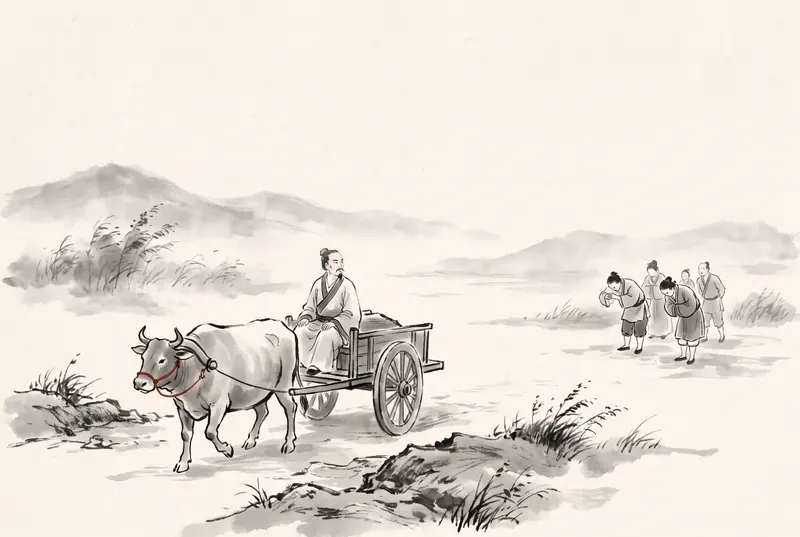
Zhu Jia of Lu lived in the time of Gaozu. Everyone in Lu was raised on Confucian teaching, but Zhu Jia was known as a knight. He hid and saved hundreds of bold men, and ordinary people beyond counting. Yet he never boasted of his ability or took pleasure in his own virtue. As for those he had helped, his one fear was of meeting them again. When he relieved those in need, he began with the poorest and lowest. His house had no wealth to spare. His clothes did not match, his meals had a single dish, and he rode in nothing better than a small ox cart. He rushed to the aid of others more eagerly than he looked after himself. He secretly rescued General Ji Bu from mortal danger, and when Ji Bu rose to high rank, he refused to see him for the rest of his life. East of the passes there was no one who did not crane his neck in hope of being his friend.
Notes (JA)
- 軥牛: 小さな牛。
- 季布: 項羽の将。高祖に追われ、朱家の働きで赦された(巻100)。
- 延頸: 首を伸ばす。待ち望むさま。
Notes (EN)
- Ji Bu: a general of Xiang Yu, hunted by Gaozu and saved through Zhu Jia (Volume 100).
- Crane his neck (延頸): to look forward eagerly.
Word notes
- crane/kreɪn/verb
to stretch the neck to see
In the text: “crane his neck”
Similar words: stretch — extend · strain — try hard
- rescued/ˈrɛskjud/verb
saved from danger
In the text: “He secretly rescued General Ji Bu”
Similar words: saved — kept from harm · delivered — set free
Passage 6
Original
楚田仲以俠聞,喜劍,父事朱家,自以為行弗及。田仲已死,而雒陽有劇孟。周人以商賈為資,而劇孟以任俠顯諸侯。吳楚反時,條侯為太尉,乘傳車將至河南,得劇孟,喜曰:「吳楚舉大事而不求孟,吾知其無能為已矣。」天下騷動,宰相得之若得一敵國云。劇孟行大類朱家,而好博,多少年之戲。然劇孟母死,自遠方送喪蓋千乘。及劇孟死,家無餘十金之財。而符離人王孟亦以俠稱江淮之間。是時濟南瞷氏、陳周庸亦以豪聞,景帝聞之,使使盡誅此屬。其後代諸白、梁韓無辟、陽翟薛兄、陜韓孺紛紛復出焉。
Kundoku (Japanese reading)
楚の田仲は俠を以て聞こえ、剣を喜み、朱家に父事し、自ら以為らく行い及ばずと。田仲已に死して、雒陽に劇孟有り。周人は商賈を以て資と為すに、而して劇孟は任俠を以て諸侯に顕る。呉楚反する時、条侯太尉と為り、伝車に乗りて将に河南に至らんとし、劇孟を得て、喜びて曰く、「呉楚大事を挙げて孟を求めず。吾其の能く為す無きを知る」と。天下騒動するに、宰相之を得ること一敵国を得るが若しと云う。劇孟の行いは大いに朱家に類するも、而して博を好み、少年の戯れ多し。然れども劇孟の母死するや、遠方より喪を送るもの蓋し千乗。劇孟の死するに及びて、家に十金の財を余す無し。而して符離の人王孟も亦俠を以て江淮の間に称せらる。是の時済南の瞷氏・陳の周庸も亦豪を以て聞こゆ。景帝之を聞き、使いをして尽く此の属を誅せしむ。其の後代の諸白、梁の韓無辟、陽翟の薛兄、陜の韓孺、紛紛として復た出づ。
Japanese
楚の田仲は侠客として知られ、剣を好み、朱家に父のように仕えて、自分の行いは及ばないと思っていた。田仲が死ぬと、洛陽に劇孟が現れた。洛陽の人々は商売で身を立てていたが、劇孟は侠気で諸侯に名を知られた。呉楚七国の乱のとき、太尉の条侯周亜夫が急使の車で河南に着き、劇孟を味方にすると喜んで言った。「呉と楚は大事を起こしながら劇孟を求めなかった。これで彼らに何もできないことがわかった」。天下が騒然とする中、宰相が彼を得ることは、敵国一つを得るようなものだったという。劇孟の行いは朱家によく似ていたが、賭けごとを好み、若者のような遊びが多かった。それでも母が死ぬと、遠方から葬送に来た車はおよそ千台にのぼった。劇孟が死んだとき、家には十金の財産も残っていなかった。また符離の王孟も、長江と淮水の間で侠客として知られた。このころ済南の瞷氏や陳の周庸も豪族として聞こえていたが、景帝はこれを聞いて、使者を送って彼らをすべて誅殺させた。その後も代の白氏の一族、梁の韓無辟、陽翟の薛兄、陜の韓孺らが、次々と現れた。
English
Tian Zhong of Chu was known as a knight. He loved the sword, served Zhu Jia like a father and thought his own conduct could not compare. After Tian Zhong died, Ju Meng appeared in Luoyang. The people of Zhou made their living by trade, but Ju Meng became famous among the states for his chivalry. When Wu and Chu rebelled, Zhou Yafu, the Marquis of Tiao, was Grand Commandant. Racing by post carriage to Henan, he won Ju Meng over and said with delight: "Wu and Chu have begun this great enterprise without seeking Ju Meng. Now I know they can achieve nothing." With the empire in turmoil, it is said, to gain him was like gaining a whole enemy state. Ju Meng's conduct was much like Zhu Jia's, but he loved gambling and many of a young man's games. Yet when his mother died, about a thousand carriages came from far away for the funeral. And when he himself died, his family had not even ten pieces of gold left. Wang Meng of Fuli was also known as a knight between the Yangtze and the Huai. At that time the Xian family of Jinan and Zhou Yong of Chen were known as powerful men as well. When Emperor Jing heard of them, he sent envoys to put them all to death. After that the Bai family of Dai, Han Wubi of Liang, Xue Xiong of Yangzhai and Han Ru of Shan sprang up one after another.
Notes (JA)
- 父事: 父のように仕える。
- 周人: 洛陽のあたりの人。
- 條侯: 周亜夫(巻109 p2)。
- 傳車: 宿駅ごとに馬を替えて走る急使の車。
- 一敵國: 一つの敵国に匹敵する。
Notes (EN)
- People of Zhou: those of the Luoyang area, the old royal domain, known for trade.
- Zhou Yafu: the general who put down the Seven States (see Volume 109, p2).
- Post carriage (傳車): a fast carriage that changed horses at relay stations.
Word notes
- gambling/ˈɡæmblɪŋ/noun
playing games for money
In the text: “he loved gambling”
Similar words: betting — risking money · wagering — placing bets
- turmoil/ˈtɜrmɔɪl/noun
great confusion and trouble
In the text: “With the empire in turmoil”
Similar words: chaos — complete disorder · upheaval — violent change
Passage 7
Original
郭解,軹人也,字翁伯,善相人者許負外孫也。解父以任俠,孝文時誅死。解為人短小精悍,不飲酒。少時陰賊,慨不快意,身所殺甚眾。以軀借交報仇,藏命作姦剽攻,不休及鑄錢掘冢,固不可勝數。適有天幸,窘急常得脫,若遇赦。及解年長,更折節為儉,以德報怨,厚施而薄望。然其自喜為俠益甚。既已振人之命,不矜其功,其陰賊著於心,卒發於睚眦如故云。而少年慕其行,亦輒為報仇,不使知也。解姊子負解之勢,與人飲,使之嚼。非其任,彊必灌之。人怒,拔刀刺殺解姊子,亡去。解姊怒曰:「以翁伯之義,人殺吾子,賊不得。」棄其尸於道,弗葬,欲以辱解。解使人微知賊處。賊窘自歸,具以實告解。解曰:「公殺之固當,吾兒不直。」遂去其賊,罪其姊子,乃收而葬之。諸公聞之,皆多解之義,益附焉。
Kundoku (Japanese reading)
郭解は、軹の人なり。字は翁伯、善く人を相する者許負の外孫なり。解の父は任俠を以て、孝文の時誅死す。解は人と為り短小精悍にして、酒を飲まず。少き時陰賊にして、慨して意に快からざれば、身づから殺す所甚だ衆し。軀を以て交わりに借し仇を報じ、命を蔵して姦を作し剽攻し、休まず、及び銭を鋳り冢を掘ること、固より数うるに勝うべからず。適々天幸有り、窘急にして常に脱するを得、赦に遇うが若し。解年長ずるに及び、更めて節を折りて倹と為り、徳を以て怨みに報い、厚く施して薄く望む。然れども其の自ら俠たるを喜ぶこと益々甚だし。既已に人の命を振いて、其の功を矜らず。其の陰賊は心に著き、卒かに睚眦に発すること故の如しと云う。而して少年其の行いを慕い、亦輒ち為に仇を報じ、知らしめず。解の姉の子解の勢いを負い、人と飲むに、之をして嚼せしむ。其の任に非ざるに、彊いて必ず灌ぐ。人怒り、刀を抜きて解の姉の子を刺殺し、亡げ去る。解の姉怒りて曰く、「翁伯の義を以てして、人吾が子を殺すも、賊得られず」と。其の尸を道に棄てて葬らず、以て解を辱めんと欲す。解人をして微かに賊の処を知らしむ。賊窘しみて自ら帰し、具に実を以て解に告ぐ。解曰く、「公の之を殺すは固より当たれり。吾が児直からず」と。遂に其の賊を去らしめ、其の姉の子を罪し、乃ち収めて之を葬る。諸公之を聞き、皆解の義を多とし、益々附く。
Japanese
郭解は軹の人で、字は翁伯、人相見の名人の許負の外孫である。父も侠客で、文帝のときに誅殺された。郭解は小柄で精悍で、酒を飲まなかった。若いころは陰険で、腹が立つとすぐ人を手にかけ、自ら殺した者は非常に多かった。友のために身を張って仇を討ち、逃亡者をかくまい、強盗をはたらき、贋金を作り、墓を暴くなど、数え切れない。運よく、窮地に陥ってもいつも逃れ、恩赦にあうこともあった。年をとると、節を改めて慎ましくなり、恨みに徳で報い、人に厚く施して見返りを求めなくなった。それでも侠客であることを誇る気持ちはますます強かった。人の命を救っても手柄を誇らなかったが、陰険さは心に残っていて、ちょっと睨まれただけで怒りが爆発するのは昔のままだったという。若者たちは彼の行いを慕い、彼のために勝手に仇を討っては、知らせずにいた。郭解の姉の子は叔父の威光を笠に着て、人と酒を飲むと無理に杯を干させ、飲めない者にも強引に注ぎ込んだ。怒った相手は刀を抜いて彼を刺し殺し、逃げた。郭解の姉は怒って言った。「翁伯ほどの義の人がいながら、私の子を殺した者が捕まらないとは」。そして遺体を道に捨てて葬らず、郭解に恥をかかせようとした。郭解は人をやって犯人の居所をひそかに探らせた。犯人は追いつめられて自ら出頭し、ありのままを告げた。郭解は言った。「あなたが殺したのはもっともだ。うちの子が悪かった」。そして犯人を立ち去らせ、甥の非を認めて遺体を引き取って葬った。人々はこれを聞いて郭解の義をたたえ、ますます彼についた。
English
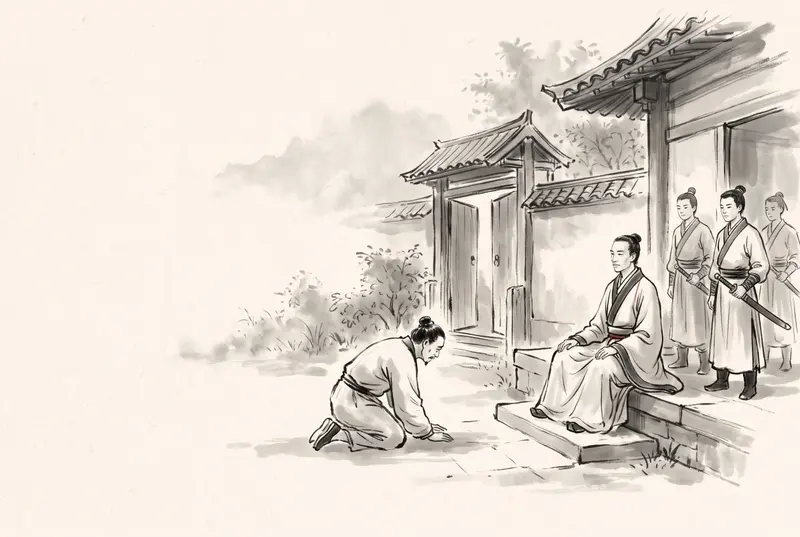
Guo Xie was a man of Zhi. His courtesy name was Wengbo, and he was the grandson, through his mother, of the famous face reader Xu Fu. His father was a knight who was executed under Emperor Wen. Guo Xie was small, wiry and fierce, and did not drink. As a young man he was vicious. If anything displeased him he struck, and he killed many people with his own hands. He risked his life to avenge his friends, hid fugitives, committed crimes and robberies without stopping, and forged coins and dug up tombs; his offenses could not be counted. By luck, he always slipped away at the last moment or was covered by an amnesty. As he grew older he changed his ways. He lived frugally, repaid hatred with kindness, gave generously and expected little. Yet he took more pride than ever in being a knight. He saved people's lives and never boasted of it. But the viciousness stayed fixed in his heart, it is said, and a mere glare could still set it off. Young men who admired him would take revenge on his behalf without letting him know. His sister's son, relying on his uncle's power, would force drinks on people at parties, pouring wine into them even when they could take no more. One man, enraged, drew a knife, stabbed him to death and fled. Guo Xie's sister cried out in anger: "With all the honor of Wengbo, someone kills my son and the killer is not caught!" She left the body in the road unburied, to shame her brother. Guo Xie had people quietly find out where the killer was. The man, cornered, came in by himself and told him everything. Guo Xie said: "You were right to kill him. My boy was in the wrong." He let the killer go, blamed his nephew, and took up the body and buried it. People heard of this, praised his sense of honor and flocked to him all the more.
Notes (JA)
- 軹: 今の河南省済源市の地。
- 許負: 高祖の時代の名高い女性の人相見。
- 陰賊: 心が陰険で人を害する。
- 睚眦: にらむこと。わずかな恨み。
- 以德報怨: 恨みに徳で報いる。
Notes (EN)
- Xu Fu: a celebrated woman face reader of Gaozu's time.
- A mere glare (睚眦): the smallest of grudges.
- Repaid hatred with kindness (以德報怨): a phrase discussed in the Analects, 14.34.
Word notes
- wiry/ˈwaɪri/adjective
thin but strong
In the text: “small, wiry and fierce”
Similar words: lean — thin and strong · sinewy — strong and muscular
- amnesty/ˈæmnəsti/noun
an official pardon
In the text: “covered by an amnesty”
Similar words: pardon — official forgiveness · reprieve — a cancelled punishment
Passage 8
Original
解出入,人皆避之。有一人獨箕倨視之,解遣人問其名姓。客欲殺之。解曰:「居邑屋至不見敬,是吾德不脩也,彼何罪!」乃陰屬尉史曰:「是人,吾所急也,至踐更時脫之。」每至踐更,數過,吏弗求。怪之,問其故,乃解使脫之。箕踞者乃肉袒謝罪。少年聞之,愈益慕解之行。雒陽人有相仇者,邑中賢豪居間者以十數,終不聽。客乃見郭解。解夜見仇家,仇家曲聽解。解乃謂仇家曰:「吾聞雒陽諸公在此間,多不聽者。今子幸而聽解,解奈何乃從他縣奪人邑中賢大夫權乎!」乃夜去,不使人知,曰:「且無用,待我去,令雒陽豪居其間,乃聽之。」解執恭敬,不敢乘車入其縣廷。之旁郡國,為人請求事,事可出,出之;不可者,各厭其意,然後乃敢嘗酒食。諸公以故嚴重之,爭為用。邑中少年及旁近縣賢豪,夜半過門常十餘車,請得解客舍養之。
Kundoku (Japanese reading)
解の出入するや、人皆之を避く。一人有りて独り箕倨して之を視る。解人を遣わして其の名姓を問わしむ。客之を殺さんと欲す。解曰く、「邑屋に居りて敬せられざるに至るは、是れ吾が徳の脩まらざるなり。彼何の罪かあらん」と。乃ち陰かに尉史に属して曰く、「是の人は、吾が急とする所なり。践更に至る時之を脱せよ」と。践更に至る毎に、数しば過ぐるも、吏求めず。之を怪しみ、其の故を問うに、乃ち解の脱せしむるなり。箕踞する者乃ち肉袒して罪を謝す。少年之を聞き、愈々益々解の行いを慕う。雒陽の人に相仇する者有り。邑中の賢豪の間に居る者十を以て数うるも、終に聴かず。客乃ち郭解に見ゆ。解夜仇家に見ゆ。仇家曲げて解に聴く。解乃ち仇家に謂いて曰く、「吾聞く雒陽の諸公此の間に在りて、多く聴かざる者ありと。今子幸いにして解に聴く。解奈何ぞ乃ち他県より人の邑中の賢大夫の権を奪わんや」と。乃ち夜去りて、人をして知らしめず、曰く、「且く用うる無かれ。我の去るを待ち、雒陽の豪をして其の間に居らしめ、乃ち之に聴け」と。解は恭敬を執り、敢えて車に乗りて其の県廷に入らず。旁の郡国に之きて、人の為に事を請求するに、事出だすべきは之を出だし、不可なる者は、各々其の意を厭かしめ、然る後に乃ち敢えて酒食を嘗む。諸公故を以て之を厳重し、争いて用を為す。邑中の少年及び旁近の県の賢豪、夜半門を過ぐること常に十余車、解の客を得て舎して之を養わんことを請う。
Japanese
郭解が出歩くと、人々はみな道を避けた。ただ一人、足を投げ出して座ったまま彼を見ている男がいた。郭解が人をやって名を尋ねさせると、取り巻きが男を殺そうとした。郭解は言った。「同じ町に住んでいて敬われないのは、私の徳が足りないからだ。あの人に何の罪があろう」。そして役所の書記にひそかに頼んだ。「あの人は私の大事な人だ。夫役の順番が来たら外してやってくれ」。男は夫役の番が何度来ても、役人に呼ばれない。不思議に思ってわけを尋ねると、郭解が外させていたのだった。足を投げ出していた男は、肌脱ぎになって罪をわびた。若者たちはこれを聞いて、いよいよ郭解の行いを慕った。洛陽に仇どうしの者がいて、町の有力者が十人あまりも仲裁に入ったが、聞き入れなかった。そこで人が郭解に頼んだ。郭解は夜に一方の家を訪ね、その家は曲げて郭解に従うことにした。すると郭解はその家に言った。「洛陽の諸公が仲裁しても聞かなかったと聞く。いま幸いあなたは私の言葉を聞いてくれたが、私はよその県の者だ。どうしてこの町の賢者たちの面目を奪えようか」。そして夜のうちに、人に知られず立ち去り、言い残した。「今のことはなかったことにしてほしい。私が去ったら、洛陽の有力者に仲裁してもらい、その言葉に従ってくれ」。郭解は常に慎み深く、車に乗ったまま県の役所に入ることはしなかった。隣の郡国へ人の頼みごとに行くときは、片づく事は片づけ、無理な事でも、双方が納得するようにしてから、はじめて酒食に手をつけた。人々はこのため彼を重んじ、争って彼のために働いた。町の若者や近隣の県の有力者が、夜中に彼の門を訪れる車は常に十数台あり、郭解の客を引き取って養わせてほしいと願った。
English
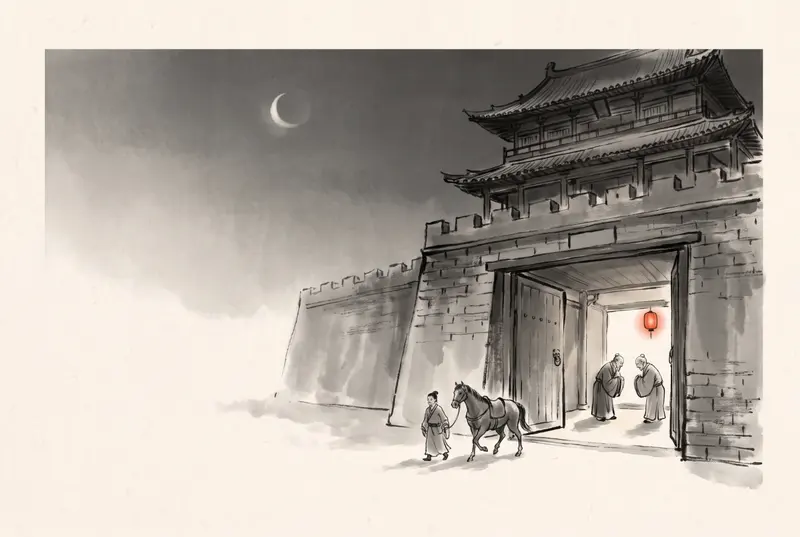
When Guo Xie went about, people all made way for him. One man alone sat with his legs sprawled out and stared at him. Guo Xie sent someone to ask his name, and his followers wanted to kill the man. Guo Xie said: "If I live in this town and am not respected, it is because my virtue is lacking. What crime has he committed?" Then he secretly told the clerk of the local office: "That man is someone I care about. When his turn for labor service comes round, let him off." Each time his turn came, it passed by and the officials did not call him. Puzzled, he asked why, and learned that Guo Xie had arranged it. The man who had sprawled then came with his shoulders bared to beg forgiveness. The young men heard of it and admired Guo Xie more than ever. In Luoyang two families were at feud. More than ten of the town's leading men tried to make peace, but neither side would listen. Someone went to Guo Xie. He called on one of the families at night, and they gave way and agreed to do as he said. Then Guo Xie told them: "I hear that many gentlemen of Luoyang have tried to settle this and you would not hear them. Now you have kindly listened to me. But how could I, from another county, take away the standing of the worthy men of your own town?" He left that very night, so that no one would know, saying: "Do nothing for now. Wait until I am gone. Let the leading men of Luoyang come between you, and then listen to them." Guo Xie was always respectful, and would not ride in a carriage into the county office. When he went to nearby commanderies to ask favors for people, he got done what could be done. Where it could not, he made sure each side was satisfied, and only then would he touch food or wine. So people held him in awe and competed to be of use to him. The young men of the town and leading men of nearby counties came to his gate at midnight, more than ten carriages a night, begging to take in his guests and look after them.
Notes (JA)
- 箕倨・箕踞: 足を投げ出して座る無礼な姿勢。
- 踐更: 順番に回ってくる労役。
- 肉袒: 肌脱ぎになる。謝罪の作法。
- 居間: 間に入って仲裁する。
Notes (EN)
- Legs sprawled out (箕踞): a rude way to sit in old China.
- Labor service (踐更): the work every commoner owed the state in turn.
- Shoulders bared (肉袒): the customary way of begging forgiveness.
Word notes
- sprawled/sprɔld/adjective
spread out in a careless way
In the text: “with his legs sprawled out”
Similar words: spread — stretched out · stretched — extended
- feud/fjud/noun
a long, bitter quarrel
In the text: “were at feud”
Similar words: vendetta — a long fight between families · quarrel — an angry argument
Passage 9
Original
及徙豪富茂陵也,解家貧,不中訾,吏恐,不敢不徙。衛將軍為言:「郭解家貧不中徙。」上曰:「布衣權至使將軍為言,此其家不貧。」解家遂徙。諸公送者出千餘萬。軹人楊季主子為縣掾,舉徙解。解兄子斷楊掾頭。由此楊氏與郭氏為仇。解入關,關中賢豪知與不知,聞其聲,爭交驩解。解為人短小,不飲酒,出未嘗有騎。已又殺楊季主。楊季主家上書,人又殺之闕下。上聞,乃下吏捕解。解亡,置其母家室夏陽,身至臨晉。臨晉籍少公素不知解,解冒,因求出關。籍少公已出解,解轉入太原,所過輒告主人家。吏逐之,跡至籍少公。少公自殺,口絕。久之,乃得解。窮治所犯,為解所殺,皆在赦前。軹有儒生侍使者坐,客譽郭解,生曰:「郭解專以姦犯公法,何謂賢!」解客聞,殺此生,斷其舌。吏以此責解,解實不知殺者。殺者亦竟絕,莫知為誰。吏奏解無罪。御史大夫公孫弘議曰:「解布衣為任俠行權,以睚眥殺人,解雖弗知,此罪甚於解殺之。當大逆無道。」遂族郭解翁伯。
Kundoku (Japanese reading)
豪富を茂陵に徙すに及びて、解の家貧しく、訾に中らず。吏恐れ、敢えて徙さずんばあらず。衛将軍為に言う、「郭解は家貧しく徙すに中らず」と。上曰く、「布衣の権、将軍をして為に言わしむるに至る。此れ其の家貧しからず」と。解の家遂に徙さる。諸公の送る者千余万を出だす。軹の人楊季主の子県掾と為り、挙げて解を徙す。解の兄の子楊掾の頭を断つ。此に由りて楊氏と郭氏と仇と為る。解関に入る。関中の賢豪、知ると知らざると、其の声を聞き、争いて解に交驩す。解は人と為り短小にして、酒を飲まず、出づるに未だ嘗て騎有らず。已にして又楊季主を殺す。楊季主の家上書するに、人又之を闕下に殺す。上聞き、乃ち吏に下して解を捕えしむ。解亡げ、其の母家室を夏陽に置き、身づから臨晋に至る。臨晋の籍少公素より解を知らず。解冒して、因りて関を出でんことを求む。籍少公已に解を出だす。解転じて太原に入り、過ぐる所輒ち主人の家に告ぐ。吏之を逐い、跡籍少公に至る。少公自殺し、口絶ゆ。久しくして、乃ち解を得たり。窮めて犯す所を治むるに、解の殺す所と為るは、皆赦の前に在り。軹に儒生有りて使者の坐に侍す。客郭解を誉む。生曰く、「郭解は専ら姦を以て公法を犯す。何ぞ賢と謂わん」と。解の客聞きて、此の生を殺し、其の舌を断つ。吏此を以て解を責むるも、解は実に殺す者を知らず。殺す者も亦竟に絶え、誰為るかを知る莫し。吏解を罪無しと奏す。御史大夫公孫弘議して曰く、「解は布衣にして任俠を為し権を行い、睚眥を以て人を殺す。解知らずと雖も、此の罪は解の之を殺すより甚だし。大逆無道に当つ」と。遂に郭解翁伯を族す。
Japanese
武帝が全国の富豪を茂陵に移住させたとき、郭解の家は貧しくて財産の基準に達しなかった。しかし役人は恐れて、移さないわけにはいかなかった。衛青将軍が口添えして言った。「郭解の家は貧しく、移住の基準に達しません」。武帝は言った。「無位無官の者が将軍に口をきかせるほどの力を持つのだ。その家は貧しくない」。こうして郭解の家は移された。諸方の人々が見送りに贈った金は千万銭あまりにのぼった。軹の楊季主の子は県の役人で、郭解を移住者に挙げた人だった。郭解の兄の子がその首を斬り、これから楊氏と郭氏は仇となった。郭解が関中に入ると、関中の有力者は、知る者も知らない者も、その名を聞いて争って彼と交わった。郭解は小柄で酒を飲まず、外出にも騎馬の供を連れなかった。やがて今度は楊季主が殺された。楊家が朝廷に訴え出ると、その訴えた者も宮門の下で殺された。武帝はこれを聞いて、郭解の逮捕を命じた。郭解は逃げ、母と家族を夏陽に置いて、自分は臨晋へ行った。臨晋の籍少公は郭解を知らなかったが、郭解が名を偽って関所を出たいと頼むと、出してやった。郭解は太原へ入り、通る先々で宿の主人に行き先を告げた。役人が追うと、足取りは籍少公にたどりついた。籍少公は自殺して、口を閉ざした。長い時を経て、ようやく郭解は捕まった。罪を徹底的に調べると、郭解の殺人はすべて恩赦の前のことだった。軹の儒学生が使者の席に控えていたとき、ある客が郭解をほめた。儒学生は言った。「郭解は悪事で公の法を犯してばかりだ。どこが賢いのか」。郭解の子分がこれを聞いて、その学生を殺し、舌を切った。役人はこれで郭解を責めたが、郭解は本当に誰が殺したか知らなかった。殺した者も行方が絶え、誰かわからなかった。役人は郭解を無罪と上奏した。御史大夫の公孫弘は論じた。「郭解は庶民の身で侠をはたらき、権勢をふるい、わずかな恨みで人を殺させている。本人が知らなくても、その罪は自ら殺すより重い。大逆無道にあたる」。こうして郭解翁伯は一族もろとも処刑された。
English
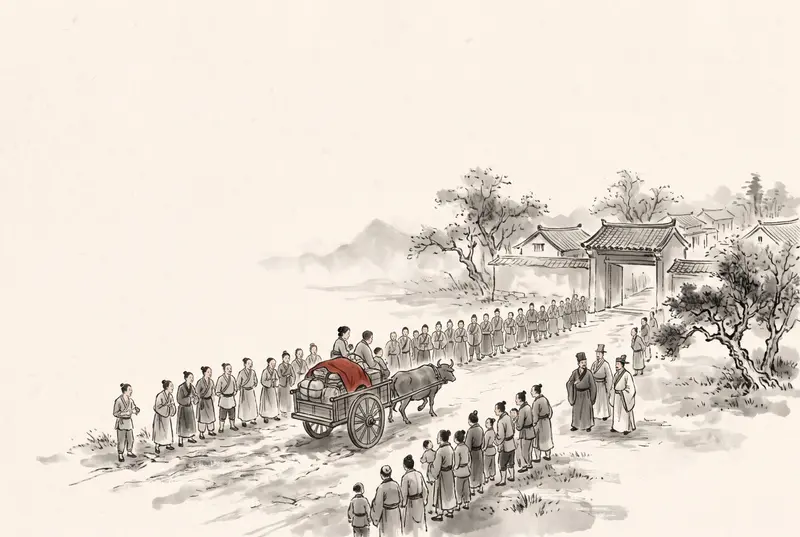
When the rich and powerful were moved to Maoling, Guo Xie's family was poor and did not meet the property test. But the officials were afraid and dared not leave him off the list. General Wei Qing spoke for him: "Guo Xie's family is poor and does not qualify to be moved." The emperor said: "A commoner with enough influence to make a general speak for him: such a family is not poor." So the family was moved. Those who came to see him off gave more than ten million cash. The son of Yang Jizhu of Zhi, a county clerk, had put Guo Xie's name forward for the move. Guo Xie's elder brother's son cut off the clerk's head, and from then on the Yang and Guo families were enemies. When Guo Xie entered the land within the passes, its leading men, those who knew him and those who did not, heard of his name and rushed to befriend him. He was small, did not drink, and never went out with mounted attendants. Then Yang Jizhu himself was killed. His family sent a petition to the throne, and the petitioner too was killed, right below the palace gate. When the emperor heard this, he ordered Guo Xie's arrest. Guo Xie fled. He left his mother and family at Xiayang and went himself to Linjin. Ji Shaogong of Linjin had never known him. Guo Xie used a false name and asked for help getting through the pass, and Ji Shaogong got him out. Guo Xie then went on to Taiyuan, telling his host at every stop where he was going. The officials pursued him and the trail led to Ji Shaogong, who killed himself, so that nothing could be learned from him. After a long time, Guo Xie was caught. His crimes were investigated to the bottom, but all the killings he had done were from before the amnesties. A Confucian student of Zhi was attending an envoy, and a guest praised Guo Xie. The student said: "Guo Xie does nothing but break the law with his crimes. How can you call him worthy?" One of Guo Xie's followers heard this, killed the student and cut out his tongue. The officials charged Guo Xie with it, but he truly did not know who had done it. The killer vanished, and no one ever learned who he was. The officials reported that Guo Xie was innocent. But the Imperial Counselor Gongsun Hong argued: "Guo Xie is a commoner who plays the knight and wields power, and people are killed over his smallest grudge. Even if he did not know of it, this crime is worse than if he had killed the man himself. It should be judged as high treason." And so Guo Xie, Wengbo, was executed with all his clan.
Notes (JA)
- 茂陵: 武帝の陵。周囲に町を造り、各地の富豪を移した。
- 訾: 財産。基準額は三百万銭とされる。
- 衛將軍: 衛青(巻109、巻111)。
- 御史大夫: 丞相に次ぐ、監察をつかさどる高官。
- 公孫弘: 武帝の丞相。儒学で出世した。
- 大逆無道: 最も重い罪。一族が処刑された。
Notes (EN)
- Maoling: the tomb of Emperor Wu, around which a new town was built and rich families were resettled.
- General Wei Qing: see Volumes 109 and 111.
- Gongsun Hong: a Confucian scholar who rose to be Emperor Wu's chancellor.
Word notes
- petition/pəˈtɪʃən/noun
a written request to someone in authority
In the text: “sent a petition to the throne”
Similar words: appeal — a serious request · plea — an earnest request
- treason/ˈtrizən/noun
the crime of betraying one's state
In the text: “judged as high treason”
Similar words: betrayal — breaking trust · sedition — stirring up rebellion
Passage 10
Original
自是之後,為俠者極眾,敖而無足數者。然關中長安樊仲子,槐裏趙王孫,長陵高公子,西河郭公仲,太原鹵公孺,臨淮兒長卿,東陽田君孺,雖為俠而逡逡有退讓君子之風。至若北道姚氏,西道諸杜,南道仇景,東道趙他、羽公子,南陽趙調之徒,此盜跖居民間者耳,曷足道哉!此乃鄉者朱家之羞也。太史公曰:吾視郭解,狀貌不及中人,言語不足採者。然天下無賢與不肖,知與不知,皆慕其聲,言俠者皆引以為名。諺曰:「人貌榮名,豈有既乎!」於戲,惜哉!
Kundoku (Japanese reading)
是より後、俠を為す者極めて衆く、敖りて数うるに足る者無し。然れども関中長安の樊仲子、槐裏の趙王孫、長陵の高公子、西河の郭公仲、太原の鹵公孺、臨淮の兒長卿、東陽の田君孺は、俠を為すと雖も逡逡として退譲の君子の風有り。北道の姚氏、西道の諸杜、南道の仇景、東道の趙他・羽公子、南陽の趙調の徒の若きに至りては、此れ盗跖の民間に居る者のみ。曷ぞ道うに足らんや。此れ乃ち郷者の朱家の羞なり。太史公曰く、吾郭解を視るに、状貌は中人に及ばず、言語は採るに足らざる者なり。然れども天下賢と不肖と、知ると知らざると無く、皆其の声を慕い、俠を言う者は皆引きて以て名と為す。諺に曰く、「人貌に栄名を、豈に既くること有らんや」と。於戯、惜しいかな。
Japanese
これより後、侠客を名のる者は非常に多くなったが、おごりたかぶって数えるに足りない。ただ、長安の樊仲子、槐里の趙王孫、長陵の高公子、西河の郭公仲、太原の鹵公孺、臨淮の児長卿、東陽の田君孺は、侠客でありながら慎み深く、へりくだる君子の風があった。北の道の姚氏、西の道の杜氏の一族、南の道の仇景、東の道の趙他と羽公子、南陽の趙調のような連中は、民間にいる盗跖にすぎない。どうして語るに足りよう。これこそ、かつての朱家が恥じるところである。太史公は言う。私は郭解を見たことがあるが、顔かたちは人並み以下で、言葉にも取るべきものはなかった。ところが天下の人は、賢い者も愚かな者も、彼を知る者も知らない者も、みなその名声を慕い、侠を語る者はみな彼の名を引く。ことわざに「人の容貌を飾るのは栄誉ある名だ。それが尽きることがあろうか」という。ああ、惜しいことだ。
English
After this, people who played the knight became very many, but they were arrogant and not worth counting. Still, Fan Zhongzi of Chang'an, Zhao Wangsun of Huaili, Gao Gongzi of Changling, Guo Gongzhong of Xihe, Lu Gongru of Taiyuan, Er Changqing of Linhuai and Tian Junru of Dongyang, though they were knights, were modest and retiring, with the manner of gentlemen. As for the Yao family of the northern road, the Du clan of the western road, Qiu Jing of the southern road, Zhao Tuo and Yu Gongzi of the eastern road and Zhao Tiao of Nanyang, these were simply Robber Zhis living among the people. They are not worth talking about. They would have been a disgrace to Zhu Jia. The Grand Historian says: I have seen Guo Xie. His looks were below average, and his speech was nothing to record. Yet everyone in the world, worthy or not, whether they knew him or not, admired his reputation, and all who speak of knights invoke his name. The proverb says: "Glorious fame is the true face of a man. How could it ever fade?" Alas, what a pity!
Notes (JA)
- 逡逡: 控えめで慎み深いさま。
- 吾視郭解: 司馬遷は若いころ郭解を実際に見たらしい。
- 人貌榮名: 解釈に諸説ある。名声こそが人の顔を飾るという意味にとった。
Notes (EN)
- I have seen Guo Xie: Sima Qian seems to have met him as a young man.
- The proverb (人貌榮名) is read in several ways. Here it is taken to mean that fame is what adorns a person.
Word notes
- retiring/rɪˈtaɪrɪŋ/adjective
shy and quiet
In the text: “modest and retiring”
Similar words: reserved — not showing feelings · bashful — shy
- reputation/ˌrɛpjəˈteɪʃən/noun
what people think of someone
In the text: “admired his reputation”
Similar words: name — public standing · standing — position in others' eyes