Biographies · Vol. 129
The Biographies of the Money-Makers 貨殖列傳
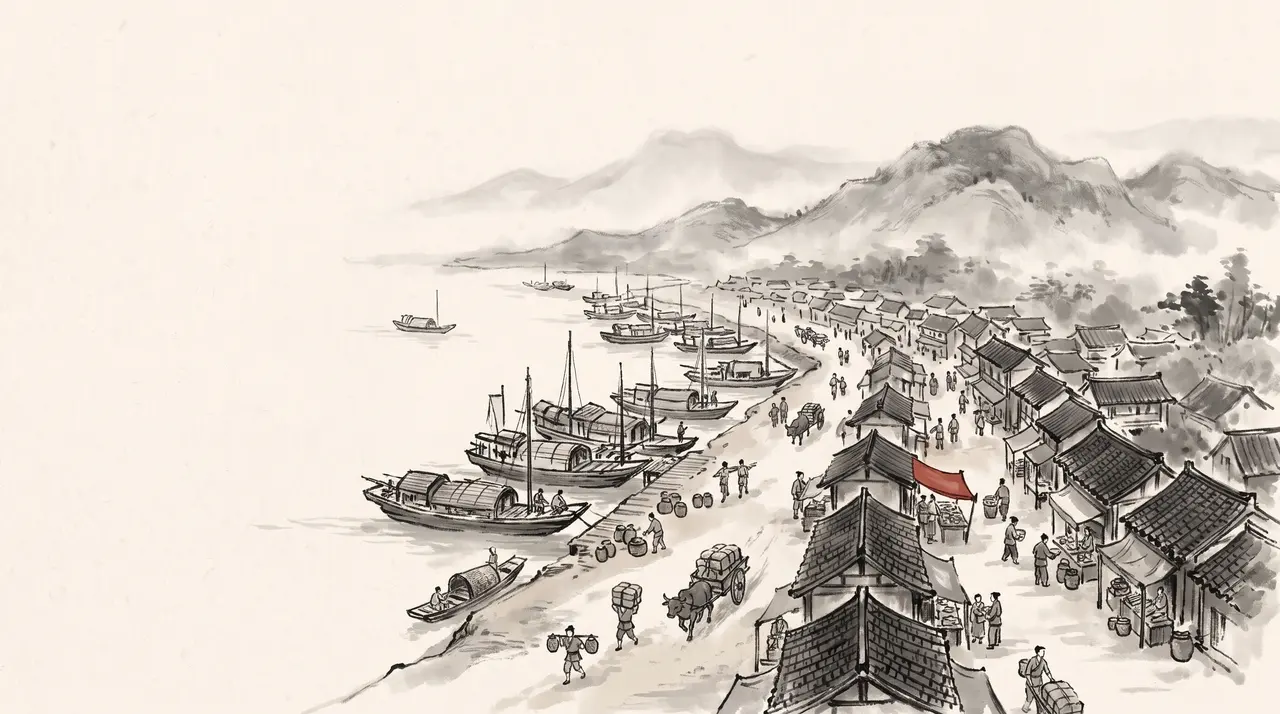
All the World Comes for Profit 天下熙熙
The lives of those who grew rich by trade rather than rank or war, and one of the most unusual volumes of the Shiji. Sima Qian states flatly that people want wealth by nature, without being taught, and writes: "All the world comes bustling after profit." The best government, he argues, simply lets people follow their own business, and the worst competes with them for gain. Here are Fan Li, who won Yue its victory and then became a merchant; Zigong, whose wealth spread the fame of Confucius; the quick-eyed Bai Gui; the herdsman Luo of Wuzhi and the widow Qing, honored by the First Emperor; Diao Jian, who made use of the slaves others feared; and the Ren family, who stored grain through the wars. With a strikingly modern eye, he portrays the "untitled lords" who, without any office, stood equal to kings.
This page has the scene "All the World Comes for Profit" from this volume, not the whole volume.
Audio
The audio is synthetic speech.
Video
Passage 1
Original
老子曰:「至治之極,鄰國相望,雞狗之聲相聞,民各甘其食,美其服,安其俗,樂其業,至老死,不相往來。」必用此為務,輓近世涂民耳目,則幾無行矣。太史公曰:夫神農以前,吾不知已。至若詩書所述虞夏以來,耳目欲極聲色之好,口欲窮芻豢之味,身安逸樂,而心誇矜輓能之榮使。俗之漸民久矣,雖戶說以眇論,終不能化。故善者因之,其次利道之,其次教誨之,其次整齊之,最下者與之爭。
Kundoku (Japanese reading)
老子曰く、「至治の極は、隣国相望み、鶏狗の声相聞こえ、民各々其の食を甘しとし、其の服を美とし、其の俗に安んじ、其の業を楽しみ、老死に至るまで、相往来せず」と。必ず此を用いて務めと為さば、近世に輓して民の耳目を塗るも、則ち幾ど行わるる無からん。太史公曰く、夫れ神農以前は、吾知らざるのみ。詩書の述ぶる所の虞夏以来の若きに至りては、耳目は声色の好みを極めんと欲し、口は芻豢の味を窮めんと欲し、身は逸楽に安んじ、而して心は勢能の栄使を誇矜す。俗の民に漸むこと久し。戸ごとに説くに眇論を以てすと雖も、終に化する能わず。故に善き者は之に因り、其の次は之を利道し、其の次は之を教誨し、其の次は之を整斉し、最も下なる者は之と争う。
Japanese
老子は言った。「最も理想の政治では、隣の国が見え、鶏や犬の声が聞こえるほど近くても、民はそれぞれ自分の食べ物をうまいと思い、衣服を美しいと思い、風俗に安んじ、仕事を楽しんで、老いて死ぬまで互いに行き来しない」。しかし、これを本気で実行しようとして、今の世の人々の耳目をふさごうとしても、ほとんど行われはしないだろう。太史公は言う。神農より前のことは私にはわからない。『詩経』や『書経』が述べる舜や禹の時代以来、耳と目は音楽と美しいものを極めたがり、口は肉のうまさを究めたがり、体は安楽を好み、心は権勢と才能の栄誉を誇りたがる。この風習が民にしみこんで久しい。一軒一軒まわって立派な理屈を説いても、変えることはできない。だから最善の政治は民のあるがままに任せ、その次は利益で導き、その次は教え諭し、その次は規制で整え、最も下等なのは民と利を争うことである。
English
Laozi said: "In the most perfect state of government, neighboring countries are in sight of one another and can hear each other's cocks and dogs, yet the people find their own food sweet and their own clothes fine, are content with their customs and happy in their work, and to the end of their days never visit one another." But if you tried to make this your aim, and stopped up the eyes and ears of people in recent times, it could hardly be done. The Grand Historian says: I know nothing of the time before Shennong. But ever since the age of Shun and Yu described in the Songs and Documents, the ears and eyes have wanted the finest sounds and sights, the mouth the richest meats, the body comfort and pleasure, and the heart the glory of power and talent. These habits have soaked into the people for so long that you could go from door to door preaching subtle theories and never change them. So the best ruler goes along with them, the next best guides them by their interests, the next teaches them, the next forces them into line, and the worst of all competes with them.
Notes (JA)
- 老子の言葉: 『老子』第80章(小国寡民)に基づく。
- 神農: 農業と医薬を始めたという伝説の帝王。
- 芻豢: 草を食べる家畜と穀物を食べる家畜。肉料理。
- 善者因之: 経済への介入を少なくするのが最善という、司馬遷の有名な主張。
Notes (EN)
- Laozi's words: based on the Daodejing, chapter 80.
- Shennong: the legendary inventor of farming and medicine.
- "The best ruler goes along with them": Sima Qian's famous case for leaving the economy alone. It was also a criticism of Emperor Wu's state monopolies.
Word notes
- content/kənˈtɛnt/adjective
happy with what one has
In the text: “are content with their customs”
Similar words: satisfied — pleased · at ease — relaxed
- compete/kəmˈpit/verb
to try to win against others
In the text: “the worst of all competes with them”
Similar words: contend — struggle against · vie — compete eagerly
Passage 2
Original
夫山西饒材、竹、穀、纑、旄、玉石;山東多魚、鹽、漆、絲、聲色;江南出枏、梓、薑、桂、金、錫、連、丹沙、犀、瑁、珠璣、齒革;龍門、碣石北多馬、牛、羊、旃裘、筋角;銅、鐵則千里往往山出棋置:此其大較也。皆中國人民所喜好,謠俗被服飲食奉生送死之具也。故待農而食之,虞而出之,工而成之,商而通之。此寧有政教發徵期會哉?人各任其能,竭其力,以得所欲。故物賤之徵貴,貴之徵賤,各勸其業,樂其事,若水之趨下,日夜無休時,不召而自來,不求而民出之。豈非道之所符,而自然之驗邪?
Kundoku (Japanese reading)
夫れ山西は材・竹・穀・纑・旄・玉石に饒く、山東は魚・塩・漆・絲・声色多く、江南は枏・梓・薑・桂・金・錫・連・丹沙・犀・瑁・珠璣・歯革を出だし、龍門・碣石の北は馬・牛・羊・旃裘・筋角多く、銅・鉄は則ち千里に往往にして山より出でて棋置す。此れ其の大較なり。皆中国の人民の喜好する所、謡俗の被服飲食、生を奉じ死を送るの具なり。故に農を待ちて之を食らい、虞にして之を出だし、工にして之を成し、商にして之を通ず。此れ寧ぞ政教発徴期会有らんや。人各々其の能に任じ、其の力を竭くし、以て欲する所を得。故に物賤しければ之れ貴きを徴し、貴ければ之れ賤しきを徴す。各々其の業に勧み、其の事を楽しみ、水の下に趨くが若く、日夜休む時無く、召さずして自ら来たり、求めずして民之を出だす。豈に道の符する所にして、自然の験に非ずや。
Japanese
崤山の西は木材、竹、穀物、麻、牛の尾の毛、玉が豊かで、東は魚、塩、漆、絹、音楽と美女が多く、長江の南は楠、梓、生姜、肉桂、金、錫、鉛、丹砂、犀の角、亀の甲、真珠、象牙や皮を産し、龍門と碣石より北は馬、牛、羊、毛織物、毛皮、腱や角が多い。銅と鉄は千里の間のあちこちの山から碁石のように産する。これがおおよその様子である。みな中国の人々が好むもので、衣食や、生きる者を養い死者を送る道具となる。だから農民が作って食べ、山沢の民が取り出し、職人が製品にし、商人が流通させる。これは政府の命令や動員によるものではない。人はそれぞれ能力に応じ、力を尽くして、欲しいものを手に入れる。だから物が安ければ高くなる兆しであり、高ければ安くなる兆しである。人々はそれぞれ仕事に励み、楽しんで働き、水が低い方へ流れるように、昼も夜も休まず、呼ばなくても自然に集まり、求めなくても民が差し出す。これこそ道にかない、自然のはたらきの証ではないか。
English
West of the mountains there is plenty of timber, bamboo, grain, hemp, yak hair, jade and stone. East of the mountains there are many fish, salt, lacquer, silk, music and beauties. South of the Yangtze come cedar, catalpa, ginger, cinnamon, gold, tin, lead, cinnabar, rhinoceros horn, tortoise shell, pearls, ivory and hides. North of Longmen and Jieshi there are many horses, cattle, sheep, felt, furs, sinew and horn. Copper and iron come from mountains scattered every thousand li like pieces on a game board. That is the general picture. All these are things the people of China love, the stuff of their clothes and food, of caring for the living and burying the dead. So they rely on farmers to produce food, on foresters to bring out the riches of mountain and marsh, on craftsmen to make things and on merchants to move them. Does this need any government order, levy or fixed date? Each person uses his ability and spends his strength to get what he wants. So when a thing is cheap, it is a sign that it will grow dear, and when it is dear, that it will grow cheap. Each works hard at his trade and takes pleasure in his work, like water running downhill, day and night without rest. Things come without being called, and the people bring them out without being asked. Is this not in accord with the Way, and the proof of what is natural?
Notes (JA)
- 山西・山東: 崤山の西と東。今の省名とは異なる。
- 虞: 山林沼沢を扱う人。
- 物賤之徵貴、貴之徵賤: 需要と供給による価格の変動をとらえた言葉。
- 若水之趨下: 市場の働きを水の流れにたとえる。
Notes (EN)
- West and east of the mountains: on either side of Mount Xiao, not the modern provinces.
- "When a thing is cheap...": a striking early statement of how supply and demand move prices.
Word notes
- craftsmen/ˈkræftsmən/noun
people skilled at making things
In the text: “on craftsmen to make things”
Similar words: artisans — skilled workers · makers — people who produce
- downhill/ˈdaʊnˈhɪl/adverb
toward the bottom of a slope
In the text: “like water running downhill”
Similar words: down — to a lower place · downward — toward a lower level
Passage 3
Original
《周書》曰:「農不出則乏其食,工不出則乏其事,商不出則三寶絕,虞不出則財匱少。」財匱少而山澤不辟矣。此四者,民所衣食之原也。原大則饒,原小則鮮。上則富國,下則富家。貧富之道,莫之奪予,而巧者有餘,拙者不足。故太公望封於營丘,地澙鹵,人民寡,於是太公勸其女功,極技巧,通魚鹽,則人物歸之,繦至而輻湊。故齊冠帶衣履天下,海岱之閒斂袂而往朝焉。其後齊中衰,管子修之,設輕重九府,則桓公以霸,九合諸侯,一匡天下;而管氏亦有三歸,位在陪臣,富於列國之君。是以齊富彊至於威、宣也。
Kundoku (Japanese reading)
周書に曰く、「農出でざれば則ち其の食に乏しく、工出でざれば則ち其の事に乏しく、商出でざれば則ち三宝絶え、虞出でざれば則ち財匱少す」と。財匱少すれば山沢辟かれず。此の四者は、民の衣食する所の原なり。原大なれば則ち饒く、原小なれば則ち鮮し。上は則ち国を富まし、下は則ち家を富ます。貧富の道は、之を奪い予うる莫く、而して巧みなる者は余り有り、拙き者は足らず。故に太公望営丘に封ぜらる。地は澙鹵にして、人民寡し。是に於いて太公其の女功を勧め、技巧を極め、魚塩を通ず。則ち人物之に帰し、繦至して輻湊す。故に斉は冠帯衣履天下にし、海岱の間袂を斂めて往きて朝す。其の後斉中ごろ衰う。管子之を修め、軽重九府を設く。則ち桓公以て覇たり、諸侯を九合し、天下を一匡す。而して管氏も亦三帰有り、位は陪臣に在るも、列国の君より富む。是を以て斉の富彊は威・宣に至る。
Japanese
『周書』に言う。「農民が働かなければ食べ物が足りず、職人が働かなければ製品が足りず、商人が働かなければ三つの宝が途絶え、山沢の民が働かなければ資源が乏しくなる」。資源が乏しければ山も沢も開かれない。この四つは民の衣食の源である。源が大きければ豊かになり、小さければ乏しくなる。上は国を富ませ、下は家を富ませる。貧富の道は、誰かが奪ったり与えたりするものではなく、巧みな者には余り、下手な者には足りない。太公望が営丘に封じられたとき、土地は塩分が多くて人も少なかった。そこで太公は女性の機織りを勧め、技術を磨かせ、魚と塩を流通させた。すると人も物も集まって、車輪の輻が軸に集まるように押し寄せた。斉の冠や帯、衣服や履物は天下に行きわたり、海と泰山の間の諸国はそでをかき合わせて斉へ朝貢した。のちに斉は一時衰えたが、管仲が立て直して、物価を調節する九府を置いた。これで桓公は覇者となり、諸侯を九度集めて天下を正した。管仲も三帰を持ち、位は家臣でありながら諸国の君主より富んでいた。こうして斉の富強は威王と宣王の時代まで続いた。
English
The Book of Zhou says: "If the farmers do not produce, there will be no food. If the craftsmen do not produce, there will be no goods. If the merchants do not go out, the three treasures will be cut off. If the foresters do not go out, resources will run short." When resources run short, mountains and marshes are not opened up. These four are the source of the people's food and clothing. When the source is great there is plenty, and when it is small there is scarcity. They enrich the state above and the family below. In the way of wealth and poverty, no one takes away or gives. The clever have more than enough, and the clumsy do not have enough. When the Grand Duke Wang was given Yingqiu, the land was salty and the people few. So he encouraged women's weaving, perfected the crafts and opened trade in fish and salt. People and goods flocked to him, pouring in like spokes to a hub. So Qi supplied caps, sashes, clothes and shoes to the whole world, and the states between the sea and Mount Tai came to its court with their sleeves folded. Later Qi declined for a time. Guan Zhong restored it and set up the Nine Treasuries to balance prices. Through this Duke Huan became hegemon, nine times gathered the lords and set the realm right. Guan Zhong himself had his Three Returns, and though only a minister he was richer than the rulers of other states. So the wealth and power of Qi lasted down to Kings Wei and Xuan.
Notes (JA)
- 三寶: 食糧・製品・資源の三つとされる。
- 營丘: 斉の最初の都。
- 澙鹵: 塩分の多いやせ地。
- 輻湊: 車輪の輻が軸に集まる。人や物が集まること。
- 管子: 管仲(巻62)。
Notes (EN)
- Three treasures (三寶): probably food, goods and raw materials.
- Like spokes to a hub (輻湊): a phrase for things converging on one place.
- Guan Zhong and his Three Returns: see Volume 62.
Word notes
- scarcity/ˈskɛrsəti/noun
a shortage
In the text: “when it is small there is scarcity”
Similar words: shortage — not enough · lack — absence of something
- resources/ˈrisɔrsɪz/noun
useful things such as money or materials
In the text: “resources will run short”
Similar words: supplies — stocks of goods · materials — things used to make goods
Passage 4
Original
故曰:「倉廩實而知禮節,衣食足而知榮辱。」禮生於有而廢於無。故君子富,好行其德;小人富,以適其力。淵深而魚生之,山深而獸往之,人富而仁義附焉。富者得埶益彰,失埶則客無所之,以而不樂。夷狄益甚。諺曰:「千金之子,不死於市。」此非空言也。故曰:「天下熙熙,皆為利來;天下壤壤,皆為利往。」夫千乘之王,萬家之侯,百室之君,尚猶患貧,而況匹夫編戶之民乎!
Kundoku (Japanese reading)
故に曰く、「倉廩実ちて礼節を知り、衣食足りて栄辱を知る」と。礼は有に生じて無に廃る。故に君子富めば、好んで其の徳を行い、小人富めば、以て其の力を適す。淵深くして魚之に生じ、山深くして獣之に往き、人富みて仁義附く。富者は埶を得れば益々彰れ、埶を失えば則ち客之く所無く、以て楽しまず。夷狄は益々甚だし。諺に曰く、「千金の子は、市に死せず」と。此れ空言に非ざるなり。故に曰く、「天下熙熙として、皆利の為に来たり、天下壌壌として、皆利の為に往く」と。夫れ千乗の王、万家の侯、百室の君すら、尚お猶お貧を患う。而るを況んや匹夫編戸の民をや。
Japanese
だから「米倉が満ちて礼儀を知り、衣食が足りて名誉と恥を知る」という。礼は豊かさから生まれ、貧しさの中で廃れる。君子は富めば好んで徳を行い、小人は富めば力に応じて振る舞う。淵が深ければ魚が住み、山が深ければ獣が集まり、人が富めば仁義がついてくる。富者は勢いを得ればますます名を上げ、勢いを失えば客は行くところがなくなって楽しまない。異民族ではこれがいっそう甚だしい。ことわざに「千金持ちの子は、市場で処刑されることはない」という。これはうそではない。だから「天下の人々はにぎやかに、みな利のためにやって来て、天下の人々はざわざわと、みな利のために去っていく」という。千台の戦車を持つ王、一万戸の侯、百戸の領主でさえ貧しさを恐れるのだ。まして名もない庶民はなおさらである。
English
So it is said: "When the granaries are full, people learn manners. When food and clothing are enough, they learn honor and shame." Courtesy is born of plenty and dies in want. When a gentleman is rich he loves to practice virtue, and when a petty man is rich he uses it to throw his weight around. Where the pool is deep, fish live. Where the mountains are deep, beasts go. Where people are rich, goodness and right attach themselves. The rich who have power grow ever more eminent. When they lose it, their guests have nowhere to go and are unhappy. Among the barbarians this is still more so. There is a proverb: "The son of a man with a thousand in gold does not die in the marketplace." This is no empty saying. So it is said: "All the world comes bustling after profit, and all the world goes jostling after profit." If even a king with a thousand chariots, a marquis with ten thousand households and a lord with a hundred families still fear poverty, how much more so the common people on the tax rolls!
Notes (JA)
- 倉廩實而知禮節: 管仲の言葉(巻62 p3)。
- 千金之子不死於市: 金持ちの子は金で刑を免れる。
- 天下熙熙: 「熙熙」はにぎやかに喜ぶさま。「壤壤」は入り乱れるさま。
- 編戶: 戸籍に登録された庶民。
Notes (EN)
- "When the granaries are full": Guan Zhong's words (Volume 62, p3).
- "Does not die in the marketplace": executions took place in the market, and the rich could buy their way out. Sima Qian, who could not pay his own ransom, knew this bitterly.
- "All the world comes bustling after profit" (天下熙熙,皆為利來): perhaps the best-known line of this volume.
Idioms from this passage: All the world comes bustling after profit 天下熙熙、皆利のために来たる、A rich man's son does not die in the marketplace 千金の子は市に死せず
Word notes
- bustling/ˈbʌslɪŋ/adjective
full of busy activity
In the text: “comes bustling after profit”
Similar words: busy — full of activity · lively — full of energy
- jostling/ˈdʒɑslɪŋ/adjective
pushing roughly in a crowd
In the text: “goes jostling after profit”
Similar words: shoving — pushing hard · elbowing — pushing with elbows
Passage 5
Original
昔者越王句踐困於會稽之上,乃用范蠡、計然。計然曰:「知斗則修備,時用則知物,二者形則萬貨之情可得而觀已。故歲在金,穰;水,毀;木,饑;火,旱。旱則資舟,水則資車,物之理也。六歲穰,六歲旱,十二歲一大饑。夫糶,二十病農,九十病末。末病則財不出,農病則草不辟矣。上不過八十,下不減三十,則農末俱利,平糶齊物,關市不乏,治國之道也。積著之理,務完物,無息幣。以物相貿易,腐敗而食之貨勿留,無敢居貴。論其有餘不足,則知貴賤。貴上極則反賤,賤下極則反貴。貴出如糞土,賤取如珠玉。財幣欲其行如流水。」修之十年,國富,厚賂戰士,士赴矢石,如渴得飲,遂報彊吳,觀兵中國,稱號「五霸」。
Kundoku (Japanese reading)
昔者越王句践会稽の上に困しみ、乃ち范蠡・計然を用う。計然曰く、「闘うを知れば則ち備えを修め、時に用うれば則ち物を知る。二者形るれば則ち万貨の情得て観るべきのみ。故に歳金に在れば、穣あり。水なれば、毀る。木なれば、饑う。火なれば、旱す。旱すれば則ち舟を資り、水あれば則ち車を資る。物の理なり。六歳穣あり、六歳旱あり、十二歳に一たび大いに饑う。夫れ糶は、二十なれば農を病ましめ、九十なれば末を病ましむ。末病めば則ち財出でず、農病めば則ち草辟かれず。上は八十を過ぎず、下は三十を減ぜざれば、則ち農末倶に利あり。糶を平らかにし物を斉しくし、関市乏しからざるは、治国の道なり。積著の理は、務めて物を完くし、幣を息むる無かれ。物を以て相貿易し、腐敗して食らう貨は留むる勿く、敢えて貴きに居る無かれ。其の有余不足を論ずれば、則ち貴賤を知る。貴上極まれば則ち反りて賤しく、賤下極まれば則ち反りて貴し。貴きは出だすこと糞土の如くし、賤しきは取ること珠玉の如くせよ。財幣は其の行くこと流水の如くならんことを欲す」と。之を修むること十年、国富み、厚く戦士に賂う。士矢石に赴くこと、渇して飲むを得るが如し。遂に彊呉に報じ、兵を中国に観し、「五覇」と称号す。
Japanese
昔、越王句践は会稽山で苦しめられ、范蠡と計然を用いた。計然は言った。「戦うとわかっていれば備えを整え、いつ使うかを見れば物の値打ちがわかります。この二つが明らかになれば、あらゆる物の様子が見えてきます。歳星が金の方角にあれば豊作、水なら不作、木なら飢饉、火なら日照りとなります。日照りのときには舟を仕入れ、大水のときには車を仕入れる。これが物の道理です。六年ごとに豊作と日照りが来て、十二年に一度大飢饉があります。穀物の値が一石二十銭なら農民が苦しみ、九十銭なら商人が苦しみます。商人が苦しめば財が流れず、農民が苦しめば田畑が開かれません。上は八十銭を超えず、下は三十銭を割らないようにすれば、農民も商人も利を得ます。穀物の値を平らにして物価をそろえ、市場に物が欠けないようにするのが国を治める道です。蓄えの要点は、良い品を選び、金を寝かせないことです。物と物を交易し、腐りやすい品は持ち続けず、高値を待って抱え込んではいけません。余っているか足りないかを見れば、高くなるか安くなるかがわかります。高値が極まれば安くなり、安値が極まれば高くなります。高いときは糞土のように売り払い、安いときは珠玉のように買い集めなさい。金は流れる水のように動かしなさい」。これを十年行うと国は富み、兵士に手厚く報いたので、兵士は渇いた者が水を飲むように矢石の中へ突き進んだ。こうして強い呉に報復し、中原に兵を示して「五覇」の一人と称された。
English
Long ago, when Goujian, King of Yue, was in distress on Mount Kuaiji, he employed Fan Li and Ji Ran. Ji Ran said: "If you know there will be war, you prepare. If you know when things will be needed, you know their value. When these two are clear, the state of all goods can be seen. So when the year star is in Metal there is a good harvest, in Water a poor one, in Wood famine and in Fire drought. In a drought, buy boats. In a flood, buy carts. That is the logic of things. Every six years comes a good harvest, every six a drought, and every twelve a great famine. If grain sells at twenty cash, the farmers suffer. If it sells at ninety, the merchants suffer. When merchants suffer, goods do not move. When farmers suffer, the fields are not cleared. If the price stays below eighty and above thirty, farmers and merchants both profit. To level the grain price, even out goods, and keep the markets supplied is the way to govern a state. The rule of storing goods is to keep them in perfect condition and never leave money idle. Trade goods for goods, do not hold on to what spoils, and do not dare wait for the highest price. Consider what is in surplus and what is short, and you will know what will be dear and what cheap. When a price reaches its peak it turns down, and when it reaches its bottom it turns up. When things are dear, let them go like dung. When they are cheap, take them up like pearls. Let money flow like running water." After ten years of this the country was rich. It rewarded its soldiers so well that they rushed at arrows and stones as a thirsty man rushes to drink. So it took revenge on mighty Wu, paraded its troops in the Central Plain, and was called one of the Five Hegemons.
Notes (JA)
- 計然: 范蠡の師とされる人。実在を疑う説もある。
- 歲在金: 歳星(木星)の位置による占い。
- 糶: 穀物を売ること。
- 貴出如糞土、賤取如珠玉: 相場の極意として知られる言葉。
- 五覇: 春秋の五人の覇者。数え方に諸説ある。
Notes (EN)
- Ji Ran: said to be Fan Li's teacher. His existence has been doubted.
- Year star (歲): Jupiter, whose twelve-year cycle was used to forecast harvests.
- "Let them go like dung... take them up like pearls": a famous maxim of trading.
Word notes
- surplus/ˈsɜrplʌs/noun
more than is needed
In the text: “what is in surplus”
Similar words: excess — too much · extra — more than usual
- idle/ˈaɪdəl/adjective
not in use
In the text: “never leave money idle”
Similar words: unused — not being used · inactive — not working
Passage 6
Original
范蠡既雪會稽之恥,乃喟然而嘆曰:「計然之策七,越用其五而得意。既已施於國,吾欲用之家。」乃乘扁舟浮於江湖,變名易姓,適齊為鴟夷子皮,之陶為朱公。朱公以為陶天下之中,諸侯四通,貨物所交易也。乃治產積居。與時逐而不責於人。故善治生者,能擇人而任時。十九年之中三致千金,再分散與貧交疏昆弟。此所謂富好行其德者也。後年衰老而聽子孫,子孫修業而息之,遂至巨萬。故言富者皆稱陶朱公。
Kundoku (Japanese reading)
范蠡既に会稽の恥を雪ぎ、乃ち喟然として嘆じて曰く、「計然の策七つ、越其の五を用いて意を得たり。既已に国に施す。吾之を家に用いんと欲す」と。乃ち扁舟に乗りて江湖に浮かび、名を変え姓を易え、斉に適きて鴟夷子皮と為り、陶に之きて朱公と為る。朱公以為らく陶は天下の中にして、諸侯四通し、貨物の交易する所なりと。乃ち産を治め積居す。時と逐いて人に責めず。故に善く生を治むる者は、能く人を択びて時に任ず。十九年の中に三たび千金を致し、再び貧しき交わりと疏き昆弟とに分散す。此れ所謂富みて好んで其の徳を行う者なり。後に年衰老して子孫に聴す。子孫業を修めて之を息し、遂に巨万に至る。故に富を言う者は皆陶朱公を称す。
Japanese
范蠡は会稽の恥をそそぐと、深くため息をついて言った。「計然の策は七つあったが、越はそのうち五つを用いて目的を果たした。国で使ったのだから、今度は家で使ってみよう」。そして小舟に乗って川や湖に浮かび、名を変えて、斉では鴟夷子皮、陶では朱公と名のった。朱公は、陶は天下の中心で諸侯の国へ四方に道が通じ、物資が交易される地だと考えた。そこで財産を作り、物を蓄えた。時機を追い、人に無理を求めなかった。生計を立てるのが上手な者は、人をよく選び、時に任せるのである。十九年のうちに三度千金の富を築き、二度は貧しい友人や遠い親戚に分け与えた。これこそ、富んで好んで徳を行う者である。年老いると子孫に任せ、子孫が事業を受け継いで増やし、ついには巨万の富となった。だから富を語る者はみな陶朱公の名を挙げる。
English
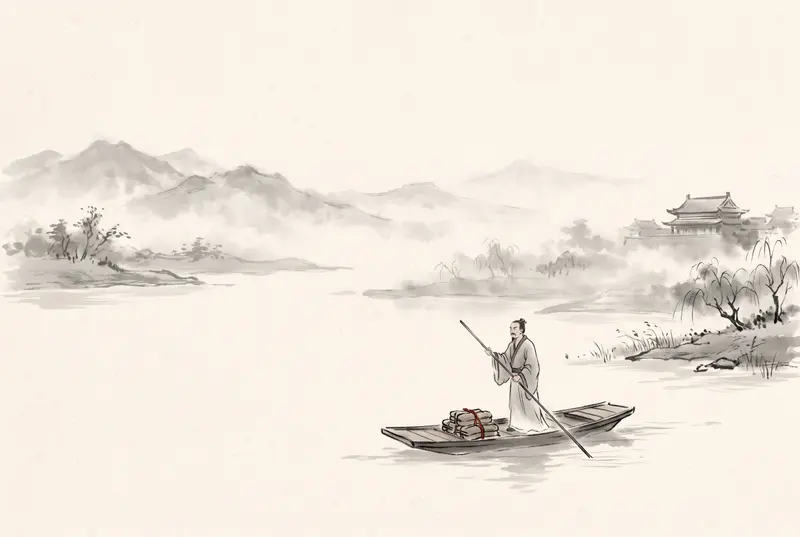
When Fan Li had wiped out the shame of Kuaiji, he heaved a sigh and said: "Ji Ran had seven plans. Yue used five of them and got what it wanted. Having applied them to the state, I would like to try them in my own household." He got into a small boat and drifted away over the rivers and lakes. He changed his name, went to Qi as Chiyi Zipi and to Tao as Master Zhu. Master Zhu thought Tao was the center of the world, with roads to all the states, a place where goods were exchanged. So he built up his property and stored goods. He moved with the times and did not press others. So those who are good at making a living choose their people and go with the moment. In nineteen years he made a thousand in gold three times, and twice he gave it all away to poor friends and distant kin. This is what is meant by the rich who love to practice virtue. In old age he left things to his sons and grandsons, who carried on the business and made it grow until it reached tens of thousands. So whenever people speak of wealth they name Master Zhu of Tao.
Notes (JA)
- 范蠡: 越の功臣(巻41)。
- 鴟夷子皮: 皮の袋の意とされる。呉の伍子胥の遺体を入れた袋にちなむともいう。
- 陶: 今の山東省定陶付近。
- 陶朱公: 大富豪の代名詞。
Notes (EN)
- Fan Li: the great minister of Yue (Volume 41).
- Tao: near present-day Dingtao in Shandong.
- Master Zhu of Tao (陶朱公): the byword for a great fortune in Chinese.
Idioms from this passage: The wealth of Master Zhu of Tao 陶朱の富
Word notes
- drift/drɪft/verb
to move slowly with water or air
In the text: “drifted away over the rivers”
Similar words: float — rest on water · glide — move smoothly
- wealth/wɛlθ/noun
a large amount of money or property
In the text: “whenever people speak of wealth”
Similar words: riches — great wealth · fortune — a very large amount of money
Passage 7
Original
子贛既學於仲尼,退而仕於衛,廢著鬻財於曹、魯之閒,七十子之徒,賜最為饒益。原憲不厭糟糠,匿於窮巷。子貢結駟連騎,束帛之幣以聘享諸侯,所至,國君無不分庭與之抗禮。夫使孔子名布揚於天下者,子貢先後之也。此所謂得埶而益彰者乎?
Kundoku (Japanese reading)
子贛既に仲尼に学び、退きて衛に仕え、廃著して財を曹・魯の間に鬻ぐ。七十子の徒、賜最も饒益と為す。原憲は糟糠に厭かず、窮巷に匿る。子貢は駟を結び騎を連ね、束帛の幣を以て諸侯に聘享す。至る所、国君庭を分かちて之と礼を抗せざる無し。夫れ孔子の名をして天下に布揚せしむる者は、子貢之に先後すればなり。此れ所謂埶を得て益々彰るる者か。
Japanese
子貢は孔子に学んだあと、衛に仕え、曹と魯の間で安く買って高く売る商売をした。七十人の弟子の中で、賜(子貢)が最も裕福だった。原憲は酒かすや米ぬかでさえ腹いっぱい食べられず、貧しい路地に隠れていた。子貢は四頭立ての馬車を連ね、騎馬を従えて、絹の束を贈り物として諸侯を訪ねた。行く先々で、君主はみな庭の両側に分かれて対等の礼で迎えた。孔子の名が天下に広まったのは、子貢が先に立ち後に立って助けたからである。これこそ、勢いを得てますます名を上げる者であろう。
English
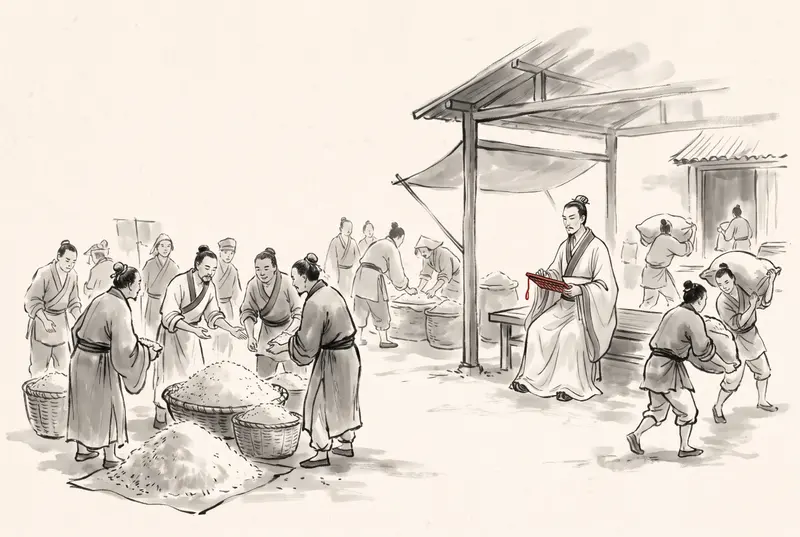
Having studied under Confucius, Zigong went to serve in Wey, and traded between Cao and Lu, buying low and selling high. Of the seventy disciples, he was the richest. Yuan Xian could not get his fill of even dregs and husks, and hid in a poor alley. Zigong rode in a four-horse carriage with a train of horsemen and called on the lords with gifts of bundled silk. Wherever he went, rulers came out to the courtyard to greet him as an equal. It was because Zigong went before and after him that the name of Confucius spread through the world. Is this not what is meant by one who gains power and grows more eminent?
Notes (JA)
- 子贛: 子貢のこと(巻67)。
- 廢著: 安く買って蓄え、高く売る。
- 原憲: 巻67 p14。
- 分庭抗禮: 庭の左右に分かれて対等の礼をする。
- 孔子の名声を富が支えたという、司馬遷らしい指摘。
Notes (EN)
- Zigong: see Volume 67.
- Greet him as an equal (分庭抗禮): to stand on opposite sides of the courtyard, as peers do.
- That money helped spread the fame of Confucius is a very Sima Qian observation.
Word notes
- disciples/dɪˈsaɪpəlz/noun
followers of a teacher
In the text: “Of the seventy disciples”
Similar words: followers — people who follow · students — people who learn
- eminent/ˈɛmənənt/adjective
famous and respected
In the text: “grows more eminent”
Similar words: distinguished — very respected · prominent — important
Passage 8
Original
白圭,周人也。當魏文侯時,李克務盡地力,而白圭樂觀時變,故人棄我取,人取我與。夫歲孰取穀,予之絲漆;繭出取帛絮,予之食。太陰在卯,穰;明歲衰惡。至午,旱;明歲美。至酉,穰;明歲衰惡。至子,大旱;明歲美,有水。至卯,積著率歲倍。欲長錢,取下穀;長石斗,取上種。能薄飲食,忍嗜欲,節衣服,與用事僮仆同苦樂,趨時若猛獸摯鳥之發。故曰:「吾治生產,猶伊尹、呂尚之謀,孫吳用兵,商鞅行法是也。是故其智不足與權變,勇不足以決斷,仁不能以取予,彊不能有所守,雖欲學吾術,終不告之矣。」蓋天下言治生祖白圭。白圭其有所試矣,能試有所長,非茍而已也。
Kundoku (Japanese reading)
白圭は、周の人なり。魏の文侯の時に当たり、李克は地力を尽くすことに務む。而して白圭は時の変を観るを楽しむ。故に人棄つれば我取り、人取れば我与う。夫れ歳孰すれば穀を取りて、之に絲漆を予え、繭出づれば帛絮を取りて、之に食を予う。太陰卯に在れば、穣あり、明歳は衰悪す。午に至れば、旱し、明歳は美なり。酉に至れば、穣あり、明歳は衰悪す。子に至れば、大いに旱し、明歳は美にして、水有り。卯に至れば、積著すること率ね歳に倍す。銭を長ぜんと欲すれば、下穀を取り、石斗を長ぜんとすれば、上種を取る。能く飲食を薄くし、嗜欲を忍び、衣服を節し、事を用うる僮僕と苦楽を同じくし、時に趨くこと猛獣摯鳥の発するが若し。故に曰く、「吾の生産を治むるは、猶お伊尹・呂尚の謀、孫呉の兵を用い、商鞅の法を行うがごとし。是の故に其の智以て権変に足らず、勇以て決断するに足らず、仁以て取予する能わず、彊以て守る所有る能わざれば、吾が術を学ばんと欲すと雖も、終に告げず」と。蓋し天下の生を治むるを言う者は白圭を祖とす。白圭其れ試むる所有り。能く試みて長ずる所有り、苟くもするのみに非ざるなり。
Japanese
白圭は周の人である。魏の文侯のころ、李克は土地の生産力を尽くすことに努めたが、白圭は時の移り変わりを見るのを楽しんだ。だから人が捨てるものを自分は取り、人が取るものを自分は与えた。豊作の年には穀物を買って絹や漆を売り、繭ができる時期には絹や綿を買って食糧を売った。太歳が卯にあれば豊作で翌年は不作、午にあれば日照りで翌年は豊作、酉にあれば豊作で翌年は不作、子にあれば大日照りで翌年は豊作だが水害がある。再び卯に至るまでに、蓄えた財はおおむね毎年倍になった。金をふやしたければ安い穀物を買い、収穫をふやしたければ上等の種を買う。飲食を切り詰め、欲を抑え、衣服を節約し、使用人と苦楽をともにし、機を見れば猛獣や鷹が飛びかかるようにすばやかった。彼は言った。「私の商売は、伊尹や呂尚の謀、孫子や呉子の用兵、商鞅の法の執行と同じである。だから臨機応変の知恵がなく、決断する勇気がなく、取るべきときに与える仁がなく、守り抜く強さがない者には、学びたいと言っても、決して教えない」。天下で商いの道を語る者は白圭を祖とする。白圭は実際に試して成果があったのであり、いい加減なものではない。
English
Bai Gui was a man of Zhou. In the time of Marquis Wen of Wei, Li Ke worked to get the most from the land, but Bai Gui delighted in watching the changes of the times. So what others threw away he took up, and what others took up he let go. In a good harvest he bought grain and sold silk and lacquer. When the cocoons came in he bought silk and floss and sold food. When the Great Yin was in the sign of the Hare there was a good harvest, and the next year a bad one. In the Horse there was drought, and the next year a fine crop. In the Rooster a good harvest, and the next year a bad one. In the Rat a great drought, and the next year a fine crop with floods. By the time it came round to the Hare again, his stores had roughly doubled every year. To make money grow, he bought the lower grades of grain. To increase the crop, he bought the best seed. He could live on poor food, hold back his desires and be sparing with clothes, and he shared the hardships and joys of his servants. When the moment came he struck like a wild beast or a bird of prey. So he said: "I run my business as Yi Yin and Lü Shang made their plans, as Sunzi and Wuzi used their armies, and as Lord Shang carried out his laws. So if a person lacks the wit to adapt, the courage to decide, the kindness to give and take, or the strength to hold on, then even if he wants to learn my art, I will never tell him." All who speak of making a living look to Bai Gui as their founder. He put it to the test, and what he tested worked. It was no idle claim.
Notes (JA)
- 李克: 魏の政治家。農業を重んじた。
- 人棄我取、人取我與: 「人の行く裏に道あり」に通じる相場の格言。
- 太陰: 木星と対になって動くとされた仮想の星。
- 摯鳥: 鷹などの猛禽。
Notes (EN)
- Li Ke: a statesman of Wei who promoted farming.
- "What others threw away he took up": a maxim of contrarian investing, still quoted today.
- Great Yin (太陰): an imaginary counterpart of Jupiter, used in calendar forecasts.
Idioms from this passage: What others throw away, I take up 人棄つれば我取り、人取れば我与う
Word notes
- bird of prey/bɜrd əv preɪ/noun
a bird that hunts other animals
In the text: “a wild beast or a bird of prey”
Similar words: raptor — a hunting bird · hawk — a hunting bird
- adapt/əˈdæpt/verb
to change to fit new conditions
In the text: “the wit to adapt”
Similar words: adjust — change a little · change — become different
Passage 9
Original
猗頓用盬鹽起。而邯鄲郭縱以鐵冶成業,與王者埒富。烏氏倮牧,及眾,斥賣,求奇繒物,閒獻遺戎王。戎王什倍其償,與之畜,畜至用谷量馬牛。秦始皇帝令倮比封君,以時與列臣朝請。而巴寡婦清,其先得丹穴,而擅其利數世,家亦不訾。清,寡婦也,能守其業,用財自衛,不見侵犯。秦皇帝以為貞婦而客之,為筑女懷清臺。夫倮鄙人牧長,清窮鄉寡婦,禮抗萬乘,名顯天下,豈非以富邪?
Kundoku (Japanese reading)
猗頓は盬塩を用て起こる。而して邯鄲の郭縦は鉄冶を以て業を成し、王者と富を埒しくす。烏氏の倮は牧し、衆きに及びて、斥売し、奇繒の物を求め、間に戎王に献遺す。戎王什倍して其の償を与え、之に畜を与う。畜は谷を用いて馬牛を量るに至る。秦の始皇帝倮をして封君に比せしめ、時を以て列臣と朝請せしむ。而して巴の寡婦清は、其の先丹穴を得て、其の利を擅にすること数世、家も亦訾られず。清は、寡婦なり。能く其の業を守り、財を用いて自ら衛り、侵犯せられず。秦の皇帝以て貞婦と為して之を客とし、為に女懐清台を筑く。夫れ倮は鄙人の牧長、清は窮郷の寡婦なるも、礼は万乗に抗し、名は天下に顕る。豈に富を以てするに非ずや。
Japanese
猗頓は塩で身を起こし、邯鄲の郭縦は製鉄で事業をなして、王者と肩を並べるほど富んだ。烏氏の倮は牧畜をして、家畜が増えると売り払い、珍しい絹などを買って、ひそかに戎の王に贈った。戎の王は十倍の家畜を返礼に与え、家畜は谷の数で馬や牛を数えるほどになった。秦の始皇帝は倮を領主に準じさせ、時節ごとに大臣たちと一緒に朝見させた。巴の寡婦の清は、先祖が丹砂の鉱山を見つけて数代にわたり利益を独占し、家の財産は量り知れなかった。清は未亡人だったが、事業を守り抜き、財力で身を守って侵害を受けなかった。始皇帝は彼女を貞節な婦人として賓客の礼で遇し、女懐清台を築かせた。倮は田舎の牧場主、清は辺地の未亡人でありながら、万乗の君主と対等の礼を受け、天下に名を知られた。これは富の力でなくて何であろう。
English
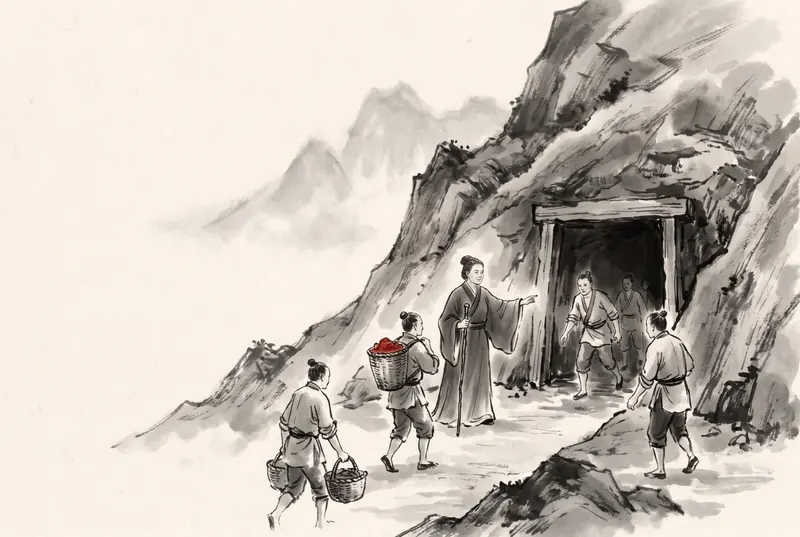
Yi Dun rose through pond salt, and Guo Zong of Handan built his business on smelting iron, until they were as rich as kings. Luo of Wuzhi kept herds. When they grew large he sold them off, bought rare silks and quietly presented them to the king of the Rong. The king repaid him tenfold in livestock, until he counted his horses and cattle by the valley. The First Emperor of Qin ranked Luo with the enfeoffed lords and had him attend court with the ministers at the proper seasons. The widow Qing of Ba had ancestors who found a cinnabar mine and kept the profits to themselves for generations, so that the family's wealth could not be reckoned. Qing was a widow, but she held on to the business and used her wealth to protect herself, and no one dared to trouble her. The Emperor of Qin regarded her as a virtuous woman, treated her as a guest and built the Terrace of the Woman Qing in her honor. Luo was a country herdsman and Qing a widow from a remote district, yet they were received on equal terms by the ruler of ten thousand chariots and were famous throughout the world. Was this not because of their wealth?
Notes (JA)
- 盬鹽: 山西の解池の塩。
- 烏氏: 今の寧夏・甘粛の地名。
- 丹穴: 水銀のもとになる丹砂の鉱山。
- 巴: 今の重慶付近。
- 女性の事業家が記録された珍しい例。
Notes (EN)
- Pond salt (盬鹽): from the salt lake of Xie in Shanxi.
- Cinnabar: the ore of mercury, prized by the First Emperor.
- The widow Qing is a rare recorded case of a woman running a great business in ancient China.
Word notes
- cinnabar/ˈsɪnəˌbɑr/noun
a red mineral that contains mercury
In the text: “found a cinnabar mine”
Similar words: mercury ore — rock with mercury · vermilion — a bright red pigment
- widow/ˈwɪdoʊ/noun
a woman whose husband has died
In the text: “The widow Qing of Ba”
Similar words: bereaved wife — a wife who lost her husband · dowager — a rich or noble widow
Passage 10
Original
由此觀之,賢人深謀於廊廟,論議朝廷,守信死節隱居巖穴之士設為名高者安歸乎?歸於富厚也。是以廉吏久,久更富,廉賈歸富。富者,人之情性,所不學而俱欲者也。故壯士在軍,攻城先登,陷陣卻敵,斬將搴旗,前蒙矢石,不避湯火之難者,為重賞使也。其在閭巷少年,攻剽椎埋,劫人作姦,掘冢鑄幣,任俠并兼,借交報仇,篡逐幽隱,不避法禁,走死地如騖者,其實皆為財用耳。今夫趙女鄭姬,設形容,揳鳴琴,揄長袂,躡利屣,目挑心招,出不遠千里,不擇老少者,奔富厚也。游閒公子,飾冠劍,連車騎,亦為富貴容也。弋射漁獵,犯晨夜,冒霜雪,馳阬谷,不避猛獸之害,為得味也。博戲馳逐,鬬雞走狗,作色相矜,必爭勝者,重失負也。醫方諸食技術之人,焦神極能,為重糈也。吏士舞文弄法,刻章偽書,不避刀鋸之誅者,沒於賂遺也。農工商賈畜長,固求富益貨也。此有知盡能索耳,終不餘力而讓財矣。
Kundoku (Japanese reading)
此に由りて之を観れば、賢人の深く廊廟に謀り、朝廷に論議し、信を守り節に死し巌穴に隠居するの士の名高きを為すを設くる者は安くにか帰する。富厚に帰するなり。是を以て廉吏は久しく、久しければ更に富み、廉賈は富に帰す。富は、人の情性にして、学ばずして倶に欲する所の者なり。故に壮士の軍に在り、城を攻めて先登し、陣を陥れ敵を却け、将を斬り旗を搴り、前みて矢石を蒙り、湯火の難を避けざる者は、重賞の使うが為なり。其の閭巷の少年に在りては、攻剽椎埋し、人を劫かし姦を作し、冢を掘り幣を鋳、任俠并兼し、交わりに借りて仇を報じ、篡逐幽隠し、法禁を避けず、死地に走ること騖するが如き者は、其の実は皆財用の為のみ。今夫れ趙女鄭姫は、形容を設け、鳴琴を揳し、長袂を揄し、利屣を躡み、目もて挑み心もて招き、出づるに千里を遠しとせず、老少を択ばざる者は、富厚に奔るなり。游間の公子は、冠剣を飾り、車騎を連ね、亦富貴の容を為すなり。弋射漁猟して、晨夜を犯し、霜雪を冒し、阬谷を馳せ、猛獣の害を避けざるは、味を得んが為なり。博戯馳逐、闘鶏走狗し、色を作して相矜り、必ず勝ちを争う者は、失負を重んずるなり。医方諸々の食技術の人の、神を焦がし能を極むるは、重糈の為なり。吏士の文を舞わし法を弄び、章を刻み書を偽り、刀鋸の誅を避けざる者は、賂遺に没するなり。農工商賈畜長は、固より富を求めて貨を益すなり。此れ知有れば尽くし能あれば索す。終に力を余して財を譲らず。
Japanese
こう見てくると、賢者が朝廷で深く謀り、議論を交わし、信義を守って節に殉じ、岩穴に隠れて高い名を立てる者も、結局どこへ行き着くのか。富に行き着くのである。だから清廉な役人は長く勤めて、ますます富み、良心的な商人も富を得る。富は人の本性で、学ばなくても誰もが欲するものだ。軍にいる勇士が、城攻めで先頭に立ち、敵陣を破り、将を斬り旗を奪い、矢石の中を進み、熱湯や火の難も避けないのは、重い恩賞のためである。町の若者が強盗をはたらき、人を殺して埋め、脅し、墓を暴き、贋金を作り、仲間のために仇を討ち、法も恐れず死地へ駆けていくのも、実はみな金のためである。趙や鄭の女たちが化粧をし、琴を弾き、長い袖をひるがえし、尖った靴をはいて、目で誘い、千里の遠くも老いも若きも選ばないのは、富を求めて走っているのである。遊び暮らす貴公子が冠や剣を飾り、車馬を連ねるのも、富貴の姿を見せるためだ。狩りや漁で、朝早くから夜遅くまで、霜や雪をおかし、谷を駆け、猛獣も恐れないのは、うまいものを得るためだ。賭けごとや競馬、闘鶏や犬の競走に顔色を変えて勝ちを争うのは、負けて失うのが惜しいからだ。医者や技術で食べる者が精魂を傾けるのは、高い報酬のためだ。役人が法の文を曲げ、印を偽造し、文書を偽って、処刑も恐れないのは、賄賂におぼれているからだ。農民、職人、商人、牧畜家はもとより富を求めて財を増やす。知恵のある者は知恵を尽くし、力のある者は力を出し切り、余力を残して財を人に譲ることはないのである。
English
From this we can see where it all leads: the worthy men planning deep in the halls of state and debating at court, the men who keep faith, die for honor or hide in mountain caves to win a high name. It leads to wealth. So an honest official lasts long and in time grows rich, and an honest merchant ends up wealthy. Wealth is part of human nature, something all desire without being taught. So when brave men in the army are first over the wall, break the enemy line, cut down generals and seize banners, advancing through arrows and stones and braving boiling water and fire, it is for the sake of rich rewards. When young men of the back streets rob, murder and bury the bodies, kidnap and commit crimes, dig up tombs, forge coins, play the knight, take over others' property, avenge their friends, drive people out and hide away, ignoring the law and running to their deaths as if to a race, in truth it is all for money. The girls of Zhao and Zheng put on their makeup, pluck their lutes, trail their long sleeves and step in pointed shoes, tempting with their eyes and beckoning with their hearts. They will go a thousand li and take any man, old or young, because they are running after wealth. The idle young lords who show off their caps and swords and ride in long trains of carriages are putting on the look of riches. Those who hunt and fish, out before dawn and after dark, through frost and snow, racing over ravines and braving wild beasts, do it for the taste of good meat. Those who gamble, race horses, fight cocks and run dogs, flushed with pride and determined to win, cannot bear to lose. Doctors and others who live by a craft wear out their minds and skills for large fees. Officials who twist the text of the law, carve false seals and forge documents, not fearing the executioner, are drowning in bribes. Farmers, craftsmen, merchants and herders of course seek wealth and more goods. All these use every bit of wit and strength they have, and none will hold back and leave the money to someone else.
Notes (JA)
- 廊廟: 朝廷。
- 廉吏久、久更富: 清廉な役人は長続きして、結局は富む。
- 椎埋: 人を殴り殺して埋める。
- 揳: 琴をつまびく。利屣: 先の尖った舞の靴。
- 糈: 食糧。報酬。
Notes (EN)
- "Wealth is part of human nature": one of the boldest statements in the Shiji, against the Confucian ideal.
- Pointed shoes (利屣): the slippers of dancers.
Word notes
- bribes/braɪbz/noun
money given to make someone act dishonestly
In the text: “are drowning in bribes”
Similar words: payoffs — secret payments · kickbacks — illegal payments
- forge/fɔrdʒ/verb
to make a false copy
In the text: “forge documents”
Similar words: fake — make something false · counterfeit — copy illegally
Passage 11
Original
諺曰:「百里不販樵,千里不販糴。」居之一歲,種之以穀;十歲,樹之以木;百歲,來之以德。德者,人物之謂也。今有無秩祿之奉,爵邑之入,而樂與之比者。命曰「素封」。封者食租稅,歲率戶二百。千戶之君則二十萬,朝覲聘享出其中。庶民農工商賈,率亦歲萬息二千,百萬之家則二十萬,而更傜租賦出其中。衣食之欲,恣所好美矣。
Kundoku (Japanese reading)
諺に曰く、「百里に樵を販らず、千里に糴を販らず」と。之に居ること一歳なれば、之に種うるに穀を以てし、十歳なれば、之に樹うるに木を以てし、百歳なれば、之を来たすに徳を以てす。徳は、人物の謂いなり。今秩禄の奉、爵邑の入無くして、而も之と比するを楽しむ者有り。命じて「素封」と曰う。封者は租税を食み、歳率ね戸二百。千戸の君は則ち二十万にして、朝覲聘享は其の中より出づ。庶民の農工商賈は、率ね亦歳に万に息二千、百万の家は則ち二十万にして、更傜租賦は其の中より出づ。衣食の欲、好む所の美を恣にす。
Japanese
ことわざに言う。「百里の先へ薪を売りに行かず、千里の先へ穀物を売りに行かない」。一年住むなら穀物を植え、十年住むなら木を植え、百年住むなら徳で人を招く。徳とは人材のことである。いま、俸禄も爵位も領地の収入もないのに、それらの人々と並んで楽しんでいる者がいる。これを「素封」という。領主は租税で暮らし、一戸あたり年に二百銭が入る。千戸の領主なら二十万銭で、朝見や贈答の費用もそこから出す。庶民の農民や職人、商人は、おおむね一万銭の元手で年に二千銭の利益があるので、百万銭の家なら二十万銭になり、労役や税もそこから出す。衣食は思いのままで、好きなだけ美しいものを楽しめる。
English
There is a saying: "Do not go a hundred li to sell firewood, or a thousand li to sell grain." If you stay a year in a place, plant grain. If ten years, plant trees. If a hundred years, draw people by virtue, and by virtue is meant people of worth. Now there are those who have no official salary and no income from a title or fief, and yet happily live on a par with those who do. They are called "untitled lords." A lord lives on taxes, about two hundred cash per household a year. A lord of a thousand households has two hundred thousand, and from that he must pay for court visits and gifts. Common farmers, craftsmen and merchants generally earn two thousand on every ten thousand a year. So a family with a million has two hundred thousand, and pays its labor duty and taxes out of that. They can eat and dress as they like and enjoy all the finest things.
Notes (JA)
- 素封: 位も領地もないのに諸侯に等しい富を持つ者。「素封家」の語源。
- 朝覲聘享: 朝見や贈答の儀礼。
- 更傜租賦: 労役と税。
- この節の後の物産の長い一覧は省いた。
Notes (EN)
- Untitled lords (素封): the rich who equal lords without any rank. The Japanese word sohōka, "wealthy family", comes from this.
- A long list of the products that make such a fortune is omitted here.
Idioms from this passage: Untitled lord 素封
Word notes
- firewood/ˈfaɪərˌwʊd/noun
wood for burning
In the text: “to sell firewood”
Similar words: kindling — small wood for a fire · logs — cut pieces of wood
Passage 12
Original
是以無財作力,少有鬬智,既饒爭時,此其大經也。今治生不待危身取給,則賢人勉焉。是故本富為上,末富次之,姦富最下。無巖處奇士之行,而長貧賤,好語仁義,亦足羞也。
Kundoku (Japanese reading)
是を以て財無ければ力を作し、少しく有れば智を闘わせ、既に饒ければ時を争う。此れ其の大経なり。今生を治むるに身を危うくして給を取るを待たざれば、則ち賢人勉む。是の故に本富を上と為し、末富之に次ぎ、姦富を最も下とす。巌処奇士の行い無くして、長く貧賤にして、好んで仁義を語るも、亦羞ずるに足るなり。
Japanese
だから、財がなければ体を使い、少しあれば知恵を競い、豊かになれば時機を争う。これが大原則である。身を危うくせずに暮らしを立てられるなら、賢者もそれに励む。だから農業など本業で得た富が最上で、商工業で得た富がその次、悪事で得た富が最も下である。岩穴に隠れる奇士のような行いもないのに、いつまでも貧しくて、好んで仁義を語るのは、恥ずべきことである。
English
So those with no money work with their strength, those with a little compete with their wits, and those already rich compete in timing. This is the great rule. If you can make a living without putting yourself in danger, even the worthy will work at it. So wealth from the land is best, wealth from trade comes next, and wealth from crime is lowest of all. To have none of the conduct of those rare men who live in caves, yet stay poor all your life and love to talk of goodness and right, is something to be ashamed of.
Notes (JA)
- 本富・末富・姦富: 農業の富、商工業の富、不正の富。
- 好語仁義、亦足羞也: 貧しいのに口先で道徳を語る者への痛烈な批判。
Notes (EN)
- Wealth from the land, trade and crime (本富, 末富, 姦富): the three grades of riches in this volume.
- The last sentence is a sharp attack on those who preach morality while doing nothing.
Word notes
- ashamed/əˈʃeɪmd/adjective
feeling shame
In the text: “something to be ashamed of”
Similar words: embarrassed — feeling awkward · humiliated — made to feel small
Passage 13
Original
蜀卓氏之先,趙人也,用鐵冶富。秦破趙,遷卓氏。卓氏見虜略,獨夫妻推輦,行詣遷處。諸遷虜少有餘財,爭與吏,求近處,處葭萌。唯卓氏曰:「此地狹薄。吾聞汶山之下,沃野,下有蹲鴟,至死不饑。民工於市,易賈。」乃求遠遷。致之臨邛,大喜,即鐵山鼓鑄,運籌策,傾滇蜀之民,富至僮千人。田池射獵之樂,擬於人君。
Kundoku (Japanese reading)
蜀の卓氏の先は、趙の人なり。鉄冶を用て富む。秦趙を破り、卓氏を遷す。卓氏虜略せられ、独り夫妻輦を推して、行きて遷処に詣る。諸々の遷虜は少しく余財有り、争いて吏に与え、近処を求めて、葭萌に処る。唯だ卓氏のみ曰く、「此の地は狭薄なり。吾聞く汶山の下は、沃野にして、下に蹲鴟有り、死に至るまで饑えず。民は市に工みにして、賈し易し」と。乃ち遠く遷らんことを求む。之を臨邛に致す。大いに喜び、即ち鉄山に鼓鋳し、籌策を運らし、滇蜀の民を傾け、富は僮千人に至る。田池射猟の楽しみは、人君に擬す。
Japanese
蜀の卓氏の先祖は趙の人で、製鉄で富んでいた。秦が趙を破ると、卓氏は強制移住させられた。財産を奪われ、夫婦二人だけで手押し車を押して移住先へ向かった。ほかの移住者は少し残った財産を争って役人に贈り、近い土地を望んで葭萌に住んだ。卓氏だけは言った。「ここは土地が狭くてやせている。汶山のふもとは肥えた野原で、大きな芋がとれ、死ぬまで飢えないと聞く。民は市場に慣れていて商売がしやすい」。そして遠くへ移してくれるよう願い、臨邛に送られた。卓氏は大いに喜び、鉄の山で鉱石を溶かして鋳造し、計算を巡らせて、滇と蜀の民を相手に商売を広げ、使用人が千人に及ぶほど富んだ。田畑や池、狩りの楽しみは、君主に匹敵した。
English
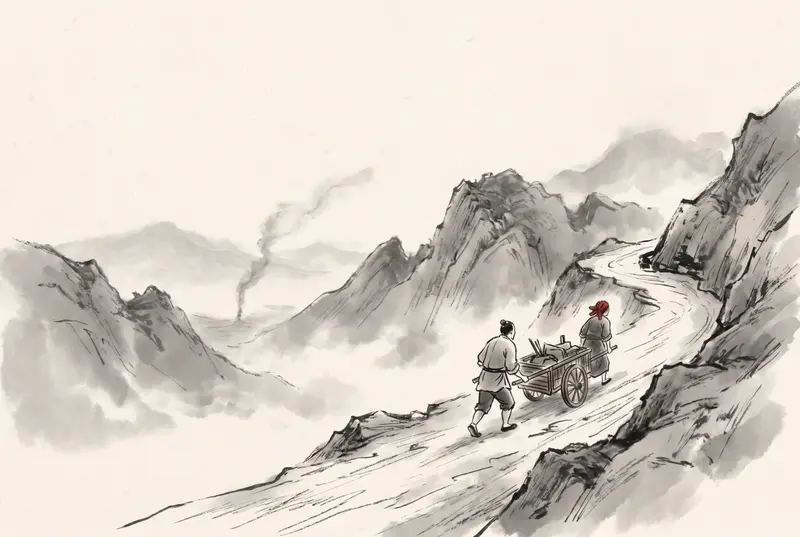
The ancestors of the Zhuo family of Shu were men of Zhao who had grown rich by smelting iron. When Qin conquered Zhao, it deported them. Robbed of everything, husband and wife set off alone, pushing a handcart to their place of exile. The other deportees, who had a little money left, rushed to bribe the officials to be settled nearby, at Jiameng. Only the Zhuos said: "This land is narrow and poor. I have heard that below Mount Min there is fertile country, with giant taro in the ground, where no one starves to the end of his days. The people are good at markets and easy to trade with." So they asked to be sent far away. They were taken to Linqiong and were overjoyed. There they went straight to the iron mountains and set up their furnaces. With careful planning they drew in the people of Dian and Shu, and grew so rich that they had a thousand servants. Their pleasures of fields, ponds and hunting were equal to a ruler's.
Notes (JA)
- 葭萌: 今の四川省広元市付近。
- 蹲鴟: うずくまる鳶。大きな里芋のこと。
- 臨邛: 今の四川省邛崍市。
- 鼓鑄: ふいごを使って金属を鋳造する。
- 卓氏の子孫の卓文君は、司馬相如との恋で有名(巻117)。
Notes (EN)
- Giant taro (蹲鴟): literally "squatting owl", a name for the large root.
- Linqiong: present-day Qionglai in Sichuan.
- Zhuo Wenjun, of this family, is famous for her elopement with the poet Sima Xiangru (Volume 117).
Word notes
- deported/dɪˈpɔrtɪd/verb
forced to leave and live elsewhere
In the text: “it deported them”
Similar words: expelled — forced out · banished — sent away
- furnace/ˈfɜrnɪs/noun
a very hot oven for melting metal
In the text: “set up their furnaces”
Similar words: kiln — an oven for hardening · forge — a place for working metal
Passage 14
Original
齊俗賤奴虜,而刀閒獨愛貴之。桀黠奴,人之所患也,唯刀閒收取,使之逐漁鹽商賈之利,或連車騎,交守相,然愈益任之。終得其力,起富數千萬。故曰「寧爵毋刀」,言其能使豪奴自饒而盡其力。周人既纖,而師史尤甚,轉轂以百數,賈郡國,無所不至。洛陽街居在齊秦楚趙之中,貧人學事富家,相矜以久賈,數過邑不入門,設任此等,故師史能致七千萬。宣曲任氏之先,為督道倉吏。秦之敗也,豪傑皆爭取金玉,而任氏獨窖倉粟。楚漢相距滎陽也,民不得耕種,米石至萬,而豪傑金玉盡歸任氏,任氏以此起富。富人爭奢侈,而任氏折節為儉,力田畜。田畜人爭取賤賈,任氏獨取貴善。富者數世。然任公家約,非田畜所出弗衣食,公事不畢則身不得飲酒食肉。以此為閭里率,故富而主上重之。
Kundoku (Japanese reading)
斉の俗は奴虜を賤しむ。而して刀間は独り之を愛貴す。桀黠の奴は、人の患うる所なり。唯だ刀間のみ収取し、之をして漁塩商賈の利を逐わしめ、或いは車騎を連ね、守相に交わらしむるも、然も愈々益々之に任ず。終に其の力を得て、起ちて富むこと数千万。故に曰く「寧ろ爵せんか刀を毋からんか」と。其の能く豪奴をして自ら饒かにして其の力を尽くさしむるを言うなり。周人既に繊なり。而して師史は尤も甚だし。転轂百を以て数え、郡国に賈して、至らざる所無し。洛陽の街居は斉秦楚趙の中に在り、貧人は富家に学び事え、相矜るに久しく賈するを以てし、数しば邑を過ぐるも門に入らず。此等を設け任ず。故に師史能く七千万を致す。宣曲の任氏の先は、督道の倉吏たり。秦の敗るるや、豪傑皆争いて金玉を取る。而して任氏独り倉粟を窖す。楚漢滎陽に相距ぐや、民耕種するを得ず、米石万に至る。而して豪傑の金玉尽く任氏に帰す。任氏此を以て起ちて富む。富人は奢侈を争うも、而して任氏は節を折りて倹と為り、田畜に力む。田畜の人は争いて賤賈を取るも、任氏は独り貴善を取る。富むこと数世。然れども任公の家約に、田畜の出だす所に非ざれば衣食せず、公事畢わらざれば則ち身は酒を飲み肉を食らうを得ず。此を以て閭里の率と為る。故に富みて主上之を重んず。
Japanese
斉の風習では奴隷を卑しんだが、刀間だけは大切にした。ずる賢い奴隷は人々に嫌われたが、刀間はそういう者を引き取って、魚や塩の商売を任せ、車馬を連ねて郡守や宰相と交際させ、ますます信頼した。ついにその力で数千万の富を築いた。だから「爵位をもらうより、刀間の奴隷でいるほうがいい」と言われた。荒くれた奴隷自身も豊かにして、力を尽くさせたことをいう。周の人はもともとけちだが、師史はとくにそうだった。荷車を百台も動かして、各地の郡や国を残らず回って商売した。洛陽の町は斉、秦、楚、趙の真ん中にあり、貧しい者は富家に仕えて学び、商いに長く出ていることを互いに誇って、自分の町を通っても家に寄らないほどだった。師史はこうした者たちを使ったので、七千万の富を築いた。宣曲の任氏の先祖は、督道の倉庫の役人だった。秦が滅びるとき、豪傑たちは争って金や玉を取ったが、任氏だけは倉の穀物を穴蔵に隠した。楚と漢が滎陽でにらみ合うと、民は耕作できず、米は一石一万銭になり、豪傑たちの金や玉はすべて任氏のものになった。任氏はこれで富を築いた。富豪たちがぜいたくを競う中、任氏はつつましくして農業と牧畜に励んだ。農牧の者が安物を争って買うとき、任氏だけは高くても良いものを買った。こうして数代にわたって富み続けた。任氏の家訓では、自分の田畑と家畜から得たものでなければ衣食にせず、公の務めが終わるまで酒も肉も口にしなかった。これが村の手本となったので、富んでいながら主君にも重んじられた。
English
The custom in Qi was to look down on slaves, but Diao Jian alone valued them. Fierce, cunning slaves were a trouble to everyone, but he took them in. He set them to making money from fishing, salt and trade. Some rode with trains of carriages and mixed with governors and chancellors, and he trusted them all the more. In the end he got the benefit of their strength and made a fortune of tens of millions. So people said: "Better to be Diao's than to have a title." This means that he could make bold slaves rich themselves and get all their effort. The people of Zhou were stingy, and Shi Shi was the worst of all. He ran wagons by the hundreds, trading in every commandery and kingdom. Luoyang lies in the middle of Qi, Qin, Chu and Zhao. Its poor men learned the business by working for rich houses, boasted to one another of how long they had been on the road, and would pass through their own towns without going home. By employing such men, Shi Shi made seventy million. The ancestor of the Ren family of Xuanqu was a granary clerk at Dudao. When Qin fell, the bold men all rushed for gold and jade, but the Ren family alone stored the grain from the granary in pits. When Chu and Han faced off at Xingyang, people could not plant their crops, and a bushel of rice rose to ten thousand cash. All the gold and jade of the bold men went to the Rens, and that is how they grew rich. While other rich men competed in luxury, the Rens lived simply and worked hard at farming and herding. When others in farming rushed for what was cheap, the Rens alone bought what was costly and good. They stayed rich for generations. Master Ren's household rule was to wear and eat nothing that did not come from their own fields and herds, and to touch no wine or meat until their public duties were done. This made them a model for the village, and so, though rich, they were respected by the emperor.
Notes (JA)
- 刀閒: 人名。「ちょうかん」とも読む。
- 寧爵毋刀: 諸説ある句。ここでは「爵位より刀間の家」の意にとった。
- 師史: 周(洛陽)の大商人。
- 任氏: 戦乱の際に金より穀物を選んだことで知られる。
- 窖: 穴蔵に貯える。
Notes (EN)
- "Better to be Diao's than to have a title" (寧爵毋刀): the line is read in several ways.
- The Ren family: famous for choosing grain over gold in time of war.
Word notes
- stingy/ˈstɪndʒi/adjective
unwilling to spend or give
In the text: “were stingy”
Similar words: miserly — hating to spend · tight-fisted — unwilling to pay
- lived simply/lɪvd ˈsɪmpli/phrase
lived without luxury
In the text: “lived simply”
Similar words: frugally — without spending much · modestly — in a plain way
Passage 15
Original
此其章章尤異者也。皆非有爵邑奉祿弄法犯姦而富,盡椎埋去就,與時俯仰,獲其贏利,以末致財,用本守之,以武一切,用文持之,變化有概,故足術也。若至力農畜,工虞商賈,為權利以成富,大者傾郡,中者傾縣,下者傾鄉里者,不可勝數。夫纖嗇筋力,治生之正道也,而富者必用奇勝。田農,掘業,而秦揚以蓋一州。掘冢,姦事也,而田叔以起。博戲,惡業也,而桓發用富。行賈,丈夫賤行也,而雍樂成以饒。販脂,辱處也,而雍伯千金。賣漿,小業也,而張氏千萬。灑削,薄技也,而郅氏鼎食。胃脯,簡微耳,濁氏連騎。馬醫,淺方,張裏擊鐘。此皆誠壹之所致。由是觀之,富無經業,則貨無常主,能者輻湊,不肖者瓦解。千金之家比一都之君,巨萬者乃與王者同樂。豈所謂「素封」者邪?非也?
Kundoku (Japanese reading)
此れ其の章章として尤も異なる者なり。皆爵邑奉禄有りて法を弄び姦を犯して富むに非ず。尽く椎埋去就し、時と俯仰し、其の贏利を獲、末を以て財を致し、本を用いて之を守り、武を以て一切にし、文を用いて之を持す。変化に概有り。故に術とするに足るなり。農畜に力め、工虞商賈して、権利を為して以て富を成し、大なる者は郡を傾け、中なる者は県を傾け、下なる者は郷里を傾くる者に至りては、数うるに勝うべからず。夫れ繊嗇筋力は、生を治むるの正道なり。而して富む者は必ず奇を用いて勝つ。田農は、掘き業なるも、而して秦揚は以て一州を蓋う。冢を掘るは、姦事なるも、而して田叔以て起こる。博戯は、悪業なるも、而して桓発用て富む。行賈は、丈夫の賤行なるも、而して雍楽成以て饒かなり。脂を販ぐは、辱処なるも、而して雍伯は千金。漿を売るは、小業なるも、而して張氏は千万。洒削は、薄技なるも、而して郅氏は鼎食す。胃脯は、簡微なるのみなるも、濁氏は騎を連ぬ。馬医は、浅方なるも、張裏は鐘を撃つ。此れ皆誠壹の致す所なり。是に由りて之を観れば、富に経業無く、則ち貨に常主無し。能者は輻湊し、不肖者は瓦解す。千金の家は一都の君に比し、巨万の者は乃ち王者と楽しみを同じくす。豈に所謂「素封」なる者か。非なるか。
Japanese
以上は、とくに際立った人々である。みな爵位や領地や俸禄があったわけでも、法をもてあそんで悪事で富んだわけでもない。物事の進退を見きわめ、時勢に応じて利益を得て、商業で財を作り、農業でそれを守り、勢いよく稼いで、穏やかに保った。その変化には節度があるので、手本とするに足りる。農業や牧畜に励み、工業、山林業、商業で利益を上げて富を築き、大きな者は郡を、中くらいの者は県を、小さな者は村を圧倒する者となると、数え切れない。倹約と労働は生計を立てる正道だが、富む者は必ず奇策で勝つ。農業は地味な仕事だが、秦揚はそれで一州第一となった。墓荒らしは悪事だが、田叔はそれで身を起こした。賭博は悪い仕事だが、桓発はそれで富んだ。行商は男として卑しい仕事だが、雍楽成はそれで豊かになった。油売りは恥ずかしい仕事だが、雍伯は千金を得た。飲み物売りは小さな商売だが、張氏は千万を得た。刀研ぎはつまらない技だが、郅氏は鼎を並べて食事をした。干した胃袋の肉は些細な品だが、濁氏は騎馬を連ねた。馬の医者は浅い医術だが、張里は鐘を鳴らして食事をした。これらはみな、ひたむきに打ち込んだ結果である。こうして見ると、富に決まった職業はなく、財に決まった持ち主はない。能力のある者のもとには集まり、ない者のもとでは瓦のように崩れる。千金の家は一都の君主に比べられ、巨万の富を持つ者は王者と同じ楽しみを味わう。これがいわゆる「素封」というものではないだろうか。
English
These are the most outstanding and remarkable of them. None got rich by having titles, fiefs or salaries, or by bending the law and committing crimes. All judged when to move in and when to get out, bowed and rose with the times and took their profit. They made their money in trade and held on to it with land, seized it boldly and kept it by gentle means. Their changes followed a pattern, and so they are worth learning from. As for those who worked at farming and herding, crafts, forestry and trade and made fortunes by seizing advantages, the greatest overshadowing a commandery, the middling a county and the least a village, they are too many to count. Thrift and hard work are the proper way to make a living, but those who get rich always win by doing something unusual. Farming is a clumsy trade, yet Qin Yang became the first man in his province by it. Robbing graves is a crime, yet Tian Shu rose by it. Gambling is a wicked business, yet Huan Fa got rich from it. Peddling is a low occupation for a man, yet Yong Lecheng prospered at it. Selling fat is a shameful trade, yet Yong Bo made a thousand in gold. Selling drinks is a small business, yet the Zhang family made ten million. Sharpening knives is a petty skill, yet the Zhi family dined from bronze cauldrons. Dried tripe is a trifling thing, yet the Zhuo family rode with trains of horsemen. Horse doctoring is a shallow art, yet Zhang Li dined to the sound of bells. All this came of single-minded devotion. From this we can see that there is no fixed road to wealth, and goods have no permanent master. To the able they flow like spokes to a hub, and from the worthless they fall away like broken tiles. A family with a thousand in gold is equal to the lord of a city, and one with tens of thousands shares the pleasures of a king. Are these not what are called untitled lords? Or are they not?
Notes (JA)
- 椎埋去就: 解釈に諸説ある。ここでは進退を見きわめる意にとった。
- 以末致財、用本守之: 商業で稼ぎ、農地で守る。
- 洒削: 刀を研ぐ仕事。
- 鼎食・擊鐘: 大きな鼎で食べ、鐘を鳴らす。貴族の生活。
- 富無經業、貨無常主: この巻の結論ともいえる言葉。
Notes (EN)
- Made their money in trade and held it with land (以末致財,用本守之): the classic strategy of the Chinese merchant.
- Cauldrons and bells: the dining style of the nobility.
- "There is no fixed road to wealth": the conclusion of the volume.
Word notes
- devotion/dɪˈvoʊʃən/noun
strong commitment
In the text: “single-minded devotion”
Similar words: dedication — strong commitment · loyalty — firm support
- trifling/ˈtraɪflɪŋ/adjective
very small and unimportant
In the text: “a trifling thing”
Similar words: minor — small · petty — unimportant