世家 · 巻 34
燕召公世家 燕召公世家
「まず隗より始めよ」 先從隗始
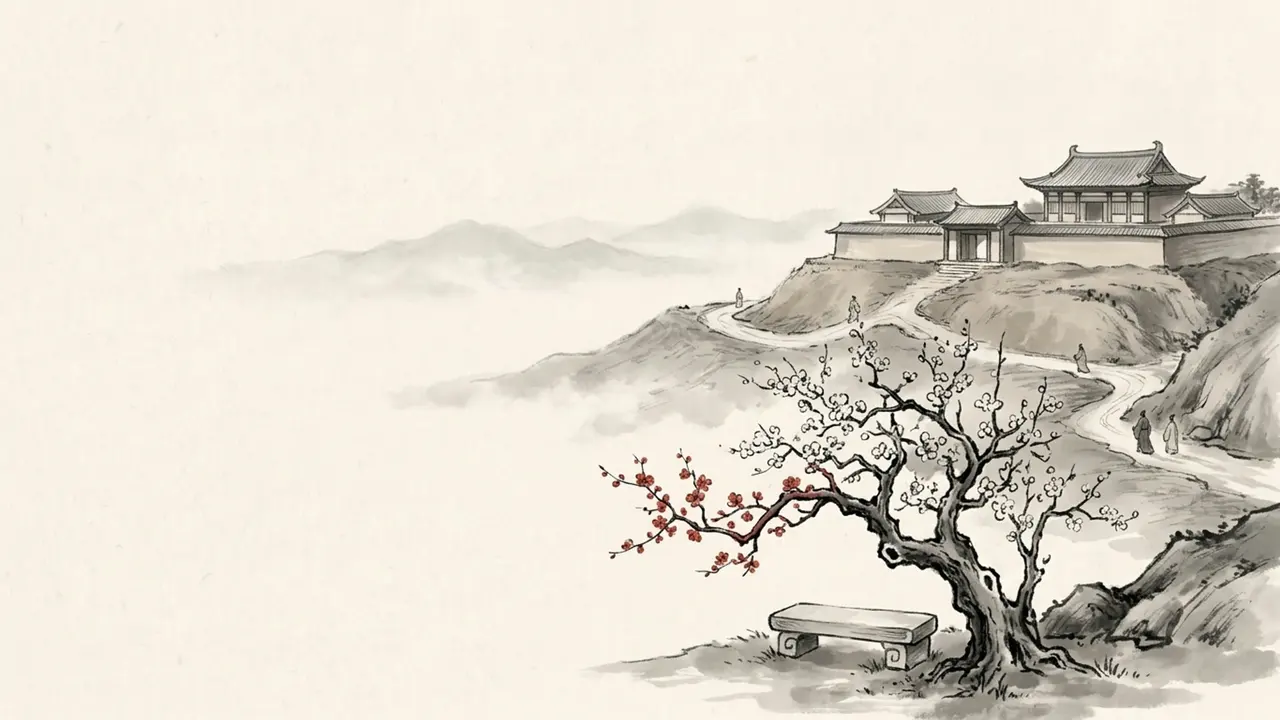
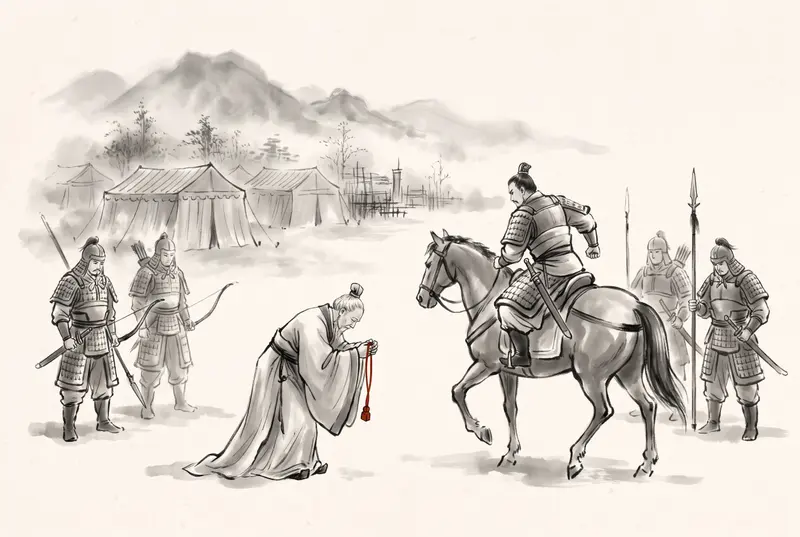
北のはずれの国、燕の物語。始祖の召公奭は周の武王の一族で、甘棠の木の下で裁きをして民に慕われ、死後も人々はその木を切らずに「甘棠」の詩を歌った。それから七百年あまりのち、燕王噲は、堯が許由に天下を譲ろうとした話にのせられて、国を宰相の子之に譲ってしまう。国は大いに乱れ、斉に攻めこまれて噲は死んだ。新たに立った昭王は、身を低くして賢者を招こうとし、郭隗に相談する。郭隗は「どうしても士を招きたいのなら、まずこの隗から始めなさい。隗より賢い者なら、千里の道も遠いとは思わないでしょう」と答えた。昭王が郭隗のために宮殿を建てて師として仕えると、楽毅・鄒衍・劇辛らが各地から集まり、燕はついに斉を破って仇を討つ。しかしその後、燕は栗腹の無謀な趙攻めで廉頗に大敗し、最後は太子丹が荊軻に秦王を刺させようとして失敗し、秦に滅ぼされた。司馬遷は、弱い燕が八、九百年も続いたのは召公の徳のおかげだと結ぶ。
この巻のうち「「まず隗より始めよ」」の場面を載せています。巻の全文ではありません。
音声
音声は合成音声です。
動画
節 1
原文
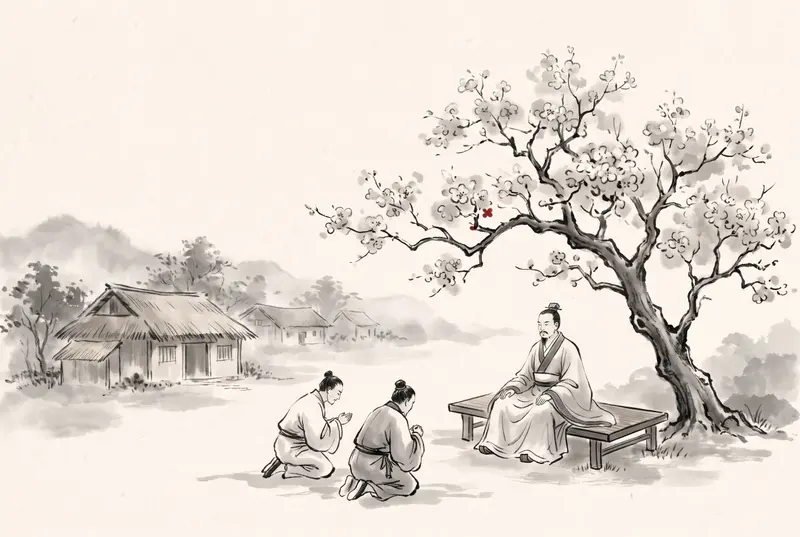
召公奭與周同姓,姓姬氏。周武王之滅紂,封召公於北燕。其在成王時,召王爲三公:自陜以西,召公主之;自陜以東,周公主之。成王旣幼,周公攝政,當國踐祚,召公疑之,作君奭。君奭不説周公。周公乃稱「湯時有伊尹,假于皇天;在太戊時,則有若伊陟、臣扈,假于上帝,巫咸治王家;在祖乙時,則有若巫賢;在武丁時,則有若甘般:率維茲有陳,保乂有殷」。於是召公乃説。召公之治西方,甚得兆民和。召公巡行鄕邑,有棠樹,決獄政事其下,自侯伯至庶人各得其所,無失職者。召公卒,而民人思召公之政,懷棠樹不敢伐,哥詠之,作甘棠之詩。
書き下し文
召公奭は周と同姓、姓は姫氏なり。周の武王の紂を滅ぼすや、召公を北燕に封ず。其の成王の時に在りて、召王三公と為る。陝より以西は召公之を主り、陝より以東は周公之を主る。成王既に幼く、周公政を摂り、国に当たりて祚を践む。召公之を疑い、君奭を作る。君奭、周公を説ばず。周公乃ち称す、「湯の時に伊尹有り、皇天に仮る。太戊の時に在りては、則ち伊陟・臣扈の若き有り、上帝に仮り、巫咸王家を治む。祖乙の時に在りては、則ち巫賢の若き有り。武丁の時に在りては、則ち甘般の若き有り。率ね維れ茲に陳ぬる有りて、有殷を保乂す」と。是に於いて召公乃ち説ぶ。召公の西方を治むるや、甚だ兆民の和を得たり。召公郷邑を巡行するに、棠樹有り。獄政の事を其の下に決し、侯伯より庶人に至るまで、各々其の所を得て、職を失う者無し。召公卒し、而して民人召公の政を思い、棠樹を懐いて敢えて伐らず、之を歌詠して、甘棠の詩を作る。
現代語訳
召公奭は周の王家と同じ一族で、姓は姫氏である。周の武王が殷の紂王を滅ぼしたとき、召公を北の燕に封じた。成王の時代、召公は三公の一人となり、陝より西は召公が、陝より東は周公が治めた。成王が幼かったので、周公が政治を代わって行い、天子の位について国を治めた。召公はそれを疑い、(『尚書』の)「君奭」篇の言葉が作られた。召公は周公を快く思わなかったのである。そこで周公は言った。「殷の湯王のときには伊尹がいて、天の心にかなった政治をしました。太戊のときには伊陟・臣扈のような者がいて天帝の心にかない、巫咸が王家を治めました。祖乙のときには巫賢のような者がおり、武丁のときには甘般のような者がいました。こうした臣下がそろっていたからこそ、殷は守り治められたのです」。そこで召公は納得した。召公が西方を治めると、民は大いになごやかになった。召公は村々を巡り歩き、甘棠(やまなし)の木があると、その下で訴えを裁き、政治を行った。諸侯から庶民まで、それぞれがふさわしい扱いを受け、仕事を失う者もいなかった。召公が亡くなると、人々は召公の政治をしのび、その甘棠の木を大切にして切ろうとせず、歌にうたって「甘棠」の詩を作った。
英訳
Shi, the Duke of Shao, was of the same clan as the royal house of Zhou, with the clan name Ji. When King Wu of Zhou destroyed Zhou of Shang, he gave the Duke of Shao a fief in Northern Yan. In the time of King Cheng, the Duke of Shao was one of the three highest ministers. West of Shan the Duke of Shao was in charge, and east of Shan the Duke of Zhou. Because King Cheng was young, the Duke of Zhou ruled in his place and took the seat of the ruler. The Duke of Shao distrusted him, and the "Lord Shi" was composed; Lord Shi was not pleased with the Duke of Zhou. So the Duke of Zhou said: "In the time of Tang there was Yi Yin, who was in tune with great Heaven. In the time of Taiwu there were men like Yi Zhi and Chen Hu, who were in tune with the Lord on High, and Wu Xian governed the royal house. In the time of Zuyi there was a man like Wu Xian the Younger, and in the time of Wuding a man like Gan Pan. Because such men were set in their places, the house of Shang was kept safe and well ruled." Then the Duke of Shao was satisfied. When the Duke of Shao governed the west, he won the trust of all the people. As he travelled about the villages, there was a pear tree, and under it he judged cases and settled the business of government. From lords down to commoners, every man was given his due, and no one lost his place. When the Duke of Shao died, the people remembered his government and treasured the pear tree, and would not dare to cut it down. They sang of it and made the poem "The Sweet Pear Tree".
解説(日)
- 召公奭: 名は奭。周公旦とともに成王を支えた。燕の始祖だが、本人は周の朝廷にとどまり、子孫が燕に入ったとされる。
- 陝: 今の河南省三門峡市の陝州。ここを境に東西を分けて治めた(「分陝」)。
- 君奭: 『尚書』の篇名。周公が召公に語りかけた言葉。
- 甘棠: やまなしの木。『詩経』召南の詩で、「蔽芾たる甘棠、翦る勿れ伐る勿れ、召伯の茇りし所」と歌う。
解説(英)
- Shi, the Duke of Shao (召公奭): partner of the Duke of Zhou in guiding the young King Cheng.
- Shan (陝): near Sanmenxia in Henan; the realm was split there between the two dukes.
- "Lord Shi" (君奭): a chapter of the Book of Documents, addressed by the Duke of Zhou to the Duke of Shao.
- "The Sweet Pear Tree" (甘棠): a poem in the Book of Odes asking that the tree under which the duke rested be spared.
この節から生まれた言葉: 甘棠の愛
英語の語注
- distrust/dɪsˈtrʌst/verb
to not believe that someone is honest
本文では: “The Duke of Shao distrusted him”
似た語と違い: doubt — feel unsure about · suspect — think someone may be guilty
- treasure/ˈtrɛʒər/verb
to value something very much
本文では: “treasured the pear tree”
似た語と違い: cherish — love and protect · prize — value highly
節 2
原文
燕噲旣立,齊人殺蘇秦。蘇秦之在燕,與其相子之爲婚,而蘇代與子之交。及蘇秦死,而齊宣王復用蘇代。燕噲三年,與楚、三晉攻秦,不勝而還。子之相燕,貴重,主斷。蘇代爲齊使於燕,燕王問曰:「齊王奚如?」對曰:「必不霸。」燕王曰:「何也?」對曰:「不信其臣。」蘇代欲以激燕王以尊子之也。於是燕王大信子之。子之因遺蘇代百金,而聽其所使。
書き下し文
燕噲既に立つ。斉人蘇秦を殺す。蘇秦の燕に在りしとき、其の相子之と婚を為し、而して蘇代子之と交わる。蘇秦死するに及び、而して斉の宣王復た蘇代を用う。燕噲の三年、楚・三晋と秦を攻め、勝たずして還る。子之燕に相たりて、貴重にして、主断す。蘇代、斉の為に燕に使いす。燕王問いて曰く、「斉王は奚如」と。対えて曰く、「必ず霸たらず」と。燕王曰く、「何ぞや」と。対えて曰く、「其の臣を信ぜず」と。蘇代以て燕王を激して以て子之を尊ばしめんと欲するなり。是に於いて燕王大いに子之を信ず。子之因りて蘇代に百金を遺り、而して其の使う所を聴く。
現代語訳
燕王噲が位についた。斉の人が蘇秦を殺した。蘇秦は燕にいたころ、燕の宰相子之と縁組みをしており、蘇秦の弟の蘇代も子之と親しかった。蘇秦が死ぬと、斉の宣王は蘇代を用いた。燕王噲の三年、燕は楚や三晋(韓・魏・趙)とともに秦を攻めたが、勝てずに引き返した。子之は燕の宰相として重んじられ、政治を一手に決めていた。蘇代が斉の使者として燕に来たとき、燕王はたずねた。「斉王はどんな人物か」。蘇代は「きっと覇者にはなれません」と答えた。燕王が「なぜか」と聞くと、「臣下を信用しないからです」と答えた。蘇代は燕王をけしかけて、子之をもっと重んじさせようとしたのである。こうして燕王は子之を大いに信用するようになった。子之はお礼に蘇代に百金を贈り、その言うとおりに動いた。
英訳
When Kuai had become king of Yan, men of Qi killed Su Qin. While Su Qin was in Yan, he had become related by marriage to Zizhi, the chancellor, and his brother Su Dai was a friend of Zizhi. After Su Qin's death, King Xuan of Qi gave office to Su Dai. In the third year of King Kuai, Yan joined Chu and the three Jin states in attacking Qin, but they could not win and came home. Zizhi, as chancellor of Yan, was honoured and powerful and made all the decisions. Su Dai came to Yan as envoy for Qi, and the king of Yan asked him: "What is the king of Qi like?" He answered: "He will never be overlord." "Why not?" asked the king. "He does not trust his ministers," he answered. Su Dai wanted to spur the king of Yan into honouring Zizhi even more. And so the king of Yan put great trust in Zizhi. In return Zizhi sent Su Dai a hundred pieces of gold, and did whatever he advised.
解説(日)
- 燕噲: 燕王噲(在位前320〜前314年ごろ)。
- 蘇秦・蘇代: 縦横家の兄弟。蘇秦は六国の合従を説いた(069-su-qin の章)。
- 三晋: 晋が分かれてできた韓・魏・趙。
解説(英)
- Kuai (噲): King Kuai of Yan, who reigned around 320-314 BCE.
- Su Qin and Su Dai: brothers who lived by persuading kings (chapter 069).
- The three Jin (三晉): Han, Wei and Zhao, the states that split from Jin.
英語の語注
- overlord/ˈoʊvərˌlɔrd/noun
a ruler who has power over other rulers
本文では: “He will never be overlord”
似た語と違い: hegemon — the leading power · supreme ruler — the highest ruler
- spur/spɜr/verb
to push someone into doing something
本文では: “Su Dai wanted to spur the king of Yan”
似た語と違い: urge — push strongly · goad — drive on
節 3
原文
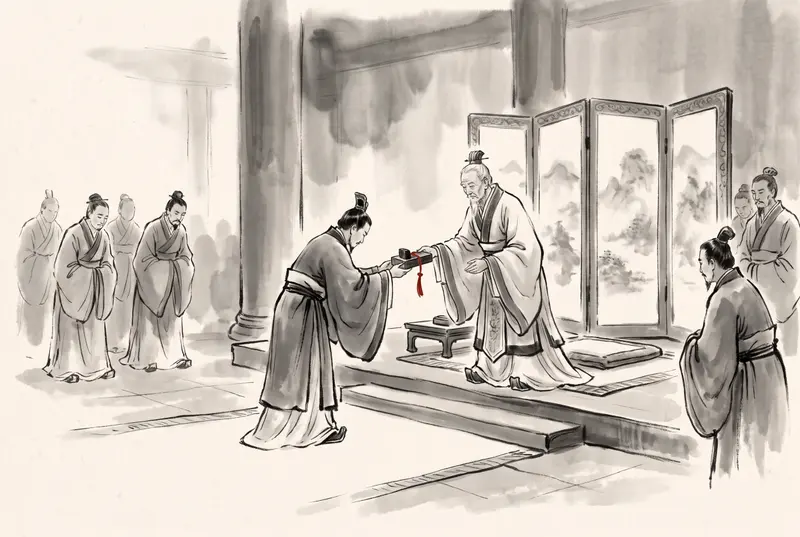
鹿毛壽謂燕王:「不如以國讓相子之。人之謂堯賢者,以其讓天下於許由,許由不受,有讓天下之名而實不失天下。今王以國讓於子之,子之必不敢受,是王與堯同行也。」燕王因屬國於子之,子之大重。或曰:「禹薦益,已而以啓人爲吏。及老,而以啓人爲不足任乎天下,傳之於益。已而啓與交黨攻益,奪之。天下謂禹名傳天下於益,已而實令啓自取之。今王言屬國於子之,而吏無非太子人者,是名屬子之而實太子用事也。」王因收印自三百石吏已上而效之子之。子之南面行王事,而噲老不聽政,顧爲臣,國事皆決於子之。
書き下し文
鹿毛寿燕王に謂う、「国を以て相子之に譲るに如かず。人の堯を賢と謂う者は、其の天下を許由に譲るを以てなり。許由受けず、天下を譲るの名有りて、実は天下を失わず。今王国を以て子之に譲らば、子之必ず敢えて受けず。是れ王堯と行いを同じくするなり」と。燕王因りて国を子之に属す。子之大いに重し。或るひと曰く、「禹は益を薦め、已にして啓の人を以て吏と為す。老いるに及びて、啓の人を以て天下に任ずるに足らずと為し、之を益に伝う。已にして啓、党を交えて益を攻め、之を奪う。天下謂う、禹は名は天下を益に伝え、已にして実は啓をして自ら之を取らしむと。今王は国を子之に属すと言うも、吏は太子の人に非ざる者無し。是れ名は子之に属して、実は太子事を用うるなり」と。王因りて印の三百石の吏より已上を収めて、之を子之に効す。子之南面して王事を行い、噲老いて政を聴かず、顧って臣と為り、国事皆子之に決す。
現代語訳
鹿毛寿が燕王に言った。「いっそ国を宰相の子之にお譲りになるにこしたことはありません。人が堯を賢者と言うのは、天下を許由に譲ろうとしたからです。許由は受けなかったので、堯は天下を譲ったという名声を得たうえ、実際には天下を失いませんでした。いま王が国を子之に譲れば、子之はきっと受けないでしょう。そうすれば王は堯と同じ行いをしたことになります」。燕王はそこで国を子之にゆだね、子之の力はますます大きくなった。ある者はこう言った。「禹は益を後継ぎに推したが、自分の子の啓の配下を役人にした。年老いると、啓の配下は天下をまかせるには足りないとして、天下を益に伝えた。ところが啓は仲間とともに益を攻めて、天下を奪った。世間は、禹は形の上では天下を益に伝えたが、実は啓に自分で奪い取らせたのだと言っている。いま王は国を子之にゆだねたとおっしゃるが、役人は皆、太子の配下です。これでは名は子之にゆだねても、実際に動かすのは太子です」。そこで王は、俸禄三百石以上の役人の印をすべて取り上げて、子之に渡した。子之は南を向いて王の仕事を行い、噲は年老いて政治をとらず、かえって臣下となり、国の事はすべて子之が決めた。
英訳
Lu Maoshou said to the king of Yan: "The best thing would be to hand the state to your chancellor Zizhi. People call Yao wise because he offered the realm to Xu You. Xu You would not take it, so Yao won the fame of having given away the realm without really losing it. Now if Your Majesty offers the state to Zizhi, he will certainly not dare to accept, and you will have done the same as Yao." So the king of Yan entrusted the state to Zizhi, and Zizhi grew very powerful. Then someone said: "Yu put forward Yi as his heir, but filled the offices with men of his own son Qi. When he grew old, he said that Qi's men were not fit to be trusted with the realm, and handed it to Yi. But then Qi and his party attacked Yi and took it from him. People say that in name Yu gave the realm to Yi, but in fact he let Qi take it for himself. Now Your Majesty says you have entrusted the state to Zizhi, but every official is the crown prince's man. In name the state belongs to Zizhi, but in fact the crown prince runs it." So the king took back the seals of every official of three hundred dan and above, and gave them to Zizhi. Zizhi faced south and did the work of a king, while Kuai, old now, no longer attended to government but became a subject instead. All the affairs of the state were decided by Zizhi.
解説(日)
- 許由: 堯から天下を譲ると言われて断り、耳をすすいだという伝説の隠者(061-boyi の章にも名が出る)。
- 禹・益・啓: 禹は益に位を譲ったが、子の啓が位を継ぎ、夏王朝が世襲となったとされる(002-xia の章)。
- 三百石: 役人の俸禄の等級。三百石以上の役人の任免権をすべて子之に与えた。
解説(英)
- Xu You (許由): the hermit who refused Yao's offer of the throne.
- Yu, Yi and Qi: Yu named Yi as heir, but his son Qi took the throne and the Xia became hereditary (chapter 002).
- Three hundred dan (三百石): a grade of official salary; all senior appointments passed to Zizhi.
英語の語注
- entrust/ɪnˈtrʌst/verb
to give someone a duty to take care of
本文では: “entrusted the state to Zizhi”
似た語と違い: hand over — give to someone else · commit — give for safekeeping
- seal/sil/noun
a stamp used to show official power
本文では: “took back the seals of every official”
似た語と違い: stamp — a device that marks paper · signet — a small seal on a ring
節 4
原文
三年,國大亂,百姓恫恐。將軍市被與太子平謀,將攻子之。諸將謂齊湣王曰:「因而赴之,破燕必矣。」齊王因令人謂燕太子平曰:「寡人聞太子之義,將廢私而立公,飭君臣之義,明父子之位。寡人之國小,不足以爲先後。雖然,則唯太子所以令之。」太子因要黨聚衆,將軍市被圍公宮,攻子之,不克。將軍市被及百姓反攻太子平,將軍市被死,以徇。因搆難數月,死者數萬,衆人恫恐,百姓離志。孟軻謂齊王曰:「今伐燕,此文、武之時,不可失也。」王因令章子將五都之兵,以因北地之衆以伐燕。士卒不戰,城門不閉,燕君噲死,齊大勝。燕子之亡二年,而燕人共立太子平,是爲燕昭王。
書き下し文
三年、国大いに乱れ、百姓恫恐す。将軍市被、太子平と謀り、将に子之を攻めんとす。諸将斉の湣王に謂いて曰く、「因りて之に赴かば、燕を破ること必せり」と。斉王因りて人をして燕の太子平に謂わしめて曰く、「寡人聞く、太子の義、将に私を廃して公を立て、君臣の義を飭め、父子の位を明らかにせんとすと。寡人の国は小にして、以て先後を為すに足らず。然りと雖も、則ち唯だ太子の之に令する所のままならん」と。太子因りて党を要め衆を聚め、将軍市被公宮を囲み、子之を攻むるも、克たず。将軍市被及び百姓反って太子平を攻め、将軍市被死し、以て徇う。因りて難を搆うること数月、死者数万、衆人恫恐し、百姓志を離る。孟軻斉王に謂いて曰く、「今燕を伐つは、此れ文・武の時なり。失うべからず」と。王因りて章子をして五都の兵を将い、以て北地の衆に因りて以て燕を伐たしむ。士卒戦わず、城門閉じず、燕君噲死し、斉大いに勝つ。燕の子之亡びて二年、而して燕人共に太子平を立つ。是れ燕の昭王たり。
現代語訳
三年たつと、国は大いに乱れ、民は恐れおののいた。将軍の市被は太子の平と相談して、子之を攻めようとした。斉の将軍たちは斉の湣王に言った。「この機に乗じて攻めこめば、きっと燕を破れます」。そこで斉王は燕の太子平に使いをやって伝えた。「太子は正義のために、私を捨てて公を立て、君臣のけじめを正し、父子の位を明らかにしようとしていると聞きました。わが国は小さく、先に立ったり後押ししたりする力はありませんが、それでも、太子のおっしゃるとおりにいたしましょう」。太子は仲間を集め、市被は宮殿を囲んで子之を攻めたが、勝てなかった。すると市被と民は逆に太子平を攻め、市被は死んで、さらし者にされた。こうして数か月戦いが続き、死者は数万人にのぼり、人々は恐れおののいて、民の心は離れた。孟軻(孟子)は斉王に言った。「いま燕を討てば、周の文王・武王が殷を討ったときと同じです。この機を逃してはなりません」。そこで王は章子に五つの都の兵を率いさせ、北の地方の兵も加えて燕を討たせた。燕の兵は戦わず、城門は閉ざされず、燕王噲は死に、斉は大勝した。子之が滅んで二年後、燕の人々はともに太子平を立てた。これが燕の昭王である。
英訳
After three years the state was in great disorder, and the people were terrified. General Shi Bei and Crown Prince Ping plotted to attack Zizhi. The generals of Qi said to King Min of Qi: "If you march in now, you are sure to break Yan." So the king of Qi sent a man to say to Crown Prince Ping of Yan: "I hear that you mean, in the name of justice, to put down private interest and raise up the public good, to set right the duty between ruler and subject and make clear the places of father and son. My state is small and not strong enough to lead you or to back you; but even so, I will do whatever you command." So the crown prince gathered his party and his followers, and General Shi Bei surrounded the palace and attacked Zizhi, but could not win. Then General Shi Bei and the people turned and attacked Crown Prince Ping instead. General Shi Bei was killed and his body displayed. The fighting went on for several months; tens of thousands died, everyone was terrified, and the people lost all heart. Meng Ke said to the king of Qi: "To attack Yan now is like the moment of King Wen and King Wu. You must not miss it." So the king sent Zhangzi with the troops of the five capitals, joined by the people of the north, to attack Yan. The soldiers of Yan did not fight and the city gates were not shut. Kuai, the ruler of Yan, died, and Qi won a great victory. Two years after Zizhi's fall, the people of Yan together made Crown Prince Ping their ruler. He was King Zhao of Yan.
解説(日)
- 湣王: 実際には、このときの斉王は宣王とする説が有力。『史記』の年代には混乱がある。
- 孟軻: 孟子。『孟子』では、燕を討つべきかと問われて、燕の民が喜ぶなら討てと答えている。
- 昭王: 燕の昭王の名については、太子平ではなく公子職とする記録もある。
解説(英)
- King Min (湣王): most scholars think the king of Qi at this time was King Xuan; the Shiji's dates are confused here.
- Meng Ke (孟軻): Mencius. In the Mencius he says Yan may be taken only if its people welcome it.
- King Zhao: some sources name him as Prince Zhi rather than Crown Prince Ping.
英語の語注
- terrified/ˈtɛrəˌfaɪd/adjective
very frightened
本文では: “the people were terrified”
似た語と違い: petrified — too frightened to move · panic-stricken — in a state of panic
- lose heart/luz hɑrt/phrase
to stop hoping or trying
本文では: “the people lost all heart”
似た語と違い: despair — lose all hope · give up — stop trying
節 5
原文
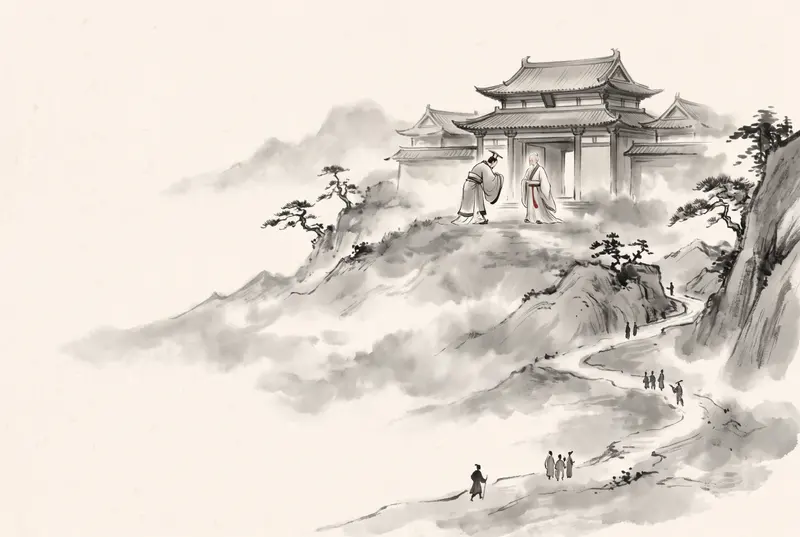
燕昭王於破燕之後卽位,卑身厚幣以招賢者。謂郭隗曰:「齊因孤之國亂而襲破燕,孤極知燕小力少,不足以報。然誠得賢士以共國,以雪先王之恥,孤之願也。先生視可者,得身事之。」郭隗曰:「王必欲致士,先從隗始。況賢於隗者,豈遠千里哉!」於是昭王爲隗改筑宮而師事之。樂毅自魏往,鄒衍自齊往,劇辛自趙往,士爭趨燕。燕王噲死問孤,與百姓同甘苦。
書き下し文
燕の昭王、破燕の後に位に即き、身を卑くし幣を厚くして以て賢者を招く。郭隗に謂いて曰く、「斉、孤の国の乱るるに因りて襲いて燕を破る。孤極めて燕の小にして力少なく、以て報ゆるに足らざるを知る。然れども誠に賢士を得て以て国を共にし、以て先王の恥を雪ぐは、孤の願いなり。先生可なる者を視せ。身之に事うるを得ん」と。郭隗曰く、「王必ず士を致さんと欲せば、先ず隗より始めよ。況や隗より賢なる者、豈に千里を遠しとせんや」と。是に於いて昭王、隗の為に改めて宮を築きて之に師事す。楽毅魏より往き、鄒衍斉より往き、劇辛趙より往き、士争いて燕に趨く。燕王死を弔い孤を問い、百姓と甘苦を同じくす。
現代語訳
燕の昭王は、燕が破られたあとに位につくと、身を低くし、手厚い贈り物を用意して賢者を招こうとした。昭王は郭隗に言った。「斉はわが国の乱れにつけこんで攻めこみ、燕を破った。燕は小さくて力が弱く、仕返しができないことは、よく分かっている。それでも、本当に賢い人を得てともに国を治め、先王の恥をすすぐのが、わたしの願いだ。先生、ふさわしい人物を示してください。わたしは自ら仕えましょう」。郭隗は言った。「王がどうしても士を招きたいとお思いなら、まずこの隗から始めてください。隗のような者でさえ重く用いられるのなら、隗より賢い者は、千里の道も遠いと思わずにやって来るでしょう」。そこで昭王は郭隗のために新しく宮殿を建て、師として仕えた。すると楽毅が魏から、鄒衍が斉から、劇辛が趙からやって来て、士は先を争って燕に集まった。燕王は戦死した者を弔い、親を失った子を見舞い、民と苦楽をともにした。
英訳
King Zhao of Yan came to the throne after Yan had been broken. He humbled himself and offered rich gifts to attract men of worth. He said to Guo Wei: "Qi took advantage of the chaos in my state to attack and break Yan. I know very well that Yan is small and weak, and not strong enough to repay it. Yet to find truly worthy men to share my state with me, and wipe out the shame of my father, is my wish. Show me, sir, whoever is fit, and I will serve him myself." Guo Wei said: "If Your Majesty really wants to bring in men of talent, begin with me. And then men worthier than I will not think a thousand li too far to come." So King Zhao built a new palace for Guo Wei and served him as his teacher. Yue Yi came from Wei, Zou Yan came from Qi and Ju Xin came from Zhao; men of talent raced one another to Yan. The king of Yan mourned the dead, visited the orphans, and shared the sweet and the bitter with his people.
解説(日)
- 先從隗始: 「まず隗より始めよ」。大きな事をするには手近なことから始めよ、また言い出した者から始めよ、という意味の故事成語になった。
- 『戦国策』では、郭隗はこの前に、死んだ名馬の骨を五百金で買ったら、生きた名馬が三頭も集まったというたとえ話をしている。
- 鄒衍: 陰陽五行説を唱えた斉の思想家。劇辛は趙の人で、のちに燕の将軍となった。
解説(英)
- "Begin with me" (先從隗始): now a proverb: start with what is close at hand, or with the one who made the suggestion.
- In the Intrigues of the Warring States, Guo Wei first tells the parable of a king who paid five hundred gold for a dead horse's bones, and soon had three living horses brought to him.
- Zou Yan (鄒衍): the thinker of the Yin-Yang and Five Phases school.
この節から生まれた言葉: 先ず隗より始めよ
英語の語注
- humble oneself/ˈhʌmbəl wʌnˈsɛlf/phrase
to behave modestly, as if of lower rank
本文では: “He humbled himself and offered rich gifts”
似た語と違い: stoop — lower oneself · defer — give way to others
- orphan/ˈɔrfən/noun
a child whose parents are dead
本文では: “visited the orphans”
似た語と違い: foundling — an abandoned child · ward — a child in someone's care
節 6
原文
二十八年,燕國殷富,士卒樂軼輕戰,於是遂以樂毅爲上將軍,與秦、楚、三晉合謀以伐齊。齊兵敗,湣王出亡於外。燕兵獨追北,入至臨淄,盡取齊寶,燒其宮室宗廟。齊城之不下者,獨唯聊、莒、卽墨,其餘皆屬燕,六歳。
書き下し文
二十八年、燕国殷富にして、士卒楽佚して戦を軽んず。是に於いて遂に楽毅を以て上将軍と為し、秦・楚・三晋と合謀して以て斉を伐つ。斉の兵敗れ、湣王出でて外に亡ぐ。燕の兵独り北ぐるを追い、入りて臨淄に至り、尽く斉の宝を取り、其の宮室宗廟を焼く。斉の城の下らざる者は、独り唯だ聊・莒・即墨のみ。其の余は皆燕に属すること六歳なり。
現代語訳
昭王の二十八年(前284年)、燕は豊かになり、兵士たちは意気盛んで戦いを恐れなかった。そこで楽毅を上将軍とし、秦・楚・三晋と手を結んで斉を討った。斉の軍は敗れ、湣王は国外へ逃れた。燕の軍だけが逃げる敵を追って斉の都臨淄に入り、斉の宝物をことごとく奪い、宮殿や祖先の廟を焼いた。斉の城で降らなかったのは、聊・莒・即墨だけで、ほかはすべて六年のあいだ燕のものとなった。
英訳
In the twenty-eighth year Yan was rich and prosperous, and its soldiers were in high spirits and made light of war. So King Zhao made Yue Yi supreme general, and joined with Qin, Chu and the three Jin to attack Qi. The army of Qi was defeated, and King Min fled abroad. The army of Yan alone pursued the fleeing enemy as far as Linzi, the capital of Qi. It took all the treasures of Qi and burned its palaces and ancestral temples. Only Liao, Ju and Jimo held out among the cities of Qi; all the rest belonged to Yan for six years.
解説(日)
- 樂毅: 燕の将軍。斉の七十あまりの城を落とした(080-yue-yi の章)。
- 卽墨: 斉の田単がここを守りぬき、火牛の計で燕軍を破って斉を取りもどした(082-tian-dan の章)。
- 樂軼: 楽しみ安らぐこと。豊かで兵士の気持ちに余裕があった。
解説(英)
- Yue Yi (樂毅): the general who took more than seventy cities of Qi (chapter 080).
- Jimo (卽墨): the city where Tian Dan held out and later won back Qi with his fire-oxen (chapter 082).
- In high spirits (樂軼): the soldiers were well fed and at ease.
英語の語注
- prosperous/ˈprɑspərəs/adjective
rich and successful
本文では: “Yan was rich and prosperous”
似た語と違い: thriving — growing well · wealthy — having much money
- flee/fli/verb
to run away from danger
本文では: “King Min fled abroad”
似た語と違い: escape — get away · run off — leave quickly
節 7
原文
今王喜四年,秦昭王卒。燕王命相栗腹約歡趙,以五百金爲趙王酒。還報燕王曰:「趙王壯者皆死長平,其孤未壯,可伐也。」王召昌國君樂閒問之。對曰:「趙四戰之國,其民習兵,不可伐。」王曰:「吾以五而伐一。」對曰:「不可。」燕王怒,群臣皆以爲可。卒起二軍,車二千乘,栗腹將而攻鄗,卿秦攻代。唯獨大夫將渠謂燕王曰:「與人通關約交,以五百金飲人之王,使者報而反攻之,不祥,兵無成功。」燕王不聽,自將偏軍隨之。將渠引燕王綬止之曰:「王必無自往,往無成功。」王蹵之以足。將渠泣曰:「臣非以自爲,爲王也!」燕軍至宋子,趙使廉頗將,撃破栗腹於鄗。[樂乘]破卿秦(樂乘)於代。樂閒奔趙。廉頗逐之五百餘里,圍其國。燕人請和,趙人不許,必令將渠處和。燕相將渠以處和。趙聽將渠,解燕圍。
書き下し文
今王喜の四年、秦の昭王卒す。燕王、相栗腹に命じて歓を趙に約せしめ、五百金を以て趙王の酒を為す。還りて燕王に報じて曰く、「趙王の壮者は皆長平に死し、其の孤未だ壮ならず。伐つべきなり」と。王、昌国君楽閒を召して之を問う。対えて曰く、「趙は四戦の国なり。其の民兵に習う。伐つべからず」と。王曰く、「吾五を以てして一を伐たん」と。対えて曰く、「不可なり」と。燕王怒る。群臣皆以て可と為す。卒に二軍、車二千乗を起こし、栗腹将として鄗を攻め、卿秦代を攻む。唯独り大夫将渠燕王に謂いて曰く、「人と関を通じ交わりを約し、五百金を以て人の王に飲ましめ、使者報じて反って之を攻むるは、不祥なり。兵功を成す無けん」と。燕王聴かず、自ら偏軍を将いて之に随う。将渠、燕王の綬を引きて之を止めて曰く、「王必ず自ら往くこと無かれ。往くも功を成す無けん」と。王之を蹵くに足を以てす。将渠泣きて曰く、「臣自ら為にするに非ざるなり、王の為なり」と。燕軍宋子に至る。趙廉頗をして将たらしめ、撃ちて栗腹を鄗に破る。楽乗卿秦を代に破る。楽閒趙に奔る。廉頗之を逐うこと五百余里、其の国を囲む。燕人和を請う。趙人許さず、必ず将渠をして和を処せしめんとす。燕、将渠を相として以て和を処せしむ。趙、将渠に聴き、燕の囲みを解く。
現代語訳
燕王喜の四年(前251年)、秦の昭王が亡くなった。燕王は宰相の栗腹に命じて趙と友好を結ばせ、五百金を出して趙王の長寿を祝う酒宴を開かせた。栗腹は帰ってきて燕王に報告した。「趙の若い男たちは皆、長平の戦いで死に、残された子どもたちはまだ大人になっていません。攻めるならいまです」。王が昌国君楽閒(楽毅の子)を呼んでたずねると、楽閒は答えた。「趙は四方から攻められてきた国で、民は戦いに慣れています。攻めてはなりません」。王が「わが軍は五人で一人に当たるのだ」と言っても、「なりません」と答えた。燕王は怒った。群臣は皆、攻めるべきだと言った。こうしてついに二つの軍、兵車二千台を起こし、栗腹が将となって鄗を攻め、卿秦が代を攻めた。ただ一人、大夫の将渠が燕王に言った。「相手と国境を開いて友好を約束し、五百金で相手の王に酒をふるまっておきながら、使者が帰るなり攻めるのは、不吉です。戦はうまくいきません」。燕王は聞き入れず、自ら別働隊を率いて後に続こうとした。将渠は燕王の印の帯をつかんで引き止めた。「王はご自分で行ってはなりません。行ってもうまくいきません」。王は足で将渠をけとばした。将渠は泣いて言った。「わたしは自分のために申し上げているのではありません。王のためなのです」。燕の軍が宋子まで来ると、趙は廉頗を将として、栗腹を鄗で破った。楽乗も卿秦を代で破った。楽閒は趙に逃れた。廉頗は五百里あまりも燕軍を追い、燕の都を囲んだ。燕は和睦を願ったが、趙は許さず、必ず将渠に和睦の交渉をさせよと求めた。燕は将渠を宰相にして交渉させ、趙は将渠の言うことを聞いて、燕の囲みを解いた。
英訳
In the fourth year of the present king, Xi, King Zhao of Qin died. The king of Yan sent his chancellor Li Fu to make friends with Zhao, and to spend five hundred pieces of gold on a feast for the king of Zhao. Li Fu came back and reported: "The grown men of Zhao all died at Changping, and their orphans are not yet grown. Zhao can be attacked." The king summoned Yue Jian, Lord Changguo, and asked him. He answered: "Zhao has fought on four sides; its people are used to war. It must not be attacked." The king said: "I will send five against every one." "No," he answered. The king of Yan was angry, and his ministers all said it could be done. So at last two armies were raised, with two thousand chariots. Li Fu led one against Hao, and Qing Qin led the other against Dai. Only the grandee Jiang Qu said to the king of Yan: "To open the passes and make friends with someone, spend five hundred gold on wine for his king, and then attack him as soon as your envoy is home, is an evil omen. The army will win nothing." The king of Yan would not listen, and set off himself at the head of a third force. Jiang Qu caught hold of the cord of the king's seal to stop him, and said: "Your Majesty must not go yourself. If you go, you will win nothing." The king kicked him away. Jiang Qu wept and said: "I do not do this for myself, but for you!" When the army of Yan reached Songzi, Zhao sent Lian Po to lead its army, and he defeated Li Fu at Hao. Yue Cheng defeated Qing Qin at Dai, and Yue Jian fled to Zhao. Lian Po chased the army of Yan for more than five hundred li and laid siege to the capital of Yan. The people of Yan asked for peace. Zhao refused, and insisted that the peace be made by Jiang Qu. So Yan made Jiang Qu chancellor to arrange it, and Zhao, listening to Jiang Qu, lifted the siege of Yan.
解説(日)
- 長平: 前260年、趙の兵四十万が秦の白起に敗れて生き埋めにされた戦い(073-bai-qi、081-zhao-kuo の章)。
- 樂閒: 楽毅の子。昌国君は楽毅が燕から受けた封号。
- [樂乘]破卿秦(樂乘)於代: 校勘の印。底本の「卿秦楽乗を代に破る」を、「楽乗卿秦を代に破る」と読み改めている。
- 綬: 印をさげる組みひも。王の身分のしるし。
解説(英)
- Changping (長平): the battle of 260 BCE where four hundred thousand men of Zhao were lost to Bai Qi of Qin (chapters 073 and 081).
- Yue Jian (樂閒): son of Yue Yi; Lord Changguo was the title Yue Yi had held in Yan.
- The brackets in the source correct the text: it was Yue Cheng of Zhao who beat Qing Qin, not the other way round.
英語の語注
- omen/ˈoʊmən/noun
a sign of what will happen in the future
本文では: “is an evil omen”
似た語と違い: portent — a sign of something important · sign — something that shows what will happen
- siege/sidʒ/noun
surrounding a city with an army to force it to give up
本文では: “lifted the siege of Yan”
似た語と違い: blockade — cutting off a place · encirclement — surrounding completely
節 8
原文
燕見秦且滅六國,秦兵臨易水,禍且至燕。太子丹陰養壯士二十人,使荊軻獻督亢地圖於秦,因襲刺秦王。秦王覺,殺軻,使將軍王翦撃燕。二十九年,秦攻拔我薊,燕王亡,徙居遼東,斬丹以獻秦。三十年,秦滅魏。三十三年,秦拔遼東,虜燕王喜,卒滅燕。是歳,秦將王賁亦虜代王嘉。
書き下し文
燕、秦の且に六国を滅ぼさんとし、秦の兵易水に臨み、禍且に燕に至らんとするを見る。太子丹、陰かに壮士二十人を養い、荊軻をして督亢の地図を秦に献ぜしめ、因りて襲いて秦王を刺さしむ。秦王覚り、軻を殺し、将軍王翦をして燕を撃たしむ。二十九年、秦攻めて我が薊を抜く。燕王亡げ、徙りて遼東に居り、丹を斬りて以て秦に献ず。三十年、秦魏を滅ぼす。三十三年、秦遼東を抜き、燕王喜を虜にし、卒に燕を滅ぼす。是の歳、秦の将王賁も亦た代王嘉を虜にす。
現代語訳
燕は、秦が六国を滅ぼそうとしており、秦の兵が易水に迫って、災いが燕にも及ぼうとしているのを見た。太子丹はひそかに勇士二十人を養い、荊軻に督亢の地図を秦に献上させ、そのすきに秦王を刺させようとした。秦王は気づいて荊軻を殺し、将軍王翦に燕を攻めさせた。燕王喜の二十九年、秦はわが燕の都薊を攻め落とした。燕王は逃げて遼東に移り、太子丹を斬って首を秦に差し出した。三十年、秦は魏を滅ぼした。三十三年(前222年)、秦は遼東を攻め落として燕王喜を捕らえ、ついに燕を滅ぼした。この年、秦の将軍王賁は代王嘉も捕らえた。
英訳
Yan saw that Qin was about to destroy the six states; the armies of Qin had reached the Yi River, and disaster was about to fall on Yan. Crown Prince Dan secretly kept twenty strong men, and sent Jing Ke to present a map of Dukang to Qin and stab the king of Qin when the chance came. The king of Qin saw through it, killed Jing Ke, and sent General Wang Jian to attack Yan. In the twenty-ninth year Qin attacked and took our capital, Ji. The king of Yan fled and moved to Liaodong, and he cut off Dan's head and sent it to Qin. In the thirtieth year Qin destroyed Wei. In the thirty-third year Qin took Liaodong, captured Xi, the king of Yan, and at last destroyed Yan. In the same year the Qin general Wang Ben also captured Jia, the king of Dai.
解説(日)
- 荊軻: 燕の太子丹の頼みで秦王政(のちの始皇帝)を刺そうとした刺客(086-jing-ke の章)。
- 督亢: 燕のもっとも肥えた土地。その地図の巻物の中に匕首を隠した。
- 我: 世家の記事は、その国の立場から「我」と書くことがある。ここでは燕のこと。
解説(英)
- Jing Ke (荊軻): the assassin sent against the king of Qin (chapter 086).
- Dukang (督亢): the richest land of Yan; the dagger was hidden in the scroll of its map.
- "Our capital": the Hereditary Houses often speak from the point of view of the state itself.
英語の語注
- stab/stæb/verb
to push a knife or other sharp thing into someone
本文では: “stab the king of Qin when the chance came”
似た語と違い: knife — attack with a knife · pierce — go into or through
- capture/ˈkæptʃər/verb
to catch and hold someone as a prisoner
本文では: “captured Xi, the king of Yan”
似た語と違い: seize — take by force · take prisoner — catch and hold
節 9
原文
太史公曰:召公奭可謂仁矣!笆棠且思之,況其人乎?燕(北)[外]迫蠻貉,内措齊、晉,崎嶇彊國之閒,最爲弱小,幾滅者數矣。然社稷血食者八九百歳,於姬姓獨後亡,豈非召公之烈邪!
書き下し文
太史公曰く、召公奭は仁なりと謂うべし。甘棠すら且つ之を思う、況や其の人をや。燕は外は蛮貉に迫り、内は斉・晋に措かれ、彊国の間に崎嶇として、最も弱小たり。幾ど滅ぶる者数々なり。然れども社稷血食すること八九百歳、姫姓に於いて独り後に亡ぶ。豈に召公の烈に非ずや。
現代語訳
太史公は言う。召公奭は仁の人だと言えよう。人々は甘棠の木でさえ大切にしたのだから、ましてその人をどれほど慕ったことか。燕は外では北方の異民族に迫られ、内では斉や晋にはさまれ、強国のあいだで苦しみながら、もっとも弱く小さな国だった。滅びかけたことも何度もあった。それでも国の祭りは八、九百年も絶えず、姫姓の国のなかでいちばん最後まで滅びなかった。これこそ召公の功業のおかげではないだろうか。
英訳
The Grand Historian says: Shi, the Duke of Shao, may truly be called humane. If the people treasured even his pear tree, how much more must they have loved the man himself! Yan was pressed by the Man and Mo peoples outside, and squeezed between Qi and Jin within. It struggled along among the strong states, the weakest and smallest of them all, and came close to destruction many times. Yet the sacrifices of its altars went on for eight or nine hundred years, and of all the states of the Ji clan it was the last to fall. Was this not owed to the great deeds of the Duke of Shao?
解説(日)
- 笆棠: 原文のまま。甘棠のこと。
- 燕(北)[外]迫蠻貉: 校勘の印。「北」を「外」に改めて読む。蛮貉は北方の異民族。
- 血食: 犠牲の血肉を供えて祖先を祭ること。国が続くことのたとえ。
- 姬姓: 周の王家と同じ姓の国々。魯・晋・衛・燕など。
解説(英)
- The source writes 笆棠 for 甘棠, the pear tree.
- The brackets correct "the north" to "outside"; the Man and Mo were peoples of the north.
- The states of the Ji clan (姬姓): Lu, Jin, Wei, Yan and others that shared the royal surname of Zhou.
英語の語注
- humane/hjuˈmeɪn/adjective
kind and caring towards others
本文では: “may truly be called humane”
似た語と違い: compassionate — feeling for others · benevolent — wanting to do good
- struggle along/ˈstrʌɡəl əˈlɔŋ/phrasal verb
to keep going with great difficulty
本文では: “It struggled along among the strong states”
似た語と違い: scrape by — just manage to survive · muddle through — get by somehow