世家 · 巻 41
越王句践世家 越王句踐世家
越王句践(会稽の恥と嘗胆) 會稽之恥
越王句践は、呉王闔廬を討ち取るが、その子夫差に会稽山で追いつめられ、家来になると誓って命を助けられる。国に帰った句践は、苦い胆をなめて「会稽の恥を忘れたか」と自分に言い聞かせ、民と苦労をともにして力をたくわえる。二十年あまりのち、句践はついに呉を滅ぼし、夫差は「伍子胥に合わせる顔がない」と言って死ぬ。勝利のあと、名臣の范蠡は「狡兎死して走狗烹らる」と言い残して越を去り、斉で宰相になったのちに、陶で大商人「陶朱公」となる。
この巻のうち「越王句践(会稽の恥と嘗胆)」の場面を載せています。巻の全文ではありません。
音声
音声は合成音声です。
動画
節 1
原文
越王句踐,其先禹之苗裔,而夏后帝少康之庶子也。封於會稽,以奉守禹之祀。文身斷髮,披草萊而邑焉。後二十餘世,至於允常。允常之時,與呉王闔廬戰而相怨伐。允常卒,子句踐立,是爲越王。元年,呉王闔廬聞允常死,乃興師伐越。越王句踐使死士挑戰,三行,至呉陳,呼而自剄。呉師觀之,越因襲撃呉師,呉師敗於檇李,射傷呉王闔廬。闔廬且死,告其子夫差曰:「必毋忘越。」
書き下し文
越王句践は、其の先は禹の苗裔にして、夏后帝少康の庶子なり。会稽に封ぜられ、以て禹の祀りを奉守す。文身断髪し、草萊を披きて邑す。後二十余世にして、允常に至る。允常の時、呉王闔廬と戦いて相怨みて伐つ。允常卒し、子句践立つ。是を越王と為す。元年、呉王闔廬允常の死するを聞き、乃ち師を興して越を伐つ。越王句践死士をして戦いを挑ましむ。三行にして呉の陳に至り、呼びて自剄す。呉の師之を観る。越因りて呉の師を襲撃す。呉の師檇李に敗れ、呉王闔廬を射傷つく。闔廬且に死せんとし、其の子夫差に告げて曰く、「必ず越を忘るる毋かれ」と。
現代語訳
越王句践の祖先は、禹の子孫で、夏の帝少康の庶子(正妻以外の子)である。会稽に領地をもらい、禹の祭りを守ってきた。体に入れ墨をし、髪を短く切り、草むらを切り開いて町をつくった。それから二十代あまりのちに、允常の代になった。允常の時代、呉王闔廬と戦って、互いに恨み合い、攻め合うようになった。允常が死ぬと、子の句践が立って、越王となった。その元年、呉王闔廬は允常が死んだと聞くと、軍を起こして越を攻めた。越王句践は決死の兵に戦いを挑ませた。兵たちは三列になって呉の陣の前まで進み、叫び声をあげて自ら首をはねた。呉の兵があっけにとられて見ているすきに、越は呉の軍に襲いかかった。呉の軍は檇李で敗れ、呉王闔廬は矢に当たって傷を負った。闔廬は死ぬ間際に、子の夫差に言った。「越のことを決して忘れるな」。
英訳
The ancestor of Goujian, King of Yue, was a descendant of Yu, a son of Emperor Shaokang of the Xia by a lesser wife. He was enfeoffed at Kuaiji to keep up the sacrifices to Yu. The people there tattooed their bodies and cut their hair short, and they cleared the brush to build their towns. More than twenty generations later came Yunchang. In Yunchang's time, Yue fought King Helü of Wu, and the two states hated and attacked each other. When Yunchang died, his son Goujian came to the throne as King of Yue. In his first year, King Helü of Wu heard that Yunchang was dead and raised an army against Yue. Goujian sent men sworn to die to challenge the enemy. They marched up to the Wu lines in three ranks, shouted, and cut their own throats. While the Wu army stood staring, Yue fell upon it. The Wu army was routed at Zuili, and King Helü was wounded by an arrow. As he lay dying, Helü told his son Fuchai, "Never forget Yue!"
解説(日)
- 禹: 洪水を治めて夏王朝を開いたとされる伝説の王。会稽山には禹の墓があるとされる。
- 苗裔: 遠い子孫。
- 少康: 夏の王の一人。
- 庶子: 正妻以外の女性から生まれた子。
- 文身斷髮: 体に入れ墨をし、髪を短く切る。中原とは違う南方の風俗。
- 允常: 句践の父。
- 句踐: 越王(在位 前496〜前465年)。「勾践」とも書く。
- 死士: 死を覚悟した兵。罪人だったとも伝わる。
- 檇李: 今の浙江省嘉興市のあたり。前496年の戦い。巻66では「姑蘇」とする。
- 必毋忘越: 巻66では「おまえは句践がおまえの父を殺したことを忘れるか」という問答になっている。
解説(英)
- Yu: the legendary king who tamed the great flood and founded the Xia. His tomb is said to be on Mount Kuaiji.
- 苗裔: a distant descendant.
- Shaokang: a king of the Xia.
- 庶子: a son by a wife other than the principal one.
- 文身斷髮 ("tattooed bodies and cropped hair"): southern customs, unlike those of the central states.
- Yunchang: Goujian's father.
- Goujian: King of Yue (r. 496–465 BCE), also written 勾踐.
- 死士: men ready to die. Some accounts say they were convicts.
- Zuili: near present-day Jiaxing in Zhejiang. The battle was in 496 BCE. Volume 66 places it at Gusu.
- "Never forget Yue": in Volume 66, Helü asks, "Will you forget that Goujian killed your father?"
英語の語注
- enfeoff/ɪnˈfiːf/verb
to give land to someone in return for loyalty and service
本文では: “He was enfeoffed at Kuaiji”
似た語と違い: grant — give officially · endow — give land or money
A fief is the land given.
- tattoo/tæˈtuː/verb
to mark the skin with designs using ink and a needle
本文では: “tattooed their bodies”
似た語と違い: ink — informal; tattoo · mark — make a sign on
- sworn/swɔrn/adjective
having made a solemn promise
本文では: “men sworn to die”
似た語と違い: pledged — having promised · vowed — having promised seriously
Sworn is the past participle of swear.
- rout/raʊt/verb
to defeat completely and make run away
本文では: “was routed at Zuili”
似た語と違い: crush — defeat completely · overwhelm — defeat by greater force
節 2
原文
三年,句踐聞呉王夫差日夜勒兵,且以報越,越欲先呉未發往伐之。范蠡諫曰:「不可。臣聞兵者凶器也,戰者逆德也,爭者事之末也。陰謀逆德,好用凶器,試身於所末,上帝禁之,行者不利。」越王曰:「吾已決之矣。」遂興師。呉王聞之,悉發精兵撃越,敗之夫椒。越王乃以餘兵五千人保棲於會稽。呉王追而圍之。
書き下し文
三年、句践呉王夫差の日夜兵を勒して、且に以て越に報いんとするを聞き、越呉の未だ発せざるに先んじて往きて之を伐たんと欲す。范蠡諫めて曰く、「不可なり。臣聞く、兵は凶器なり、戦いは逆徳なり、争いは事の末なり、と。陰かに逆徳を謀り、好んで凶器を用い、身を末なる所に試みるは、上帝之を禁ず。行う者は利あらず」と。越王曰く、「吾已に之を決せり」と。遂に師を興す。呉王之を聞き、悉く精兵を発して越を撃ち、之を夫椒に敗る。越王乃ち余兵五千人を以て保ちて会稽に棲む。呉王追いて之を囲む。
現代語訳
その三年目、句践は、呉王夫差が昼も夜も兵を訓練して、越に仕返しをしようとしていると聞き、呉が動き出す前にこちらから攻めようとした。范蠡はいさめて言った。「なりません。『武器は不吉な道具であり、戦いは徳に逆らうことであり、争いは物事の末の末である』と聞いています。ひそかに徳に逆らうことをたくらみ、好んで不吉な道具を使い、末の末のことに身を投じるのは、天の神が禁じていることです。行えば、よい結果にはなりません」。越王は言った。「わたしはもう決めたのだ」。そして軍を起こした。呉王はこれを聞くと、精鋭の兵をすべて出して越を迎え撃ち、夫椒で越を破った。越王は残った兵五千人を連れて、会稽山に立てこもった。呉王は追ってきて、これを包囲した。
英訳
In his third year, Goujian heard that King Fuchai of Wu was drilling his troops day and night to take revenge on Yue, and Yue decided to strike first, before Wu could move. Fan Li protested: "You must not. I have heard that weapons are tools of ill omen, that war goes against virtue, and that fighting is the lowest of all affairs. To plot in secret against virtue, to love using tools of ill omen, and to risk yourself in the lowest of affairs: this the Lord on High forbids. Whoever does it will come to no good." The King of Yue said, "I have already decided." And he raised his army. When the King of Wu heard of it, he sent out all his best troops to attack Yue and defeated it at Fujiao. The King of Yue took refuge on Mount Kuaiji with his last five thousand men, and the King of Wu pursued him and laid siege to the mountain.
解説(日)
- 勒兵: 兵を訓練する。
- 范蠡: 越の家臣。句践を助けて呉を滅ぼした名臣。最後の三節を参照。
- 兵者凶器: 武器は不吉な道具だ。『老子』などにも似た言葉がある。
- 逆德: 徳に逆らうこと。
- 上帝: 天の神。
- 夫椒: 今の太湖の中の島、または湖のほとりとされる。前494年の戦い。
- 棲: 山にこもる、立てこもる。
解説(英)
- 勒兵: to drill troops.
- Fan Li: a minister of Yue who helped Goujian destroy Wu. See the last three passages.
- "Weapons are tools of ill omen" (兵者凶器): a similar saying appears in the Laozi.
- 逆德: going against virtue.
- 上帝: the Lord on High, the supreme god.
- Fujiao: an island in Lake Tai or a place on its shore. The battle was in 494 BCE.
- 棲: to take refuge on a mountain.
英語の語注
- omen/ˈoʊmən/noun
a sign of what will happen in the future
本文では: “tools of ill omen”
似た語と違い: sign — something that shows what will come · portent — formal; a sign of something bad
- forbid/fərˈbɪd/verb
to say that something must not be done
本文では: “this the Lord on High forbids”
似た語と違い: prohibit — formal; forbid by law · ban — officially forbid
- lay siege to/ˌleɪ ˈsiːdʒ tuː/phrase
to surround a place with an army (past tense: laid)
本文では: “laid siege to the mountain”
似た語と違い: besiege — surround with an army · surround — be all around
節 3
原文
越王謂范蠡曰:「以不聽子故至於此,爲之柰何?」蠡對曰:「持滿者與天,定傾者與人,節事者以地。卑辭厚禮以遺之,不許,而身與之市。」句踐曰:「諾。」乃令大夫種行成於呉,膝行頓首曰:「君王亡臣句踐使陪臣種敢告下執事:句踐請爲臣,妻爲妾。」呉王將許之。子胥言於呉王曰:「天以越賜呉,勿許也。」種還,以報句踐。
書き下し文
越王范蠡に謂いて曰く、「子を聴かざるの故を以て此に至る。之を為すこと柰何」と。蠡対えて曰く、「満を持する者は天と与にし、傾けるを定むる者は人と与にし、事を節する者は地を以てす。辞を卑くし礼を厚くして以て之に遺れ。許さずんば、身ずから之と市せよ」と。句践曰く、「諾」と。乃ち大夫種をして成を呉に行わしむ。膝行頓首して曰く、「君王の亡臣句践、陪臣種をして敢えて下執事に告げしむ。句践は請う臣と為り、妻は妾と為らん」と。呉王将に之を許さんとす。子胥呉王に言いて曰く、「天越を以て呉に賜う。許すこと勿かれ」と。種還りて、以て句践に報ず。
現代語訳
越王は范蠡に言った。「あなたの言うことを聞かなかったから、こんなことになった。どうしたらよいだろう」。范蠡は答えた。「満ちたものを保とうとする者は天とともにあり、傾いたものを立て直そうとする者は人とともにあり、物事をほどよく整える者は地に従うといいます。へりくだった言葉と手厚い贈り物を呉王に送りなさい。それでも許されなければ、ご自身を取り引きの品として差し出しなさい」。句践は「わかった」と言った。そして大夫の種を呉にやって、和睦を申し入れさせた。種はひざで進み、頭を地につけて言った。「あなた様の亡国の家臣である句践が、その家臣の種をつかわして、おそれながら申し上げます。句践はあなた様の家来となり、その妻は召使いとなりとうございます」。呉王はこれを許そうとした。伍子胥が呉王に言った。「天が越を呉にくださったのです。お許しになってはなりません」。種は戻って、句践に報告した。
英訳
The King of Yue said to Fan Li, "I have come to this because I did not listen to you. What shall I do?" Fan Li replied, "He who would keep what is full sides with Heaven; he who would steady what is falling sides with men; he who would keep things in measure follows the earth. Send the King of Wu humble words and rich gifts. If he does not accept, offer yourself in the bargain." "Agreed," said Goujian. He sent his minister Zhong to Wu to sue for peace. Zhong crawled forward on his knees, knocked his head on the ground and said, "Goujian, Your Majesty's ruined subject, has sent his servant Zhong to dare to say to your officers: Goujian asks to become your subject, and his wife your handmaid." The King of Wu was about to agree, but Zixu said to him, "Heaven has given Yue to Wu. Do not agree." Zhong went back and reported to Goujian.
解説(日)
- 持滿者與天,定傾者與人,節事者以地: 范蠡の言葉。『国語』越語にも見える。解釈には諸説ある。
- 卑辭厚禮: へりくだった言葉と手厚い贈り物。
- 身與之市: 自分の身を取り引きの品として差し出す(呉王に仕えることも申し出る)。
- 大夫種: 越の家臣、文種。
- 行成: 和睦を申し入れる。
- 膝行頓首: ひざで進み、頭を地につける。最もへりくだった礼。
- 陪臣: 家臣の家臣。種は呉王から見て家臣の家臣にあたる。
- 下執事: 相手の役人たち。相手を直接呼ばずに敬う言い方。
- 子胥: 伍子胥(巻66の章を参照)。
解説(英)
- 持滿者與天,定傾者與人,節事者以地: Fan Li's maxim, also found in the Discourses of the States. Its meaning is debated.
- 卑辭厚禮: humble words and rich gifts.
- 身與之市 ("bargain with your own person"): offer to serve the King of Wu yourself.
- Zhong: Wen Zhong, a minister of Yue.
- 行成: to sue for peace.
- 膝行頓首: crawling on the knees and knocking the head on the ground, the humblest form of submission.
- 陪臣: a subject's subject; Zhong is a servant of Wu's would-be servant.
- 下執事 ("your officers below"): a polite way of addressing someone without naming them directly.
- Zixu: Wu Zixu (see Volume 66).
英語の語注
- humble/ˈhʌmbəl/adjective
showing that you do not think you are important
本文では: “humble words and rich gifts”
似た語と違い: modest — not proud · meek — quiet and obedient
- bargain/ˈbɑrɡən/noun
an agreement in which each side gives something
本文では: “offer yourself in the bargain”
似た語と違い: deal — an agreement · trade — an exchange
A bargain is also something bought cheaply.
- crawl/krɔl/verb
to move along on hands and knees
本文では: “crawled forward on his knees”
似た語と違い: creep — move slowly and quietly · grovel — crawl to show you are humble
- handmaid/ˈhændˌmeɪd/noun
old word for a woman servant
本文では: “his wife your handmaid”
似た語と違い: maid — a woman servant · servant — a person who works in a house
節 4
原文
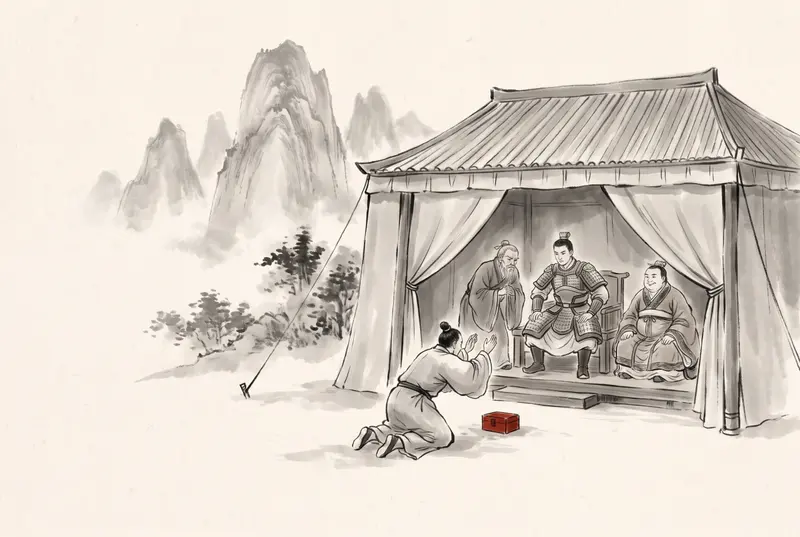
句踐欲殺妻子,燔寶器,觸戰以死。種止句踐曰:「夫呉太宰嚭貪,可誘以利,請閒行言之。」於是句踐以美女寶器令種閒獻呉太宰嚭。嚭受,乃見大夫種於呉王。種頓首言曰:「願大王赦句踐之罪,盡入其寶器。不幸不赦,句踐將盡殺其妻子,燔其寶器,悉五千人觸戰,必有當也。」嚭因説呉王曰:「越以服爲臣,若將赦之,此國之利也。」呉王將許之。子胥進諫曰:「今不滅越,後必悔之。句踐賢君,種、蠡良臣,若反國,將爲亂。」呉王弗聽,卒赦越,罷兵而歸。
書き下し文
句践妻子を殺し、宝器を燔き、戦いに触れて以て死せんと欲す。種句践を止めて曰く、「夫れ呉の太宰嚭は貪なり。誘うに利を以てすべし。請う間行して之に言わん」と。是に於いて句践美女・宝器を以て種をして間かに呉の太宰嚭に献ぜしむ。嚭受けて、乃ち大夫種を呉王に見えしむ。種頓首して言いて曰く、「願わくは大王句践の罪を赦し、尽く其の宝器を入れよ。不幸にして赦さずんば、句践将に尽く其の妻子を殺し、其の宝器を燔き、五千人を悉くして戦いに触れんとす。必ず当たる有らん」と。嚭因りて呉王に説きて曰く、「越以て服して臣と為る。若し将に之を赦さば、此れ国の利なり」と。呉王将に之を許さんとす。子胥進み諫めて曰く、「今越を滅ぼさずんば、後必ず之を悔いん。句践は賢君、種・蠡は良臣なり。若し国に反らば、将に乱を為さんとす」と。呉王聴かず、卒に越を赦し、兵を罷めて帰る。
現代語訳
句践は、妻子を殺し、宝物を焼いて、最後の一戦をして死のうとした。種は句践を止めて言った。「呉の太宰の嚭は欲の深い男です。利益で誘えます。わたしがこっそり行って話をつけてきましょう」。そこで句践は美女と宝物を、種にひそかに呉の太宰嚭のもとへ届けさせた。嚭はそれを受け取り、種を呉王に会わせた。種は頭を地につけて言った。「どうか大王、句践の罪をお許しになり、越の宝物をすべてお納めください。もしお許しいただけなければ、句践は妻子をみな殺し、宝物を焼き、五千人の兵をすべて率いて最後の戦いをいたします。必ずや、それなりの手ごたえがございましょう」。嚭もそれに乗じて呉王に説いた。「越は降参して家来になると言っています。もしお許しになるなら、それは国の利益になります」。呉王はこれを許そうとした。伍子胥が進み出ていさめた。「いま越を滅ぼさなければ、きっと後悔なさいます。句践はすぐれた君主で、種と范蠡はすぐれた家臣です。もし国に帰らせたら、必ず反乱を起こします」。呉王は聞き入れず、とうとう越を許し、兵を引き上げて帰った。
英訳
Goujian wanted to kill his wife and children, burn his treasures and die fighting. Zhong stopped him, saying, "Pi, the chief minister of Wu, is greedy. He can be tempted with gain. Let me slip over and talk to him." So Goujian had Zhong secretly present beautiful women and treasures to Pi, the chief minister of Wu. Pi accepted them and brought Minister Zhong to see the King of Wu. Zhong knocked his head on the ground and said, "I beg Your Majesty to pardon Goujian's crime and take all his treasures. If by ill fortune you do not pardon him, Goujian will kill all his wives and children, burn his treasures, and throw all his five thousand men into battle, and he will surely make you pay for it." Pi then urged the King of Wu, "Yue has submitted and become your subject. If you pardon it, the state will profit." The King of Wu was about to agree. Zixu came forward and protested: "If you do not destroy Yue now, you will surely regret it. Goujian is a worthy ruler, and Zhong and Li are able ministers. If they go back to their state, they will make trouble." The King of Wu would not listen. In the end he pardoned Yue, withdrew his army and went home.
解説(日)
- 燔: 焼く。
- 觸戰: 敵にぶつかって戦う、決死の戦いをする。
- 太宰嚭: 呉の宰相、伯嚭(巻66の章を参照)。
- 閒行: こっそり行く、人目を避けて行く。
- 必有當: 必ず相手に損害を与える。
- 種、蠡: 文種と范蠡。
解説(英)
- 燔: to burn.
- 觸戰: to throw oneself into a fight to the death.
- Pi, the chief minister: Bo Pi of Wu (see Volume 66).
- 閒行: to go in secret.
- 必有當 ("will surely hit something"): he will make the enemy pay.
- Zhong and Li: Wen Zhong and Fan Li.
英語の語注
- tempt/tɛmpt/verb
to make someone want to do something, often something wrong
本文では: “He can be tempted with gain.”
似た語と違い: lure — attract with a promise · entice — tempt by offering something nice
- pardon/ˈpɑrdən/verb
to officially forgive a crime
本文では: “to pardon Goujian's crime”
似た語と違い: forgive — stop being angry about · spare — not kill or punish
"Pardon?" also means "Please say that again."
節 5
原文
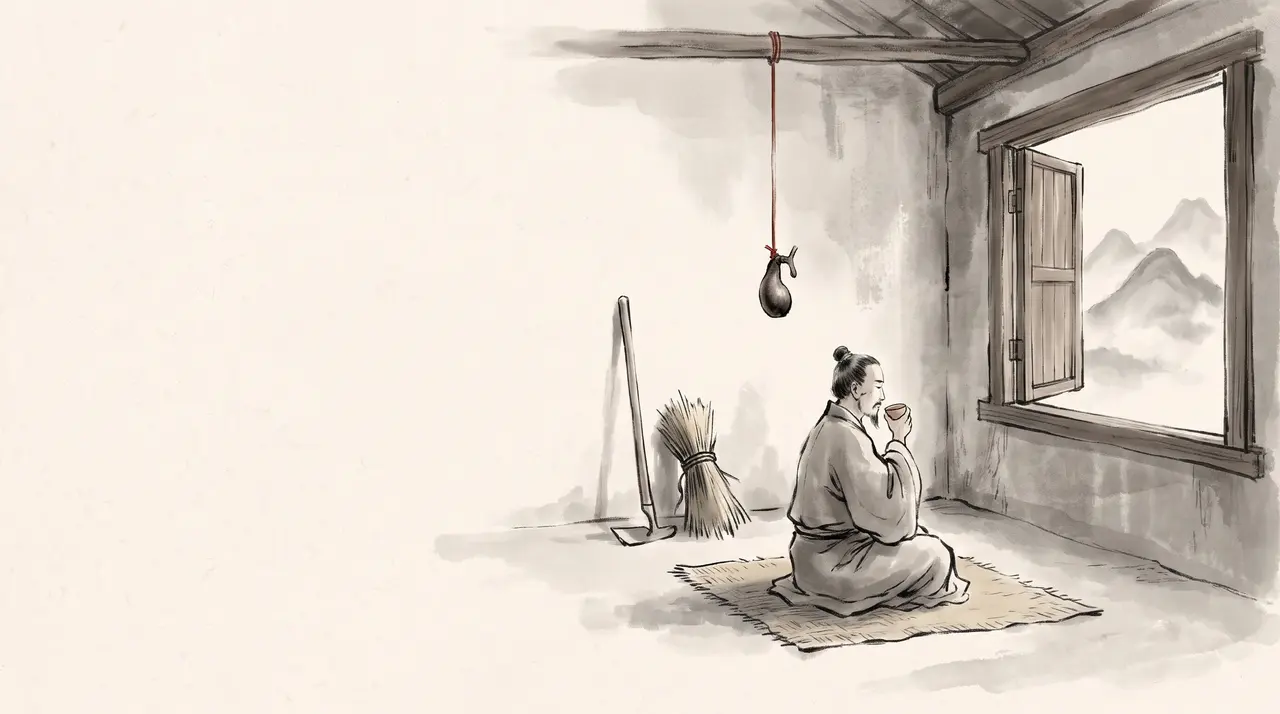
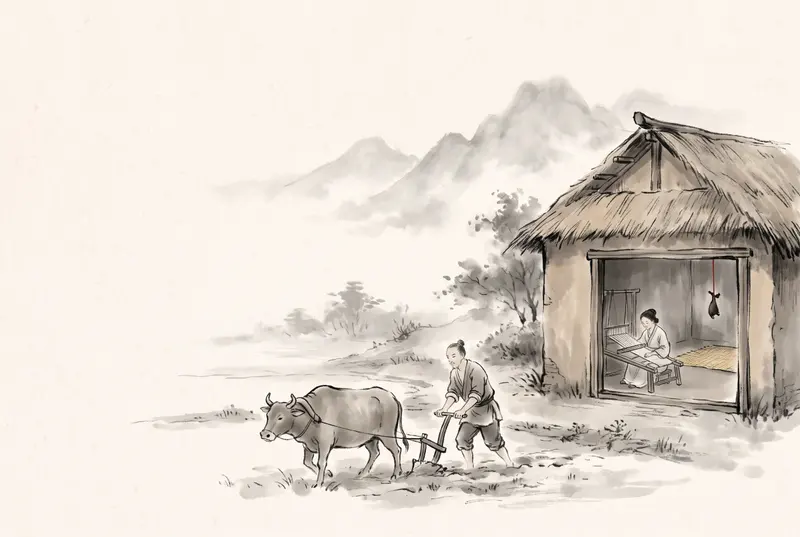
呉旣赦越,越王句踐反國,乃苦身焦思,置膽於坐,坐臥卽仰膽,飲食亦嘗膽也。曰:「女忘會稽之恥邪?」身自耕作,夫人自織,食不加肉,衣不重采,折節下賢人,厚遇賓客,振貧弔死,與百姓同其勞。
書き下し文
呉既に越を赦す。越王句践国に反り、乃ち身を苦しめ思いを焦がし、胆を坐に置き、坐臥には即ち胆を仰ぎ、飲食にも亦た胆を嘗む。曰く、「女会稽の恥を忘れたるか」と。身自ら耕作し、夫人自ら織り、食に肉を加えず、衣に采を重ねず、節を折りて賢人に下り、賓客を厚遇し、貧しきを振い死を弔い、百姓と其の労を同じくす。
現代語訳
呉が越を許すと、越王句践は国に帰り、わが身を苦しめ、思いつめて、苦い胆を座る場所に置いた。座るときも寝るときも胆を見上げ、飲み食いのときにも胆をなめて、「おまえは会稽の恥を忘れたのか」と自分に言い聞かせた。自ら田を耕し、夫人は自ら布を織った。食事には肉を加えず、着物には色の模様を重ねなかった。へりくだって賢い人に教えを請い、客を手厚くもてなし、貧しい者を助け、死んだ者を弔い、民と苦労をともにした。
英訳
Once Wu had pardoned Yue, Goujian, King of Yue, went home and punished his body and tormented his mind. He set a gall bladder beside his seat, and whether sitting or lying down he would look up at it, and whenever he ate or drank he tasted the gall. "Have you forgotten the shame of Kuaiji?" he would say. He plowed the fields himself, and his wife wove cloth herself. He ate no meat with his meals and wore no clothes of many colors. He humbled himself before worthy men, treated his guests generously, helped the poor, mourned the dead, and shared the labors of his people.
解説(日)
- 苦身焦思: 身を苦しめ、思いつめる。
- 膽: 動物の胆のう(きも)。ひどく苦い。
- 嘗膽: 胆をなめる。のちに、たきぎの上に寝る「臥薪」(呉王夫差の話とされることが多い)と合わせて「臥薪嘗胆」という四字熟語になった。『史記』には「臥薪」は出てこない。
- 女: 「汝」と同じ。おまえ。
- 會稽之恥: 会稽山で降伏した恥。「会稽の恥をすすぐ」は、ひどい屈辱を晴らすことのたとえ。
- 衣不重采: 色の模様のある服を重ねない。質素な衣服。
- 折節下賢人: へりくだって賢い人に教えを請う。
解説(英)
- 苦身焦思: to punish the body and torment the mind.
- 膽: an animal's gall bladder, very bitter.
- Tasting the gall (嘗膽): later joined with "sleeping on brushwood" (臥薪), often attributed to Fuchai, to form the idiom for enduring hardship to take revenge. The Shiji does not mention the brushwood.
- 女: the same as 汝, "you."
- The shame of Kuaiji: the surrender on Mount Kuaiji. "Wiping out the shame of Kuaiji" means avenging a bitter humiliation.
- 衣不重采: plain clothes without colored patterns.
- 折節下賢人: to humble oneself before worthy men.
英語の語注
- gall/ɡɔl/noun
a bitter liquid from the liver, kept in the gall bladder
本文では: “tasted the gall”
似た語と違い: bile — the medical word · bitterness — a bitter taste or feeling
Gall also means rude boldness: "He had the gall to ask for more."
- torment/tɔrˈmɛnt/verb
to cause great pain or worry
本文では: “tormented his mind”
似た語と違い: torture — cause great pain · plague — trouble again and again
節 6
原文
居三年,句踐召范蠡曰:「呉已殺子胥,導諛者衆,可乎?」對曰:「未可。」至明年春,呉王北會諸侯於黃池,呉國精兵從王,惟獨老弱與太子留守。句踐復問范蠡,蠡曰「可矣」。乃發習流二千人,教士四萬人,君子六千人,諸御千人,伐呉。呉師敗,遂殺呉太子。呉告急於王,王方會諸侯於黃池,懼天下聞之,乃祕之。呉王已盟黃池,乃使人厚禮以請成越。越自度亦未能滅呉,乃與呉平。
書き下し文
居ること三年、句践范蠡を召して曰く、「呉已に子胥を殺し、導諛する者衆し。可なるか」と。対えて曰く、「未だ可ならず」と。明年の春に至り、呉王北のかた諸侯を黄池に会す。呉国の精兵王に従い、惟だ独り老弱と太子と留守す。句践復た范蠡に問う。蠡曰く「可なり」と。乃ち習流二千人、教士四万人、君子六千人、諸御千人を発して、呉を伐つ。呉の師敗れ、遂に呉の太子を殺す。呉急を王に告ぐ。王方に諸侯を黄池に会す。天下の之を聞かんことを懼れ、乃ち之を秘す。呉王已に黄池に盟い、乃ち人をして礼を厚くして以て成を越に請わしむ。越自ら度るに亦た未だ呉を滅ぼす能わず。乃ち呉と平らぐ。
現代語訳
それから三年たって、句践は范蠡を呼んで言った。「呉はもう伍子胥を殺し、王にへつらう者ばかりになった。そろそろよいか」。范蠡は答えた。「まだです」。翌年の春になると、呉王は北の黄池に諸侯を集めて会盟を開いた。呉の精鋭の兵はみな王について行き、国には年寄りや弱い者と太子だけが残って守っていた。句践がまた范蠡にたずねると、范蠡は「よろしいでしょう」と言った。そこで、水戦に慣れた兵二千人、訓練した兵四万人、王の親衛隊六千人、指揮官千人を出して、呉を攻めた。呉の軍は敗れ、越は呉の太子を殺した。呉は王に急を告げたが、王はちょうど黄池で諸侯と会っているところで、天下に知られるのを恐れて、これを秘密にした。呉王は黄池で盟約を結び終えると、人をやって手厚い贈り物をし、越に和睦を求めた。越も、まだ呉を滅ぼすことはできないと考えて、呉と和睦した。
英訳
Three years later, Goujian summoned Fan Li and said, "Wu has killed Zixu, and the king is surrounded by flatterers. Is it time?" "Not yet," Fan Li replied. In the spring of the next year, the King of Wu went north to meet the lords at Huangchi. The best troops of Wu all went with him, leaving only the old and weak with the crown prince to guard the state. Goujian asked Fan Li again, and Fan Li said, "Now." So Goujian sent two thousand trained river fighters, forty thousand drilled soldiers, six thousand men of his own guard and a thousand officers to attack Wu. The Wu army was defeated, and Yue killed the crown prince of Wu. Wu sent word of the crisis to the king, but he was in the middle of his meeting with the lords at Huangchi, and fearing that the world would hear of it, he kept it secret. When the covenant at Huangchi was sealed, the King of Wu sent men with rich gifts to sue Yue for peace. Yue judged that it could not yet destroy Wu, and made peace.
解説(日)
- この節の前(省略): 句践は文種に国の政治を任せ、范蠡を人質として呉に送った(二年後に戻された)。また越の家臣たちは、呉が驕るのを待つよう句践に説いた。呉では伍子胥が自害させられた(巻66の章を参照)。
- 導諛: へつらう。
- 黃池: 今の河南省封丘県のあたり。前482年、夫差は諸侯を集めて覇者になろうとした。
- 習流: 水上の戦いに慣れた兵とされる(諸説ある)。
- 教士: 訓練を受けた兵。
- 君子: 王の身近に仕える親衛隊とされる。
- 諸御: 指揮官や役人たちとされる。
- 祕之: 秘密にする。負けたことが知れると、覇者になれないため。
解説(英)
- Before this (left out here): Goujian put Wen Zhong in charge of the state and sent Fan Li to Wu as a hostage; he was sent back two years later. His ministers advised him to wait until Wu grew proud. In Wu, Wu Zixu was forced to kill himself (see Volume 66).
- 導諛: flattering.
- Huangchi: near present-day Fengqiu in Henan. In 482 BCE Fuchai gathered the lords there, hoping to be recognized as overlord.
- 習流: soldiers trained for river warfare (the meaning is debated).
- 教士: drilled soldiers.
- 君子: probably the king's personal guard.
- 諸御: probably officers and officials.
- 祕之: he kept it secret, since news of a defeat would have cost him the leadership of the lords.
英語の語注
- covenant/ˈkʌvənənt/noun
a formal, serious agreement
本文では: “the covenant at Huangchi was sealed”
似た語と違い: treaty — an agreement between countries · pact — an agreement
- crisis/ˈkraɪsɪs/noun
a time of great danger or difficulty (plural: crises)
本文では: “sent word of the crisis”
似た語と違い: emergency — a sudden danger · predicament — a difficult situation
節 7
原文
其後四年,越復伐呉。呉士民罷弊,輕鋭盡死於齊、晉。而越大破呉,因而留圍之三年,呉師敗,越遂復棲呉王於姑蘇之山。呉王使公孫雄肉袒膝行而前,請成越王曰:「孤臣夫差敢布腹心,異日嘗得罪於會稽,夫差不敢逆命,得與君王成以歸。今君王舉玉趾而誅孤臣,孤臣惟命是聽,意者亦欲如會稽之赦孤臣之罪乎?」句踐不忍,欲許之。范蠡曰:「會稽之事,天以越賜呉,呉不取。今天以呉賜越,越其可逆天乎?且夫君王蚤朝晏罷,非爲呉邪?謀之二十二年,一旦而棄之,可乎?且夫天與弗取,反受其咎。『伐柯者其則不遠』,君忘會稽之蚯?」句踐曰:「吾欲聽子言,吾不忍其使者。」
書き下し文
其の後四年、越復た呉を伐つ。呉の士民罷弊し、軽鋭尽く斉・晋に死す。而して越大いに呉を破り、因りて留まりて之を囲むこと三年。呉の師敗れ、越遂に復た呉王を姑蘇の山に棲ましむ。呉王公孫雄をして肉袒膝行して前み、成を越王に請わしめて曰く、「孤臣夫差敢えて腹心を布く。異日嘗て罪を会稽に得たり。夫差敢えて命に逆らわず、君王と成るを得て以て帰る。今君王玉趾を挙げて孤臣を誅す。孤臣惟だ命に是れ聴かん。意者くは亦た会稽の孤臣の罪を赦すが如くせんと欲するか」と。句践忍びず、之を許さんと欲す。范蠡曰く、「会稽の事は、天越を以て呉に賜うも、呉取らず。今天呉を以て越に賜う。越其れ天に逆らうべけんや。且つ夫れ君王蚤に朝し晏く罷むるは、呉の為に非ずや。之を謀ること二十二年、一旦にして之を棄つ。可ならんや。且つ夫れ天与うるに取らざれば、反って其の咎めを受く。『柯を伐る者は其の則遠からず』。君会稽の厄を忘れたるか」と。句践曰く、「吾子の言を聴かんと欲するも、吾其の使者に忍びず」と。
現代語訳
その四年後、越はふたたび呉を攻めた。呉の兵も民も疲れはて、身軽な精鋭はみな斉や晋との戦いで死んでいた。越は呉を大いに破り、そのまま居座って三年間包囲した。呉の軍は敗れ、越はついに呉王を姑蘇山に追いつめて立てこもらせた。呉王は公孫雄に、肌脱ぎになってひざで進み出させ、越王に和睦を願わせた。「孤独な家臣である夫差が、おそれながら胸のうちを申し上げます。以前、わたしは会稽であなた様に罪を犯しましたが、あのとき夫差はあなた様のお言葉に逆らわず、和睦して帰りました。いまあなた様がお出ましになって、わたしを討とうとなさっています。わたしはただ仰せに従うばかりです。願わくは、会稽のときのように、わたしの罪をお許しいただけないでしょうか」。句践はふびんに思って、許そうとした。范蠡は言った。「会稽のときは、天が越を呉にくださったのに、呉は受け取りませんでした。いまは天が呉を越にくださったのです。越が天に逆らってよいものでしょうか。それに、王が朝早くから夜遅くまで政治にはげんでこられたのは、呉を倒すためではありませんか。二十二年も計画してきたのに、一日でそれを捨ててよいのですか。しかも、天が与えるものを取らなければ、かえってとがめを受けるといいます。『斧の柄を切る者は、手本はすぐそこにある』ともいいます。王は会稽の苦しみをお忘れですか」。句践は言った。「あなたの言葉に従いたいが、あの使者がかわいそうでならないのだ」。
英訳
Four years later, Yue attacked Wu again. The soldiers and people of Wu were exhausted, and its light, picked troops had all died fighting Qi and Jin. Yue crushed Wu and stayed on to besiege it for three years. The Wu army was defeated, and at last Yue drove the King of Wu to take refuge on Mount Gusu. The King of Wu sent Gongsun Xiong, stripped to the waist and crawling on his knees, to beg the King of Yue for peace: "Your lonely subject Fuchai dares to open his heart to you. Once, at Kuaiji, I wronged you. Then Fuchai did not dare defy your wishes; he made peace with you and went home. Now Your Majesty has raised your jade feet to punish your lonely subject. Your lonely subject will obey your command in all things. Might you perhaps be willing to pardon my crime, as I did at Kuaiji?" Goujian could not bear it and wanted to agree. Fan Li said, "At Kuaiji, Heaven gave Yue to Wu, and Wu did not take it. Now Heaven gives Wu to Yue. Shall Yue defy Heaven? Besides, why has Your Majesty held court early and left it late all these years, if not for Wu? We have planned this for twenty-two years. Will you throw it away in a single morning? And when Heaven gives and you do not take, you bring its punishment on yourself instead. 'When you cut an axe handle, the pattern is not far away.' Have you forgotten your suffering at Kuaiji?" Goujian said, "I want to follow your advice, but I cannot bear to do it to his envoy."
解説(日)
- 罷弊: 疲れはてる。
- 肉袒: 片肌を脱ぐ。降伏や謝罪のしるし。
- 孤臣: 見捨てられた家臣。夫差が自分をへりくだって言う言葉。
- 布腹心: 心の奥を打ち明ける。
- 舉玉趾: 足を上げる、お出ましになる。相手を敬う言い方。
- 蚤朝晏罷: 朝早くから政務を始め、夜遅くに終える。
- 二十二年: 会稽で降伏してから呉を滅ぼすまでの年月(前494〜前473年ごろ)。
- 天與弗取,反受其咎: 天が与えるものを取らなければ、かえってとがめを受ける。よく知られた言葉。
- 伐柯者其則不遠: 『詩経』豳風「伐柯」の句。斧の柄を作る手本は、いま手にしている斧の柄だ。会稽で夫差が越を許してしまった失敗が、そのまま手本(教訓)になる、ということ。
- 蚯: 原文のまま。「厄」の意味に読む(諸本で字が異なる)。
解説(英)
- 罷弊: worn out.
- 肉袒 ("baring the flesh"): stripping to the waist as a sign of surrender or apology.
- 孤臣 ("lonely subject"): an abandoned subject; Fuchai's humble name for himself.
- 布腹心: to open one's heart.
- 舉玉趾 ("raise your jade feet"): a respectful way of saying "come in person."
- 蚤朝晏罷: holding court early and leaving it late.
- Twenty-two years: from the surrender at Kuaiji to the fall of Wu (494–473 BCE, roughly).
- 天與弗取,反受其咎: "When Heaven gives and you do not take, you bring its punishment on yourself," a famous saying.
- "When you cut an axe handle, the pattern is not far away": a line from the Book of Songs. The model for the new handle is the one in your hand; here, the lesson is Wu's mistake of sparing Yue at Kuaiji.
- 蚯: so written in this text; read as 厄, "suffering" (other editions differ).
英語の語注
- exhausted/ɪɡˈzɔstɪd/adjective
extremely tired
本文では: “were exhausted”
似た語と違い: worn out — very tired · drained — with no energy left
- besiege/bɪˈsiːdʒ/verb
to surround a place with an army to make it surrender
本文では: “besiege it for three years”
似た語と違い: lay siege to — besiege · blockade — cut off from supplies
- defy/dɪˈfaɪ/verb
to refuse to obey
本文では: “Shall Yue defy Heaven?”
似た語と違い: disobey — not do what you are told · resist — fight against
- axe handle/ˈæks ˌhændəl/noun
the long wooden part of an axe that you hold
本文では: “When you cut an axe handle”
似た語と違い: shaft — a long handle · helve — old word; the handle of a tool
American spelling is often ax.
節 8
原文
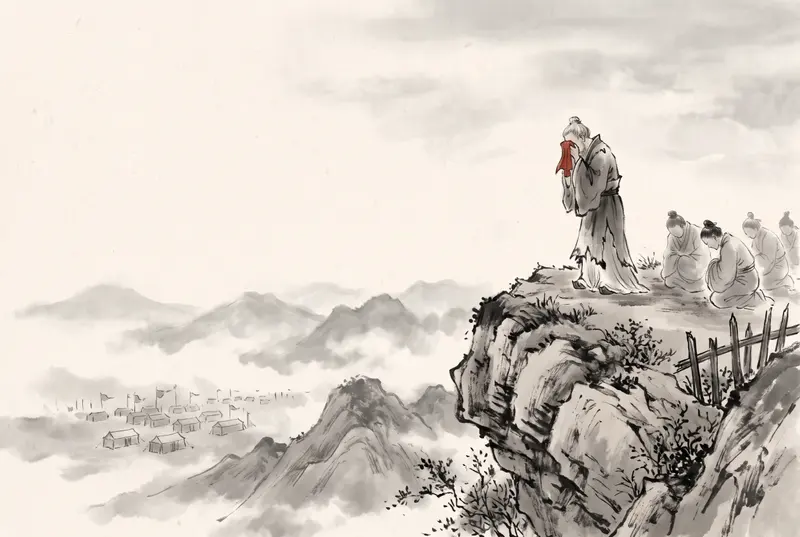
范蠡乃鼓進兵,曰:「王已屬政於執事,使者去,不者且得罪。」呉使者泣而去。句踐憐之,乃使人謂呉王曰:「吾置王甬東,君百家。」呉王謝曰:「吾老矣,不能事君王!」遂自殺。乃蔽其面,曰:「吾無面以見子胥也!」越王乃葬呉王而誅太宰嚭。
書き下し文
范蠡乃ち鼓して兵を進めて曰く、「王已に政を執事に属せり。使者去れ。しからずんば且に罪を得んとす」と。呉の使者泣きて去る。句践之を憐れみ、乃ち人をして呉王に謂わしめて曰く、「吾王を甬東に置き、百家に君たらしめん」と。呉王謝して曰く、「吾老いたり。君王に事うる能わず」と。遂に自殺す。乃ち其の面を蔽いて曰く、「吾以て子胥に見ゆる面無し」と。越王乃ち呉王を葬りて太宰嚭を誅す。
現代語訳
そこで范蠡は太鼓を打って兵を進め、言った。「王はもう政治をわたしたちに任せておられる。使者は帰れ。帰らなければ罰を受けるぞ」。呉の使者は泣きながら帰っていった。句践はあわれに思い、人をやって呉王に伝えさせた。「あなたを甬東に住まわせ、百戸の民の主にしてあげよう」。呉王は断って言った。「わたしはもう年をとった。あなた様に仕えることはできない」。そしてとうとう自ら命を絶った。そのとき顔をおおって言った。「わたしには、伍子胥に合わせる顔がない」。越王は呉王を葬り、太宰の嚭を処刑した。
英訳
Then Fan Li beat the drum, advanced the troops and said, "The king has already put the government in the hands of his officers. Envoy, go back, or you will be punished." The envoy of Wu left in tears. Goujian took pity on the King of Wu and sent a man to tell him, "I will settle you at Yongdong as lord of a hundred households." The King of Wu declined, saying, "I am old. I cannot serve Your Majesty." And he killed himself. Before he died, he covered his face and said, "I have no face to meet Zixu with." The King of Yue buried the King of Wu and put Pi, the chief minister, to death.
解説(日)
- 執事: 役人たち。ここでは范蠡自身のこと。
- 甬東: 今の浙江省舟山の島とされる。
- 君百家: 百戸の民の主とする。
- 吾無面以見子胥: あの世で伍子胥に合わせる顔がない。伍子胥のいさめを聞かなかったことを悔いた言葉。前473年、呉は滅びた。
- 誅太宰嚭: 巻66によれば、主君に不忠で、外国から賄賂を受けたため。
解説(英)
- 執事: officers; here Fan Li means himself.
- Yongdong: probably the island of Zhoushan off Zhejiang.
- 君百家: to be lord of a hundred households.
- "I have no face to meet Zixu with": in the next world. He regrets ignoring Wu Zixu's warnings. Wu fell in 473 BCE.
- Put Pi to death: according to Volume 66, for disloyalty to his lord and for taking bribes from a foreign state.
英語の語注
- settle/ˈsɛtəl/verb
to give someone a place to live
本文では: “I will settle you at Yongdong”
似た語と違い: place — put somewhere · lodge — give a place to stay
Settle also means to end an argument.
- decline/dɪˈklaɪn/verb
to politely refuse
本文では: “The King of Wu declined”
似た語と違い: refuse — say no · turn down — informal; refuse
節 9
原文
范蠡遂去,自齊遺大夫種書曰:「蜚鳥盡,良弓藏;狡兔死,走狗烹。越王爲人長頸鳥喙,可與共患難,不可與共樂。子何不去?」種見書,稱病不朝。人或讒種且作亂,越王乃賜種劍曰:「子教寡人伐呉七術,寡人用其三而敗呉,其四在子,子爲我從先王試之。」種遂自殺。
書き下し文
范蠡遂に去り、斉より大夫種に書を遺りて曰く、「蜚鳥尽きて、良弓蔵せられ、狡兎死して、走狗烹らる。越王の人と為りは長頸鳥喙なり。与に患難を共にすべきも、与に楽しみを共にすべからず。子何ぞ去らざる」と。種書を見て、病と称して朝せず。人或いは種の且に乱を作さんとすと讒す。越王乃ち種に剣を賜いて曰く、「子寡人に呉を伐つの七術を教う。寡人其の三を用いて呉を敗る。其の四は子に在り。子我が為に先王に従いて之を試みよ」と。種遂に自殺す。
現代語訳
范蠡はとうとう越を去り、斉から大夫の種に手紙を送った。「飛ぶ鳥がいなくなれば、よい弓はしまわれ、すばしこい兎が死ねば、猟犬は煮て食われる。越王は首が長く、口が鳥のくちばしのようにとがった人相だ。苦しみはともにできても、楽しみはともにできない人だ。あなたはなぜ去らないのか」。種は手紙を読むと、病気だと言って朝廷に出なくなった。ある者が、種が反乱を起こそうとしている、と告げ口をした。越王は種に剣を与えて言った。「あなたはわたしに、呉を討つ七つの術を教えてくれた。わたしはそのうち三つを使って呉を破った。残りの四つはあなたの手元にある。わたしのために、あの世の先王のもとへ行って、それを試してくれ」。種はとうとう自害した。
英訳
Fan Li then left Yue, and from Qi he sent a letter to Minister Zhong: "When the birds in flight are gone, the good bow is put away; when the cunning hare is dead, the hunting dog is boiled. The King of Yue has a long neck and a mouth like a bird's beak. He is a man you can share hardship with, but not happiness. Why do you not leave?" When Zhong read the letter, he stopped going to court, saying he was ill. Someone slandered him, claiming that he was about to rebel. The King of Yue sent Zhong a sword and said, "You taught me seven ways to defeat Wu. I used three of them and defeated Wu. The other four are still with you. Go and try them out for me with the late king." And Zhong killed himself.
解説(日)
- 蜚鳥盡,良弓藏;狡兔死,走狗烹: 飛ぶ鳥がいなくなればよい弓はしまわれ、兎が死ねば猟犬は煮て食われる。役に立たなくなった功臣は捨てられる、という意味。韓信も同じ言葉を口にした(巻92「韓信の最期」の章を参照)。
- 蜚: 「飛」と同じ。
- 長頸鳥喙: 首が長く、口がくちばしのようにとがった人相。疑い深く冷たい人柄の相とされた。
- 七術: 呉を討つための七つの策。
- 從先王試之: 先王のいるあの世へ行って試せ。死を命じる言葉。
解説(英)
- "When the birds are gone, the good bow is put away; when the cunning hare is dead, the hunting dog is boiled": a ruler discards his useful ministers once they are no longer needed. Han Xin quoted the same words (see Volume 92, "The End of Han Xin").
- 蜚: the same as 飛, to fly.
- 長頸鳥喙 ("long neck and bird's beak"): a face thought to show a suspicious, cold nature.
- 七術: seven stratagems for defeating Wu.
- "Try them out with the late king": go to the next world; an order to die.
この節から生まれた言葉: 狡兎死して走狗烹らる
英語の語注
- cunning/ˈkʌnɪŋ/adjective
clever at tricking others
本文では: “the cunning hare”
似た語と違い: sly — clever in a secret way · crafty — clever at tricks
- beak/biːk/noun
the hard, pointed mouth of a bird
本文では: “a mouth like a bird's beak”
似た語と違い: bill — a bird's beak, especially a flat one · snout — the nose and mouth of an animal
節 10
原文
范蠡事越王句踐,旣苦身力,與句踐深謀二十餘年,竟滅呉,報會稽之恥,北渡兵於淮以臨齊、晉,號令中國,以尊周室,句踐以霸,而范蠡稱上將軍。還反國,范蠡以爲大名之下,難以久居,且句踐爲人可與同患,難與處安,爲書辭句踐曰:「臣聞主憂臣勞,主辱臣死。昔者君王辱於會稽,所以不死,爲此事也。今旣以雪恥,臣請從會稽之誅。」句踐曰:「孤將與子分國而有之。不然,將加誅于子。」范蠡曰:「君行令,臣行意。」乃裝其輕寶珠玉,自與其私徒屬乘舟浮海以行,終不反。於是句踐表會稽山以爲范蠡奉邑。
書き下し文
范蠡越王句践に事え、既に身力を苦しめ、句践と深謀すること二十余年、竟に呉を滅ぼし、会稽の恥に報い、北のかた兵を淮に渡して以て斉・晋に臨み、中国に号令して、以て周室を尊ぶ。句践以て霸たりて、范蠡上将軍と称せらる。還りて国に反る。范蠡以為えらく、大名の下には以て久しく居り難く、且つ句践の人と為りは与に患いを同じくすべきも、与に安きに処り難し、と。書を為りて句践に辞して曰く、「臣聞く、主憂うれば臣労し、主辱めらるれば臣死す、と。昔者君王会稽に辱めらる。死せざりし所以は、此の事の為なり。今既に以て恥を雪げり。臣請う会稽の誅に従わん」と。句践曰く、「孤将に子と国を分かちて之を有たんとす。然らずんば、将に誅を子に加えんとす」と。范蠡曰く、「君は令を行い、臣は意を行う」と。乃ち其の軽宝珠玉を装い、自ら其の私の徒属と舟に乗りて海に浮かびて以て行き、終に反らず。是に於いて句践会稽山を表して以て范蠡の奉邑と為す。
現代語訳
范蠡は越王句践に仕え、身を粉にして働き、句践と二十年あまり深い計略をめぐらして、ついに呉を滅ぼし、会稽の恥を晴らした。さらに北の淮水まで兵を渡らせて斉や晋に迫り、中原の国々に号令して、周の王室をたてた。こうして句践は覇者となり、范蠡は上将軍と呼ばれた。越の国に戻ると、范蠡は、大きな名声を得た者は長くその地位にいるのは難しいと考えた。しかも句践は、苦しみはともにできても、安らかな暮らしをともにするのは難しい人だった。そこで手紙を書いて句践に別れを告げた。「『主君が心配すれば家臣は苦労し、主君がはずかしめを受ければ家臣は死ぬ』と聞いています。かつて王は会稽ではずかしめを受けられました。そのときわたしが死ななかったのは、この仕事をなしとげるためでした。いまはもう恥を晴らしました。どうか、会稽のときに受けるべきだった死罪をお与えください」。句践は言った。「わたしはあなたと国を分け合おうと思っている。そうでなければ、あなたを罰するぞ」。范蠡は言った。「君は命令をなさる。家臣は自分の思いのとおりにいたします」。そして軽い宝物や珠玉を荷物にまとめ、自分の家来たちと舟に乗って海へ出ていき、二度と戻らなかった。そこで句践は会稽山に標を立てて、そこを范蠡の領地とした。
英訳
Fan Li served Goujian, King of Yue, wearing himself out body and strength, and laid deep plans with him for more than twenty years. At last they destroyed Wu and avenged the shame of Kuaiji. They sent troops north across the Huai River to face Qi and Jin, gave orders to the central states and honored the house of Zhou. Goujian became overlord, and Fan Li was called Supreme General. When they had returned home, Fan Li judged that it is hard to stay long beneath a great name, and that Goujian was a man one could share troubles with but not peace. So he wrote a letter taking leave of Goujian: "I have heard that when the lord is troubled, his subject toils, and when the lord is shamed, his subject dies. Once Your Majesty was shamed at Kuaiji. I did not die then only so that I could finish this work. Now the shame has been wiped out, and I ask for the death I deserved at Kuaiji." Goujian said, "I mean to share my state with you. If you will not, I will punish you." Fan Li said, "My lord gives his orders; his subject follows his own will." He packed up his light treasures, pearls and jade, and with his own followers took a boat out to sea and never returned. Goujian then marked out Mount Kuaiji as Fan Li's estate.
解説(日)
- 淮: 淮水(淮河)。
- 號令中國: 中原の国々に号令する。覇者になったということ。
- 周室: 周の王室。形の上では、まだ天下の主だった。
- 主憂臣勞,主辱臣死: 主君が心配すれば家臣は苦労し、主君がはずかしめを受ければ家臣は命を投げ出す。
- 請從會稽之誅: 会稽で受けるべきだった死罪を受けさせてほしい。辞めるための口実。
- 君行令,臣行意: 君主は命令を出し、家臣は自分の思うとおりにする。
- 表: 標を立てて境界を示す。
- 奉邑: 領地。
解説(英)
- The Huai: the Huai River.
- 號令中國: to give orders to the central states, i.e., to become overlord.
- The house of Zhou: the royal house, still the nominal ruler of the realm.
- 主憂臣勞,主辱臣死: "When the lord is troubled, his subject toils; when the lord is shamed, his subject dies."
- "The death I deserved at Kuaiji": a pretext for resigning.
- 君行令,臣行意: "The lord gives orders; the subject follows his own will."
- 表: to set up markers for a boundary.
- 奉邑: an estate whose revenue supports someone.
英語の語注
- overlord/ˈoʊvərˌlɔrd/noun
a ruler who has power over other rulers
本文では: “Goujian became overlord”
似た語と違い: hegemon — formal; a leading power · sovereign — a supreme ruler
- toil/tɔɪl/verb
to work very hard for a long time
本文では: “his subject toils”
似た語と違い: labor — work hard · slave away — informal; work very hard
節 11
原文
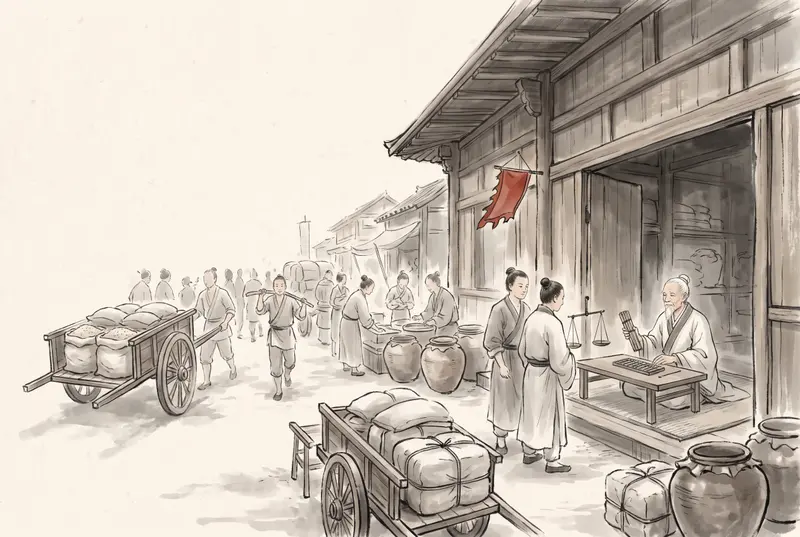
范蠡浮海出齊,變姓名,自謂鴟夷子皮,耕于海畔,苦身戮力,父子治産。居無幾何,致産數十萬。齊人聞其賢,以爲相。范蠡喟然嘆曰:「居家則致千金,居官則至卿相,此布衣之極也。久受尊名,不祥。」乃歸相印,盡散其財,以分與知友鄕黨,而懷其重寶,閒行以去,止于陶,以爲此天下之中,交易有無之路通,爲生可以致富矣。於是自謂陶朱公。復約要父子耕畜,廢居,候時轉物,逐什一之利。居無何,則致貲累巨萬。天下稱陶朱公。
書き下し文
范蠡海に浮かびて斉に出で、姓名を変え、自ら鴟夷子皮と謂い、海畔に耕し、身を苦しめ力を戮わせ、父子産を治む。居ること幾何も無くして、産数十万を致す。斉人其の賢なるを聞き、以て相と為す。范蠡喟然として嘆じて曰く、「家に居りては則ち千金を致し、官に居りては則ち卿相に至る。此れ布衣の極みなり。久しく尊名を受くるは、不祥なり」と。乃ち相印を帰し、尽く其の財を散じて、以て知友・郷党に分与し、而して其の重宝を懐きて、間行して以て去り、陶に止まる。以為えらく、此れ天下の中にして、有無を交易するの路通ず。生を為して以て富を致すべし、と。是に於いて自ら陶朱公と謂う。復た約要して父子耕畜し、廃居して、時を候ちて物を転じ、什一の利を逐う。居ること何も無くして、則ち貲を致すこと巨万を累ぬ。天下陶朱公を称す。
現代語訳
范蠡は海に出て斉へ行き、名前を変えて、鴟夷子皮と名のった。海辺で田を耕し、身を粉にして働き、親子で財産を築いた。しばらくすると、財産は数十万にもなった。斉の人々は范蠡が賢いと聞いて、宰相にした。范蠡はため息をついて言った。「家にいれば千金の富を築き、官職につけば宰相にまでなる。これは庶民としての最高の出世だ。いつまでも尊い名を受けているのは、縁起がよくない」。そこで宰相の印を返し、財産をすべて手放して、友人や村の人々に分け与えた。そして貴重な宝だけを懐に入れて、ひそかに斉を去り、陶にとどまった。陶は天下の真ん中で、品物をやりとりする道が四方に通じているので、商売をすれば富を築けると考えたのである。そこで陶朱公と名のった。また親子で約束を固めて、田を耕し家畜を飼い、品物を買いためては、時機を見て売り、一割の利益を追い求めた。しばらくすると、財産は何万金にもなった。天下の人々は陶朱公の名をたたえた。
英訳
Fan Li sailed out to sea and landed in Qi. He changed his name, calling himself Chiyi Zipi, "Master Wineskin," and farmed by the shore. Working himself hard, he and his sons built up their fortune, and before long they had several hundred thousand. When the people of Qi heard how able he was, they made him chief minister. Fan Li sighed and said, "At home I have made a thousand pieces of gold, and in office I have risen to chief minister. For a commoner, this is as high as one can go. To hold an honored name for long brings bad luck." So he returned the seal of office, gave away all his wealth to his friends and neighbors, and, keeping only his most precious treasures, slipped away and settled in Tao. He reasoned that Tao was the center of the realm, where the roads for trading goods met, and that a living made there could bring riches. So he called himself Lord Zhu of Tao. Again he and his sons agreed to work together, farming and raising livestock, storing up goods and selling them when the time was right, and seeking a ten-percent profit. Before long his wealth ran to tens of thousands of gold pieces, and the whole realm praised Lord Zhu of Tao.
解説(日)
- 鴟夷子皮: 「革の酒袋の先生」の意味。伍子胥の遺体が鴟夷(革袋)に入れて流されたこと(巻66の章を参照)に結びつける説もある。
- 戮力: 力を合わせる。
- 布衣: 庶民。
- 不祥: 縁起がよくない。
- 相印: 宰相の印。
- 陶: 今の山東省定陶(菏沢市)のあたり。交通の要地。
- 陶朱公: 范蠡が名のった名前。のちに大金持ちの代名詞になった。
- 廢居: 品物を安いときに買いためておく。
- 什一之利: 一割の利益。
- 巨萬: 何万金という大きな財産。
- このあと(省略): 陶朱公の次男が楚で人を殺し、長男が金を惜しんで弟を救えなかった話が続く。
解説(英)
- Chiyi Zipi: roughly "Master Wineskin." Some link the name to the leather sack in which Wu Zixu's body was thrown into the river (see Volume 66).
- 戮力: to join forces, work hard together.
- 布衣 ("cloth clothes"): a commoner.
- 不祥: bad luck.
- 相印: the seal of a chief minister.
- Tao: near present-day Dingtao (Heze) in Shandong, a crossroads of trade.
- Lord Zhu of Tao (陶朱公): the name Fan Li took; it later became a byword for a rich man.
- 廢居: buying up goods when they are cheap and storing them.
- 什一之利: a ten-percent profit.
- 巨萬: a fortune of tens of thousands.
- After this (left out here): the story of how Lord Zhu's second son killed a man in Chu, and his eldest son, unwilling to part with money, failed to save him.
英語の語注
- shore/ʃɔr/noun
the land along the edge of the sea or a lake
本文では: “farmed by the shore”
似た語と違い: coast — land next to the sea · seaside — the area by the sea
- fortune/ˈfɔrtʃən/noun
a large amount of money
本文では: “built up their fortune”
似た語と違い: wealth — riches · riches — a lot of money and goods
Fortune also means luck.
- seal/siːl/noun
a stamp used to print an official mark, showing someone's authority
本文では: “returned the seal of office”
似た語と違い: stamp — a tool that prints a mark · emblem — a sign of office
- livestock/ˈlaɪvˌstɑk/noun
animals kept on a farm, such as cattle and pigs
本文では: “raising livestock”
似た語と違い: cattle — cows and bulls · herds — groups of farm animals
節 12
原文
太史公曰:禹之功大矣,漸九川,定九州,至于今諸夏艾安。及苗裔句踐,苦身焦思,終滅彊呉,北觀兵中國,以尊周室,號稱霸王。句踐可不謂賢哉!蓋有禹之遺烈焉。范蠡三遷皆有榮名,名垂後世。臣主若此,欲毋顯得乎!
書き下し文
太史公曰く、禹の功大なり。九川を漸し、九州を定め、今に至るまで諸夏艾安す。苗裔の句践に及び、身を苦しめ思いを焦がし、終に彊呉を滅ぼし、北のかた兵を中国に観わし、以て周室を尊び、号して霸王と称す。句践賢と謂わざるべけんや。蓋し禹の遺烈有らん。范蠡三たび遷りて皆栄名有り、名後世に垂る。臣主此くの若くんば、顕るる毋からんと欲するも得んや。
現代語訳
太史公(司馬遷)は言う。禹の功績は偉大である。たくさんの川の水を流して、天下の九つの州を定め、今に至るまで中国は安らかである。その遠い子孫の句践の代になると、身を苦しめ思いつめて、ついに強国の呉を滅ぼし、北の中原の国々に兵の力を見せつけ、周の王室をたてて、覇王と呼ばれた。句践をすぐれた君主と言わずにいられようか。禹の残した偉業が、そこに受け継がれていたのだろう。范蠡は三度住む場所を移したが、どこでも名誉ある名を得て、その名は後の世に伝わった。家臣と君主がこのようであれば、名を知られまいとしても無理というものだ。
英訳
The Grand Historian says: great was the achievement of Yu! He drained the nine rivers and settled the nine provinces, and to this day the Chinese states live in peace. When it came to his distant descendant Goujian, he punished his body and tormented his mind until at last he destroyed mighty Wu, paraded his troops before the central states, honored the house of Zhou, and was called overlord. Can Goujian not be called worthy? Surely the legacy of Yu lived on in him. Fan Li changed his home three times, and everywhere he won an honored name that has come down to later ages. With a lord and a minister like these, how could they have stayed unknown even if they had tried?
解説(日)
- 漸九川: たくさんの川の水を流す。「九」は数が多いこと。
- 九州: 禹が定めたとされる天下の九つの地域。
- 諸夏: 中原の国々、中国。
- 艾安: 安らかに治まる。
- 遺烈: 祖先が残した偉業。
- 三遷: 越・斉・陶の三か所に住み、それぞれで名をあげたこと。
解説(英)
- 漸九川: draining the nine (that is, many) rivers.
- The nine provinces: the regions into which Yu is said to have divided the realm.
- 諸夏: the Chinese states of the central plain.
- 艾安: at peace.
- 遺烈: the legacy of an ancestor's great deeds.
- Three homes (三遷): Yue, Qi and Tao, where he made his name each time.
英語の語注
- legacy/ˈlɛɡəsi/noun
something left behind by people who lived before
本文では: “the legacy of Yu”
似た語と違い: heritage — what is passed down · inheritance — what someone leaves to others
- parade/pəˈreɪd/verb
to march troops in public to show power
本文では: “paraded his troops”
似た語と違い: display — show openly · march — walk in step