列伝 · 巻 64
司馬穰苴列伝 司馬穰苴列傳
「将が軍中にあるときは、君命でも受けないことがある」 將在軍,君令有所不受
春秋時代の斉の名将、司馬穰苴(田穰苴)の物語。晋と燕に攻められて斉が敗れたとき、宰相の晏嬰は田氏の庶子の穰苴を将軍に推した。身分の低い穰苴は、兵を従わせるため、景公の寵臣荘賈を監軍に迎えたいと願い出た。荘賈は「明日の正午に陣門で会おう」という約束に、見送りの酒宴で遅れて夕方にやって来た。穰苴は軍法に照らして荘賈を斬り、全軍がふるえあがった。荘賈を許す使者が陣に駆けこんでくると、穰苴は「将が軍中にあるときは、君命でも受けないことがある」と言い、使者の御者と車の飾りを斬って見せしめにした。一方で穰苴は兵の寝る所や食べ物、病人の世話を自ら見てまわり、自分の食料を兵と平等に分けたので、病人までが戦いに加わりたいと願った。晋と燕の軍はこれを聞いて引き上げた。のちに穰苴は讒言にあって退けられ病死したが、その兵法は斉の威王によって「司馬穰苴兵法」としてまとめられた。
この巻のうち「「将が軍中にあるときは、君命でも受けないことがある」」の場面を載せています。巻の全文ではありません。
音声
音声は合成音声です。
動画
節 1
原文
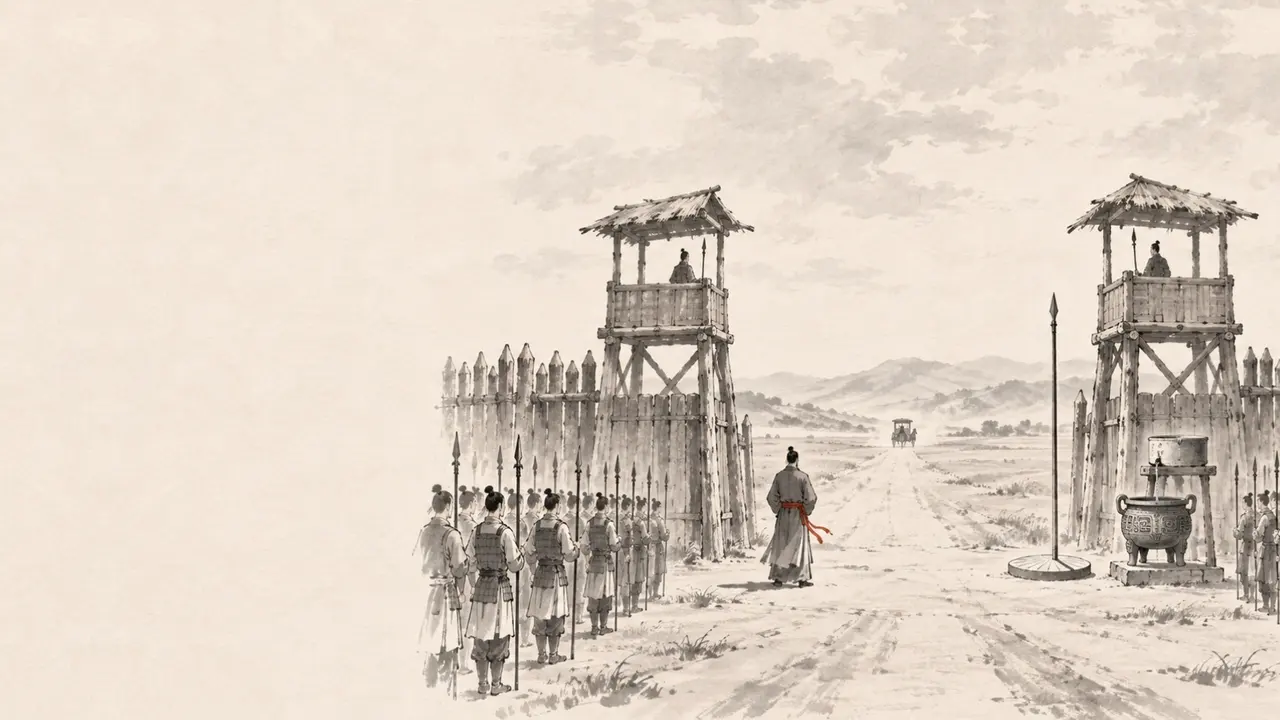
司馬穰苴者,田完之苗裔也。齊景公時,晉伐阿、甄,而燕侵河上,齊師敗績。景公患之。晏嬰乃薦田穰苴曰:「穰苴雖田氏庶孽,然其人文能附眾,武能威敵,願君試之。」景公召穰苴,與語兵事,大說之,以為將軍,將兵捍燕晉之師。穰苴曰:「臣素卑賤,君擢之閭伍之中,加之大夫之上,士卒未附,百姓不信,人微權輕,願得君之寵臣,國之所尊,以監軍,乃可。」於是景公許之,使莊賈往。
書き下し文
司馬穰苴は、田完の苗裔なり。斉の景公の時、晋阿・甄を伐ち、而して燕河上を侵し、斉の師敗績す。景公之を患う。晏嬰乃ち田穰苴を薦めて曰く、「穰苴は田氏の庶孽なりと雖も、然れども其の人文は能く衆を附け、武は能く敵を威す。願わくは君之を試みよ」と。景公穰苴を召し、与に兵事を語り、大いに之を説び、以て将軍と為し、兵を将いて燕・晋の師を捍がしむ。穰苴曰く、「臣素より卑賤なり。君之を閭伍の中より擢き、之を大夫の上に加う。士卒未だ附かず、百姓信ぜず、人微にして権軽し。願わくは君の寵臣、国の尊ぶ所を得て、以て軍を監せしめば、乃ち可ならん」と。是に於いて景公之を許し、荘賈をして往かしむ。
現代語訳
司馬穰苴は、田完(陳完)の子孫である。斉の景公のとき、晋が阿と甄を攻め、燕が黄河のほとりに侵入して、斉の軍は大敗した。景公はこれを心配した。そこで晏嬰が田穰苴を推薦して言った。「穰苴は田氏の側室の家の出ですが、その人柄は、文においては人々を心服させ、武においては敵を恐れさせます。どうか殿、試しに用いてみてください」。景公は穰苴を呼んで戦のことを語り合い、大いに気に入って将軍に任じ、兵を率いて燕と晋の軍を防がせた。穰苴は言った。「わたしはもともと身分の低い者です。殿はわたしを村の民の中から抜き出して、大夫たちの上に置かれました。兵士たちはまだ従わず、民は信じておらず、身分が低くて権威が軽いのです。どうか殿の寵臣で、国中が尊ぶお方を監軍としていただければ、うまくいくでしょう」。そこで景公はこれを許し、荘賈を行かせることにした。
英訳
Sima Rangju was a descendant of Tian Wan. In the time of Duke Jing of Qi, Jin attacked E and Zhen, Yan raided the land along the Yellow River, and the armies of Qi were badly beaten. Duke Jing was worried. Then Yan Ying recommended Tian Rangju, saying: "Though Rangju comes from a lesser branch of the Tian, he is a man who in peace can win the people's loyalty and in war can strike fear into the enemy. I beg you to try him." Duke Jing summoned Rangju and talked with him about war, and was so pleased with him that he made him a general and sent him with an army to hold off the forces of Yan and Jin. Rangju said: "I have always been of low birth. You have raised me from among the common people and set me above the great officers. The soldiers do not yet follow me, the people do not trust me; I am of little account and my authority is light. If I could have one of your favourite ministers, a man the whole state honours, to inspect the army, it would work." Duke Jing agreed, and sent Zhuang Jia.
解説(日)
- 田完: 陳完。斉に亡命した陳の公子で、田氏の祖(046-tian-wan の章)。
- 庶孽: 正妻でない女性の生んだ子、またはその家系。
- 晏嬰: 斉の名宰相(062-guan-yan の章)。
- 監軍: 君主の代理として軍を監督する役。穰苴は自分の権威の弱さを補うために、あえて寵臣を求めた。
解説(英)
- Tian Wan (田完): Chen Wan, the prince of Chen who fled to Qi and founded the Tian clan (chapter 046).
- A lesser branch (庶孽): a line descended from a concubine.
- Yan Ying (晏嬰): the great chancellor of Qi (chapter 062).
- Army inspector (監軍): the ruler's representative with the army; Rangju asked for one to make up for his own lack of standing.
英語の語注
- descendant/dɪˈsɛndənt/noun
a person born later in the same family line
本文では: “a descendant of Tian Wan”
似た語と違い: heir — one who inherits · offspring — children
- authority/əˈθɔrəti/noun
the power to give orders
本文では: “my authority is light”
似た語と違い: power — control · command — right to order
節 2
原文
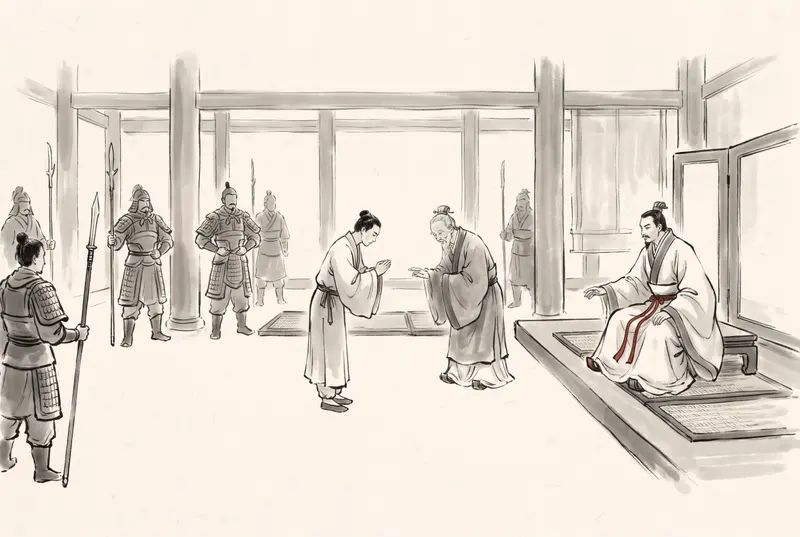
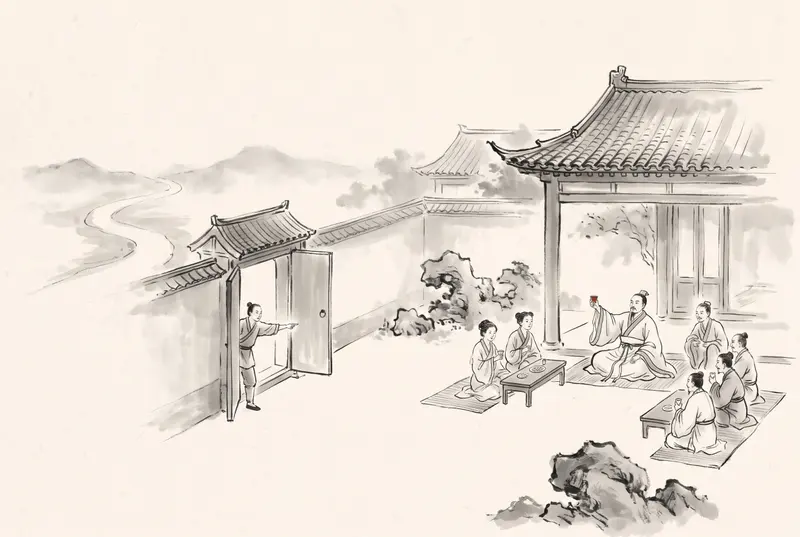
穰苴既辭,與莊賈約曰:「旦日日中會於軍門。」穰苴先馳至軍,立表下漏待賈。賈素驕貴,以為將己之軍而己為監,不甚急;親戚左右送之,留飲。日中而賈不至。穰苴則仆表決漏,入,行軍勒兵,申明約束。約束既定,夕時,莊賈乃至。穰苴曰:「何後期為?」賈謝曰:「不佞大夫親戚送之,故留。」穰苴曰:「將受命之日則忘其家,臨軍約束則忘其親,援枹鼓之急則忘其身。今敵國深侵,邦內騷動,士卒暴露於境,君寢不安席,食不甘味,百姓之命皆懸於君,何謂相送乎!」召軍正問曰:「軍法期而後至者云何?」對曰:「當斬。」莊賈懼,使人馳報景公,請救。既往,未及反,於是遂斬莊賈以徇三軍。三軍之士皆振慄。
書き下し文
穰苴既に辞し、荘賈と約して曰く、「旦日日中に軍門に会せん」と。穰苴先に馳せて軍に至り、表を立て漏を下して賈を待つ。賈素より驕貴なり。以為えらく己の軍に将たりて己監と為ると。甚だ急がず。親戚左右之を送り、留まりて飲む。日中にして賈至らず。穰苴則ち表を仆し漏を決し、入りて、軍を行り兵を勒し、約束を申明す。約束既に定まり、夕時に、荘賈乃ち至る。穰苴曰く、「何ぞ期に後るるを為す」と。賈謝して曰く、「不佞なる大夫親戚之を送る。故に留まる」と。穰苴曰く、「将は命を受くるの日には則ち其の家を忘れ、軍に臨みて約束すれば則ち其の親を忘れ、枹を援りて鼓つの急なれば則ち其の身を忘る。今敵国深く侵し、邦内騒動し、士卒境に暴露し、君寝ぬるに席に安んぜず、食らうに味を甘しとせず、百姓の命皆君に懸かる。何ぞ相送ると謂わんや」と。軍正を召して問いて曰く、「軍法に期して後れて至る者は云何」と。対えて曰く、「当に斬るべし」と。荘賈懼れ、人をして馳せて景公に報じ、救いを請わしむ。既に往きて、未だ反るに及ばざるに、是に於いて遂に荘賈を斬りて以て三軍に徇う。三軍の士皆振慄す。
現代語訳
穰苴は景公のもとを辞すると、荘賈と約束した。「明日の正午に陣の門で会いましょう」。穰苴は先に馬を走らせて陣に着き、日時計の柱を立て、水時計の水をたらして荘賈を待った。荘賈はふだんからおごって身分を鼻にかけていたので、自分の軍に自分が監軍として行くのだと思い、あまり急がなかった。親戚や側近が見送りに来て、引きとめて酒を飲んだ。正午になっても荘賈は来なかった。穰苴は日時計の柱を倒し、水時計の水を捨てて陣に入り、軍を見回って兵を整え、軍の決まりをはっきりと言いわたした。決まりが定まった夕方になって、荘賈がようやくやって来た。穰苴は言った。「なぜ約束に遅れたのか」。荘賈はわびて言った。「ふつつかながら、大夫や親戚が見送ってくれたので、引きとめられたのです」。穰苴は言った。「将は命令を受けた日には家を忘れ、軍に臨んで決まりを定めれば身内を忘れ、ばちを取って太鼓を打つ急な時には自分の身を忘れるものだ。いま敵国は深く攻め入り、国の中は騒ぎ乱れ、兵士は国境で野ざらしになり、殿は寝ても落ち着かず、食べても味が分からない。民の命は皆殿にかかっている。見送りなどと言っている場合か」。そして軍正(軍の法官)を呼んでたずねた。「軍法では、約束に遅れた者はどうなるか」。軍正は答えた。「斬罪にあたります」。荘賈は恐れて、人を馬で走らせて景公に知らせ、救いを求めた。使いが出ていって、まだ戻らないうちに、穰苴は荘賈を斬り、全軍に見せしめにした。全軍の兵士は皆ふるえあがった。
英訳
When Rangju had taken his leave, he agreed with Zhuang Jia: "We will meet at the camp gate at noon tomorrow." Rangju galloped ahead to the camp, set up a sundial pole and a water clock, and waited for Zhuang Jia. Zhuang Jia had always been proud and haughty. He thought that since it was his own army and he was its inspector, there was no great hurry. His relatives and friends came to see him off, and he stayed to drink with them. Noon came, and Zhuang Jia had not arrived. Rangju knocked down the pole, emptied the water clock, went in, reviewed the troops, put them in order, and announced the regulations. When the regulations had been settled, in the evening, Zhuang Jia at last arrived. Rangju said: "Why are you late?" Zhuang Jia apologised: "My unworthy self was seen off by officers and relatives, so I was delayed." Rangju said: "On the day a general receives his orders, he forgets his home; when he takes command of the army and sets its rules, he forgets his family; when he seizes the drumstick in the heat of battle, he forgets himself. Now the enemy has struck deep into our land, the whole state is in turmoil, our soldiers lie exposed on the frontier, our lord cannot rest on his mat or taste his food, and the lives of the people all hang on him. What is this talk of seeing you off?" He called the army judge and asked: "Under military law, what happens to one who comes late to an appointed meeting?" He answered: "He is beheaded." Zhuang Jia was frightened and sent a man galloping to tell Duke Jing and beg for help. But before the man could return, Rangju beheaded Zhuang Jia and displayed him to the three armies. Every soldier in the three armies trembled.
解説(日)
- 表・漏: 日時計の柱と水時計。約束の時刻を正確に計った。
- 軍正: 軍の法をつかさどる官。
- 三軍: 上軍・中軍・下軍。全軍のこと。
- 孫武が呉王の寵姫を斬った話(065-sunzi の章)と並んで、軍律の厳しさを示す代表的な話とされる。
解説(英)
- Sundial pole and water clock (表・漏): to mark the appointed hour exactly.
- Army judge (軍正): the officer in charge of military law.
- Often paired with Sunzi beheading the king's concubines as a lesson in discipline (chapter 065).
英語の語注
- haughty/ˈhɔti/adjective
proud and looking down on others
本文では: “proud and haughty”
似た語と違い: arrogant — too proud · lofty — superior in manner
- behead/bɪˈhɛd/verb
to kill someone by cutting off the head
本文では: “He is beheaded”
似た語と違い: decapitate — cut off the head · execute — put to death
節 3
原文
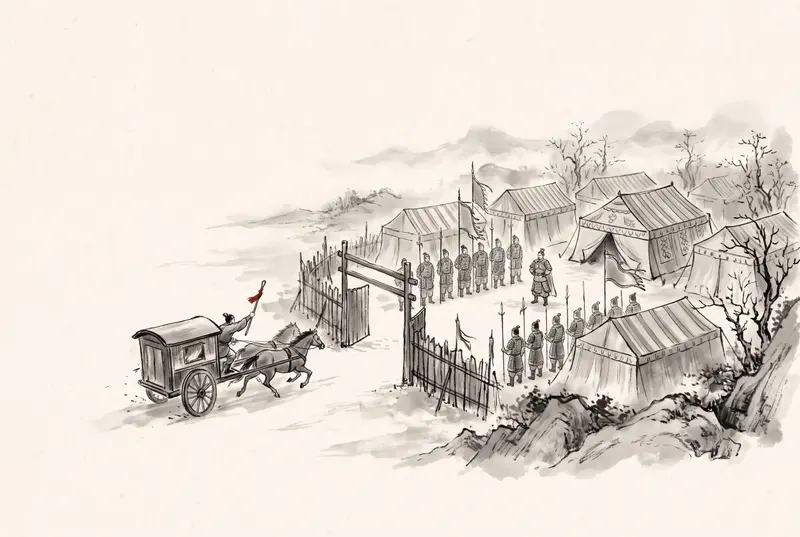
久之,景公遣使者持節赦賈,馳入軍中。穰苴曰:「將在軍,君令有所不受。」問軍正曰:「馳三軍法何?」正曰:「當斬。」使者大懼。穰苴曰:「君之使不可殺之。」乃斬其僕、車之左駙、馬之左驂,以徇三軍。遣使者還報,然後行。
書き下し文
之を久しくして、景公使者をして節を持して賈を赦さしめ、馳せて軍中に入る。穰苴曰く、「将軍に在りては、君の令も受けざる所有り」と。軍正に問いて曰く、「三軍に馳する法は何ぞ」と。正曰く、「当に斬るべし」と。使者大いに懼る。穰苴曰く、「君の使いは之を殺すべからず」と。乃ち其の僕、車の左駙、馬の左驂を斬り、以て三軍に徇う。使者をして還りて報ぜしめ、然る後に行く。
現代語訳
しばらくして、景公は使者に割り符を持たせて荘賈を許すよう命じ、使者は馬を走らせて陣の中に駆けこんできた。穰苴は言った。「将が軍中にあるときは、君命であっても受けないことがある」。そして軍正にたずねた。「陣の中で馬を走らせた者は、軍法ではどうなるか」。軍正は言った。「斬罪にあたります」。使者はひどく恐れた。穰苴は言った。「殿の使者を殺すわけにはいかない」。そこで使者の御者と、車の左の添え木、左の添え馬を斬って、全軍に見せしめにした。使者を帰らせて報告させ、それから出陣した。
英訳
Some time later, Duke Jing sent a messenger bearing his staff of office to pardon Zhuang Jia, and he galloped straight into the camp. Rangju said: "When a general is with his army, there are orders even from his lord that he does not accept." He asked the army judge: "What is the law for one who gallops through the camp?" The judge said: "He is beheaded." The messenger was terrified. Rangju said: "My lord's messenger may not be killed." So he beheaded the messenger's driver, cut off the left shaft-pole of his carriage, and killed the left outer horse, and displayed them to the three armies. He sent the messenger back to report, and then the army set out.
解説(日)
- 節: 君主の使者であることを示す割り符の旗。
- 將在軍,君令有所不受: 戦場の将は、現場の判断で君主の命令にも従わないことがある。孫子にも同じ考えがある(065-sunzi の章)。
- 左駙・左驂: 車の左側の添え木と、四頭立ての左外側の馬。使者を殺さずに、軍律の重さを示した。
解説(英)
- Staff of office (節): the token of a ruler's envoy.
- "When a general is with his army…" (將在軍,君令有所不受): the same principle appears in Sunzi (chapter 065).
- Shaft-pole and outer horse: he spared the envoy but still upheld the law.
この節から生まれた言葉: 将、軍に在りては君命も受けざる所有り
英語の語注
- pardon/ˈpɑrdən/verb
to officially forgive someone and cancel the punishment
本文では: “to pardon Zhuang Jia”
似た語と違い: forgive — let off · spare — not punish
- terrified/ˈtɛrəˌfaɪd/adjective
very frightened
本文では: “The messenger was terrified”
似た語と違い: petrified — frozen with fear · scared — afraid
節 4
原文
士卒次舍井灶飲食問疾醫藥,身自拊循之。悉取將軍之資糧享士卒,身與士卒平分糧食。最比其羸弱者,三日而後勒兵。病者皆求行,爭奮出為之赴戰。晉師聞之,為罷去。燕師聞之,度水而解。於是追擊之,遂取所亡封內故境而引兵歸。未至國,釋兵旅,解約束,誓盟而後入邑。景公與諸大夫郊迎,勞師成禮,然後反歸寢。既見穰苴,尊為大司馬。田氏日以益尊於齊。
書き下し文
士卒の次舎・井灶・飲食・問疾・医薬、身自ら之を拊循す。悉く将軍の資糧を取りて士卒に享け、身は士卒と糧食を平分す。最も其の羸弱なる者に比し、三日にして而る後に兵を勒す。病む者も皆行かんことを求め、争い奮いて出でて之が為に赴き戦わんとす。晋の師之を聞き、為に罷めて去る。燕の師之を聞き、水を度りて解く。是に於いて追いて之を撃ち、遂に亡いし所の封内の故の境を取りて兵を引きて帰る。未だ国に至らざるに、兵旅を釈き、約束を解き、誓盟して而る後に邑に入る。景公諸大夫と郊迎し、師を労いて礼を成し、然る後に反りて寝に帰る。既に穰苴に見え、尊びて大司馬と為す。田氏日に以て益々斉に尊し。
現代語訳
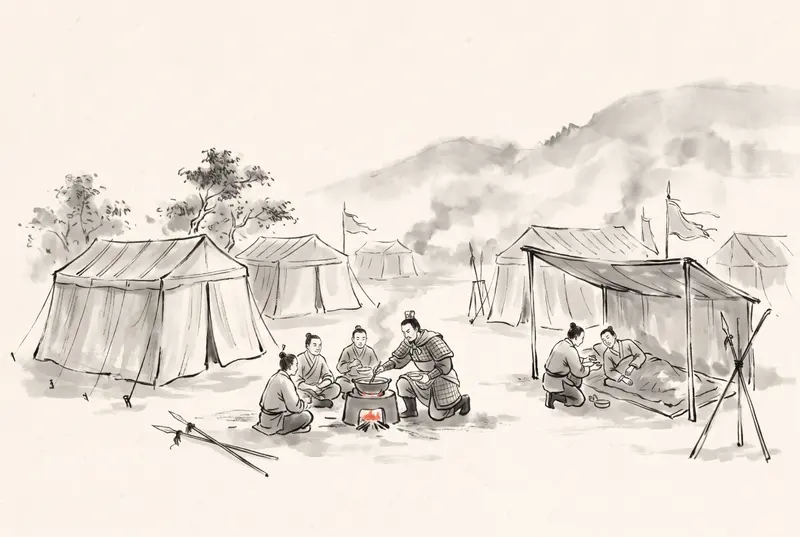
穰苴は、兵士の宿営、井戸やかまど、飲み食い、病人の見舞いや薬のことまで、自ら見て回っていたわった。将軍としての自分の食料はすべて兵士にふるまい、自分は兵士と同じだけの食料を分けて食べた。とりわけ体の弱い者に合わせて三日間休ませてから、兵を整えた。すると病人までが皆出陣したいと願い、先を争って奮い立ち、穰苴のために戦おうとした。晋の軍はこれを聞いて引き上げ、燕の軍もこれを聞いて川を渡って退いた。そこで追撃して、奪われていた国内のもとの領土を取り返して兵を引き上げた。都に着く前に武装を解き、軍の決まりをといて、誓いを立ててから都に入った。景公は大夫たちと郊外まで出迎え、軍をねぎらって礼を尽くしてから、寝所に戻った。景公は穰苴に会うと、大司馬として尊んだ。田氏は日ごとに斉で重んじられるようになった。
英訳
He saw for himself to the soldiers' quarters, their wells and stoves, their food and drink, visits to the sick and their medicine, and cared for them all. He gave all his own provisions as a general to the soldiers, and shared out the rations equally between himself and them. He matched the pace to the weakest of them, and only after three days did he put the army in order. Then even the sick all asked to go, and vied with one another to march out and fight for him. When the army of Jin heard of it, it gave up and withdrew. When the army of Yan heard of it, it crossed back over the river and broke up. Then Rangju pursued and attacked them, won back all the old lands within the borders that had been lost, and led his army home. Before reaching the capital he disbanded the troops, lifted the regulations, and swore an oath before entering the city. Duke Jing and his officers came out to the edge of the city to meet him, rewarded the army with full ceremony, and only then went back to the palace. When the duke had received Rangju, he honoured him with the title of Grand Marshal. From then on the Tian grew more honoured in Qi day by day.
解説(日)
- 拊循: なでいたわること。厳しい軍律と、兵への深い思いやりの両方が穰苴の強さだった。
- 大司馬: 軍事の最高官。穰苴が「司馬穰苴」と呼ばれるのはこの官名による。
- 田氏日以益尊於齊: 穰苴の出世も、田氏が斉の実権を握っていく流れの一つだった(046-tian-wan の章)。
解説(英)
- Cared for them (拊循): strict discipline and deep care for his men were both his strength.
- Grand Marshal (大司馬): the highest military office, from which he is called Sima Rangju.
- His rise was part of the Tian clan's growing power in Qi (chapter 046).
英語の語注
- provisions/prəˈvɪʒənz/noun
supplies of food and other necessities
本文では: “all his own provisions”
似た語と違い: supplies — stocks · rations — fixed amounts of food
- vie/vaɪ/verb
to compete eagerly with others
本文では: “vied with one another”
似た語と違い: compete — try to win · contend — struggle
節 5
原文
已而大夫鮑氏、高、國之屬害之,譖於景公。景公退穰苴,苴發疾而死。田乞、田豹之徒由此怨高、國等。其後及田常殺簡公,盡滅高子、國子之族。至常曾孫和,因自立為齊威王,用兵行威,大放穰苴之法,而諸侯朝齊。齊威王使大夫追論古者司馬兵法而附穰苴於其中,因號曰司馬穰苴兵法。
書き下し文
已にして大夫鮑氏・高・国の属之を害み、景公に譖す。景公穰苴を退く。苴疾を発して死す。田乞・田豹の徒此れに由りて高・国等を怨む。其の後田常の簡公を殺すに及び、尽く高子・国子の族を滅ぼす。常の曾孫和に至り、因りて自立して斉の威王と為る。兵を用い威を行い、大いに穰苴の法に放いて、諸侯斉に朝す。斉の威王大夫をして古の司馬兵法を追論せしめて穰苴を其の中に附し、因りて号して司馬穰苴兵法と曰う。
現代語訳
やがて大夫の鮑氏や、高氏・国氏などが穰苴をねたみ、景公に悪口を言った。景公は穰苴を退け、穰苴は病気になって死んだ。田乞や田豹たちは、このために高氏・国氏らを恨んだ。のちに田常が簡公を殺したとき、高氏と国氏の一族をすべて滅ぼした。田常の曾孫の田和の代になって、自ら立って斉の君主となり、その子孫の威王は兵を用いて威勢をふるい、穰苴の兵法に大いにならったので、諸侯は斉に朝見した。斉の威王は大夫たちに古の「司馬兵法」を論じまとめさせ、穰苴の兵法もその中に加えさせた。そこでこれを「司馬穰苴兵法」と呼ぶ。
英訳
Later the officer Bao and the Gao and Guo families grew jealous of him and slandered him to Duke Jing. Duke Jing dismissed Rangju, and Rangju fell ill and died. Tian Qi, Tian Bao and their followers resented the Gao and the Guo for it. Later, when Tian Chang killed Duke Jian, he wiped out the clans of the Gao and the Guo. In the time of Chang's great-grandson He, the Tian made themselves rulers of Qi, and King Wei of Qi made war and spread his power, following Rangju's methods closely, so that the lords came to pay court to Qi. King Wei of Qi had his officers collect and discuss the ancient Methods of the Sima, and added Rangju's to them; so they came to be called the Methods of Sima Rangju.
解説(日)
- 鮑・高・國: 斉の古くからの名門の大夫たち。田氏と勢力を争った。
- 田常: 前481年に簡公を殺し、斉の実権を握った(046-tian-wan の章)。
- 原文では「和、因りて自立して斉の威王と為る」とあるが、実際には田和が斉侯となり、その孫が威王である。
- 司馬法: 古代の兵法書。今に伝わる『司馬法』はその一部とされる。
解説(英)
- The Bao, Gao and Guo: old noble families of Qi, rivals of the Tian.
- Tian Chang (田常): who killed Duke Jian in 481 BCE (chapter 046).
- The text runs Tian He and King Wei together; in fact He became Marquis of Qi and King Wei was his grandson.
- The Methods of the Sima (司馬法): an ancient military text, part of which survives.
英語の語注
- jealous/ˈdʒɛləs/adjective
unhappy because someone else has success or favour
本文では: “grew jealous of him”
似た語と違い: envious — wanting what others have · resentful — bitter
- slander/ˈslændər/verb
to say false and harmful things about someone
本文では: “slandered him to Duke Jing”
似た語と違い: defame — damage a name · malign — speak ill of
節 6
原文
太史公曰:余讀司馬兵法,閎廓深遠,雖三代征伐,未能竟其義,如其文也,亦少褒矣。若夫穰苴,區區為小國行師,何暇及司馬兵法之揖讓乎?世既多司馬兵法,以故不論,著穰苴之列傳焉。
書き下し文
太史公曰く、余司馬兵法を読むに、閎廓深遠にして、三代の征伐と雖も、未だ其の義を竟くす能わず。其の文の如きは、亦た少しく褒めらる。若し夫れ穰苴は、区区として小国の為に師を行る。何ぞ司馬兵法の揖譲に及ぶに暇あらんや。世既に多く司馬兵法あり。故を以て論ぜず、穰苴の列伝を著す。
現代語訳
太史公は言う。わたしが「司馬兵法」を読むと、広大で奥深く、夏・殷・周の三代の戦いでさえ、その道理を尽くしきれなかったほどだ。その文章も、多少ほめすぎなくらいである。穰苴の場合は、小さな国のために軍を率いただけで、「司馬兵法」の説く礼儀正しい戦い方にまで手が回るはずもない。世の中にはすでに「司馬兵法」が多く伝わっているので、ここでは兵法は論じず、穰苴の伝だけを書いた。
英訳
The Grand Historian says: When I read the Methods of the Sima, they are vast and profound; even the wars of the Three Dynasties could not fulfil all their principles, and their writing praises them, if anything, a little too much. As for Rangju, he only led the armies of a small state; how could he have had time for the courteous warfare the Methods of the Sima describe? Since the Methods of the Sima are already widely known, I do not discuss them here, but write the biography of Rangju.
解説(日)
- 揖讓: 礼をつくし、譲り合うこと。古の理想の戦い方を指す。
- 司馬遷は、兵法書の中身よりも、穰苴という人物の行動を書くことを選んだ。孫子・呉起の伝でも同じ態度をとっている(065-sunzi の章)。
解説(英)
- Courteous warfare (揖讓): the idealised warfare of antiquity.
- As with Sunzi and Wu Qi, Sima Qian writes the man rather than the manual (chapter 065).
英語の語注
- profound/prəˈfaʊnd/adjective
very deep in meaning
本文では: “vast and profound”
似た語と違い: deep — not shallow · weighty — serious
- courteous/ˈkɜrtiəs/adjective
polite and following good manners
本文では: “the courteous warfare”
似た語と違い: polite — well-mannered · civil — respectful