列伝 · 巻 107
魏其武安侯列伝 魏其武安侯列傳
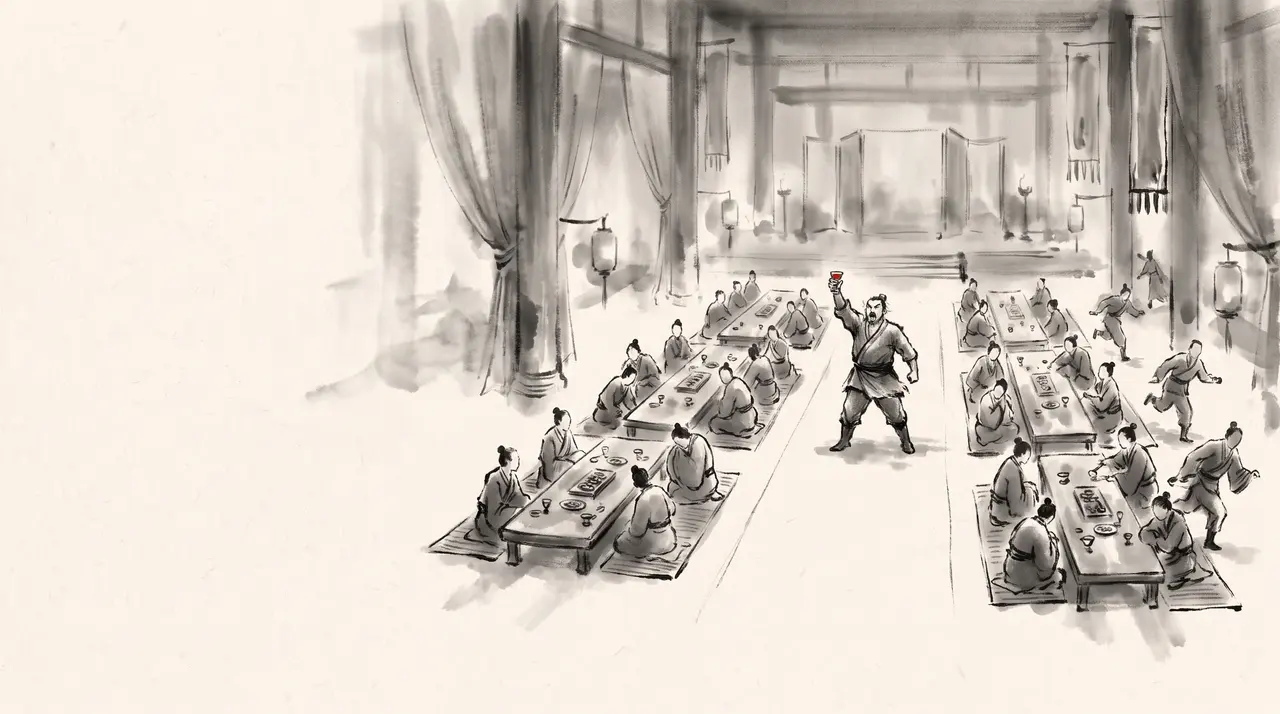
首鼠両端(灌夫、宴席でののしる) 首鼠兩端
景帝から武帝のはじめにかけて、二人の外戚が争った物語。魏其侯竇嬰は文帝の皇后竇氏のおいで、呉楚七国の乱では大将軍として功を立てた。景帝が酒の席で「わしの後は弟の梁王に伝えよう」と言ったとき、「天下は高祖の天下です」といさめて竇太后ににくまれたほどのまっすぐな人だった。武安侯田蚡は景帝の皇后王氏の弟で、武帝が即位すると丞相となり、思うままに役人を任命して「武器庫も取ったらどうだ」と武帝を怒らせるほどおごりたかぶった。竇太后が亡くなって勢いを失った竇嬰に、ただ一人変わらず仕えたのが、酒ぐせの悪い剛直な将軍灌夫だった。田蚡の婚礼の祝宴で、灌夫は田蚡たちの無礼に怒って客をののしり、捕らえられた。竇嬰は灌夫を救おうとし、武帝は東朝(王太后の宮)で二人を論じ合わせたが、群臣ははっきりした意見を言わず、王太后は怒って食事をとらなかった。灌夫は一族ごと処刑され、竇嬰も先帝の詔をいつわったとして斬られた。その春、田蚡は病に倒れ、二人の亡霊に責められるようにして死んだ。
この巻のうち「首鼠両端(灌夫、宴席でののしる)」の場面を載せています。巻の全文ではありません。
音声
音声は合成音声です。
動画
節 1
原文
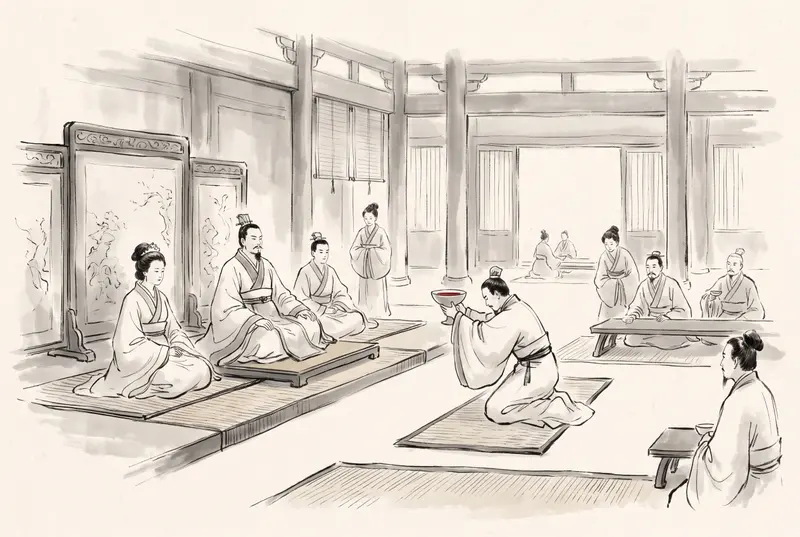
魏其侯竇嬰者,孝文后從兄子也。父世觀津人。喜賓客。孝文時,嬰為吳相,病免。孝景初即位,為詹事。梁孝王者,孝景弟也,其母竇太后愛之。梁孝王朝,因昆弟燕飲。是時上未立太子,酒酣,從容言曰:「千秋之後傳梁王。」太后驩。竇嬰引卮酒進上,曰:「天下者,高祖天下,父子相傳,此漢之約也,上何以得擅傳梁王!」太后由此憎竇嬰。竇嬰亦薄其官,因病免。太后除竇嬰門籍,不得入朝請。
書き下し文
魏其侯竇嬰は、孝文后の従兄の子なり。父の世より観津の人なり。賓客を喜ぶ。孝文の時、嬰呉の相と為り、病みて免ぜらる。孝景初めて即位し、詹事と為る。梁孝王は、孝景の弟なり。其の母竇太后之を愛す。梁孝王朝し、因りて昆弟燕飲す。是の時上未だ太子を立てず。酒酣にして、従容として言いて曰く、「千秋の後梁王に伝えん」と。太后驩ぶ。竇嬰卮酒を引きて上に進めて、曰く、「天下は、高祖の天下なり。父子相伝うるは、此れ漢の約なり。上何を以て擅に梁王に伝うるを得ん」と。太后此れに由りて竇嬰を憎む。竇嬰も亦た其の官を薄んじ、病に因りて免ぜらる。太后竇嬰の門籍を除き、入りて朝請するを得ざらしむ。
現代語訳
魏其侯竇嬰は、孝文帝の皇后(竇太后)のいとこの子である。父の代から観津の人で、客を招くのが好きだった。孝文帝のとき、竇嬰は呉の宰相となったが、病気でやめた。孝景帝が即位したばかりのころ、竇嬰は詹事(皇后・太子の家の長官)になった。梁孝王は孝景帝の弟で、母の竇太后にかわいがられていた。梁孝王が朝見に来て、兄弟で酒宴を開いた。このとき帝はまだ太子を立てていなかった。酒がまわると、帝はくつろいで言った。「わしが死んだら、梁王に位を伝えよう」。太后は喜んだ。すると竇嬰は大杯の酒を手にとって帝に差し出し、言った。「天下は高祖の天下です。父から子へ伝えるのが漢の決まりです。陛下が勝手に梁王に伝えることなどできましょうか」。太后はこれ以来竇嬰をにくんだ。竇嬰も詹事の官を軽く見て、病気を理由にやめた。太后は竇嬰の名を宮門の名簿から消し、朝見に来られないようにした。
英訳
Dou Ying, Marquis of Weiqi, was the son of a cousin of Emperor Wen's empress. His family had lived at Guanjin since his father's time, and he loved to entertain guests. Under Emperor Wen he was chancellor of Wu, but left because of illness. When Emperor Jing first came to the throne, he became steward of the empress's household. King Xiao of Liang was Emperor Jing's younger brother, and their mother, Empress Dowager Dou, doted on him. When the King of Liang came to court, the brothers drank together. At that time the emperor had not yet named an heir. When the wine was flowing, he said lightly: "After I have gone, I will pass the throne to the King of Liang." The empress dowager was delighted. Dou Ying picked up a cup of wine, offered it to the emperor, and said: "The realm is Gaozu's realm. To pass it from father to son is the law of Han. How can Your Majesty pass it to the King of Liang as you please?" From then on the empress dowager hated Dou Ying. Dou Ying too thought little of his office, and left it on grounds of illness. The empress dowager struck his name from the palace gate register, so that he could not come to court.
解説(日)
- 竇太后: 文帝の皇后で景帝の母。黄老の学を好み、武帝の初めまで大きな力をもった。
- 千秋之後: 千年の後。自分が死んだ後のことを遠回しに言う言葉。
- 門籍: 宮門の出入りを許された者の名簿。
- この後、竇嬰は呉楚七国の乱で大将軍となり、魏其侯に封ぜられた(106-liu-pi の章)。
解説(英)
- Empress Dowager Dou (竇太后): Emperor Wen's empress and Emperor Jing's mother, a follower of Huang-Lao thought and a power until early in Emperor Wu's reign.
- After I have gone (千秋之後): literally "after a thousand autumns".
- Dou Ying then served as grand general in the Rebellion of the Seven States and was made Marquis of Weiqi (chapter 106).
英語の語注
- dote on/doʊt ɑn/phrasal verb
to love someone very much, often too much
本文では: “doted on him”
似た語と違い: adore — love deeply · spoil — give too much to
- register/ˈrɛdʒɪstər/noun
an official list of names
本文では: “struck his name from the palace gate register”
似た語と違い: roll — official list · record — written list
節 2
原文
武安者,貌侵,生貴甚。又以為諸侯王多長,上初即位,富於春秋,蚡以肺腑為京師相,非痛折節以禮詘之,天下不肅。當是時,丞相入奏事,坐語移日,所言皆聽。薦人或起家至二千石,權移主上。上乃曰:「君除吏已盡未?吾亦欲除吏。」嘗請考工地益宅,上怒曰:「君何不遂取武庫!」是後乃退。嘗召客飲,坐其兄蓋侯南鄉,自坐東鄉,以為漢相尊,不可以兄故私橈。
書き下し文
武安は、貌侵にして、生まれながらにして貴きこと甚だし。又以為えらく、諸侯王多く長じ、上初めて即位して、春秋に富む。蚡肺腑を以て京師の相と為る。痛く節を折りて礼を以て之を詘するに非ずんば、天下粛まずと。是の時に当たり、丞相入りて事を奏し、坐して語ること日を移す。言う所は皆聴かる。人を薦むるに或いは家より起ちて二千石に至る。権主上に移る。上乃ち曰く、「君吏を除くこと已に尽くるや未だしや。吾も亦た吏を除かんと欲す」と。嘗て考工の地を請いて宅を益さんとす。上怒りて曰く、「君何ぞ遂に武庫を取らざる」と。是の後乃ち退く。嘗て客を召して飲む。其の兄蓋侯を坐せしめて南郷し、自ら坐して東郷す。以為えらく漢の相は尊し、兄の故を以て私に橈むべからずと。
現代語訳
武安侯(田蚡)は、背が低く顔も醜かったが、生まれつきこの上なく身分が高かった。そのうえ田蚡はこう考えていた。「諸侯王は年上の者が多く、帝は即位されたばかりでお若い。自分は皇太后の弟という肺腑の親族として都の丞相となったのだから、思いきって彼らをへりくだらせ、礼で押さえつけなければ、天下は引きしまらない」。このころ、丞相の田蚡が宮中に入って政務を申し上げると、座りこんで話しているうちに日が傾くほどで、言うことは皆聞き入れられた。田蚡が推薦すると、無位無官の者がいきなり二千石の高官になることもあり、権力は帝から田蚡に移ってしまった。帝はとうとう言った。「あなたの役人の任命はもう終わったか、まだか。わしも役人を任命したいのだが」。また田蚡が、考工(官営の工房)の土地をもらって屋敷を広げたいと願い出ると、帝は怒って言った。「どうしてついでに武器庫も取らないのか」。それからは田蚡も少しひかえるようになった。あるとき田蚡が客を招いて酒宴を開いたとき、兄の蓋侯を南向きの席に座らせ、自分は東向きの上座に座った。漢の丞相は尊いのだから、兄だからといって私情で曲げてはならない、というのである。
英訳
The Marquis of Wu'an was short and ugly, but he was born to great privilege. Besides, he believed that since many of the kings were older, while the emperor had just come to the throne and was young, he, as a close kinsman who had become chancellor in the capital, had to bend them hard and humble them with ritual, or the realm would not show respect. In those days, when the chancellor went in to report on affairs, he would sit and talk until the shadows moved, and everything he said was approved. Some of the men he recommended rose straight from home to the rank of two thousand dan. Power passed from the ruler to him. The emperor said at last: "Have you finished appointing officials yet? I would like to appoint some too." Once he asked for the land of the imperial workshops to enlarge his house. The emperor said angrily: "Why don't you take the arsenal while you are at it?" After that he held back. Once, when he invited guests to drink, he seated his elder brother, the Marquis of Gai, facing south, and sat himself in the place of honour facing east, saying that the chancellor of Han was a high office and must not be bent for a brother's sake.
解説(日)
- 田蚡: 景帝の皇后王氏(王太后)の同母弟。武帝のおじにあたる。
- 肺腑: 肺と腑。最も近い親族のたとえ。
- 東郷: 宴席では東向きの席が最も上座とされた(007-hongmen の章でも項羽が東向きに座る)。
- 何不遂取武庫: 武器庫まで取ったらどうだ、という痛烈な皮肉。
解説(英)
- Tian Fen (田蚡): younger brother of Emperor Jing's empress Wang, and so Emperor Wu's uncle.
- Close kinsman (肺腑): literally "lungs and bowels".
- Facing east (東郷) was the seat of honour at a feast, as Xiang Yu sat at Hongmen (chapter 007).
- "Why don't you take the arsenal?" (何不遂取武庫): a cutting sarcasm.
英語の語注
- privilege/ˈprɪvəlɪdʒ/noun
a special advantage given to a few people
本文では: “he was born to great privilege”
似た語と違い: advantage — benefit · entitlement — special right
- appoint/əˈpɔɪnt/verb
to choose someone officially for a job
本文では: “I would like to appoint some too”
似た語と違い: name — choose for a post · assign — give a job to
節 3
原文
灌夫為人剛直使酒,不好面諛。貴戚諸有勢在己之右,不欲加禮,必陵之;諸士在己之左,愈貧賤,尤益敬,與鈞。稠人廣眾,薦寵下輩。士亦以此多之。
書き下し文
灌夫人と為り剛直にして酒を使い、面諛を好まず。貴戚の諸々の勢有りて己の右に在るものには、礼を加うるを欲せず、必ず之を陵ぐ。諸士の己の左に在るものは、愈々貧賤なるほど、尤も益々敬い、与に鈞しくす。稠人広衆にて、下輩を薦め寵す。士も亦た此れを以て之を多とす。
現代語訳
(竇太后が亡くなると、竇嬰は勢いを失い、客たちはしだいに離れていったが、ただ灌夫将軍だけは変わらずに竇嬰に仕えた。)灌夫は剛直な人柄で、酒を飲むと気が荒くなり、面と向かってへつらうのが嫌いだった。皇帝の親族で、自分より勢いのある者には、礼をつくそうとせず、必ずやりこめた。自分より身分の低い士人には、貧しく身分が低いほどますます敬い、対等につきあった。大勢の人が集まる場所では、目下の者を推薦して引き立てた。士人たちも、それで灌夫をほめたたえた。
英訳
Guan Fu was blunt and upright by nature. Wine made him wild, and he could not abide flattery to a man's face. With the imperial in-laws and others who had power above him, he would show no courtesy and always put them down. With gentlemen below him, the poorer and humbler they were, the more he respected them, and he treated them as equals. In large gatherings he would recommend and praise those of lower rank, and the gentlemen admired him for it.
解説(日)
- 灌夫: 父の灌孟とともに呉楚七国の乱に従軍し、父の戦死後、数十人で呉の陣に突入して名をあげた(ここでは省く)。
- 使酒: 酒を飲むと気が荒くなること。
- 右・左: 漢では右が上位、左が下位とされた。
解説(英)
- Guan Fu (灌夫): after his father died in the Rebellion of the Seven States, he charged into the enemy camp with a handful of men and became famous (left out here).
- Wine made him wild (使酒).
- Above and below: literally "to his right" and "to his left"; in Han the right was the higher place.
英語の語注
- abide/əˈbaɪd/verb
to accept or bear something (usually with "cannot")
本文では: “could not abide flattery”
似た語と違い: stand — put up with · tolerate — allow
- flattery/ˈflætəri/noun
praise that is not sincere
本文では: “could not abide flattery to a man's face”
似た語と違い: fawning — too eager praise · sweet talk — insincere words
節 4
原文
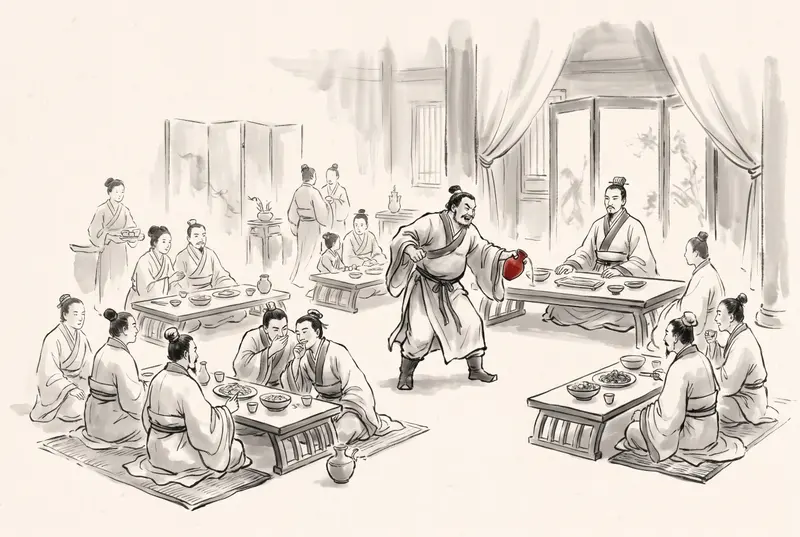
夏,丞相取燕王女為夫人,有太后詔,召列侯宗室皆往賀。魏其侯過灌夫,欲與俱。夫謝曰:「夫數以酒失得過丞相,丞相今者又與夫有郤。」魏其曰:「事已解。」彊與俱。飲酒酣,武安起為壽,坐皆避席伏。已魏其侯為壽,獨故人避席耳,餘半膝席。灌夫不悅。起行酒,至武安,武安膝席曰:「不能滿觴。」夫怒,因嘻笑曰:「將軍貴人也,屬之!」時武安不肯。行酒次至臨汝侯,臨汝侯方與程不識耳語,又不避席。夫無所發怒,乃罵臨汝侯曰:「生平毀程不識不直一錢,今日長者為壽,乃效女兒呫囁耳語!」武安謂灌夫曰:「程李俱東西宮衛尉,今眾辱程將軍,仲孺獨不為李將軍地乎?」灌夫曰:「今日斬頭陷匈,何知程李乎!」坐乃起更衣,稍稍去。魏其侯去,麾灌夫出。
書き下し文
夏、丞相燕王の女を取りて夫人と為す。太后の詔有りて、列侯宗室を召して皆往きて賀せしむ。魏其侯灌夫に過り、与に倶にせんと欲す。夫謝して曰く、「夫数々酒の失を以て過ちを丞相に得たり。丞相今者又た夫と郤有り」と。魏其曰く、「事已に解けたり」と。彊いて与に倶にす。飲酒酣にして、武安起ちて寿を為す。坐皆席を避けて伏す。已にして魏其侯寿を為すに、独り故人のみ席を避け、余は半ば席に膝つくのみ。灌夫悦ばず。起ちて酒を行り、武安に至る。武安席に膝ついて曰く、「觴を満たす能わず」と。夫怒り、因りて嘻笑して曰く、「将軍は貴人なり。之を属せよ」と。時に武安肯えてせず。酒を行りて次に臨汝侯に至る。臨汝侯方に程不識と耳語し、又席を避けず。夫怒りを発する所無く、乃ち臨汝侯を罵りて曰く、「生平程不識を毀りて一銭に直せずとす。今日長者寿を為すに、乃ち女児の呫囁して耳語するに効う」と。武安灌夫に謂いて曰く、「程・李は倶に東西宮の衛尉なり。今衆にて程将軍を辱む。仲孺独り李将軍の為に地せざるか」と。灌夫曰く、「今日頭を斬られ匈を陥さるるとも、何ぞ程・李を知らんや」と。坐乃ち起ちて更衣し、稍々去る。魏其侯去り、灌夫を麾きて出ださんとす。
現代語訳
夏、丞相の田蚡は燕王の娘を妻に迎えた。王太后の詔で、列侯や皇族は皆祝いに行くように命じられた。魏其侯竇嬰は灌夫のところに寄り、一緒に行こうと誘った。灌夫は断って言った。「わたしは何度も酒の上の失敗で丞相の機嫌をそこねていますし、丞相はいまもわたしと仲たがいしています」。竇嬰は「もう仲直りしたではないか」と言って、むりに連れて行った。酒がまわったころ、田蚡が立ち上がって乾杯の音頭をとると、客は皆席から下りてひれ伏した。次に竇嬰が乾杯の音頭をとると、昔なじみの者だけが席から下り、ほかの者は席の上で膝を立てただけだった。灌夫はおもしろくなかった。灌夫が立って酒をついで回り、田蚡のところへ来ると、田蚡は席の上で膝を立てただけで「杯をいっぱいには飲めない」と言った。灌夫は怒ったが、作り笑いをして言った。「将軍は貴いお方です。どうか飲みほしてください」。それでも田蚡は飲もうとしなかった。灌夫が酒をついで回って臨汝侯のところへ来ると、臨汝侯はちょうど程不識と耳打ちしていて、これも席から下りなかった。灌夫は怒りのやり場がなく、臨汝侯をののしった。「ふだんは程不識など一銭の値打ちもないとけなしているくせに、今日は年長者が杯をすすめているのに、女の子のようにひそひそ耳打ちしているのか」。田蚡は灌夫に言った。「程不識と李広は、どちらも東の宮と西の宮の衛尉だ。いま皆の前で程将軍をはずかしめたが、仲孺(灌夫)、あなたは李将軍の顔を立てようとは思わないのか」。灌夫は言った。「今日首を斬られ胸を刺されようとも、程だの李だの知ったことか」。客たちは立ち上がって手洗いに行くふりをして、少しずつ帰っていった。竇嬰も帰ろうとして、灌夫に手招きして連れ出そうとした。
英訳
In summer the chancellor took the daughter of the King of Yan as his wife. By an edict of the empress dowager, all the marquises and members of the imperial clan were summoned to go and offer their congratulations. The Marquis of Weiqi called on Guan Fu and wanted him to come along. Guan Fu excused himself: "I have offended the chancellor many times through drink, and just now he and I have fallen out again." The Marquis of Weiqi said: "That has all been settled," and made him come. When the wine was flowing, the Marquis of Wu'an rose to propose a toast, and all the guests left their mats and bowed low. Then the Marquis of Weiqi proposed a toast, and only his old friends left their mats; the rest merely rose to their knees. Guan Fu was not pleased. He got up to pour wine for the guests, and when he came to the Marquis of Wu'an, the marquis stayed kneeling on his mat and said: "I cannot drain a full cup." Guan Fu was angry, but he laughed and said: "General, you are a great man. Drain it, please!" But the marquis would not. Pouring wine down the line, he came to the Marquis of Linru, who was whispering in Cheng Buzhi's ear and did not leave his mat either. Having nowhere to vent his anger, Guan Fu cursed the Marquis of Linru: "All your life you have said Cheng Buzhi isn't worth a single coin, and now, when an elder offers you a toast, you whisper in his ear like a little girl!" The Marquis of Wu'an said to Guan Fu: "Cheng and Li are both commandants of the guards of the Eastern and Western Palaces. Now you have insulted General Cheng in front of everyone. Have you no thought for General Li's standing, Zhongru?" Guan Fu said: "If my head is cut off today and my chest run through, what do I care about Cheng or Li?" Then the guests got up, saying they had to change their clothes, and slipped away one by one. The Marquis of Weiqi left too, waving to Guan Fu to come out.
解説(日)
- 避席・膝席: 席から下りてひれ伏すのは最も丁寧な礼。席の上で膝を立てるのは略式の礼。客たちは田蚡と竇嬰を露骨に差別した。
- 程不識・李廣: どちらも匈奴と戦った名将。李広は灌夫と親しかった(109-li-guang の章)。
- 仲孺: 灌夫の字。
- 灌夫罵座: 灌夫が宴席で客をののしったこの事件から、酒の席で人をののしることをいう。
解説(英)
- Leaving the mat (避席) was the deepest courtesy; rising to the knees (膝席) a lesser one. The guests openly favoured Tian Fen.
- Cheng Buzhi and Li Guang: two famous generals against the Xiongnu; Li Guang was Guan Fu's friend (chapter 109).
- Zhongru (仲孺): Guan Fu's courtesy name.
英語の語注
- toast/toʊst/noun
a short speech before people drink to someone
本文では: “rose to propose a toast”
似た語と違い: salute — gesture of honour · tribute — words of praise
- vent/vɛnt/verb
to let out a strong feeling
本文では: “Having nowhere to vent his anger”
似た語と違い: let out — release · express — show
節 5
原文
武安遂怒曰:「此吾驕灌夫罪。」乃令騎留灌夫。灌夫欲出不得。籍福起為謝,案灌夫項令謝。夫愈怒,不肯謝。武安乃麾騎縛夫置傳舍,召長史曰:「今日召宗室,有詔。」劾灌夫罵坐不敬,系居室。遂按其前事,遣吏分曹逐捕諸灌氏支屬,皆得棄市罪。魏其侯大媿,為資使賓客請,莫能解。武安吏皆為耳目,諸灌氏皆亡匿,夫系,遂不得告言武安陰事。
書き下し文
武安遂に怒りて曰く、「此れ吾灌夫を驕らせたる罪なり」と。乃ち騎をして灌夫を留めしむ。灌夫出でんと欲するも得ず。籍福起ちて為に謝し、灌夫の項を案じて謝せしむ。夫愈々怒り、肯えて謝せず。武安乃ち騎を麾きて夫を縛りて伝舎に置かしめ、長史を召して曰く、「今日宗室を召すは、詔有り」と。灌夫の坐を罵りて不敬なるを劾し、居室に繫ぐ。遂に其の前事を按じ、吏を遣わして曹を分かちて諸々の灌氏の支属を逐捕せしめ、皆棄市の罪を得たり。魏其侯大いに媿じ、資を為して賓客をして請わしむるも、能く解く莫し。武安の吏皆耳目と為り、諸々の灌氏は皆亡げ匿る。夫は繫がれ、遂に武安の陰事を告げ言うを得ず。
現代語訳
田蚡はとうとう怒って言った。「これは灌夫をつけあがらせたわしの落ち度だ」。そして騎兵に灌夫を引きとめさせた。灌夫は出ようとしたが出られなかった。籍福が立ち上がって灌夫に代わってわび、灌夫の首を押さえて頭を下げさせようとしたが、灌夫はますます怒って、わびようとしなかった。田蚡は騎兵に命じて灌夫を縛り、宿舎に閉じこめた。そして長史を呼んで言った。「今日皇族を招いたのは、太后の詔によるものだ」。こうして、灌夫が宴席で客をののしったのは不敬の罪にあたると訴え、獄につないだ。さらに灌夫の以前の行いを調べ上げ、役人を手分けして送って灌氏の一族を捕らえさせ、皆、市場で死刑となる罪に定めた。竇嬰はひどく恥じ入り、金を出して客たちに頼みこませたが、許してもらうことはできなかった。田蚡の配下の役人は皆、見張りの目となり耳となった。灌氏の一族は皆逃げ隠れ、灌夫は獄につながれていたので、田蚡の秘密を訴え出ることもできなかった。
英訳
At that the Marquis of Wu'an flew into a rage: "This is my fault, for letting Guan Fu grow so arrogant." He had his horsemen hold Guan Fu back, and Guan Fu could not get out. Ji Fu stood up to apologise for him, and pushed down on the back of Guan Fu's neck to make him apologise, but Guan Fu grew angrier still and would not. Then the marquis signalled to his horsemen to tie Guan Fu up and hold him in the guest house. He called his chief clerk and said: "Today the imperial clan was invited here by edict." He charged Guan Fu with disrespect for cursing the company, and had him thrown into prison. Then he looked into Guan Fu's past deeds, and sent officers in separate groups to hunt down and arrest all the branches of the Guan family; all were found guilty of crimes punishable by public execution. The Marquis of Weiqi was deeply ashamed. He paid for his guests to plead for Guan Fu, but no one could get him free. The marquis's officers were his eyes and ears everywhere; the Guan family all fled into hiding, and Guan Fu, in prison, could not reveal the marquis's secret dealings.
解説(日)
- 籍福: 田蚡の客。二人の仲を取りもとうとしてきた人物。
- 有詔: 太后の詔で招いた宴での無礼だから、詔に対する不敬になる、という理屈。
- 陰事: 秘密。灌夫は、田蚡が淮南王から金を受け取ったことを知っていた。
解説(英)
- Ji Fu (籍福): Tian Fen's retainer, who had tried to keep the peace between them.
- "Invited by edict": so rudeness at the feast became disrespect for an edict.
- Secret dealings (陰事): Guan Fu knew Tian Fen had taken gold from the King of Huainan.
英語の語注
- rage/reɪdʒ/noun
very strong anger
本文では: “flew into a rage”
似た語と違い: fury — great anger · wrath — deep anger
節 6
原文
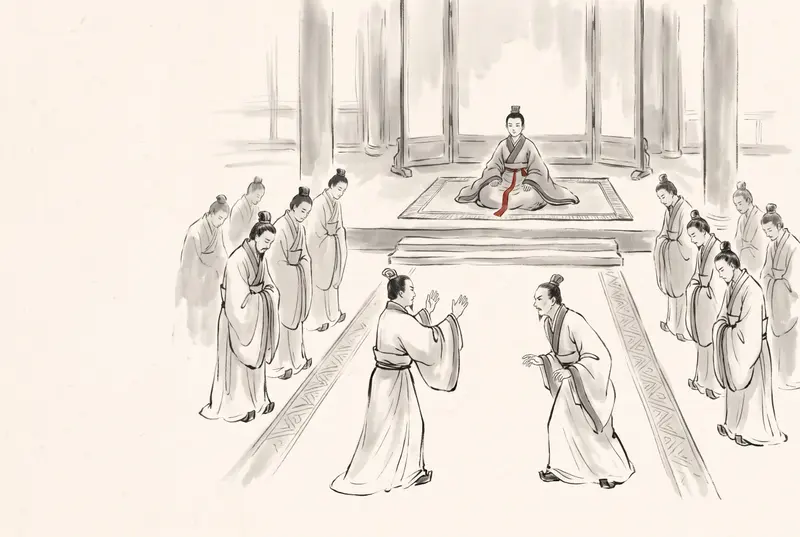
魏其之東朝,盛推灌夫之善,言其醉飽得過,乃丞相以他事誣罪之。武安又盛毀灌夫所為橫恣,罪逆不道。魏其度不可奈何,因言丞相短。武安曰:「天下幸而安樂無事,蚡得為肺腑,所好音樂狗馬田宅。蚡所愛倡優巧匠之屬,不如魏其、灌夫日夜招聚天下豪桀壯士與論議,腹誹而心謗,不仰視天而俯畫地,辟倪兩宮間,幸天下有變,而欲有大功。臣乃不知魏其等所為。」於是上問朝臣:「兩人孰是?」御史大夫韓安國曰:「魏其言灌夫父死事,身荷戟馳入不測之吳軍,身被數十創,名冠三軍,此天下壯士,非有大惡,爭杯酒,不足引他過以誅也。魏其言是也。丞相亦言灌夫通奸猾,侵細民,家累巨萬,橫恣潁川,淩轢宗室,侵犯骨肉,此所謂『枝大於本,脛大於股,不折必披』,丞相言亦是。唯明主裁之。」主爵都尉汲黯是魏其。內史鄭當時是魏其,後不敢堅對。餘皆莫敢對。
書き下し文
魏其の東朝するや、盛んに灌夫の善を推し、其の酔飽して過ちを得たるに、乃ち丞相他事を以て之を誣罪すと言う。武安又盛んに灌夫の為す所の横恣、罪逆不道なるを毀る。魏其奈何ともすべからざるを度り、因りて丞相の短を言う。武安曰く、「天下幸いにして安楽無事なり。蚡肺腑為るを得たり。好む所は音楽狗馬田宅なり。蚡の愛する所は倡優巧匠の属なり。魏其・灌夫の日夜天下の豪桀壮士を招聚して与に論議し、腹に誹りて心に謗り、天を仰ぎ視ずして俯して地を画き、両宮の間を辟倪し、天下の変有らんことを幸いとして、大功有らんと欲するに如かず。臣乃ち魏其等の為す所を知らず」と。是に於いて上朝臣に問う、「両人孰れか是なる」と。御史大夫韓安国曰く、「魏其言う、灌夫の父事に死し、身戟を荷いて測られざるの呉軍に馳せ入り、身に数十の創を被り、名三軍に冠たり。此れ天下の壮士なり。大悪有るに非ず。杯酒を争うのみ。他の過ちを引きて以て誅するに足らずと。魏其の言是なり。丞相も亦た言う、灌夫姦猾に通じ、細民を侵し、家巨万を累ね、潁川に横恣し、宗室を淩轢し、骨肉を侵犯す。此れ所謂『枝本より大に、脛股より大なれば、折れずんば必ず披く』なりと。丞相の言も亦た是なり。唯だ明主之を裁け」と。主爵都尉汲黯魏其を是とす。内史鄭当時魏其を是とし、後に敢えて堅く対えず。余は皆敢えて対うる莫し。
現代語訳
竇嬰は、武帝の詔で東朝(王太后の宮殿)に出て、灌夫の良いところを盛んにほめ、「灌夫は酔って過ちを犯しただけなのに、丞相がほかのことにかこつけて罪をでっちあげたのです」と言った。田蚡も、灌夫のふるまいが勝手気ままで、大逆無道の罪にあたると盛んに責めた。竇嬰はどうにもならないと見て、丞相田蚡の欠点をあげつらった。田蚡は言った。「天下は幸い平和で何事もありません。わたしは皇太后の弟という身で、好きなものは音楽や犬や馬、田畑や屋敷、かわいがるのは役者や腕のいい職人ぐらいのものです。魏其侯や灌夫のように、昼も夜も天下の豪傑や勇士を集めて議論し、腹の中で朝廷をそしり、天を仰がず地面に何かを描き、二つの宮殿(帝と太后)のあいだをうかがって、天下に変事が起これば大きな手柄を立てようとねらっているのとは違います。わたしには、魏其侯たちが何をたくらんでいるのか分かりません」。そこで帝は朝廷の臣下たちにたずねた。「二人のどちらが正しいか」。御史大夫韓安国は言った。「魏其侯は、『灌夫の父は戦死し、灌夫は自ら矛をかついで、どれほど強いか分からない呉の軍に馬で突入し、体に数十か所の傷を負い、その名は全軍に聞こえた。天下の勇士であって、大悪人ではない。杯の酒で争っただけだ。ほかの過ちを持ち出して死刑にすべきではない』と申しました。魏其侯の言うことは正しいと存じます。丞相も、『灌夫は悪人と通じ、民をしいたげ、家には巨万の富をたくわえ、潁川で勝手気ままにふるまい、皇族をあなどり、肉親を傷つけた。いわゆる「枝が幹より太く、すねがももより太ければ、折れなければ必ず裂ける」というものだ』と申しました。丞相の言うことも正しいと存じます。どうか聡明な陛下がお裁きください」。主爵都尉の汲黯は竇嬰が正しいとした。内史の鄭当時も竇嬰が正しいとしたが、あとでは強く主張しなかった。ほかの者は皆、何も答えようとしなかった。
英訳
When the Marquis of Weiqi went to the Eastern Court, he praised Guan Fu's good qualities warmly, saying that he had only done wrong when full of wine, and that the chancellor had used other matters to frame him. The Marquis of Wu'an in turn condemned Guan Fu's lawless, high-handed ways as a crime of treason. The Marquis of Weiqi, seeing there was nothing else he could do, spoke of the chancellor's faults. The Marquis of Wu'an said: "The realm is fortunately at peace and untroubled. I have the good fortune to be a close kinsman. What I love is music, dogs and horses, fields and houses; the people I am fond of are actors and skilled craftsmen. I am not like the Marquis of Weiqi and Guan Fu, who day and night gather the bold men and fighters of the realm to plot with them, cursing in their bellies and slandering in their hearts; who never look up at Heaven but stare down, drawing on the ground; who watch the two palaces out of the corners of their eyes, hoping for some upheaval in the realm so that they can win great glory. I do not know what the Marquis of Weiqi and his friends are up to." Then the emperor asked his ministers: "Which of the two is right?" The grand secretary, Han Anguo, said: "The Marquis of Weiqi says that Guan Fu's father died in battle, and that Guan Fu himself charged with his halberd into the army of Wu, whose strength no one knew, took dozens of wounds, and won the greatest name in the three armies. He is one of the bravest men in the realm. He has done no great evil; he only quarrelled over a cup of wine, and that is no reason to drag in other faults and execute him. What the Marquis of Weiqi says is right. The chancellor says that Guan Fu has dealings with villains, oppresses the common people, has piled up a vast fortune, lords it over Yingchuan, bullies the imperial clan and wrongs the imperial kin. This is what they mean by 'when the branches are bigger than the trunk, and the shin is bigger than the thigh, if it does not break it will split.' What the chancellor says is also right. Only an enlightened ruler can decide." Ji An, the commandant of noble titles, said the Marquis of Weiqi was right. Zheng Dangshi, the prefect of the capital, said the Marquis of Weiqi was right, but later would not hold to it. None of the others dared to answer.
解説(日)
- 東朝: 王太后の住む長楽宮。長安城の東にあったのでこう呼ぶ。
- 辟倪兩宮間: 帝と太后の二つの宮のすきをうかがうこと。謀反をたくらんでいるとほのめかした。
- 枝大於本,脛大於股: 臣下の力が主君より強くなることのたとえ。
- 汲黯: 武帝に直言をはばからなかった臣(120-ji-an の章)。
解説(英)
- The Eastern Court (東朝): the empress dowager's Changle Palace, east of the city.
- Watching the two palaces (辟倪兩宮間): a hint of treason.
- Branches bigger than the trunk (枝大於本): a subject grown stronger than his lord.
- Ji An (汲黯): the minister who dared to speak bluntly to Emperor Wu (chapter 120).
英語の語注
- frame/freɪm/verb
to make an innocent person seem guilty
本文では: “the chancellor had used other matters to frame him”
似た語と違い: set up — trap with false evidence · incriminate — make look guilty
- villain/ˈvɪlən/noun
a wicked person
本文では: “has dealings with villains”
似た語と違い: scoundrel — bad person · rogue — dishonest man
節 7
原文
上怒內史曰:「公平生數言魏其、武安長短,今日廷論,局趣效轅下駒,吾並斬若屬矣。」即罷起入,上食太后。太后亦已使人候伺,具以告太后。太后怒,不食,曰:「今我在也,而人皆藉吾弟,令我百歲後,皆魚肉之矣。且帝甯能為石人邪!此特帝在,即錄錄,設百歲後,是屬寧有可信者乎?」上謝曰:「俱宗室外家,故廷辯之。不然,此一獄吏所決耳。」是時郎中令石建為上別言兩人事。
書き下し文
上内史を怒りて曰く、「公平生数々魏其・武安の長短を言う。今日廷論するに、局趣として轅下の駒に効う。吾並びに若が属を斬らん」と。即ち罷めて起ちて入り、太后に食を上る。太后も亦た已に人をして候伺せしめ、具に以て太后に告ぐ。太后怒りて、食わずして、曰く、「今我在るに、而も人皆吾が弟を藉む。我が百歳の後をして、皆之を魚肉とせしめん。且つ帝寧ぞ能く石人為らんや。此れ特だ帝在れば、即ち録録たり。設し百歳の後ならば、是の属寧ぞ信ずべき者有らんや」と。上謝して曰く、「倶に宗室外家なり。故に廷に之を辯ぜしむ。然らずんば、此れ一獄吏の決する所のみ」と。是の時郎中令石建上の為に別に両人の事を言う。
現代語訳
帝は内史の鄭当時に腹を立てて言った。「あなたはふだん魏其侯と武安侯の良しあしを何度も口にしていたのに、今日朝廷で論じ合う段になると、ながえにつながれた子馬のように縮こまっている。お前たちをまとめて斬ってやりたいところだ」。そして朝議をやめて奥に入り、太后に食事をさしあげた。太后はすでに人をやって様子をうかがわせており、その者がくわしく太后に知らせていた。太后は怒って食事をとらずに言った。「わたしが生きているうちから、もう人は皆わたしの弟を踏みつけにしている。わたしが死んだあとは、皆で弟を魚や肉のように切りきざむでしょう。それに帝は石の人形のように何もしないでいられるのですか。帝がおられるからこそ、あの者たちは大人しくしているのです。帝が亡くなられたら、あんな者たちのどこに信用できる者がいましょう」。帝はわびて言った。「どちらも皇族と外戚の家の者ですから、朝廷で論じ合わせたのです。そうでなければ、獄吏一人で裁ける事件です」。このとき郎中令の石建が、帝のために別に二人のことを申し上げた。
英訳
The emperor was angry with the prefect of the capital: "All your life you have talked about the strengths and weaknesses of the Marquises of Weiqi and Wu'an, and now that it comes to a debate at court, you cower like a colt in the shafts. I should behead the whole lot of you." He broke up the court, rose and went in to serve the empress dowager her meal. She had already sent someone to watch, who had told her everything. The empress dowager was angry and would not eat. She said: "Even now, while I am alive, everyone tramples on my brother. When I am gone, they will all carve him up like fish and meat. And can the emperor be a man of stone? It is only because the emperor is alive that they stay in line. When he is gone, which of them could be trusted?" The emperor apologised: "They are both of the imperial clan and the empresses' families, so I had them argue it out at court. Otherwise it is a case that one prison officer could settle." At that time Shi Jian, the chief of palace gentlemen, spoke to the emperor privately about the two men.
解説(日)
- 轅下駒: ながえの下につながれた子馬。おどおどして動けないさまのたとえ。
- 王太后: 景帝の皇后で武帝の母。田蚡の姉。
- 石人: 石の人形。何も感じず何もしない者のたとえ。
- 石建: 万石君石奮の子。慎み深いことで知られた。
解説(英)
- A colt in the shafts (轅下駒): too timid to move.
- The empress dowager here was Empress Wang, Emperor Wu's mother and Tian Fen's elder sister.
- A man of stone (石人): one who feels and does nothing.
英語の語注
- cower/ˈkaʊər/verb
to bend down in fear
本文では: “you cower like a colt in the shafts”
似た語と違い: cringe — shrink back · quail — feel fear
- trample/ˈtræmpəl/verb
to step heavily on; to treat badly
本文では: “everyone tramples on my brother”
似た語と違い: crush — press down · walk all over — treat with contempt
節 8
原文
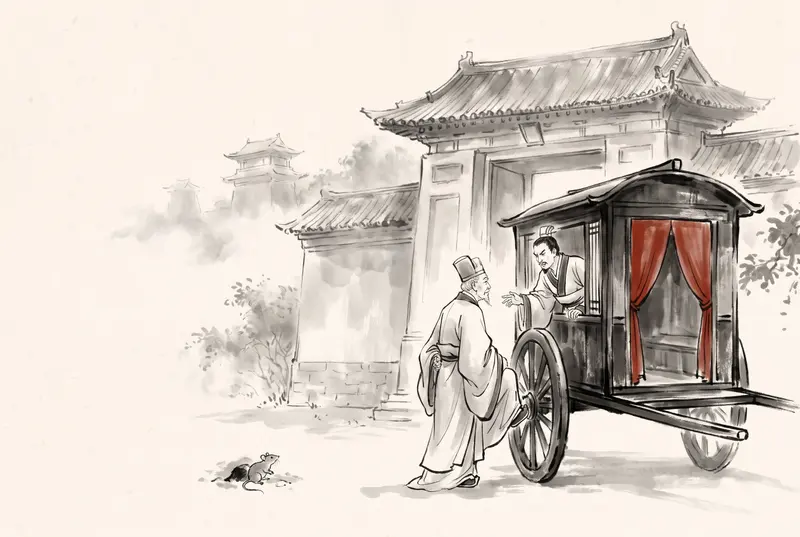
武安已罷朝,出止車門,召韓御史大夫載,怒曰:「與長孺共一老禿翁,何為首鼠兩端?」韓御史良久謂丞相曰:「君何不自喜?夫魏其毀君,君當免冠解印綬歸,曰『臣以肺腑幸得待罪,固非其任,魏其言皆是』。如此,上必多君有讓,不廢君。魏其必內愧,杜門齰舌自殺。今人毀君,君亦毀人,譬如賈豎女子爭言,何其無大體也!」武安謝罪曰:「爭時急,不知出此。」
書き下し文
武安已に朝を罷め、止車門を出で、韓御史大夫を召して載せ、怒りて曰く、「長孺と共に一老禿翁なり。何為れぞ首鼠両端なる」と。韓御史良久しくして丞相に謂いて曰く、「君何ぞ自ら喜ばざる。夫れ魏其君を毀らば、君当に冠を免ぎ印綬を解きて帰り、曰うべし、『臣肺腑を以て幸いに罪を待つを得たるも、固より其の任に非ず。魏其の言皆是なり』と。此くの如くんば、上必ず君の譲有るを多とし、君を廃せず。魏其必ず内に愧じ、門を杜ざし舌を齰みて自殺せん。今人君を毀り、君も亦た人を毀る。譬えば賈豎の女子の言を争うが如し。何ぞ其れ大体無きや」と。武安罪を謝して曰く、「争う時急にして、此れを出だすを知らず」と。
現代語訳
田蚡は朝議が終わると、止車門を出たところで御史大夫の韓安国を呼んで自分の車に乗せ、怒って言った。「長孺(韓安国)よ、わたしと一緒にあの頭のはげた老いぼれをやっつけるはずだったのに、どうして穴から首を出したねずみのように、どっちつかずの態度をとったのだ」。韓安国はしばらくして丞相に言った。「あなたはどうして、もっと自分を大事になさらないのですか。魏其侯があなたをそしったなら、あなたは冠を脱ぎ、印綬をはずして家に帰り、『わたしは皇太后の弟というだけで、幸いにも丞相の職をいただきましたが、もともとその任ではありません。魏其侯の言うことは皆正しいのです』と言えばよかったのです。そうすれば、帝は必ずあなたの謙虚さをほめて、あなたを辞めさせたりはなさらないでしょう。魏其侯は心の中で恥じ入り、門を閉じて舌をかみ切って死ぬにちがいありません。いま人があなたをそしり、あなたも人をそしったのは、商人や女どうしの口げんかのようなものです。なんと大局が見えていないことでしょう」。田蚡はわびて言った。「言い争っていて、かっとなって、そこまで考えが及ばなかった」。
英訳
When court was over, the Marquis of Wu'an went out through the gate where carriages must stop, called Han Anguo, the grand secretary, to ride with him, and said angrily: "Zhangru, you and I were dealing with one bald old man. Why did you look both ways, like a rat peering out of its hole?" After a long while the grand secretary said to the chancellor: "Why do you not value yourself more? When the Marquis of Weiqi slandered you, you should have taken off your cap, untied your seal and ribbon, and gone home, saying: 'I was lucky enough to receive this office only because I am a close kinsman. I was never fit for it. Everything the Marquis of Weiqi says is right.' If you had done that, the emperor would surely have admired your modesty and not dismissed you. And the Marquis of Weiqi would surely have been ashamed, shut his gate, bitten off his tongue and died. Instead, when he slandered you, you slandered him back, like shop boys and women squabbling. How little sense of the larger picture!" The Marquis of Wu'an apologised: "In the heat of the quarrel, I did not think of that."
解説(日)
- 長孺: 韓安国の字(108-han-anguo の章)。
- 老禿翁: 頭のはげた老人。竇嬰をののしった言葉。
- 首鼠兩端: ねずみが穴から首を出して、左右をうかがってなかなか出ないこと。どっちつかずで態度を決めないことのたとえ。この話が出典。
- 印綬: 官印と、それを下げるひも。官職のしるし。
解説(英)
- Zhangru (長孺): Han Anguo's courtesy name (chapter 108).
- Looking both ways like a rat (首鼠兩端): this is the origin of the idiom for sitting on the fence.
- Seal and ribbon (印綬): the badge of office.
この節から生まれた言葉: 首鼠両端
英語の語注
- slander/ˈslændər/verb
to say false things that harm someone
本文では: “When the Marquis of Weiqi slandered you”
似た語と違い: defame — harm a good name · smear — spread lies about
- squabble/ˈskwɑbəl/verb
to argue noisily about small things
本文では: “like shop boys and women squabbling”
似た語と違い: bicker — quarrel over small things · wrangle — argue
節 9
原文
於是上使御史簿責魏其所言灌夫,頗不讎,欺謾。劾系都司空。孝景時,魏其常受遺詔,曰「事有不便,以便宜論上」。及系,灌夫罪至族,事日急,諸公莫敢複明言於上。魏其乃使昆弟子上書言之,幸得複召見。書奏上,而案尚書大行無遺詔。詔書獨藏魏其家,家丞封。乃劾魏其矯先帝詔,罪當棄市。五年十月,悉論灌夫及家屬。魏其良久乃聞,聞即恚,病痱,不食欲死。或聞上無意殺魏其,魏其複食,治病,議定不死矣。乃有蜚語為惡言聞上,故以十二月晦論棄市渭城。其春,武安侯病,專呼服謝罪。使巫視鬼者視之,見魏其、灌夫共守,欲殺之。竟死。
書き下し文
是に於いて上御史をして魏其の灌夫を言う所を簿責せしむるに、頗る讎わず、欺謾なり。劾して都司空に繫ぐ。孝景の時、魏其常て遺詔を受く。曰く、「事便ならざる有らば、便宜を以て上に論ぜよ」と。繫がるるに及び、灌夫の罪族に至り、事日に急なり。諸公敢えて復た明らかに上に言う莫し。魏其乃ち昆弟の子をして書を上りて之を言わしめ、幸いに復た召し見らるるを得んとす。書上に奏せらるるも、而して尚書を案ずるに大行に遺詔無し。詔書独り魏其の家に蔵し、家丞封ず。乃ち魏其の先帝の詔を矯めたるを劾し、罪棄市に当たる。五年十月、悉く灌夫及び家属を論ず。魏其良久しくして乃ち聞く。聞きて即ち恚り、痱を病み、食わずして死なんと欲す。或るひと上に魏其を殺すの意無きを聞く。魏其復た食い、病を治め、議定まりて死せざらんとす。乃ち蜚語有りて悪言を為して上に聞こゆ。故に十二月晦を以て論じて渭城に棄市す。其の春、武安侯病み、専ら服して謝罪すと呼ぶ。巫の鬼を視る者をして之を視しむるに、魏其・灌夫共に守りて、之を殺さんと欲するを見る。竟に死す。
現代語訳
そこで帝は御史に命じて、竇嬰が灌夫について述べたことを帳簿と照らし合わせて問いただすと、合わないところが多く、いつわりがあるとされた。竇嬰は訴えられて都司空の獄につながれた。孝景帝のとき、竇嬰はかつて遺詔を受けていた。「都合の悪いことがあれば、臨機応変に帝に申し上げよ」というものである。竇嬰が獄につながれ、灌夫の罪は一族皆殺しにまで及び、事態は日ごとに差しせまってきた。重臣たちは誰も、もう帝にはっきり申し上げようとはしなかった。そこで竇嬰はおいに上書させて遺詔のことを申し上げ、もう一度帝に会えることを願った。上書は帝に届いたが、尚書の役所で調べても、先帝が亡くなったときの記録に遺詔はなかった。詔書は竇嬰の家にだけあり、家の執事が封をしていた。そこで竇嬰は先帝の詔をいつわったと訴えられ、市場で死刑となる罪に定められた。元光五年十月、灌夫とその家族は皆処刑された。竇嬰はしばらくしてからそれを聞くと、怒りのあまり中風になり、食事をとらずに死のうとした。ある人から、帝には竇嬰を殺すつもりはないと聞くと、竇嬰はまた食事をとって病気の手当てをし、死刑にはしないと決まりかけた。ところが、竇嬰が帝の悪口を言っているといううわさが帝の耳に入ったので、十二月のみそかに渭城の市場で処刑された。その春、田蚡は病気になり、ひたすら「わたしが悪かった」とわびる言葉を叫び続けた。霊を見ることのできる巫女に見させると、竇嬰と灌夫が二人で田蚡のそばにつきそい、殺そうとしているのが見えるという。田蚡はとうとう死んだ。
英訳
Then the emperor had the inspectors check what the Marquis of Weiqi had said about Guan Fu against the records. Much of it did not match, and was judged to be false. He was charged and imprisoned under the director of works. In Emperor Jing's time, the Marquis of Weiqi had once received a testamentary edict which said: "If anything goes wrong, report it to the throne as you see fit." Now that he was in prison and Guan Fu's crime had been judged to call for the death of his whole clan, things grew more urgent day by day, and none of the great ministers dared speak plainly to the emperor any more. So the Marquis of Weiqi had his nephew send up a letter about the edict, hoping to be called before the emperor again. The letter was presented, but when the records of the imperial secretaries were checked, there was no such edict among the papers of the late emperor's death. The only copy was kept in the marquis's own house, sealed by his steward. So he was charged with forging the late emperor's edict, a crime punishable by public execution. In the tenth month of the fifth year, Guan Fu and his family were all put to death. When the Marquis of Weiqi heard of it, some time later, he was so enraged that he suffered a stroke; he stopped eating and wanted to die. When he heard from someone that the emperor had no wish to kill him, he began to eat again and had his illness treated, and it was nearly decided that he would not die. But then slanderous rumours reached the emperor that he had spoken ill of him, and so on the last day of the twelfth month he was executed in the market at Weicheng. That spring the Marquis of Wu'an fell ill, and did nothing but cry out that he confessed and begged forgiveness. When a shaman who could see spirits was brought to look at him, she saw the Marquis of Weiqi and Guan Fu standing guard over him together, meaning to kill him. In the end he died.
解説(日)
- 遺詔: 先帝が残した詔。竇嬰の家にだけあり、宮中の記録になかったため、偽物とされた。
- 五年: 元光五年(前130年)。竇嬰は同じ年の十二月に処刑された。
- 痱: 中風。体がしびれて動かなくなる病。
- 巫視鬼者: 死者の霊を見ることができる巫女。田蚡は二人の霊に取り殺されたと語られる。
解説(英)
- The testamentary edict (遺詔): because no copy was in the palace records, it was called a forgery.
- The fifth year: the fifth year of Yuanguang, 130 BCE.
- A shaman who could see spirits (巫視鬼者): the story says the ghosts of the two men killed Tian Fen.
英語の語注
- forge/fɔrdʒ/verb
to make a false copy of a document
本文では: “forging the late emperor's edict”
似た語と違い: fake — make a false copy · counterfeit — imitate to deceive
- shaman/ˈʃɑmən/noun
a person believed to talk with spirits
本文では: “a shaman who could see spirits”
似た語と違い: medium — one who talks to the dead · seer — one who sees beyond
節 10
原文
太史公曰:魏其、武安皆以外戚重,灌夫用一時決筴而名顯。魏其之舉以吳楚,武安之貴在日月之際。然魏其誠不知時變,灌夫無術而不遜,兩人相翼,乃成禍亂。武安負貴而好權,杯酒責望,陷彼兩賢。嗚呼哀哉!遷怒及人,命亦不延。眾庶不載,竟被惡言。嗚呼哀哉!禍所從來矣!
書き下し文
太史公曰く、魏其・武安は皆外戚を以て重く、灌夫は一時の決筴を用いて名顕わる。魏其の挙げらるるは呉楚を以てし、武安の貴きは日月の際に在り。然れども魏其は誠に時変を知らず、灌夫は術無くして遜らず。両人相翼けて、乃ち禍乱を成す。武安は貴きを負みて権を好み、杯酒に責望して、彼の両賢を陥る。嗚呼哀しいかな。怒りを遷して人に及ぼし、命も亦た延びず。衆庶載せず、竟に悪言を被る。嗚呼哀しいかな。禍の従りて来たる所あり。
現代語訳
太史公は言う。魏其侯と武安侯は、どちらも外戚だったので重んじられ、灌夫はひとときの決断によって名をあげた。魏其侯が取り立てられたのは呉楚の乱のときであり、武安侯が貴くなったのは、帝が代わる日と月の交わるようなときだった。しかし魏其侯はまことに時の移り変わりが分からず、灌夫は思慮がなくへりくだることを知らなかった。二人が助け合ったことが、かえって災いを招いた。武安侯は身分の高さをたのみ、権力を好み、一杯の酒のことで人を責めて、あの二人の賢者を罪に落とした。ああ、悲しいことだ。怒りを人に移して及ぼし、自分の命も長くはなかった。民衆に支持されず、ついには悪い評判を受けた。ああ、悲しいことだ。災いにはやって来るもとがあるのだ。
英訳
The Grand Historian says: The Marquises of Weiqi and Wu'an both rose to importance as in-laws of the imperial house, and Guan Fu won fame by one bold decision in battle. The Marquis of Weiqi was raised up at the time of Wu and Chu; the Marquis of Wu'an's high rank came at the meeting of the sun and moon, when one emperor followed another. But the Marquis of Weiqi truly did not understand how the times had changed, and Guan Fu had no judgement and no humility. The two of them helped each other, and between them they brought on disaster. The Marquis of Wu'an trusted in his high rank and loved power, and over a cup of wine he bore a grudge and ruined those two worthy men. Alas! He turned his anger on others, and his own life was not long. The people did not support him, and in the end he left an evil name. Alas! Disaster has its causes.
解説(日)
- 外戚: 皇后・皇太后の一族。竇嬰は竇太后の、田蚡は王太后の一族だった。
- 日月之際: 景帝から武帝への代替わりのとき。
- 武帝はのちに、田蚡が淮南王から金を受けていたと知り、「武安侯が生きていたら一族皆殺しにしていた」と言った(ここでは省く)。
解説(英)
- In-laws of the imperial house (外戚): Dou Ying of Empress Dowager Dou's family, Tian Fen of Empress Dowager Wang's.
- The meeting of the sun and moon (日月之際): the change from Emperor Jing to Emperor Wu.
- Emperor Wu later learned of Tian Fen's gold from Huainan and said that, had he lived, his clan would have been wiped out (left out here).
英語の語注
- grudge/ɡrʌdʒ/noun
a lasting feeling of anger about a past wrong
本文では: “he bore a grudge”
似た語と違い: resentment — bitterness · spite — wish to hurt