世家 · 巻 54
曹相国世家 曹相國世家
蕭規曹随(何もしない宰相) 蕭規曹隨
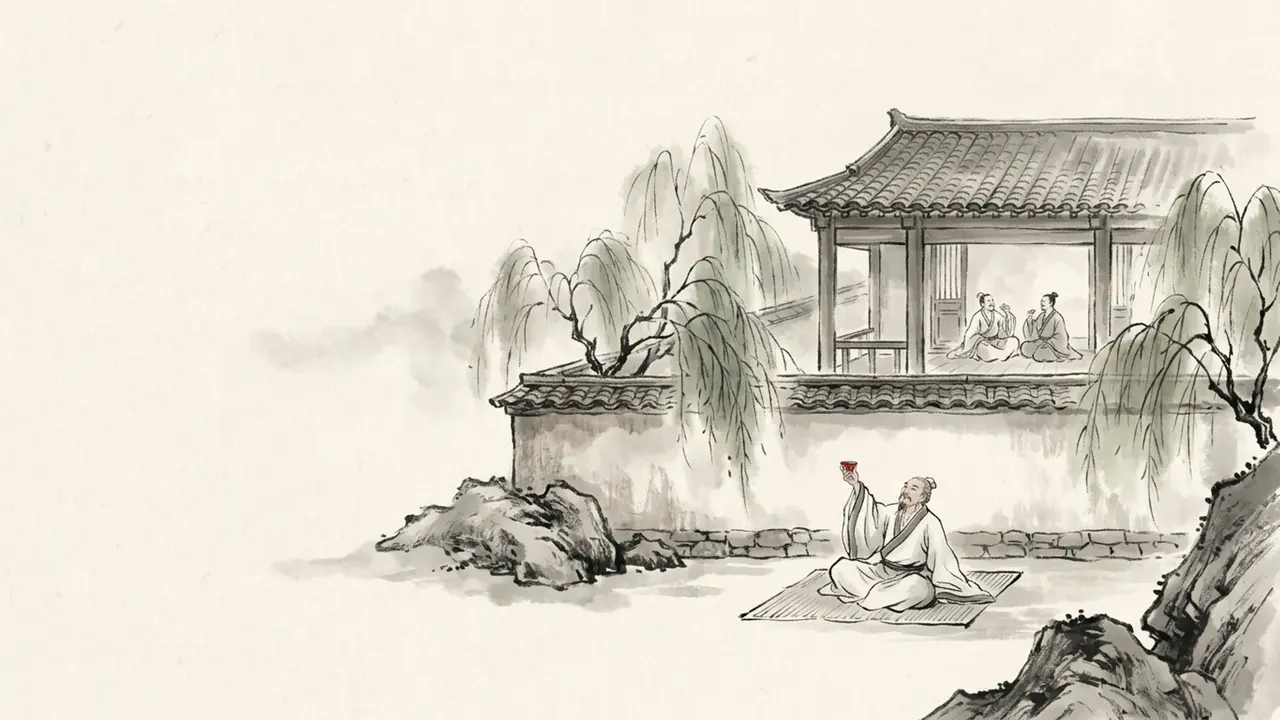
漢の二代目の相国(宰相)曹参の物語。曹参は沛の監獄の役人で、蕭何とともに劉邦の旗揚げに加わり、韓信とともに戦場をかけめぐって数多くの手柄を立てた。天下が定まると、高祖の長男が王となった斉の相国となり、黄老の学に通じた蓋公を招いて、「政治は清く静かであれば、民はおのずと落ち着く」という教えを実行し、斉を九年でよく治めた。蕭何が死ぬと、曹参は「わしが相国になる」と言って旅支度をさせ、果たして召し出される。漢の相国になった曹参は、蕭何の決めたことを何一つ変えず、昼も夜も酒を飲み、意見を言いに来た者にも酒を飲ませて帰した。いぶかしんだ若い恵帝に問いただされると、「陛下は高祖に及びますか。わたしは蕭何に及びますか。高祖と蕭何が定めた法を守っていれば、それでよいではありませんか」と答えた。民は「蕭何が法を作り、曹参が守って失わない」と歌った。これが「蕭規曹随」のもとである。
この巻のうち「蕭規曹随(何もしない宰相)」の場面を載せています。巻の全文ではありません。
音声
音声は合成音声です。
動画
節 1
原文
平陽侯曹參者,沛人也。秦時為沛獄掾,而蕭何為主吏,居縣為豪吏矣。
書き下し文
平陽侯曹参は、沛の人なり。秦の時沛の獄掾たり。而して蕭何は主吏たり。県に居りて豪吏たり。
現代語訳
平陽侯曹参は、沛の人である。秦の時代、曹参は沛県の監獄の役人で、蕭何は役所の人事を取りしきる役人だった。二人とも県で幅をきかせる有力な役人だった。
英訳
Cao Can, Marquis of Pingyang, was a man of Pei. Under the Qin he was a clerk of the prison in Pei, and Xiao He was the chief clerk of the county. In the county they were both officials of some weight.
解説(日)
- 獄掾: 県の監獄の役人。
- 主吏: 県の役人の人事を担当する役。蕭何の章(053-xiao-he)も参照。
- このあと曹参は劉邦の旗揚げに加わり、韓信とともに魏・趙・斉を攻めるなど、多くの戦いで手柄を立てた(ここでは省く)。
解説(英)
- Clerk of the prison (獄掾): a county official in charge of the jail.
- Chief clerk (主吏): the man who handled the county's staff; see the chapter on Xiao He (053).
- Cao Can then joined Liu Bang's rising and fought in many campaigns, often beside Han Xin; that long record is left out here.
英語の語注
- clerk/klɜrk/noun
a person who keeps records in an office
本文では: “he was a clerk of the prison in Pei”
似た語と違い: official — a person with a post in government · scribe — a person who writes records
British pronunciation: /klɑːk/.
- weight/weɪt/noun
importance or influence
本文では: “officials of some weight”
似た語と違い: influence — the power to affect others · standing — position in society
節 2
原文
項籍已死,天下定,漢王為皇帝,韓信徙為楚王,齊為郡。參歸漢相印。高帝以長子肥為齊王,而以參為齊相國。以高祖六年賜爵列侯,與諸侯剖符,世世勿絕。食邑平陽萬六百三十戶,號曰平陽侯,除前所食邑。
書き下し文
項籍已に死し、天下定まる。漢王皇帝と為る。韓信徙りて楚王と為り、斉は郡と為る。参、漢の相印を帰す。高帝、長子肥を以て斉王と為し、而して参を以て斉の相国と為す。高祖の六年を以て爵列侯を賜い、諸侯と符を剖ち、世世絶ゆること勿からしむ。平陽を食邑すること万六百三十戸、号して平陽侯と曰い、前に食む所の邑を除く。
現代語訳
項羽が死んで天下が定まり、漢王は皇帝となった。韓信は(斉王から)楚王に移され、斉は漢の郡となった。曹参は漢の丞相の印を返上した。高帝は長男の劉肥を斉王とし、曹参を斉の相国(宰相)とした。高祖の六年(前201年)、曹参は列侯の爵位を与えられ、ほかの功臣たちとともに割り符を分け持って、代々絶やさないと約束された。平陽の一万六百三十戸を領地とし、平陽侯と号し、それまでの領地は取り上げられた。
英訳
When Xiang Ji was dead and the realm was settled, the king of Han became emperor. Han Xin was moved to be king of Chu, and Qi became a commandery. Cao Can gave back his seal as chancellor of the Han. Emperor Gao made his eldest son Fei king of Qi, and made Cao Can chancellor of state of Qi. In the sixth year of Gaozu he was made a marquis, and split a tally with the emperor like the other lords, so that his fief would pass down for ever. His fief was Pingyang, with ten thousand six hundred and thirty households, and he was called Marquis of Pingyang; the fiefs he had held before were taken back.
解説(日)
- 項籍: 項羽。籍が名、羽が字。
- 肥: 劉肥。劉邦が若いころに曹氏の女性とのあいだにもうけた長男。斉の悼恵王。
- 剖符: 割り符を二つに割って、天子と諸侯がそれぞれ持つこと。封爵の約束のしるし。
解説(英)
- Xiang Ji (項籍): Xiang Yu; Ji was his given name.
- Fei (肥): Liu Fei, Gaozu's eldest son by a mistress of his youth, later King Daohui of Qi.
- Split a tally (剖符): each side kept half, as a pledge of the fief.
英語の語注
- tally/ˈtæli/noun
a stick or token split in two, each side keeping half as proof
本文では: “split a tally with the emperor”
似た語と違い: token — an object used as a sign · counterpart — one half of a matching pair
- household/ˈhaʊsˌhoʊld/noun
all the people living in one home
本文では: “ten thousand six hundred and thirty households”
似た語と違い: family — people related to each other · home — the place where a family lives
節 3
原文
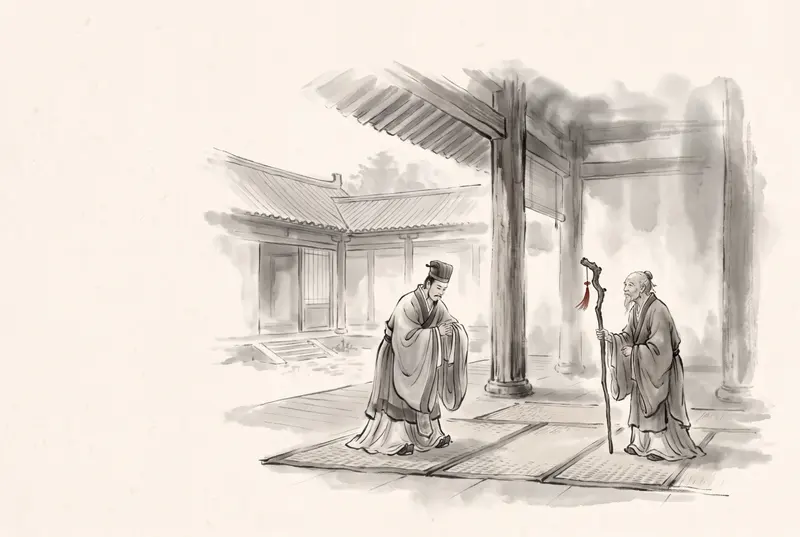
孝惠帝元年,除諸侯相國法,更以參為齊丞相。參之相齊,齊七十城。天下初定,悼惠王富於春秋,參盡召長老諸生,問所以安集百姓,如齊故[俗]諸儒以百數,言人人殊,參未知所定。聞膠西有蓋公,善治黃老言,使人厚幣請之。既見蓋公,蓋公為言治道貴清靜而民自定,推此類具言之。參於是避正堂,舍蓋公焉。其治要用黃老術,故相齊九年,齊國安集,大稱賢相。
書き下し文
孝恵帝の元年、諸侯の相国の法を除き、更めて参を以て斉の丞相と為す。参の斉に相たるや、斉は七十城なり。天下初めて定まり、悼恵王春秋に富む。参尽く長老諸生を召し、百姓を安集する所以を問う。斉の故[俗]の如く、諸儒百を以て数え、言人人殊なり。参未だ定むる所を知らず。膠西に蓋公有りて、善く黄老の言を治むと聞き、人をして幣を厚くして之を請わしむ。既に蓋公に見ゆ。蓋公為に言う、治道は清静を貴びて民自ら定まると。此の類を推して具に之を言う。参是に於いて正堂を避け、蓋公を舎す。其の治の要は黄老の術を用う。故に斉に相たること九年、斉国安集し、大いに賢相と称せらる。
現代語訳
孝恵帝の元年(前194年)、諸侯の国に相国を置く制度をやめたので、曹参はあらためて斉の丞相となった。曹参が宰相となった斉は、七十の城をもつ大国だった。天下は定まったばかりで、斉の悼恵王はまだ若かった。曹参は長老や学者たちを残らず呼び集め、民を落ち着かせて暮らしを立てさせるにはどうすればよいかをたずねた。斉の古くからの気風どおり、儒者は百人を数え、言うことは人ごとに違っていて、曹参はどれに決めればよいか分からなかった。膠西に蓋公という人がいて、黄老の学(黄帝と老子の教え)に通じていると聞き、手厚い贈り物を持たせて使いをやり、招いた。会ってみると、蓋公は、政治の道は清く静かであることが大切で、そうすれば民はおのずと落ち着くと説き、このたぐいの考えを推し広げて詳しく語った。そこで曹参は自分の住む正堂を明けわたして蓋公を住まわせた。曹参の政治のかなめは黄老の術を用いることにあった。それで斉の宰相を九年つとめると、斉の国は落ち着き、賢い宰相として大いにたたえられた。
英訳
In the first year of Emperor Hui, the post of chancellor of state in the kingdoms was abolished, and Cao Can was made chancellor of Qi instead. Qi, where he served, had seventy cities. The realm had only just been settled, and King Daohui was young. Cao Can called together all the elders and scholars and asked them how to bring peace and settled lives to the people. As was the old custom in Qi, the Confucian scholars numbered in the hundreds, and every one of them said something different, so that Cao Can did not know what to decide. Then he heard that in Jiaoxi there was a Master Gai who was learned in the teachings of the Yellow Emperor and Laozi, and he sent men with rich gifts to invite him. When they met, Master Gai told him that the way of government values purity and quiet, and then the people settle down by themselves; and he explained it fully, with many examples of the same kind. Cao Can moved out of his main hall and gave it to Master Gai to live in. The heart of his government was the method of the Yellow Emperor and Laozi. And so in his nine years as chancellor of Qi, the state was peaceful and settled, and he was praised far and wide as a wise chancellor.
解説(日)
- 黃老: 伝説の黄帝と老子の名を合わせた学派。君主は細かく口出しせず、民を休ませる「無為」の政治を説いた。漢の初めに重んじられた。
- 蓋公: 膠西(今の山東省高密市のあたり)の学者。
- [俗]: 校勘で補った字。「斉の故俗の如く」と読む。
解説(英)
- The Yellow Emperor and Laozi (黃老): a school that taught "non-action", letting the people rest; it was favoured in the early Han.
- Master Gai (蓋公): a scholar from Jiaoxi in Shandong.
- The bracketed character "custom" was added by the editors.
英語の語注
- abolish/əˈbɑlɪʃ/verb
to officially end something
本文では: “was abolished”
似た語と違い: end — stop completely · scrap — get rid of (informal)
- settle/ˈsɛtəl/verb
to become calm and peaceful
本文では: “the people settle down by themselves”
似た語と違い: calm down — become quiet · steady — become stable
節 4
原文
惠帝二年,蕭何卒。參聞之,告舍人趣治行,「吾將入相」。居無何,使者果召參。參去,屬其後相曰:「以齊獄市為寄,慎勿擾也。」後相曰:「治無大於此者乎?」參曰:「不然。夫獄市者,所以并容也,今君擾之,姦人安所容也?吾是以先之。」
書き下し文
恵帝の二年、蕭何卒す。参之を聞き、舎人に告げて趣かに行を治めしむ。「吾将に入りて相たらんとす」と。居ること何も無くして、使者果たして参を召す。参去るに、其の後の相に属して曰く、「斉の獄市を以て寄と為し、慎みて擾すこと勿かれ」と。後の相曰く、「治は此れより大なる者無きか」と。参曰く、「然らず。夫れ獄市は、并せ容るる所以なり。今君之を擾さば、姦人安くにか容るる所あらん。吾是を以て之を先にす」と。
現代語訳
恵帝の二年(前193年)、蕭何が亡くなった。曹参はそれを聞くと、家来に急いで旅支度をさせ、「わしは都へ行って相国になるぞ」と言った。ほどなく、果たして使者が来て曹参を召し出した。曹参は斉を去るとき、後任の宰相に頼んだ。「斉の監獄と市場はあなたにおまかせする。くれぐれもかき乱さないように」。後任の宰相が「政治には、これより大切なことはないのですか」と聞くと、曹参は言った。「そうではない。監獄と市場は、善人も悪人もいっしょに受け入れる場所だ。あなたがそれをかき乱せば、悪人はどこに身を置けばよいのか。だからまずこれを言ったのだ」。
英訳
In the second year of Emperor Hui, Xiao He died. When Cao Can heard of it, he told his servants to pack quickly. "I am going to the capital to be chancellor," he said. Soon after, envoys did indeed come to summon him. As he left, he said to the chancellor who came after him: "I leave the prisons and markets of Qi in your care. Take care not to disturb them." The new chancellor asked: "Is there nothing more important in government than this?" Cao Can said: "That is not the point. Prisons and markets are places that take in everyone, good and bad alike. If you stir them up, where will the wicked find room? That is why I put them first."
解説(日)
- 獄市: 監獄と市場。どちらも、さまざまな人がまじる場所。
- 姦人安所容: 悪人も、どこかに収まる場所がなければ、かえって乱を起こす。取りしまりすぎるなという黄老の考え。
- 曹参は、自分のほかに蕭何の後を継げる者はいないと見ていた。
解説(英)
- Prisons and markets (獄市): places where every kind of person mixes.
- If the wicked have nowhere to go, they will make trouble: a lesson against over-policing, in the spirit of the Yellow Emperor and Laozi.
- Cao Can knew there was no one else who could follow Xiao He.
英語の語注
- pack/pæk/verb
to put things into bags for a journey
本文では: “he told his servants to pack quickly”
似た語と違い: get ready — prepare · bundle up — tie things together
- stir up/stɜr ʌp/phrasal verb
to cause trouble or excitement
本文では: “If you stir them up”
似た語と違い: disturb — upset the order · agitate — make restless
節 5
原文
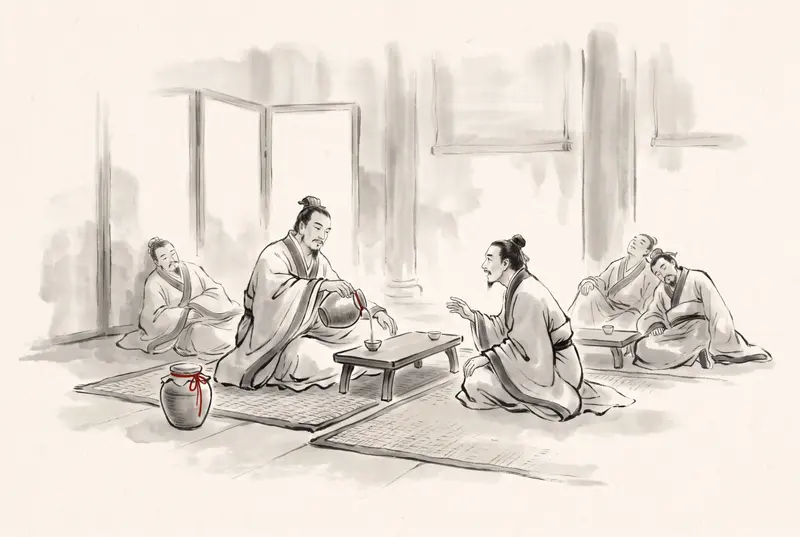
參始微時,與蕭何善;及為將相,有卻。至何且死,所推賢唯參。參代何為漢相國,舉事無所變更,一遵蕭何約束。擇郡國吏木詘於文辭,重厚長者,即召除為丞相史。吏之言文刻深,欲務聲名者,輒斥去之。日夜飲醇酒。卿大夫已下吏及賓客見參不事事,來者皆欲有言。至者,參輒飲以醇酒,閒之,欲有所言,復飲之,醉而後去,終莫得開說,以為常。
書き下し文
参始め微なりし時、蕭何と善し。将相と為るに及びて、郤有り。何の且に死せんとするに至り、推す所の賢は唯だ参のみ。参、何に代わりて漢の相国と為り、事を挙ぐるに変更する所無く、一に蕭何の約束に遵う。郡国の吏の文辞に木詘にして、重厚の長者を択び、即ち召して除して丞相の史と為す。吏の言文刻深にして、声名を務めんと欲する者は、輒ち斥けて之を去る。日夜醇酒を飲む。卿大夫已下の吏及び賓客、参の事を事とせざるを見、来たる者は皆言うこと有らんと欲す。至れば、参輒ち飲ましむるに醇酒を以てし、間ありて言う所有らんと欲すれば、復た之を飲ましめ、酔いて而る後に去る。終に開説するを得る莫く、以て常と為す。
現代語訳
曹参がまだ身分の低かったころ、蕭何とは仲がよかった。ところが二人とも将軍や宰相になると、仲たがいした。それでも蕭何は死ぬまぎわに、後任の賢者としてただ一人曹参を推した。曹参は蕭何に代わって漢の相国になったが、何一つ変えず、すべて蕭何の決めたとおりにした。郡や国の役人のなかから、口べたで文章も飾らない、重々しく誠実な人物を選んで、丞相府の属官に任じた。役人のうち、言葉や文書が細かくきびしく、名声をあげようとする者は、すぐに退けた。曹参自身は昼も夜も濃い酒を飲んでいた。大臣以下の役人や客たちは、曹参が仕事をしないのを見て、訪ねてくる者は皆、意見を言おうとした。ところが来ると、曹参はすぐに濃い酒を飲ませ、話のとぎれたところで何か言おうとすると、また飲ませて、酔わせてから帰した。結局だれも話を切り出せず、それがいつものことになった。
英訳
When Cao Can was still a man of no account, he and Xiao He had been good friends. When they became generals and ministers, they fell out. Yet when Xiao He was dying, the only worthy man he recommended was Cao Can. Cao Can took Xiao He's place as chancellor of state of the Han, and in all his acts he changed nothing, following the rules Xiao He had made in everything. From the officials of the commanderies and kingdoms he chose men who were slow of speech and plain in their writing, solid and honest elders, and at once called them in and made them clerks of the chancellor's office. Officials whose words and documents were harsh and hair-splitting, and who were eager to make a name for themselves, he quickly dismissed. Day and night he drank strong wine. The ministers and officials below him, and his guests, saw that he did not attend to business, and everyone who came wanted to say something. As soon as they arrived, Cao Can would give them strong wine to drink; when there was a pause and they wanted to speak, he gave them more, until they were drunk and went away. No one ever managed to raise a matter, and this became the custom.
解説(日)
- 有卻: 仲たがいしていた。それでも蕭何は国のために曹参を推し、曹参もまた蕭何の法を守った。
- 木詘於文辭: 言葉や文章が飾り気がなく、口べたなこと。
- 醇酒: 混じりけのない濃い酒。
解説(英)
- They fell out (有卻), yet each put the state first: Xiao He named Cao Can, and Cao Can kept Xiao He's laws.
- Slow of speech and plain in writing (木詘於文辭): Cao Can preferred honest men to clever ones.
- Strong wine (醇酒): undiluted wine.
英語の語注
- fall out/fɔl aʊt/phrasal verb
to stop being friends after a quarrel
本文では: “they fell out”
似た語と違い: quarrel — argue angrily · split — end a friendship
- hair-splitting/ˈhɛrˌsplɪtɪŋ/adjective
too concerned with very small details
本文では: “harsh and hair-splitting”
似た語と違い: pedantic — too fussy about rules · nit-picking — finding small faults (informal)
節 6
原文
相舍後園近吏舍,吏舍日飲歌呼。從吏惡之,無如之何,乃請參游園中,聞吏醉歌呼,從吏幸相國召按之。乃反取酒張坐飲,亦歌呼與相應和。參見人之有細過,專掩匿覆蓋之,府中無事。
書き下し文
相舎の後園、吏舎に近し。吏舎日に飲みて歌呼す。従吏之を悪むも、之を如何ともする無く、乃ち参に園中に游ばんことを請い、吏の酔いて歌呼するを聞かしめ、従吏、相国の召して之を按ぜんことを幸う。乃ち反って酒を取り、坐を張りて飲み、亦た歌呼して与に相応和す。参、人の細過有るを見れば、専ら掩匿して之を覆蓋し、府中事無し。
現代語訳
相国の屋敷の裏庭は、役人たちの宿舎に近かった。宿舎の役人たちは毎日酒を飲んで歌い騒いでいた。曹参のそばに仕える役人たちはそれを苦々しく思ったが、どうしようもないので、曹参に庭の散歩をすすめ、役人たちが酔って歌い騒ぐのを聞かせた。相国が彼らを呼び出して取り調べてくれることを期待したのである。ところが曹参は、かえって酒を持ってこさせ、席を設けて飲み、自分も歌って彼らに調子を合わせた。曹参は、人に小さな過ちがあるのを見ると、ひたすらかばって隠してやったので、役所の中には事件が起こらなかった。
英訳
The back garden of the chancellor's residence was close to the officials' lodgings, and every day the officials there drank and sang and shouted. Cao Can's own attendants hated it but could do nothing about it. So they asked him to take a walk in the garden, so that he would hear the officials singing and shouting drunkenly, hoping that the chancellor would call them in and punish them. Instead, he sent for wine, set out mats and drank, and sang and shouted too, answering their songs. When Cao Can saw that someone had made a small mistake, he would always cover it up and hide it, so that there was never any trouble in his office.
解説(日)
- 吏舍: 役人の宿舎。
- 應和: 歌に合わせて歌い返すこと。
- 細過: 小さな過ち。細かいことをとがめないのが曹参のやり方だった。
解説(英)
- Officials' lodgings (吏舍): quarters for the clerks of the chancellor's office.
- Answering their songs (應和): singing back in reply.
- Small mistakes (細過): Cao Can never punished trifles.
英語の語注
- lodgings/ˈlɑdʒɪŋz/noun
rooms where someone lives or stays
本文では: “close to the officials' lodgings”
似た語と違い: quarters — rooms to live in · rooms — places to stay
- cover up/ˈkʌvər ʌp/phrasal verb
to hide a mistake so others do not find out
本文では: “he would always cover it up and hide it”
似た語と違い: conceal — hide · hush up — keep secret
節 7
原文
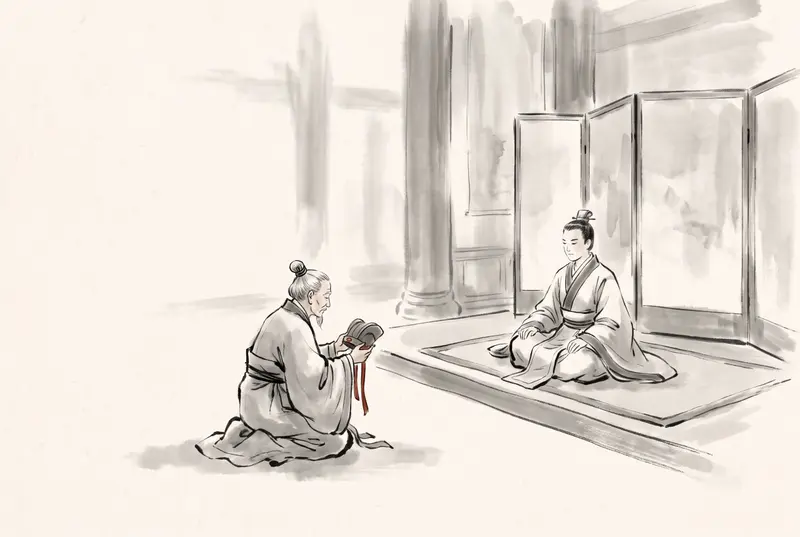
參子窋為中大夫。惠帝怪相國不治事,以為「豈少朕與」?乃謂窋曰:「若歸,試私從容問而父曰:『高帝新棄群臣,帝富於春秋,君為相,日飲,無所請事,何以憂天下乎?』然無言吾告若也。」窋既洗沐歸,窋侍,自從其所諫參。參怒,而笞窋二百,曰:「趣入侍,天下事非若所當言也。」至朝時,惠帝讓參曰:「與窋胡治乎?乃者我使諫君也。」參免冠謝曰:「陛下自察聖武孰與高帝?」上曰:「朕乃安敢望先帝乎!」曰:「陛下觀臣能孰與蕭何賢?」上曰:「君似不及也。」參曰:「陛下言之是也。且高帝與蕭何定天下,法令既明,今陛下垂拱,參等守職,遵而勿失,不亦可乎?」惠帝曰:「善。君休矣!」
書き下し文
参の子窋中大夫たり。恵帝、相国の事を治めざるを怪しみ、以為えらく「豈に朕を少しとするか」と。乃ち窋に謂いて曰く、「若帰りて、試みに私かに従容として而の父に問いて曰え、『高帝新たに群臣を棄て、帝は春秋に富む。君相と為り、日に飲み、請事する所無し。何を以て天下を憂えんや』と。然れども吾の若に告げしことを言う無かれ」と。窋既に洗沐して帰り、窋侍し、自ら其の所に従いて参を諫む。参怒りて窋を笞うつこと二百、曰く、「趣かに入りて侍せよ。天下の事は若の当に言うべき所に非ざるなり」と。朝する時に至り、恵帝参を譲めて曰く、「窋と胡ぞ治めたるや。乃者は我君を諫めしめしなり」と。参冠を免ぎて謝して曰く、「陛下自ら察するに、聖武は高帝に孰与ぞ」と。上曰く、「朕乃ち安んぞ敢えて先帝を望まんや」と。曰く、「陛下臣が能を観るに、蕭何の賢に孰与ぞ」と。上曰く、「君は及ばざるに似たり」と。参曰く、「陛下の之を言うは是なり。且つ高帝と蕭何と天下を定め、法令既に明らかなり。今陛下垂拱し、参等職を守り、遵いて失う勿くんば、亦た可ならずや」と。恵帝曰く、「善し。君休め」と。
現代語訳
曹参の息子の窋は中大夫だった。恵帝は相国が政治をしないのをふしぎに思い、「わたしが若いから、ばかにしているのではないか」と考えた。そこで窋に言った。「家に帰ったら、それとなく、ゆったりと父上にたずねてみよ。『高帝が亡くなられたばかりで、帝はまだお若い。あなたは相国なのに、毎日酒を飲んで、何も申し上げることがない。それでどうして天下のことを心配していると言えるのですか』と。ただし、わたしが言わせたとは言うなよ」。窋は休暇の日に家へ帰り、父のそばに仕えたとき、自分の考えのようにして父をいさめた。曹参は怒って窋を二百回むちで打ち、「さっさと宮中へもどってお仕えしろ。天下のことは、お前などが口を出すことではない」と言った。朝廷に出たとき、恵帝は曹参をとがめた。「なぜ窋を罰したのか。あれはわたしが言わせたのだ」。曹参は冠をぬいでわびてから言った。「陛下ご自身でお考えになって、聡明さと武勇は、高帝と比べていかがですか」。帝は「わたしなど、どうして先帝に及ぼうか」と言った。「陛下からご覧になって、わたしの能力は蕭何と比べていかがですか」。帝は「あなたは及ばないようだ」と言った。曹参は言った。「陛下のおっしゃるとおりです。高帝と蕭何は天下を定め、法令はすでにはっきりしています。いま陛下は手をこまねいて座っておられ、わたしどもは職務を守り、決まりに従って失わないようにしていれば、それでよいではありませんか」。恵帝は「なるほど。もう休んでよい」と言った。
英訳
Cao Can's son Zhu was a palace grandee. Emperor Hui wondered why the chancellor did not attend to government, and thought: "Does he look down on me because I am young?" So he said to Zhu: "When you go home, try asking your father privately, as if in passing: 'Emperor Gao has only just left his ministers, and the emperor is young. You are chancellor, yet you drink every day and never bring any business to the throne. How can you be caring for the realm?' But do not say that I told you to." When Zhu went home on his day off and was waiting on his father, he took it upon himself to reproach him. Cao Can was furious and had Zhu given two hundred strokes of the rod. "Go back to the palace at once and wait on the emperor," he said. "The affairs of the realm are not for you to talk about." At the next court, Emperor Hui scolded Cao Can: "Why did you punish Zhu? It was I who had him reproach you." Cao Can took off his cap, begged pardon and said: "Let Your Majesty judge for yourself: how do your wisdom and courage compare with Emperor Gao's?" The emperor said: "How could I dare compare myself with the late emperor?" "And when Your Majesty looks at my abilities, how do they compare with Xiao He's?" The emperor said: "You do not seem to be his equal." Cao Can said: "Your Majesty is right. Emperor Gao and Xiao He brought peace to the realm, and the laws are already clear. Now if Your Majesty sits with folded hands, and we ministers keep to our duties and follow the laws without fail, is that not enough?" Emperor Hui said: "Good. You may rest."
解説(日)
- 中大夫: 宮中で皇帝に仕え、意見を述べる役。
- 洗沐: 役人の休暇。五日に一度、家に帰って髪を洗うことを許された。
- 垂拱: 衣のすそを垂らし、手をこまねいていること。何もしなくても天下が治まるたとえ。
解説(英)
- Palace grandee (中大夫): an adviser in attendance on the emperor.
- Day off (洗沐): officials were allowed home every five days to wash their hair.
- Sits with folded hands (垂拱): ruling without effort, because all is in order.
英語の語注
- look down on/lʊk daʊn ɑn/phrasal verb
to think you are better than someone
本文では: “Does he look down on me”
似た語と違い: despise — feel contempt for · scorn — treat as worthless
- scold/skoʊld/verb
to speak angrily to someone who has done wrong
本文では: “Emperor Hui scolded Cao Can”
似た語と違い: rebuke — criticise sharply · tell off — scold (informal)
節 8
原文
參為漢相國,出入三年。卒,謚懿侯。子窋代侯。百姓歌之曰:「蕭何為法,顜若畫一;曹參代之,守而勿失。載其清凈,民以寧一。」
書き下し文
参漢の相国と為り、出入三年。卒し、謚して懿侯と曰う。子窋侯に代わる。百姓之を歌いて曰く、「蕭何法を為り、顜として画一の若し。曹参之に代わり、守りて失う勿し。其の清浄に載り、民以て寧一なり」と。
現代語訳
曹参は漢の相国を足かけ三年つとめた。亡くなると、懿侯と諡された。息子の窋が侯の位を継いだ。民はこう歌った。「蕭何が法を作れば、まっすぐで線を一本引いたよう。曹参が代わって、守って失わない。その清く静かな政治にのって、民は安らかに一つにまとまる」。
英訳
Cao Can was chancellor of state of the Han for three years. When he died he was given the posthumous name Marquis Yi, and his son Zhu inherited the marquisate. The people sang of him: "Xiao He made the laws, straight as a line drawn with a brush; Cao Can took his place, and kept them without fail. Carried on his purity and quiet, the people are at peace and at one."
解説(日)
- 顜若畫一: 一本の線を引いたように、はっきりとそろっていること。
- この歌から、前の人の決めたことをそのまま受け継ぐことを「蕭規曹随(蕭何が規し、曹参が随う)」という。
- 曹参が相国だったのは前193〜前190年。
解説(英)
- Straight as a line (顜若畫一): clear and even, like one stroke of a brush.
- From this song comes the phrase "Xiao made the rules and Cao followed" (蕭規曹隨), for keeping a predecessor's policies.
- Cao Can was chancellor from 193 to 190 BCE.
この節から生まれた言葉: 蕭規曹随
英語の語注
- posthumous/ˈpɑstʃəməs/adjective
given after a person has died
本文では: “the posthumous name Marquis Yi”
似た語と違い: after death — when someone has died · memorial — in memory of the dead
- inherit/ɪnˈhɛrɪt/verb
to receive a title or property from someone who has died
本文では: “inherited the marquisate”
似た語と違い: succeed to — take over a position · come into — receive (money or property)
節 9
原文
太史公曰:曹相國參攻城野戰之功所以能多若此者,以與淮陰侯俱。及信已滅,而列侯成功,唯獨參擅其名。參為漢相國,清靜極言合道。然百姓離秦之酷後,參與休息無為,故天下俱稱其美矣。
書き下し文
太史公曰く、曹相国参の城を攻め野に戦うの功の能く多きこと此くの若き所以の者は、淮陰侯と倶にせしを以てなり。信已に滅び、而して列侯の功を成すもの、唯だ独り参其の名を擅にす。参漢の相国と為り、清静にして極めて道に合うと言う。然れども百姓秦の酷を離れし後、参与に休息して無為なり。故に天下倶に其の美を称す。
現代語訳
太史公は言う。相国曹参が城を攻め、野で戦って、これほど多くの手柄を立てられたのは、淮陰侯韓信といっしょだったからである。韓信が滅んだあと、列侯のなかで手柄を立てた者としては、曹参ただ一人がその名声をほしいままにした。曹参は漢の相国となって、清く静かな政治を行い、道にぴったりかなっていたと言われる。秦のむごい政治から抜け出したばかりの民に、曹参はともに休み、何もしない政治を行った。だから天下の者は皆、そのすばらしさをたたえたのである。
英訳
The Grand Historian says: The reason Chancellor Cao Can won so many victories in attacking cities and fighting in the field was that he was with the Marquis of Huaiyin. After Han Xin was destroyed, Cao Can alone had the fame for the deeds of all the marquises. As chancellor of the Han, he was pure and quiet, and people said that he was perfectly in tune with the Way. The people had just escaped the cruelty of Qin, and Cao Can let them rest and did nothing. That is why the whole realm praised his goodness.
解説(日)
- 淮陰侯: 韓信(092-han-xin の章)。曹参は韓信の下で魏・趙・斉の戦いに加わった。
- 無爲: 君主や役人が余計なことをせず、民を自然にまかせる政治。黄老の思想の中心。
- 司馬遷は、曹参の戦功は韓信のおかげと冷静に見る一方、相国としての「無為」は時代に合っていたとほめている。
解説(英)
- The Marquis of Huaiyin (淮陰侯): Han Xin (chapter 092), under whom Cao Can fought in Wei, Zhao and Qi.
- Did nothing (無爲): "non-action", the heart of the teaching of the Yellow Emperor and Laozi.
- Sima Qian gives Han Xin the credit for Cao Can's battles, but praises his quiet government as right for its time.
英語の語注
- cruelty/ˈkruəlti/noun
behaviour that causes pain to others
本文では: “escaped the cruelty of Qin”
似た語と違い: brutality — savage cruelty · harshness — severe treatment
- in tune with/ɪn tun wɪð/phrase
in agreement or harmony with
本文では: “perfectly in tune with the Way”
似た語と違い: in harmony with — fitting well with · in line with — agreeing with