列伝 · 巻 77
魏公子列伝 魏公子列傳
信陵君(兵符を盗んで趙を救う) 竊符救趙
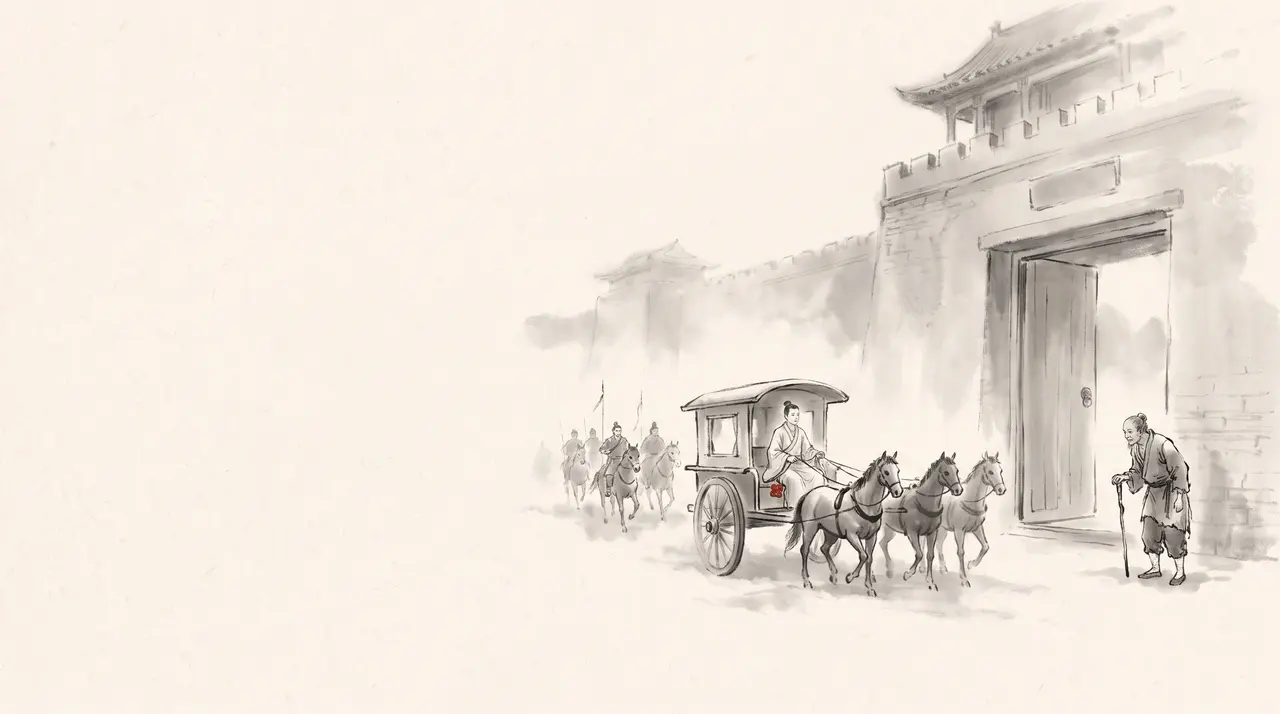
魏の公子・信陵君は、身分にかかわらず人を敬い、三千人の食客を集めた。七十歳の門番の侯嬴を自ら車で迎え、侯嬴にわざと市場で待たされても顔色ひとつ変えなかった。秦が趙の都の邯鄲を囲むと、魏王は秦を恐れて援軍を止めてしまう。信陵君は客を連れて死ににいこうとするが、侯嬴は「王の寝室にある兵符を、如姫に盗ませなさい」と策を授ける。信陵君は肉屋の朱亥とともに将軍晋鄙の軍を奪って趙を救い、侯嬴は約束どおり北を向いて自ら命を絶つ。のちに信陵君は秦の離間策によって退けられ、酒におぼれて死ぬ。
この巻のうち「信陵君(兵符を盗んで趙を救う)」の場面を載せています。巻の全文ではありません。
音声
音声は合成音声です。
動画
節 1
原文
魏公子無忌者,魏昭王子少子而魏安釐王異母弟也。昭王薨,安釐王即位,封公子為信陵君。是時范睢亡魏相秦,以怨魏齊故,秦兵圍大梁,破魏華陽下軍,走芒卯。魏王及公子患之。公子為人仁而下士,士無賢不肖皆謙而禮交之,不敢以其富貴驕士。士以此方數千里爭往歸之,致食客三千人。當是時,諸侯以公子賢,多客,不敢加兵謀魏十餘年。
書き下し文
魏の公子無忌なる者は、魏の昭王の少子にして、魏の安釐王の異母弟なり。昭王薨じ、安釐王即位し、公子を封じて信陵君と為す。是の時范睢魏を亡れて秦に相たり。魏斉を怨むの故を以て、秦の兵大梁を囲み、魏の華陽の下の軍を破り、芒卯を走らす。魏王及び公子之を患う。公子人と為り仁にして士に下る。士は賢不肖と無く皆謙りて礼もて之に交わり、敢えて其の富貴を以て士に驕らず。士此を以て方数千里争いて往きて之に帰し、食客三千人を致す。是の時に当たり、諸侯公子の賢にして客多きを以て、敢えて兵を加えて魏を謀らざること十余年。
現代語訳
魏の公子無忌は、魏の昭王の末子で、安釐王の腹違いの弟である。昭王が亡くなって安釐王が位につくと、公子を信陵君に封じた。そのころ范雎が魏から逃げて秦の宰相になっており、魏斉を恨んでいたので、秦の兵は魏の都の大梁を包囲し、華陽のふもとで魏の軍を破り、将軍の芒卯を敗走させた。魏王も公子もこれを心配していた。公子は人柄が思いやり深く、士にへりくだった。士がすぐれていても、そうでなくても、だれにでも謙虚に礼をつくして付き合い、決して自分の富や身分を鼻にかけなかった。そのため士は数千里四方から争って公子のもとに集まり、食客は三千人にのぼった。このころ諸侯は、公子がすぐれていて客も多いので、十年あまり、魏に兵を向けようとはしなかった。
英訳
Prince Wuji of Wei was the youngest son of King Zhao of Wei and a half-brother of King Anxi. When King Zhao died and King Anxi came to the throne, he made the prince Lord Xinling. At that time Fan Ju had fled Wei and become chancellor of Qin, and because of his hatred for Wei Qi, Qin's army besieged Daliang, defeated the Wei army below Huayang and put Mang Mao to flight. The King of Wei and the prince were worried. The prince was a kind man who humbled himself before gentlemen. Whether they were worthy or not, he treated them all modestly and with courtesy, and never dared to lord his wealth and rank over them. Because of this, gentlemen from thousands of li around competed to come to him, and he gathered three thousand retainers. At that time, because the prince was so able and had so many guests, the lords did not dare to send their armies against Wei for more than ten years.
解説(日)
- 信陵君: 魏無忌(?〜前243年)。戦国四君の一人。「魏公子」と呼ばれる。
- 安釐王: 魏の王(在位 前276〜前243年)。
- 范睢: 范雎。魏の人で、魏で殺されかけて秦に逃れ、宰相となった(巻79の章を参照)。魏斉はそのとき范雎を辱めた魏の宰相。
- 華陽・芒卯: 華陽は今の河南省新鄭市のあたり。芒卯は魏の将軍。
- 下士: 士にへりくだる。
- 賢不肖: すぐれた者もそうでない者も。
解説(英)
- Lord Xinling: Wei Wuji (d. 243 BCE), one of the Four Lords of the Warring States, often called simply "the Prince of Wei."
- King Anxi of Wei (r. 276–243 BCE).
- Fan Ju: a man of Wei who was nearly killed there, fled to Qin and became its chancellor (see Volume 79). Wei Qi was the Wei minister who had humiliated him.
- Huayang and Mang Mao: Huayang was near present-day Xinzheng in Henan; Mang Mao was a general of Wei.
- 下士: humbling oneself before gentlemen.
- 賢不肖: the worthy and the unworthy alike.
英語の語注
- humble oneself/ˈhʌmbəl wʌnˈsɛlf/phrase
to act as if you are lower than others, to show respect
本文では: “humbled himself before gentlemen”
似た語と違い: defer to — accept someone else's rank or opinion · stoop — lower yourself
- retainer/rɪˈteɪnər/noun
a person who lives in a lord's house and serves him
本文では: “he gathered three thousand retainers”
似た語と違い: follower — a person who serves a leader · dependent — a person supported by another
節 2
原文
公子與魏王博,而北境傳舉烽,言「趙寇至,且入界」。魏王釋博,欲召大臣謀。公子止王曰:「趙王田獵耳,非為寇也。」復博如故。王恐,心不在博。居頃,復從北方來傳言曰:「趙王獵耳,非為寇也。」魏王大驚,曰:「公子何以知之?」公子曰:「臣之客有能深得趙王陰事者,趙王所為,客輒以報臣,臣以此知之。」是後魏王畏公子之賢能,不敢任公子以國政。
書き下し文
公子魏王と博す。而して北境より伝えて烽を挙げ、言う「趙の寇至り、且に界に入らんとす」と。魏王博を釈き、大臣を召して謀らんと欲す。公子王を止めて曰く、「趙王田猟するのみ。寇を為すに非ざるなり」と。復た博すること故の如し。王恐れ、心博に在らず。居ること頃くして、復た北方より来たりて伝え言いて曰く、「趙王猟するのみ。寇を為すに非ざるなり」と。魏王大いに驚きて曰く、「公子何を以て之を知る」と。公子曰く、「臣の客に能く深く趙王の陰事を得る者有り。趙王の為す所は、客輒ち以て臣に報ず。臣此を以て之を知る」と。是の後魏王公子の賢能を畏れ、敢えて公子に任ずるに国政を以てせず。
現代語訳
公子が魏王と双六のような博打をしていると、北の国境から、のろしが上がったと知らせが来た。「趙の軍が攻めてきて、国境を越えようとしています」。魏王は博打をやめて、大臣たちを呼んで相談しようとした。公子は王を止めて言った。「趙王は狩りをしているだけです。攻めてきたのではありません」。そして前と同じように博打を続けた。王は不安で、博打どころではなかった。しばらくすると、また北から知らせが来た。「趙王は狩りをしていただけで、攻めてきたのではありませんでした」。魏王はひどく驚いて言った。「公子はどうしてそれがわかったのか」。公子は言った。「わたしの客に、趙王の内々のことまで深く探れる者がおり、趙王のすることは、その客がすぐにわたしに知らせてくるのです。それでわかったのです」。それからというもの、魏王は公子のすぐれた能力を恐れて、公子に国の政治を任せようとはしなくなった。
英訳
The prince was playing a board game with the King of Wei when word came from the northern border that beacon fires had been lit: "Raiders from Zhao are coming and are about to cross the border." The King of Wei put down the game and was about to summon his ministers to take counsel. The prince stopped him, saying, "The King of Zhao is only hunting. He is not raiding." And he went on playing as before. The king was afraid, and his mind was not on the game. A little later another message came from the north: "The King of Zhao was only hunting. He was not raiding." The King of Wei was astonished and said, "How did you know, Prince?" The prince said, "Among my guests is one who can learn the King of Zhao's most secret affairs. Whatever the King of Zhao does, he reports to me at once. That is how I knew." After that, the King of Wei feared the prince's ability and did not dare to entrust him with the government of the state.
解説(日)
- 博: 盤とさいころを使う博打の遊び(六博)。
- 烽: のろし。敵の侵入を知らせる合図の煙や火。
- 田獵: 狩り。大規模な狩りは軍の動きと見分けにくかった。
- 陰事: 内々のこと、秘密。
- 畏公子之賢能: 公子の能力を恐れる。弟が王より人望を集めることを警戒した。
解説(英)
- 博: liubo, a board game played with dice.
- 烽: beacon fires warning of an invasion.
- 田獵: hunting; a royal hunt could look like an army on the move.
- 陰事: secret affairs.
- Feared the prince's ability: the king was wary of a brother who was more popular than himself.
英語の語注
- beacon/ˈbiːkən/noun
a fire lit on a hill as a warning signal
本文では: “beacon fires had been lit”
似た語と違い: signal fire — a fire used as a message · flare — a bright light used as a signal
- raider/ˈreɪdər/noun
a soldier who makes a sudden attack to steal or destroy
本文では: “Raiders from Zhao are coming”
似た語と違い: invader — one who enters another land by force · marauder — one who roams and attacks
節 3
原文
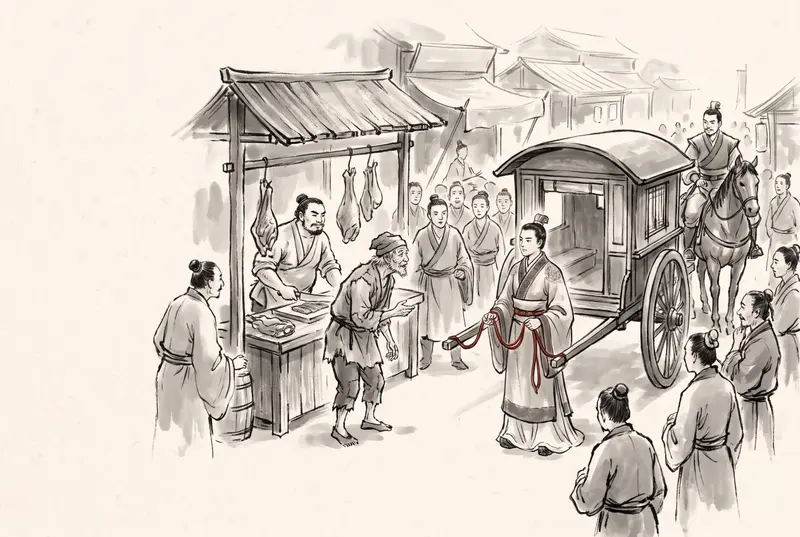
魏有隱士曰侯嬴,年七十,家貧,為大梁夷門監者。公子聞之,往請,欲厚遺之。不肯受,曰:「臣脩身絜行數十年,終不以監門困故而受公子財。」公子於是乃置酒大會賓客。坐定,公子從車騎,虛左,自迎夷門侯生。侯生攝敝衣冠,直上載公子上坐,不讓,欲以觀公子。公子執轡愈恭。侯生又謂公子曰:「臣有客在市屠中,願枉車騎過之。」公子引車入市,侯生下見其客朱亥,俾倪故久立,與其客語,微察公子。
書き下し文
魏に隠士有り、侯嬴と曰う。年七十、家貧しく、大梁の夷門の監者為り。公子之を聞き、往きて請い、厚く之に遺らんと欲す。肯えて受けずして曰く、「臣身を修め行いを絜くすること数十年、終に監門の困しむの故を以て公子の財を受けず」と。公子是に於いて乃ち酒を置きて大いに賓客を会す。坐定まり、公子車騎を従え、左を虚しくして、自ら夷門の侯生を迎う。侯生敝れたる衣冠を摂め、直ちに上りて公子の上坐に載り、譲らず。以て公子を観んと欲す。公子轡を執ること愈いよ恭し。侯生又公子に謂いて曰く、「臣に客有りて市の屠中に在り。願わくは車騎を枉げて之に過らん」と。公子車を引きて市に入る。侯生下りて其の客朱亥に見え、俾倪して故に久しく立ち、其の客と語り、微かに公子を察す。
現代語訳
魏に侯嬴という隠者がいた。年は七十、家は貧しく、大梁の東門である夷門の門番をしていた。公子はそれを聞くと、訪ねていって贈り物をしようとした。侯嬴は受け取らずに言った。「わたしは何十年も身を修め、行いを清くしてきました。門番の暮らしが苦しいからといって、公子の財をいただくわけにはまいりません」。そこで公子は酒宴を開き、大勢の客を招いた。客がみな席につくと、公子は車と供の騎兵を連れ、自分の左の上座を空けて、自ら夷門の侯先生を迎えに行った。侯先生はぼろぼろの衣と冠を整えると、遠慮もせずにまっすぐ車に乗りこんで公子の上座に座り、公子の様子をうかがった。公子はますますうやうやしく手綱を取った。侯先生はさらに公子に言った。「市場の肉屋に友人がおります。車を回して立ち寄っていただきたい」。公子が車を市場に乗り入れると、侯先生は車を下りて友人の朱亥に会い、わざと横目で公子を見ながら長いこと立ち話をして、ひそかに公子の様子を観察した。
英訳
In Wei there was a recluse named Hou Ying. He was seventy years old and poor, and kept the Yi Gate of Daliang. When the prince heard of him, he went to call on him and wanted to give him a rich gift. Hou Ying would not accept it, saying, "For decades I have cultivated myself and kept my conduct clean. I will not take your money just because a gatekeeper's life is hard." So the prince held a great banquet for his guests. When everyone was seated, the prince set out with his carriage and riders, leaving the seat of honor on his left empty, to fetch Master Hou of the Yi Gate himself. Master Hou straightened his worn-out clothes and cap, climbed straight into the seat of honor without a word of modesty, and watched to see what the prince would do. The prince held the reins all the more respectfully. Then Master Hou said to the prince, "I have a friend among the butchers in the market. I would like you to take your carriage out of the way to call on him." The prince drove the carriage into the market. Master Hou got down to see his friend Zhu Hai, and he deliberately stood there a long time talking with him, glancing sideways to watch the prince out of the corner of his eye.
解説(日)
- 侯嬴: 魏の隠者。夷門の門番。「侯生」は侯先生という意味の敬称。
- 夷門: 大梁の東門。
- 監者: 門番。
- 虛左: 車の左の席(上座)を空けておく。客を最高の礼で迎えること。
- 攝敝衣冠: ぼろぼろの衣と冠を整える。
- 屠: 肉屋。
- 朱亥: 侯嬴の友人の肉屋。のちの力士。
- 俾倪: 横目で見る。
解説(英)
- Hou Ying: a recluse of Wei who kept the Yi Gate. "Master Hou" (侯生) is a respectful form of address.
- The Yi Gate: the east gate of Daliang.
- 監者: a gatekeeper.
- 虛左 ("leaving the left empty"): keeping the seat of honor in the carriage free for a guest.
- 攝敝衣冠: straightening his worn clothes and cap.
- 屠: a butcher.
- Zhu Hai: Hou Ying's friend, a butcher of great strength.
- 俾倪: glancing sideways.
この節から生まれた言葉: 左を虚しくして待つ
英語の語注
- recluse/ˈrɛkluːs/noun
a person who lives apart from society
本文では: “a recluse named Hou Ying”
似た語と違い: hermit — a person living alone, often for religion · loner — a person who prefers to be alone
- reins/reɪnz/noun
the long straps used to control a horse
本文では: “held the reins all the more respectfully”
似た語と違い: bridle — the straps on a horse's head · harness — the straps that tie a horse to a cart
- butcher/ˈbʊtʃər/noun
a person who kills animals and sells meat
本文では: “a friend among the butchers in the market”
似た語と違い: meat seller — a person who sells meat · slaughterer — a person who kills animals for food
節 4
原文
公子顏色愈和。當是時,魏將相宗室賓客滿堂,待公子舉酒。市人皆觀公子執轡。從騎皆竊罵侯生。侯生視公子色終不變,乃謝客就車。至家,公子引侯生坐上坐,遍贊賓客,賓客皆驚。酒酣,公子起,為壽侯生前。侯生因謂公子曰:「今日嬴之為公子亦足矣。嬴乃夷門抱關者也,而公子親枉車騎,自迎嬴於眾人廣坐之中,不宜有所過,今公子故過之。然嬴欲就公子之名,故久立公子車騎市中,過客以觀公子,公子愈恭。市人皆以嬴為小人,而以公子為長者能下士也。」於是罷酒,侯生遂為上客。
書き下し文
公子の顔色愈いよ和らぐ。是の時に当たり、魏の将相・宗室・賓客堂に満ち、公子の酒を挙ぐるを待つ。市人皆公子の轡を執るを観る。従騎皆窃かに侯生を罵る。侯生公子の色を視るに終に変ぜず。乃ち客に謝して車に就く。家に至り、公子侯生を引きて上坐に坐せしめ、遍く賓客に賛す。賓客皆驚く。酒酣にして、公子起ちて、寿を侯生の前に為す。侯生因りて公子に謂いて曰く、「今日嬴の公子の為にするも亦た足れり。嬴は乃ち夷門の抱関者なり。而るに公子親ら車騎を枉げ、自ら嬴を衆人広坐の中に迎う。宜しく過る所有るべからざるに、今公子故に之に過る。然れども嬴公子の名を就さんと欲す。故に久しく公子の車騎を市中に立たしめ、客に過りて以て公子を観るに、公子愈いよ恭し。市人皆嬴を以て小人と為し、而して公子を以て長者にして能く士に下ると為すなり」と。是に於いて酒を罷め、侯生遂に上客と為る。
現代語訳
公子の顔つきは、ますます穏やかになった。このとき屋敷では、魏の将軍や大臣、王族、客たちが広間にあふれ、公子が乾杯の音頭をとるのを待っていた。市場の人々はみな、公子が手綱を取っている様子を見物していた。供の騎兵たちは、こっそり侯先生をののしった。侯先生は、公子の顔色が最後まで変わらないのを見とどけると、友人に別れを告げて車に戻った。屋敷に着くと、公子は侯先生を上座に座らせ、客の一人一人に引き合わせたので、客たちはみな驚いた。宴もたけなわになると、公子は立ち上がって、侯先生の前で長寿を祝う杯をささげた。すると侯先生は公子に言った。「今日、わたしが公子のためにしたことも、もう十分でしょう。わたしはただの夷門の門番です。それなのに公子は自ら車を回し、大勢の人が集まる席にわたしを迎えてくださった。寄り道などすべきではなかったのに、わたしはわざと公子に寄り道をさせました。けれども、わたしは公子の名をあげてさしあげたかったのです。だから長いこと公子の車を市場に止めさせ、友人のところに立ち寄って公子の様子を見ていたのですが、公子はますますうやうやしくなられました。市場の人々はみな、わたしをつまらない人間だと思い、公子を、徳があって士にへりくだることのできる方だと思ったはずです」。こうして宴が終わり、侯先生は上客となった。
英訳
The prince's face grew only gentler. Back at his house, the generals and ministers of Wei, members of the royal clan and guests filled the hall, waiting for the prince to begin the toasts. The people in the market all watched the prince holding the reins, and the riders in his escort cursed Master Hou under their breath. When Master Hou saw that the prince's expression never changed, he took leave of his friend and returned to the carriage. When they reached the house, the prince led Master Hou to the seat of honor and introduced him to every guest, and the guests were all astonished. When the wine was flowing, the prince rose and drank to Master Hou's long life. Master Hou then said to the prince, "What I have done for you today is enough. I am only the gatekeeper of the Yi Gate, yet you came yourself with your carriage and riders to fetch me before a great gathering. I should not have made you go out of your way, but I did it on purpose. I wanted to make your name. So I kept your carriage standing in the market a long time while I visited my friend and watched you, and you only grew more respectful. The people of the market will all think me a petty man, and think you a true gentleman who can humble himself before others." With that the banquet ended, and Master Hou became an honored guest.
解説(日)
- 宗室: 王族。
- 舉酒: 乾杯の音頭をとる。
- 贊: 客に紹介する。
- 為壽: 長寿を祝って杯をささげる。
- 抱關者: 門のかんぬきを預かる者、門番。
- 就公子之名: 公子の名声をなしとげさせる。わざと無礼にふるまって、公子の謙虚さを世間に見せた。
- 長者: 徳のある、度量の大きい人。
解説(英)
- 宗室: the royal clan.
- 舉酒: to begin the toasts.
- 贊: to introduce a guest.
- 為壽: to drink to someone's long life.
- 抱關者: the keeper of a gate bar, a gatekeeper.
- 就公子之名 ("make your name"): by being rude on purpose, he let the whole city see the prince's humility.
- 長者: a person of virtue and generosity.
英語の語注
- astonished/əˈstɑnɪʃt/adjective
very surprised
本文では: “the guests were all astonished”
似た語と違い: amazed — very surprised · stunned — so surprised you cannot react
- petty/ˈpɛti/adjective
small-minded, caring about unimportant things
本文では: “think me a petty man”
似た語と違い: small-minded — narrow in thinking · mean — unkind; not generous
- on purpose/ɑn ˈpɜrpəs/phrase
deliberately, not by accident
本文では: “I did it on purpose”
似た語と違い: deliberately — with intention · intentionally — meaning to do it
節 5
原文
魏安釐王二十年,秦昭王已破趙長平軍,又進兵圍邯鄲。公子姊為趙惠文王弟平原君夫人,數遺魏王及公子書,請救於魏。魏王使將軍晉鄙將十萬眾救趙。秦王使使者告魏王曰:「吾攻趙旦暮且下,而諸侯敢救者,已拔趙,必移兵先擊之。」魏王恐,使人止晉鄙,留軍壁鄴,名為救趙,實持兩端以觀望。
書き下し文
魏の安釐王の二十年、秦の昭王已に趙の長平の軍を破り、又兵を進めて邯鄲を囲む。公子の姊は趙の恵文王の弟平原君の夫人為り。数しば魏王及び公子に書を遺りて、救いを魏に請う。魏王将軍晋鄙をして十万の衆を将いて趙を救わしむ。秦王使者をして魏王に告げしめて曰く、「吾趙を攻めて旦暮に且に下らんとす。而るに諸侯の敢えて救う者は、已に趙を抜かば、必ず兵を移して先ず之を撃たん」と。魏王恐れ、人をして晋鄙を止めしめ、軍を留めて鄴に壁せしむ。名は趙を救うと為すも、実は両端を持して以て観望す。
現代語訳
魏の安釐王の二十年(前257年)、秦の昭王はすでに長平で趙の軍を破り、さらに兵を進めて邯鄲を包囲した。公子の姉は、趙の恵文王の弟である平原君の夫人だったので、何度も魏王と公子に手紙を送って、魏に救いを求めた。魏王は将軍の晋鄙に十万の兵を率いさせて趙を救いに向かわせた。すると秦王は使者を送って魏王に告げた。「わたしは趙を攻めていて、今日明日にも落とすところだ。もし諸侯の中に趙を救おうとする者があれば、趙を落としたあと、必ず兵を向けて真っ先にそこを攻める」。魏王は恐れて、人をやって晋鄙を止め、鄴に陣を張らせてとどめた。名目は趙を救うためだが、実はどちらにもつかずに、成り行きを見守っていたのである。
英訳
In the twentieth year of King Anxi of Wei, King Zhao of Qin, having already crushed the Zhao army at Changping, advanced and besieged Handan. The prince's elder sister was the wife of Lord Pingyuan, the brother of King Huiwen of Zhao, and she sent letter after letter to the King of Wei and the prince begging Wei for help. The King of Wei sent General Jin Bi with an army of a hundred thousand to rescue Zhao. Then the King of Qin sent an envoy to tell the King of Wei, "I am attacking Zhao, and it will fall any day now. If any of the lords dares to rescue it, once I have taken Zhao I will turn my army on him first." The King of Wei was afraid. He sent men to stop Jin Bi and had the army halt and dig in at Ye. In name it was rescuing Zhao; in fact it was sitting on the fence, waiting to see what would happen.
解説(日)
- 魏安釐王二十年: 前257年。
- 長平: 前260年、秦の白起が趙の大軍を破った戦い(巻76の章を参照)。
- 平原君夫人: 信陵君の姉は平原君の妻だった。
- 晉鄙: 魏の将軍。
- 壁: 陣地を築いてとどまる。
- 鄴: 今の河北省臨漳県のあたり。魏と趙の境。
- 持兩端以觀望: どちらにもつかずに様子を見る。日和見。
解説(英)
- The twentieth year of King Anxi: 257 BCE.
- Changping: where Bai Qi of Qin crushed the Zhao army in 260 BCE (see Volume 76).
- Lord Pingyuan's wife: the prince's sister was married to Lord Pingyuan.
- Jin Bi: a general of Wei.
- 壁: to dig in, to fortify a camp.
- Ye: near present-day Linzhang in Hebei, on the border of Wei and Zhao.
- 持兩端以觀望 ("holding both ends and watching"): sitting on the fence.
英語の語注
- dig in/ˌdɪɡ ˈɪn/phrasal verb
to make a strong defensive position and stay there
本文では: “had the army halt and dig in at Ye”
似た語と違い: entrench — dig trenches for defense · hold position — stay where you are
- sit on the fence/sɪt ɑn ðə fɛns/idiom
to avoid choosing between two sides
本文では: “it was sitting on the fence”
似た語と違い: hedge — avoid a clear decision · waver — be unable to decide
節 6
原文
平原君使者冠蓋相屬於魏,讓魏公子曰:「勝所以自附為婚姻者,以公子之高義,為能急人之困。今邯鄲旦暮降秦而魏救不至,安在公子能急人之困也!且公子縱輕勝,棄之降秦,獨不憐公子姊邪?」公子患之,數請魏王,及賓客辯士說王萬端。魏王畏秦,終不聽公子。公子自度終不能得之於王,計不獨生而令趙亡,乃請賓客,約車騎百餘乘,欲以客往赴秦軍,與趙俱死。
書き下し文
平原君の使者冠蓋魏に相属き、魏の公子を譲めて曰く、「勝の自ら附きて婚姻を為す所以の者は、公子の高義の、能く人の困を急にするが為を以てなり。今邯鄲旦暮に秦に降らんとするに、魏の救い至らず。安くに在るや、公子の能く人の困を急にするは。且つ公子縦い勝を軽んじ、之を棄てて秦に降らしむとも、独り公子の姊を憐れまざるか」と。公子之を患え、数しば魏王に請い、及び賓客弁士の王に説くこと万端なり。魏王秦を畏れ、終に公子を聴かず。公子自ら度るに終に之を王に得る能わず。計るに独り生きて趙をして亡ばしめず。乃ち賓客に請い、車騎百余乗を約し、客を以て往きて秦軍に赴き、趙と倶に死せんと欲す。
現代語訳
平原君の使者は、冠と車のおおいが途切れなく続くほど次々と魏にやって来て、魏の公子を責めた。「わたしがあなたの姉を妻に迎えて縁を結んだのは、あなたが正義をたっとび、人の苦しみを見ると、すぐに助けてくれる方だと思ったからです。いま邯鄲は今日明日にも秦に降伏しそうなのに、魏の救援は来ない。人の苦しみをすぐに助けるあなたは、どこにいるのですか。たとえあなたがわたしを軽んじて、秦に降るにまかせるとしても、あなたの姉を、かわいそうだとは思わないのですか」。公子は思い悩み、何度も魏王に願い出た。客や弁の立つ者たちも、ありとあらゆる手を使って王を説いた。しかし魏王は秦を恐れて、とうとう公子の言うことを聞かなかった。公子は、もう王を説き伏せることはできないと悟った。自分だけ生き残って、趙を滅ぼさせるわけにはいかないと考え、客たちに頼んで車と騎兵を百台あまりそろえ、客たちとともに秦の軍に突っこみ、趙とともに死のうとした。
英訳
Lord Pingyuan's envoys came to Wei one after another, their caps and carriage canopies in an unbroken line, to reproach the prince: "I married into your family because of your noble sense of right, because I thought you were a man who hurries to help others in distress. Now Handan will surrender to Qin any day, and no help comes from Wei. Where is the prince who hurries to help others in distress? And even if you think little of me and leave me to surrender to Qin, do you feel no pity for your own sister?" The prince was tormented by this. He begged the King of Wei again and again, and his guests and orators argued with the king in every way they could. But the King of Wei feared Qin and would not listen to the prince. Judging that he would never win over the king, and resolving not to stay alive himself while Zhao was destroyed, the prince called on his guests to gather more than a hundred chariots and riders, meaning to charge the Qin army with them and die together with Zhao.
解説(日)
- 冠蓋相屬: 冠や車のおおいが続く。使者が次々にやって来ること。
- 讓: 責める。
- 急人之困: 人の苦しみを見て、急いで助ける。
- 辯士: 弁の立つ者、遊説家。
- 萬端: ありとあらゆる方法で。
- 計不獨生而令趙亡: 自分だけ生き残って趙を滅ぼさせることはしないと考える。
解説(英)
- 冠蓋相屬 ("caps and canopies in a line"): envoys arriving one after another.
- 讓: to reproach.
- 急人之困: to hurry to help others in distress.
- 辯士: orators, persuaders.
- 萬端: in every possible way.
- 計不獨生而令趙亡: resolving not to survive alone while Zhao perished.
英語の語注
- reproach/rɪˈproʊtʃ/verb
to tell someone you are disappointed with what they did
本文では: “to reproach the prince”
似た語と違い: blame — say someone is at fault · rebuke — speak sharply to someone
- distress/dɪˈstrɛs/noun
great trouble, danger or suffering
本文では: “hurries to help others in distress”
似た語と違い: trouble — a difficult situation · hardship — suffering, lack of what you need
節 7
原文
行過夷門,見侯生,具告所以欲死秦軍狀。辭決而行,侯生曰:「公子勉之矣,老臣不能從。」公子行數里,心不快,曰:「吾所以待侯生者備矣,天下莫不聞,今吾且死而侯生曾無一言半辭送我,我豈有所失哉?」復引車還,問侯生。侯生笑曰:「臣固知公子之還也。」曰:「公子喜士,名聞天下。今有難,無他端而欲赴秦軍,譬若以肉投餒虎,何功之有哉?尚安事客?然公子遇臣厚,公子往而臣不送,以是知公子恨之復返也。」
書き下し文
行きて夷門を過り、侯生に見え、具さに秦軍に死せんと欲する所以の状を告ぐ。辞決して行く。侯生曰く、「公子之を勉めよ。老臣は従う能わず」と。公子行くこと数里、心快からずして曰く、「吾の侯生を待する所以の者は備われり。天下聞かざる莫し。今吾且に死せんとするに、侯生曾て一言半辞の我を送る無し。我豈に失う所有らんや」と。復た車を引きて還り、侯生に問う。侯生笑いて曰く、「臣固より公子の還るを知れり」と。曰く、「公子士を喜び、名天下に聞こゆ。今難有りて、他の端無くして秦軍に赴かんと欲す。譬えば肉を以て餒虎に投ずるが若し。何の功か之れ有らん。尚お安くんぞ客を事とせん。然れども公子臣を遇すること厚し。公子往きて臣送らず。是を以て公子の之を恨みて復た返るを知れり」と。
現代語訳
公子は出発して夷門を通りかかると、侯先生に会い、秦の軍に突っこんで死ぬつもりだと、くわしく話した。別れを告げて出発すると、侯先生は言った。「公子、しっかりおやりなさい。年寄りのわたしはお供できません」。公子は数里進んだが、心が晴れずに言った。「わたしは侯先生を手厚くもてなしてきた。天下に知らない者はいない。それなのに、これから死にに行くわたしに、侯先生はひと言の言葉もかけてくれなかった。わたしに何か落ち度があったのだろうか」。そこで車を引き返して、侯先生にたずねた。侯先生は笑って言った。「公子が戻ってこられることは、わかっていました」。そして言った。「公子は士を好まれ、その名は天下に知られています。それなのに、いざ困ったときに、ほかの策もなく秦の軍に突っこもうとなさる。たとえるなら、飢えた虎に肉を投げこむようなもので、何の役に立ちましょう。それでは客を養ってきた意味がありません。けれども公子はわたしを手厚くもてなしてくださった。公子が出かけるのにわたしが見送らなければ、公子はそれを恨んで戻ってこられるだろうと思っていたのです」。
英訳
On his way he passed the Yi Gate and saw Master Hou, and told him in full why he meant to die fighting the Qin army. When he had said his farewell and left, Master Hou said, "Do your best, Prince. This old man cannot go with you." After going a few li, the prince felt uneasy and said, "I have treated Master Hou with every courtesy; the whole realm knows it. Now I am going to my death, and Master Hou had not a single word to send me off. Have I failed him somehow?" He turned his carriage around and went back to ask Master Hou. Master Hou laughed and said, "I knew you would come back." Then he said, "You love gentlemen, Prince, and your fame has spread throughout the realm. Now, in a crisis, you have no other plan than to charge the Qin army. That is like throwing meat to a starving tiger. What would it achieve? What would all your guests be for? But you have treated me generously, and when you left I did not see you off. So I knew you would resent it and come back."
解説(日)
- 辭決: 別れを告げる。永遠の別れ。
- 一言半辭: ひと言、半分の言葉。わずかな言葉。
- 以肉投餒虎: 飢えた虎に肉を投げる。むだに命を捨てることのたとえ。
- 尚安事客: それでは客を養ってきた意味がない。
解説(英)
- 辭決: to say a final farewell.
- 一言半辭: a word or half a word, even a single word.
- 以肉投餒虎 ("throwing meat to a starving tiger"): throwing one's life away for nothing.
- 尚安事客: then what would all your guests be for?
英語の語注
- starving/ˈstɑrvɪŋ/adjective
very hungry, close to dying from lack of food
本文では: “like throwing meat to a starving tiger”
似た語と違い: famished — very hungry · ravenous — hungry and eager to eat
- resent/rɪˈzɛnt/verb
to feel angry because you think you were treated unfairly
本文では: “you would resent it and come back”
似た語と違い: begrudge — feel unhappy about · take offense — feel hurt or insulted
節 8
原文
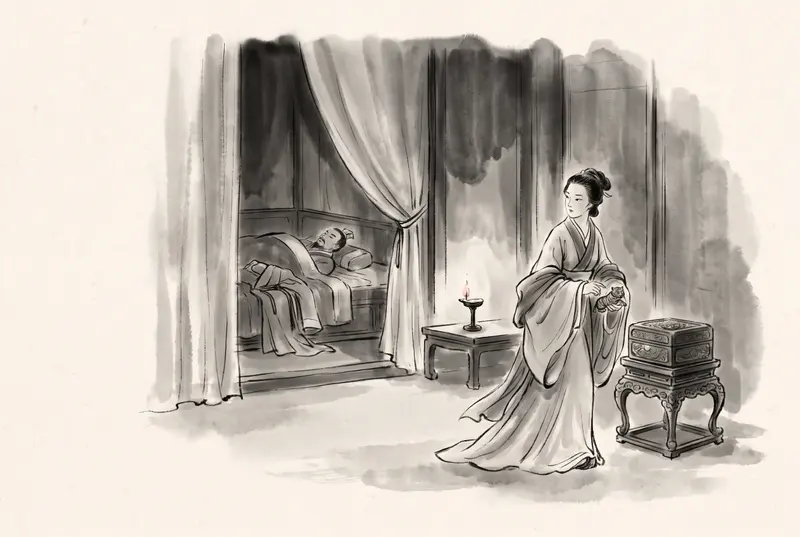
公子再拜,因問。侯生乃屏人間語,曰:「嬴聞晉鄙之兵符常在王臥內,而如姬最幸,出入王臥內,力能竊之。嬴聞如姬父為人所殺,如姬資之三年,自王以下欲求報其父仇,莫能得。如姬為公子泣,公子使客斬其仇頭,敬進如姬。如姬之欲為公子死,無所辭,顧未有路耳。公子誠一開口請如姬,如姬必許諾,則得虎符奪晉鄙軍,北救趙而西卻秦,此五霸之伐也。」公子從其計,請如姬。如姬果盜晉鄙兵符與公子。
書き下し文
公子再拝し、因りて問う。侯生乃ち人を屏けて間語して曰く、「嬴聞く、晋鄙の兵符は常に王の臥内に在り、而して如姫最も幸せられ、王の臥内に出入す。力能く之を竊まん、と。嬴聞く、如姫の父人の殺す所と為り、如姫之を資むこと三年、王より以下其の父の仇に報いんことを求めんと欲するも、能く得る莫し、と。如姫公子の為に泣く。公子客をして其の仇の頭を斬らしめ、敬んで如姫に進む。如姫の公子の為に死せんと欲すること、辞する所無し。顧うに未だ路有らざるのみ。公子誠に一たび口を開きて如姫に請わば、如姫必ず許諾せん。則ち虎符を得て晋鄙の軍を奪い、北のかた趙を救いて西のかた秦を卻けん。此れ五霸の伐なり」と。公子其の計に従い、如姫に請う。如姫果たして晋鄙の兵符を盗みて公子に与う。
現代語訳
公子は二度おじぎをして、どうすればよいかをたずねた。侯先生は人払いをして、ひそかに言った。「晋鄙の軍を動かす兵符は、いつも王の寝室にあると聞いています。如姫は王にいちばんかわいがられていて、王の寝室に出入りできますから、盗み出すことができます。また如姫の父は人に殺され、如姫は三年もかけて仇を探し、王をはじめ多くの人が仇を討とうとしましたが、だれもできませんでした。如姫が公子に泣いて頼むと、公子は客に仇の首を斬らせて、うやうやしく如姫に差し出されたと聞いています。如姫は公子のためなら、命も惜しまないでしょう。ただ、その機会がなかっただけです。公子がひと言、如姫に頼めば、如姫は必ず引き受けます。そうすれば虎の形の兵符を手に入れて晋鄙の軍を奪い、北では趙を救い、西では秦を退けることができます。これこそ、春秋の五人の覇者にも劣らない手柄です」。公子はその策に従って如姫に頼んだ。如姫は果たして晋鄙の兵符を盗み出し、公子に渡した。
英訳
The prince bowed twice and asked what to do. Master Hou sent everyone away and said quietly, "I have heard that the tally for Jin Bi's army is always kept in the king's bedchamber. Lady Ru is the king's favorite and goes in and out of his bedchamber; she could steal it. I have also heard that Lady Ru's father was murdered. For three years she sought vengeance, and everyone from the king down tried to avenge him, but no one could. When Lady Ru wept before you, you had one of your guests cut off the murderer's head and presented it to her respectfully. Lady Ru would gladly die for you; she has simply had no way to show it. If you will only open your mouth and ask her, she will surely agree. Then you can obtain the tiger tally, take over Jin Bi's army, rescue Zhao in the north and drive back Qin in the west. That would be a deed worthy of the Five Overlords." The prince followed his plan and asked Lady Ru. Lady Ru did steal Jin Bi's tally and gave it to the prince.
解説(日)
- 兵符(虎符): 軍を動かすための割符。虎の形をした青銅製で、二つに割り、半分を王、半分を将軍が持つ。二つが合えば、命令が本物と認められた。
- 臥內: 寝室。
- 如姬: 魏王のお気に入りの側室。
- 資: ここでは「求める、探す」の意味に読む(諸説ある)。
- 五霸之伐: 春秋時代の五人の覇者に匹敵する手柄。
- 竊符救趙: 兵符を盗んで趙を救う。この話から生まれた言葉。
解説(英)
- The tiger tally (兵符・虎符): a bronze tally shaped like a tiger, split in two, with one half kept by the king and the other by the general. When the halves matched, an order was proved genuine.
- 臥內: the bedchamber.
- Lady Ru: the King of Wei's favorite concubine.
- 資: here read as "to seek" (the meaning is debated).
- 五霸之伐: a deed worthy of the Five Overlords of the Spring and Autumn period.
- "Stealing the tally to save Zhao" (竊符救趙): the phrase that comes from this story.
英語の語注
- bedchamber/ˈbɛdˌtʃeɪmbər/noun
old word; a bedroom, especially in a palace
本文では: “is always kept in the king's bedchamber”
似た語と違い: bedroom — everyday; a room for sleeping · private rooms — rooms only the king uses
- vengeance/ˈvɛndʒəns/noun
harm done to someone in return for harm they did
本文では: “For three years she sought vengeance”
似た語と違い: revenge — everyday; vengeance · retribution — deserved punishment
節 9
原文
公子行,侯生曰:「將在外,主令有所不受,以便國家。公子即合符,而晉鄙不授公子兵而復請之,事必危矣。臣客屠者朱亥可與俱,此人力士。晉鄙聽,大善;不聽,可使擊之。」於是公子泣。侯生曰:「公子畏死邪?何泣也?」公子曰:「晉鄙嚄唶宿將,往恐不聽,必當殺之,是以泣耳,豈畏死哉?」於是公子請朱亥。朱亥笑曰:「臣乃市井鼓刀屠者,而公子親數存之,所以不報謝者,以為小禮無所用。今公子有急,此乃臣效命之秋也。」遂與公子俱。公子過謝侯生。侯生曰:「臣宜從,老不能。請數公子行日,以至晉鄙軍之日,北鄉自剄,以送公子。」公子遂行。
書き下し文
公子行かんとす。侯生曰く、「将外に在りては、主の令も受けざる所有り、以て国家に便ならしむ。公子即し符を合わすも、晋鄙公子に兵を授けずして復た之を請わば、事必ず危うからん。臣の客屠者朱亥与に倶にすべし。此の人は力士なり。晋鄙聴かば、大いに善し。聴かずんば、之を撃たしむべし」と。是に於いて公子泣く。侯生曰く、「公子死を畏るるか。何ぞ泣くや」と。公子曰く、「晋鄙は嚄唶たる宿将なり。往くとも恐らくは聴かず。必ず当に之を殺すべし。是を以て泣くのみ。豈に死を畏れんや」と。是に於いて公子朱亥に請う。朱亥笑いて曰く、「臣は乃ち市井の刀を鼓する屠者なり。而るに公子親ら数しば之を存す。報謝せざる所以の者は、以為えらく小礼は用うる所無しと。今公子急有り。此れ乃ち臣の命を効すの秋なり」と。遂に公子と倶にす。公子過りて侯生に謝す。侯生曰く、「臣宜しく従うべきも、老いて能わず。請う公子の行日を数え、以て晋鄙の軍に至るの日に、北に郷かいて自剄し、以て公子を送らん」と。公子遂に行く。
現代語訳
公子が出発しようとすると、侯先生は言った。「将軍が国の外にいるときは、国のためになるなら、主君の命令でも聞かないことがあります。公子が兵符を合わせても、晋鄙が軍を渡さず、王にもう一度確かめようとしたら、事は危うくなります。わたしの友人の肉屋の朱亥を連れておいでなさい。この男は怪力の持ち主です。晋鄙が従えばそれでよし、従わなければ、朱亥に打ち殺させればよいのです」。すると公子は泣いた。侯先生は言った。「公子は死ぬのがこわいのですか。なぜ泣くのです」。公子は言った。「晋鄙は勇ましい歴戦の将軍だ。行っても、きっと従わないだろう。そうなれば殺さなければならない。だから泣いているのだ。どうして死を恐れたりするものか」。そこで公子は朱亥に頼んだ。朱亥は笑って言った。「わたしはただの、町で包丁をふるう肉屋です。それなのに公子は自ら何度も訪ねてくださった。お礼に参らなかったのは、ささいな礼などしても役に立たないと思ったからです。いま公子は危急のときにある。いまこそ、わたしが命をささげる時です」。そして公子とともに行った。公子は侯先生のところに寄って礼を言った。侯先生は言った。「わたしもお供すべきですが、年をとってかないません。公子の旅の日数を数えて、晋鄙の軍に着かれる日に、北を向いて自ら首をはね、公子をお送りいたしましょう」。こうして公子は出発した。
英訳
As the prince was about to set out, Master Hou said, "When a general is out in the field, there are orders of his lord he does not accept, for the good of the state. Even if you match the tally, Jin Bi may refuse to hand over his army and send to the king to confirm, and then you will be in danger. Take my friend Zhu Hai the butcher with you. He is a man of great strength. If Jin Bi obeys, so much the better. If he does not, Zhu Hai can strike him down." At this the prince wept. Master Hou said, "Are you afraid of dying, Prince? Why do you weep?" The prince said, "Jin Bi is a fierce old general. I fear he will not obey me, and then I will have to kill him. That is why I weep. How could I be afraid of dying?" Then the prince asked Zhu Hai. Zhu Hai laughed and said, "I am only a butcher who swings a knife in the market, yet you came yourself to see me again and again. I never came to thank you because I thought small courtesies were of no use. Now you are in need, and this is the time for me to give my life." And he went with the prince. The prince called on Master Hou to thank him. Master Hou said, "I ought to go with you, but I am too old. Let me count the days of your journey, and on the day you reach Jin Bi's army I will face north and cut my own throat to send you on your way." And the prince set out.
解説(日)
- 將在外,主令有所不受: 将軍が国外にいるときは、主君の命令でも聞かないことがある(巻65の章の孫武の言葉と同じ趣旨)。
- 力士: 怪力の男。
- 嚄唶宿將: 勇ましく声の大きい、歴戦の将軍。
- 市井鼓刀屠者: 町で包丁をふるう肉屋。「鼓刀」は包丁を打ち鳴らすこと。
- 存: 見舞う、訪ねる。
- 效命之秋: 命をささげる時。「秋」は大事な時期。
- 北鄉自剄: 北を向いて自ら首をはねる。晋鄙の軍がいる北の方角に向かって、公子を見送るため。
解説(英)
- 將在外,主令有所不受: "a general in the field may refuse his lord's orders," the same idea as Sun Wu's words in Volume 65.
- 力士: a strongman.
- 嚄唶宿將: a fierce, loud-voiced veteran general.
- 市井鼓刀屠者: a butcher who swings his knife in the market.
- 存: to call on, to visit.
- 效命之秋: the time to give one's life; 秋 means a crucial moment.
- Face north and cut my throat: toward Jin Bi's camp in the north, to send the prince off.
英語の語注
- confirm/kənˈfɜrm/verb
to check that something is true or allowed
本文では: “send to the king to confirm”
似た語と違い: verify — check that it is true · check — make sure
- strike down/ˌstraɪk ˈdaʊn/phrasal verb
to kill or knock someone down with a blow
本文では: “Zhu Hai can strike him down”
似た語と違い: cut down — kill with a weapon · fell — knock to the ground
- courtesy/ˈkɜrtəsi/noun
a polite act or remark
本文では: “small courtesies were of no use”
似た語と違い: politeness — good manners · gesture — an action that shows a feeling
- cut one's throat/kʌt wʌnz θroʊt/phrase
to kill oneself or another with a cut across the neck
本文では: “cut my own throat to send you on your way”
似た語と違い: take one's life — kill oneself · slit — cut a long narrow opening
節 10
原文
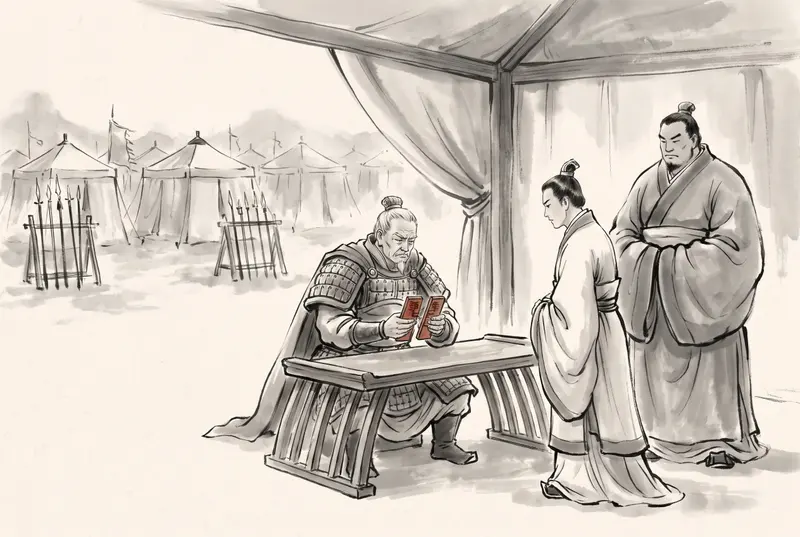
至鄴,矯魏王令代晉鄙。晉鄙合符,疑之,舉手視公子曰:「今吾擁十萬之眾,屯於境上,國之重任,今單車來代之,何如哉?」欲無聽。朱亥袖四十斤鐵椎,椎殺晉鄙,公子遂將晉鄙軍。勒兵下令軍中曰:「父子俱在軍中,父歸;兄弟俱在軍中,兄歸;獨子無兄弟,歸養。」得選兵八萬人,進兵擊秦軍。秦軍解去,遂救邯鄲,存趙。趙王及平原君自迎公子於界,平原君負籣矢為公子先引。趙王再拜曰:「自古賢人未有及公子者也。」當此之時,平原君不敢自比於人。公子與侯生決,至軍,侯生果北鄉自剄。
書き下し文
鄴に至り、魏王の令を矯めて晋鄙に代わらんとす。晋鄙符を合わすも、之を疑い、手を挙げて公子を視て曰く、「今吾十万の衆を擁して、境上に屯す。国の重任なり。今単車にて来たりて之に代わる。何如ぞや」と。聴く無からんと欲す。朱亥四十斤の鉄椎を袖にし、晋鄙を椎殺す。公子遂に晋鄙の軍に将たり。兵を勒して令を軍中に下して曰く、「父子倶に軍中に在らば、父帰れ。兄弟倶に軍中に在らば、兄帰れ。独子にして兄弟無きは、帰りて養え」と。選兵八万人を得て、兵を進めて秦軍を撃つ。秦軍解き去り、遂に邯鄲を救い、趙を存す。趙王及び平原君自ら公子を界に迎え、平原君籣矢を負いて公子の為に先引す。趙王再拝して曰く、「古より賢人未だ公子に及ぶ者有らざるなり」と。此の時に当たり、平原君敢えて自ら人に比せず。公子侯生と決して、軍に至るや、侯生果たして北に郷かいて自剄す。
現代語訳
鄴に着くと、公子は魏王の命令だといつわって、晋鄙と交代しようとした。晋鄙は兵符を合わせたが、怪しんで、手を上げて公子を見つめて言った。「わたしはいま十万の兵を率いて国境に陣を張っている。国の重大な任務だ。それなのに、車一台で来て交代するとは、どういうことか」。そして従うまいとした。朱亥は袖に隠しもっていた四十斤の鉄のつちで、晋鄙を打ち殺した。こうして公子は晋鄙の軍を率いることになった。公子は兵を整えて、軍中に命令を出した。「父と子がともに軍にいる者は、父が帰れ。兄と弟がともにいる者は、兄が帰れ。一人っ子で兄弟のない者は、帰って親を養え」。こうして選ばれた兵八万人を得て、秦の軍に攻めかかった。秦の軍は包囲を解いて去り、ついに邯鄲は救われ、趙は守られた。趙王と平原君は自ら国境まで公子を迎えに出て、平原君は矢筒を背負って公子の先導をつとめた。趙王は二度おじぎをして言った。「昔から、賢人で公子に及ぶ者はいなかった」。このときばかりは、平原君も自分を公子と比べることはできなかった。公子が侯先生と別れて軍に着いたその日に、侯先生は果たして北を向いて、自ら首をはねた。
英訳
When he reached Ye, the prince presented a forged order from the King of Wei to take Jin Bi's place. Jin Bi matched the tally, but he was suspicious. Raising his hand, he looked hard at the prince and said, "I command an army of a hundred thousand, encamped on the border. It is a weighty charge for the state. Now you come in a single carriage to take my place. What does this mean?" And he was about to refuse. Zhu Hai, who had a forty-catty iron club hidden in his sleeve, struck Jin Bi dead, and so the prince took command of Jin Bi's army. He put his troops in order and gave a command to the whole army: "Where father and son are both in the army, the father goes home. Where elder and younger brother are both here, the elder goes home. An only son with no brothers goes home to care for his parents." That left eighty thousand picked men, and he led them against the Qin army. The Qin army broke off the siege and withdrew. So he saved Handan and preserved Zhao. The King of Zhao and Lord Pingyuan came in person to meet the prince at the border, and Lord Pingyuan carried a quiver on his back and went ahead to lead the way. The King of Zhao bowed twice and said, "Since ancient times there has been no worthy man to match you, Prince." At that time Lord Pingyuan did not dare compare himself with anyone. On the day the prince reached the army after parting from Master Hou, Master Hou did indeed face north and cut his own throat.
解説(日)
- 矯: 命令をいつわる。
- 單車: 車一台。わずかな供だけで来ること。
- 四十斤鐵椎: 四十斤(約10キロ)の鉄のつち。巻55の張良の章にも、始皇帝を襲った鉄のつちが出てくる。
- 父歸・兄歸・歸養: 家族の働き手を残すための命令。兵の士気を高め、本当に戦える者だけを選んだ。
- 籣矢: 矢筒。矢筒を背負って先導するのは、客に対する最高の礼。
- 存趙: 趙を滅亡から救う。前257年。
解説(英)
- 矯: to forge an order.
- 單車 ("a single carriage"): coming with almost no escort.
- A forty-catty iron club: about ten kilograms. An iron club also appears in the attack on the First Emperor in Volume 55.
- Fathers, elder brothers and only sons sent home: leaving one worker in each family raised morale and kept only men truly fit to fight.
- 籣矢: a quiver. Carrying it and leading the way was the highest honor one could show a guest.
- Preserved Zhao: in 257 BCE.
英語の語注
- suspicious/səˈspɪʃəs/adjective
feeling that something is wrong or someone is lying
本文では: “he was suspicious”
似た語と違い: doubtful — not sure it is true · wary — careful because of possible danger
- club/klʌb/noun
a heavy stick used as a weapon
本文では: “a forty-catty iron club hidden in his sleeve”
似た語と違い: cudgel — a short thick stick · mace — a heavy club with a metal head
A catty (斤) was a weight of about a quarter of a kilogram in Warring States times.
- picked/pɪkt/adjective
carefully chosen as the best
本文では: “eighty thousand picked men”
似た語と違い: select — carefully chosen · elite — the best of a group
- care for/ˈkɛr fɔr/phrasal verb
to look after someone who needs help
本文では: “goes home to care for his parents”
似た語と違い: look after — take care of · tend — formal; care for
- quiver/ˈkwɪvər/noun
a case for carrying arrows
本文では: “carried a quiver on his back”
似た語と違い: arrow case — a holder for arrows · sheath — a cover for a blade
- indeed/ɪnˈdiːd/adverb
really, as expected or as said before
本文では: “did indeed face north”
似た語と違い: in fact — really · truly — really; certainly
節 11
原文
秦王患之,乃行金萬斤於魏,求晉鄙客,令毀公子於魏王曰:「公子亡在外十年矣,今為魏將,諸侯將皆屬,諸侯徒聞魏公子,不聞魏王。公子亦欲因此時定南面而王,諸侯畏公子之威,方欲共立之。」秦數使反間,偽賀公子得立為魏王未也。魏王日聞其毀,不能不信,後果使人代公子將。公子自知再以毀廢,乃謝病不朝,與賓客為長夜飲,飲醇酒,多近婦女。日夜為樂飲者四歲,竟病酒而卒。其歲,魏安釐王亦薨。
書き下し文
秦王之を患え、乃ち金万斤を魏に行い、晋鄙の客を求め、公子を魏王に毀たしめて曰く、「公子亡れて外に在ること十年なり。今魏の将と為り、諸侯の将皆属す。諸侯は徒だ魏の公子を聞きて、魏王を聞かず。公子も亦た此の時に因りて南面を定めて王たらんと欲す。諸侯公子の威を畏れ、方に共に之を立てんと欲す」と。秦数しば反間を使い、偽りて公子の立ちて魏王と為るを得たりや未だしやを賀せしむ。魏王日に其の毀を聞き、信ぜざる能わず。後果たして人をして公子に代わりて将たらしむ。公子自ら再び毀を以て廃せらるるを知り、乃ち病と謝して朝せず、賓客と長夜の飲を為し、醇酒を飲み、多く婦女に近づく。日夜楽飲を為すこと四歳、竟に酒に病みて卒す。其の歳、魏の安釐王も亦た薨ず。
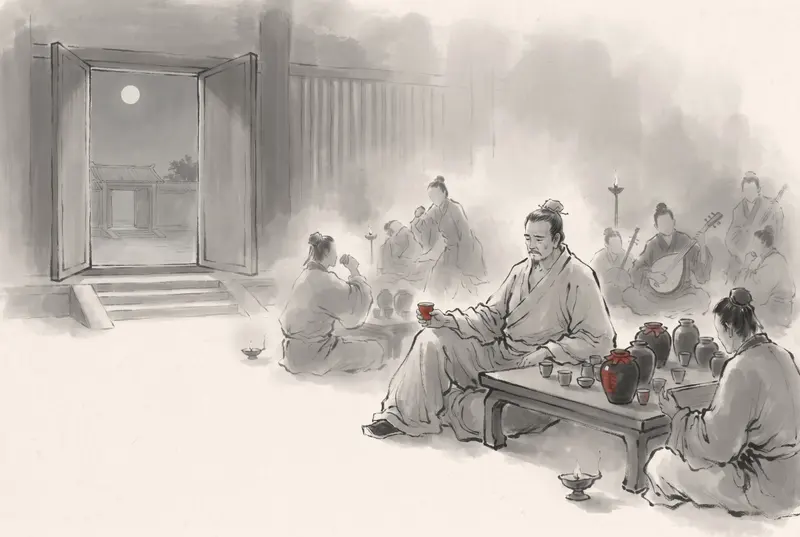
現代語訳
秦王はこれを心配し、魏に一万斤の金をばらまいて、晋鄙のもとの客を探し出し、魏王に公子の悪口を言わせた。「公子は国を出て十年も外にいましたが、いま魏の将軍となり、諸侯の将軍たちはみな公子に従っています。諸侯は魏の公子の名を聞くばかりで、魏王の名は聞きません。公子もこの機会に、南を向いて座る王になろうとしており、諸侯も公子の威勢を恐れて、そろって公子を王に立てようとしています」。秦は何度も裏切りを誘う工作をしかけ、わざと「公子はもう魏王になられましたか」と祝いの使いを送った。魏王は毎日のように悪口を聞かされて、信じないわけにはいかなくなり、とうとう人をやって公子と交代させた。公子は、二度も悪口のために退けられたことを悟り、病気だと言って朝廷に出なくなった。そして客たちと夜通し酒を飲み、強い酒をあおり、多くの女性をそばに置いた。こうして昼も夜も酒と遊びにふけること四年、とうとう酒がもとで病気になって死んだ。その年、魏の安釐王も亡くなった。
英訳
The King of Qin was worried by the prince. He spent ten thousand catties of gold in Wei, sought out Jin Bi's old retainers and had them slander the prince to the King of Wei: "The prince was away abroad for ten years. Now he is general of Wei, and the generals of all the lords serve under him. The lords hear only of the Prince of Wei, never of the King of Wei. The prince means to seize this moment to face south and make himself king, and the lords, in awe of his power, are ready to set him on the throne together." Qin sent its agents again and again to sow discord, even pretending to send congratulations, asking whether the prince had become King of Wei yet. Hearing the slander day after day, the King of Wei could not help believing it, and in the end he sent someone to replace the prince as general. Knowing that slander had brought him down a second time, the prince pleaded illness and stopped attending court. He drank with his guests through the long nights, drank strong wine and kept many women about him. For four years he drank and caroused day and night, until at last the drink made him ill and he died. In the same year, King Anxi of Wei also died.
解説(日)
- この節の前(省略): 公子は兵符を盗んで晋鄙を殺したため、魏王の怒りを恐れて十年間趙にとどまった。秦が魏を攻めると、客の毛公・薛公にいさめられて帰国し、五国の兵を率いて秦を破り、函谷関まで追いつめた(前247年)。
- 金萬斤: 一万斤の金。買収のための大金。
- 毀: 悪口を言う、中傷する。
- 南面而王: 南を向いて座る王になる。王位につくこと。
- 反間: 敵の中に不和を起こさせる策。
- 醇酒: 混ぜ物のない強い酒。
- 卒: 前243年。その十八年後、魏は秦に滅ぼされた。
解説(英)
- Before this (left out here): having stolen the tally and killed Jin Bi, the prince feared the king's anger and stayed in Zhao for ten years. When Qin attacked Wei, his guests Master Mao and Master Xue persuaded him to return; he led the armies of five states, defeated Qin and drove it back to the Hangu Pass (247 BCE).
- 金萬斤: ten thousand catties of gold, a huge bribe.
- 毀: to slander.
- 南面而王 ("face south and be king"): to take the throne.
- 反間: sowing discord among the enemy.
- 醇酒: strong, undiluted wine.
- He died in 243 BCE. Eighteen years later Qin destroyed Wei.
英語の語注
- slander/ˈslændər/verb
to say false things about someone to damage their name
本文では: “had them slander the prince”
似た語と違い: defame — harm someone's good name · smear — spread damaging stories
- carouse/kəˈraʊz/verb
to drink and have noisy fun with others
本文では: “he drank and caroused day and night”
似た語と違い: revel — celebrate wildly · party — everyday; have fun with drink
節 12
原文
太史公曰:吾過大梁之墟,求問其所謂夷門。夷門者,城之東門也。天下諸公子亦有喜士者矣,然信陵君之接岩穴隱者,不恥下交,有以也。名冠諸侯,不虛耳。高祖每過之而令民奉祠不絕也。
書き下し文
太史公曰く、吾大梁の墟を過ぎ、其の所謂夷門を求め問う。夷門なる者は、城の東門なり。天下の諸公子も亦た士を喜ぶ者有り。然れども信陵君の巌穴の隠者に接し、下交を恥じざるは、以有るなり。名諸侯に冠たるは、虚しからざるのみ。高祖之を過るごとに民をして奉祠して絶えざらしむるなり。
現代語訳
太史公(司馬遷)は言う。わたしは大梁の廃墟を通ったとき、いわゆる夷門がどこにあるのかたずねてまわった。夷門とは、町の東門のことである。天下の公子たちの中にも士を好む者はいた。しかし信陵君が、山の洞穴に隠れ住むような人とも交わり、身分の低い人との付き合いを恥じなかったのには、それだけの理由があったのだ。その名が諸侯の中で第一だったのも、嘘ではない。高祖(劉邦)が大梁を通るたびに、民に命じて信陵君の祭りを絶やさせなかったのも、もっともなことである。
英訳
The Grand Historian says: when I passed the ruins of Daliang, I asked where the so-called Yi Gate had been. The Yi Gate was the east gate of the city. Other princes of the realm also loved gentlemen. But there was good reason why Lord Xinling sought out recluses living in mountain caves and was never ashamed to befriend those below him. That his name stood first among the lords was no empty fame. And it is no wonder that whenever Gaozu passed by, he ordered the people to keep up the sacrifices to him without fail.
解説(日)
- 大梁之墟: 大梁の廃墟。前225年、秦が魏を滅ぼしたとき、大梁は水攻めで破壊された。
- 岩穴隱者: 山の洞穴に隠れ住む人。侯嬴のような世に出ない賢者。
- 下交: 身分の低い人と交わる。
- 名冠諸侯: 名声が諸侯の中で第一。
- 高祖: 漢の高祖劉邦。若いころから信陵君の評判を聞いており、皇帝になってからも墓守を置いて祭らせた。
解説(英)
- The ruins of Daliang: when Qin conquered Wei in 225 BCE, Daliang was destroyed by flooding.
- 岩穴隱者: recluses living in mountain caves, worthy men like Hou Ying who stayed out of the world.
- 下交: befriending those of lower rank.
- 名冠諸侯: a name that stood first among the lords.
- Gaozu: Liu Bang, founder of the Han, who had heard of Lord Xinling since his youth and as emperor appointed families to tend his tomb and keep up his sacrifices.
英語の語注
- ruins/ˈruːɪnz/noun
what is left of buildings that have been destroyed
本文では: “when I passed the ruins of Daliang”
似た語と違い: remains — what is left · debris — broken pieces
- sacrifice/ˈsækrəˌfaɪs/noun
an offering of food or animals made to the gods or the dead
本文では: “keep up the sacrifices to him”
似た語と違い: offering — a gift given in worship · rite — a religious ceremony