列伝 · 巻 125
佞幸列伝 佞幸列傳
「貧しくなって飢え死にするでしょう」(鄧通の人相) 當貧餓死
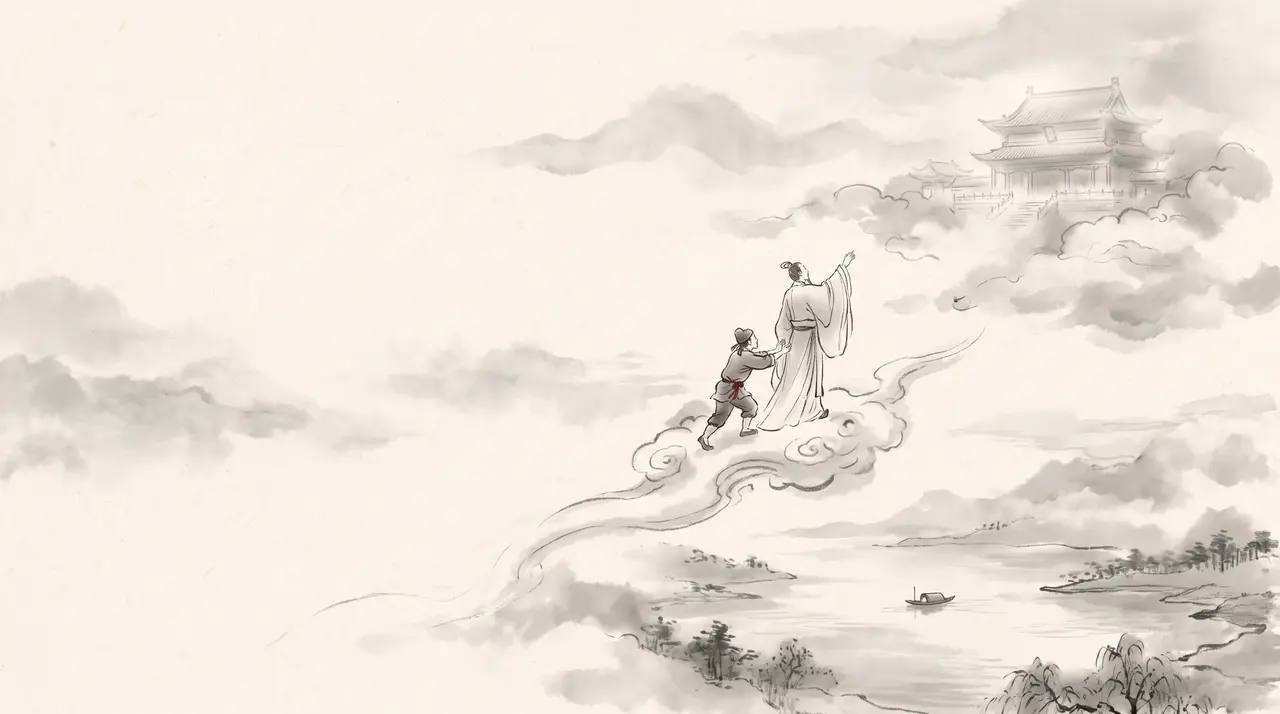
才能ではなく、皇帝に気に入られたことで出世した寵臣たちの物語。司馬遷はことわざを引いて「いくら田畑を耕しても豊作の年にめぐりあうことには及ばず、うまく仕えても君主と気が合うことには及ばない」と述べる。文帝は、天に昇ろうとしてうまくいかないところを、背中に穴のあいた衣の船頭に押し上げてもらう夢を見た。目覚めて探すと、その衣を着ていたのが鄧通だった。文帝は鄧通をかわいがり、人相見に「貧しくなって飢え死にする」と言われると、「金持ちにするのはわしだ」と言って銅山を与え、銭を作らせたので、「鄧氏の銭」が天下に広まった。文帝のはれものを鄧通が口で吸い出していたと知った太子(景帝)は、自分はいやな顔をしたことを恥じて鄧通を恨んだ。景帝が即位すると、鄧通は財産をすべて取り上げられ、かんざし一本も身につけられず、他人の家で死んだ。武帝の寵臣韓嫣は、天子の車と見まちがえた江都王を道ばたにひれ伏させて恨まれ、のちに死を賜った。歌のうまい李延年も、妹の李夫人が亡くなると寵愛を失い、一族ごと殺された。
この巻のうち「「貧しくなって飢え死にするでしょう」(鄧通の人相)」の場面を載せています。巻の全文ではありません。
音声
音声は合成音声です。
動画
節 1
原文
諺曰「力田不如逢年,善仕不如遇合」,固無虛言。非獨女以色媚,而士宦亦有之。昔以色幸者多矣。至漢興,高祖至暴抗也,然籍孺以佞幸;孝惠時有閎孺。此兩人非有材能,徒以婉佞貴幸,與上臥起,公卿皆因關說。故孝惠時郎侍中皆冠鵕䴊,貝帶,傅脂粉,化閎、籍之屬也。兩人徙家安陵。孝文時中寵臣,士人則鄧通,宦者則趙同、北宮伯子。北宮伯子以愛人長者;而趙同以星氣幸,常為文帝參乘;鄧通無伎能。
書き下し文
諺に曰く「力田は年に逢うに如かず、善く仕うるは遇合に如かず」と。固より虚言無し。独り女の色を以て媚ぶるのみに非ず、而して士宦も亦た之有り。昔色を以て幸せらるる者多し。漢の興るに至り、高祖は至って暴抗なり。然れども籍孺佞を以て幸せらる。孝恵の時に閎孺有り。此の両人材能有るに非ず、徒らに婉佞を以て貴幸せられ、上と臥起す。公卿皆因りて関説す。故に孝恵の時の郎侍中皆鵕䴊を冠し、貝帯し、脂粉を傅く。閎・籍の属に化するなり。両人家を安陵に徙す。孝文の時の中の寵臣は、士人は則ち鄧通、宦者は則ち趙同・北宮伯子なり。北宮伯子は人を愛する長者たるを以てし、而して趙同は星気を以て幸せられ、常に文帝の参乗と為る。鄧通は伎能無し。
現代語訳
ことわざに「いくら田畑を耕しても、豊作の年にめぐりあうことには及ばない。うまく仕えても、君主と気が合うことには及ばない」とある。まったくそのとおりだ。女が美しさで気に入られるばかりではなく、役人の世界にもそういうことがある。昔から容姿で寵愛された者は多い。漢がおこると、高祖はひどく荒々しい人だったが、それでも籍孺がこびへつらって寵愛された。孝恵帝のときには閎孺がいた。この二人には才能があったわけではなく、ただやさしくへつらうことで貴くなり、皇帝と寝起きをともにしたので、大臣たちは皆この二人を通じて皇帝に話を通した。そのため孝恵帝のときの郎や侍中は皆、鵕䴊(きんけい)の羽の冠をかぶり、貝で飾った帯をしめ、おしろいや紅をつけたが、これは閎孺や籍孺のまねをしたのである。二人は安陵に家を移した。孝文帝のときの寵臣は、士人では鄧通、宦官では趙同と北宮伯子だった。北宮伯子は人を思いやる長者だったから、趙同は星や雲気の占いで気に入られて、いつも文帝の車に同乗した。鄧通には何の技能もなかった。
英訳
The saying goes: "Working hard on the land is no match for meeting a good year; serving well is no match for being liked." It is true. It is not only women who win favour with their looks; it happens among officials too. Many in the past have been favoured for their looks. When the Han arose, Gaozu was rough and fierce, yet Ji Ru won favour by flattery; in Emperor Hui's time there was Hong Ru. Neither of them had any talent. They rose to honour and favour only by charm and flattery, slept and rose with the emperor, and all the ministers spoke to the emperor through them. So in Emperor Hui's time the palace gentlemen all wore caps of golden pheasant feathers and belts decorated with cowrie shells, and powdered and painted their faces, in imitation of Hong Ru and Ji Ru. Both men moved their families to Anling. In Emperor Wen's time his favourites within the palace were Deng Tong among the gentlemen, and Zhao Tong and Beigong Bozi among the eunuchs. Beigong Bozi was favoured because he was a kind and generous man; Zhao Tong because he read the stars and vapours, and often rode beside Emperor Wen in his carriage. Deng Tong had no skill at all.
解説(日)
- 佞幸: こびへつらって君主の寵愛を受けること。また、そのような寵臣。
- 力田不如逢年: 努力より運がものをいうというたとえ。
- 鵕䴊: きんけい(錦鶏)の一種の鳥。その羽で飾った冠。
- 趙同: 本当の名は趙談。司馬遷の父の名「談」を避けて「同」と書いた。
解説(英)
- Favourites (佞幸): those who win a ruler's favour by flattery.
- "Working hard on the land is no match for a good year": luck counts for more than effort.
- Golden pheasant feathers (鵕䴊): ornaments of the courtiers' caps.
- Zhao Tong: really Zhao Tan; Sima Qian avoided writing his father's name, Tan.
この節から生まれた言葉: 力田は年に逢うに如かず
英語の語注
- flattery/ˈflætəri/noun
praise that is too much and not sincere
本文では: “by charm and flattery”
似た語と違い: praise — kind words · fawning — trying too hard to please
- imitation/ˌɪmɪˈteɪʃən/noun
copying the way someone looks or acts
本文では: “in imitation of Hong Ru”
似た語と違い: copy — something copied · mimicry — copying for effect
節 2
原文
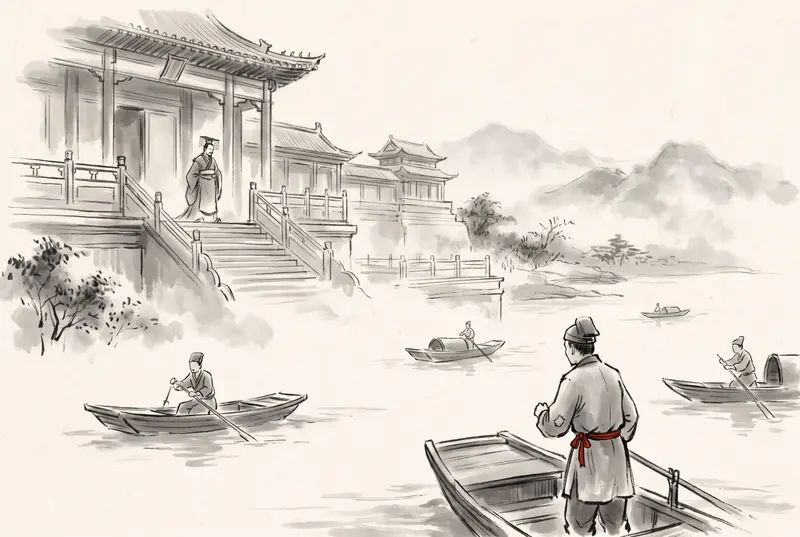
鄧通,蜀郡南安人也,以濯舩為黃頭郎。孝文帝夢欲上天,不能,有一黃頭郎從後推之上天,顧見其衣裻帶后穿。覺而之漸臺,以夢中陰目求推者郎,即見鄧通,其衣后穿,夢中所見也。召問其名姓,姓鄧氏,名通,文帝說焉,尊幸之日異。通亦願謹,不好外交,雖賜洗沐,不欲出。於是文帝賞賜通巨萬以十數,官至上大夫。文帝時時如鄧通家遊戲。然鄧通無他能,不能有所薦士,獨自謹其身以媚上而已。上使善相者相通,曰「當貧餓死」。文帝曰:「能富通者在我也。何謂貧乎?」於是賜鄧通蜀嚴道銅山,得自鑄錢,「鄧氏錢」布天下。其富如此。
書き下し文
鄧通は、蜀郡南安の人なり。舩を濯うを以て黄頭郎と為る。孝文帝夢に天に上らんと欲して、能わず。一黄頭郎有り、後より之を推して天に上らしむ。顧みて其の衣の裻帯の後ろの穿てるを見る。覚めて漸台に之き、夢中を以て陰かに目して推者の郎を求む。即ち鄧通を見るに、其の衣の後ろ穿つ。夢中に見し所なり。召して其の名姓を問う。姓は鄧氏、名は通。文帝説び、之を尊幸すること日に異なる。通も亦た願謹にして、外交を好まず。洗沐を賜うと雖も、出づるを欲せず。是に於いて文帝通に賞賜すること巨万を以て十数え、官上大夫に至る。文帝時時鄧通の家に如きて遊戯す。然れども鄧通他の能無く、能く士を薦むる所有らず、独り自ら其の身を謹みて以て上に媚ぶるのみ。上善く相する者をして通を相せしむ。曰く「当に貧しくして餓死すべし」と。文帝曰く、「能く通を富ますは我に在り。何ぞ貧しと謂わんや」と。是に於いて鄧通に蜀の厳道の銅山を賜い、自ら銭を鋳るを得しむ。「鄧氏の銭」天下に布く。其の富此くの如し。
現代語訳
鄧通は蜀郡南安の人で、船をこぐ役目の黄頭郎だった。孝文帝は、天に昇ろうとしてもうまくいかない夢を見た。すると一人の黄頭郎が後ろから押し上げて天に昇らせてくれた。振り返ると、その衣の背中の帯の後ろに穴があいていた。目が覚めると文帝は漸台へ行き、夢の中の様子を手がかりに、押し上げてくれた郎をひそかに探した。すると鄧通の衣の背中に穴があいていて、夢で見たとおりだった。呼び寄せて名をたずねると、姓は鄧、名は通という。文帝は喜び、日ごとに重んじて寵愛した。鄧通もまた慎み深く、外の人づきあいを好まず、休暇をもらっても外に出ようとしなかった。文帝は鄧通に億を十数えるほどの褒美を与え、官は上大夫にまで至った。文帝はときどき鄧通の家に遊びに行った。しかし鄧通にはほかに才能がなく、人を推薦することもできず、ただ自分の身を慎んで帝にこびるだけだった。帝が人相見のうまい者に鄧通の人相を見させると、「貧しくなって飢え死にするでしょう」と言った。文帝は言った。「鄧通を金持ちにできるのはわしだ。どうして貧しくなどなろう」。そこで鄧通に蜀の厳道の銅山を与え、自分で銭を作ることを許した。「鄧氏の銭」が天下に広まった。それほどの富だった。
英訳
Deng Tong was a man of Nan'an in Shu commandery, who became a yellow-capped boatman because he could row. Emperor Wen dreamed that he wanted to climb up to Heaven but could not, until a yellow-capped boatman pushed him up from behind. Looking round, he saw that the man's coat had a hole in the back below the belt. When he woke, he went to the Jian Terrace and quietly looked for the boatman who had pushed him, as he had seen him in the dream. There was Deng Tong, with a hole in the back of his coat, just as in the dream. The emperor called him over and asked his name. His surname was Deng and his name Tong. Emperor Wen was delighted, and honoured and favoured him more every day. Deng Tong was careful and modest too; he did not care for society outside, and even when given days off he did not want to go out. So Emperor Wen gave Deng Tong rewards amounting to tens of millions, and he rose to be a senior grandee. Emperor Wen often went to Deng Tong's house to amuse himself. But Deng Tong had no other ability; he could not recommend good men, and only kept himself careful and flattered the emperor. The emperor had a skilled physiognomist read Deng Tong's face, and he said: "He will end poor and starve to death." Emperor Wen said: "I am the one who can make Tong rich. How can he be poor?" So he gave Deng Tong the copper mountain at Yandao in Shu, and let him cast his own coins. "Deng coins" spread throughout the realm. Such was his wealth.
解説(日)
- 黃頭郎: 黄色い帽子をかぶった船頭の役人。土の色の黄は水に勝つとされた。
- 漸臺: 宮中の池の中にあった高台。
- 鄧氏錢: 鄧通が鋳造した銭。呉王劉濞の銭と並んで天下に流通した(106-liu-pi の章)。
- 鄧通は張丞相列伝で、申屠嘉に呼びつけられて斬られかけた寵臣でもある(096-zhang-cang の章)。
解説(英)
- Yellow-capped boatman (黃頭郎): yellow, the colour of earth, was thought to overcome water.
- Deng coins (鄧氏錢): circulated across the realm alongside those of the King of Wu (chapter 106).
- Deng Tong is the favourite Shentu Jia nearly beheaded (chapter 096).
英語の語注
- physiognomist/ˌfɪziˈɑɡnəmɪst/noun
a person who tells fortunes from faces
本文では: “a skilled physiognomist”
似た語と違い: face reader — one who reads faces · fortune-teller — one who tells the future
- cast/kæst/verb
to make an object by pouring hot metal into a mould
本文では: “cast his own coins”
似た語と違い: mint — make coins · mould — shape in a form
節 3
原文
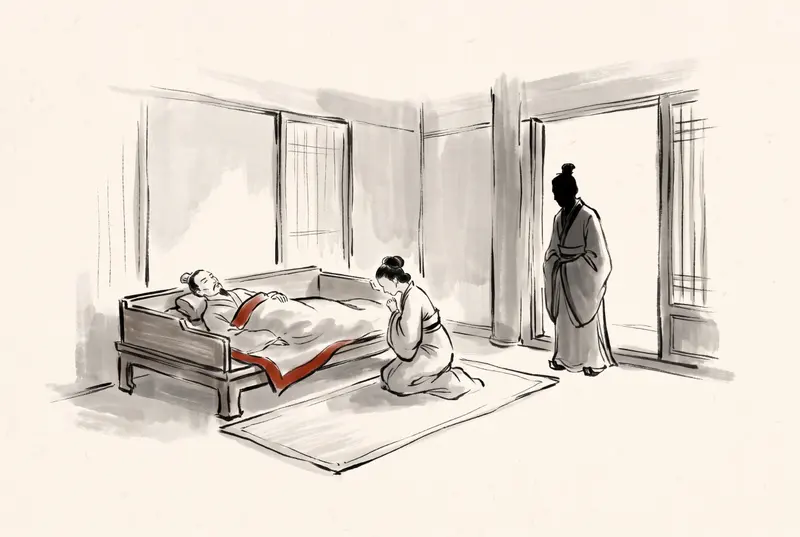
文帝嘗病癰,鄧通常為帝唶吮之。文帝不樂,從容問通曰:「天下誰最愛我者乎?」通曰:「宜莫如太子。」太子入問病,文帝使唶癰,唶癰而色難之。已而聞鄧通常為帝唶吮之,心慚,由此怨通矣。及文帝崩,景帝立,鄧通免,家居。居無何,人有告鄧通盜出徼外鑄錢。下吏驗問,頗有之,遂竟案,盡沒入鄧通家,尚負責數巨萬。長公主賜鄧通,吏輒隨沒入之,一簪不得著身。於是長公主乃令假衣食。竟不得名一錢,寄死人家。
書き下し文
文帝嘗て癰を病む。鄧通常に帝の為に之を唶吮す。文帝楽しまず、従容として通に問いて曰く、「天下に誰か最も我を愛する者ぞ」と。通曰く、「宜しく太子に如くは莫かるべし」と。太子入りて病を問う。文帝癰を唶わしむ。癰を唶うも色之を難る。已にして鄧通の常に帝の為に之を唶吮するを聞き、心に慙じ、此れに由りて通を怨む。文帝崩じ、景帝立つに及び、鄧通免ぜられ、家居す。居ること何も無くして、人の鄧通盗みて徼外に出でて銭を鋳ると告ぐる有り。吏に下して験問す。頗る之有り。遂に竟く案じ、尽く鄧通の家を没入し、尚お責数巨万を負う。長公主鄧通に賜うも、吏輒ち随いて之を没入し、一簪も身に著くるを得ず。是に於いて長公主乃ち衣食を仮さしむ。竟に一銭をも名づくるを得ず、人の家に寄りて死す。
現代語訳
文帝はかつて悪性のはれものをわずらったことがあり、鄧通はいつも帝のためにうみを口で吸い出していた。文帝は気がふさいで、くつろいだ折に鄧通にたずねた。「天下で誰がいちばんわしを愛しているだろうか」。鄧通は言った。「太子さまにまさる方はいないでしょう」。太子(のちの景帝)が見舞いに来ると、文帝ははれものを吸わせた。太子は吸いはしたが、いやそうな顔をした。のちに、鄧通がいつも帝のためにうみを吸っていたと聞き、心の中で恥じて、これがもとで鄧通を恨んだ。文帝が亡くなって景帝が即位すると、鄧通は官をやめさせられて家にいた。まもなく、鄧通がひそかに国境の外に出て銭を作っていると訴える者があった。役人に取り調べさせると、かなりそのとおりだったので、徹底的に調べ上げて、鄧通の家の財産をすべて取り上げた。それでもまだ数億の借りが残った。長公主が鄧通に物を与えても、役人がすぐに取り上げたので、かんざし一本も身につけることができなかった。そこで長公主は、衣食を貸し与えるという形にさせた。鄧通はとうとう一銭も自分のものと言えるものがなく、他人の家に身を寄せて死んだ。
英訳
Emperor Wen once suffered from a boil, and Deng Tong would always suck the pus out for him. The emperor was unhappy, and asked Deng Tong in a quiet moment: "Who in the whole realm loves me most?" Deng Tong said: "Surely no one more than the crown prince." When the crown prince came in to ask after his health, the emperor had him suck the boil. He did, but his face showed his distaste. Later, when he heard that Deng Tong always sucked it for the emperor, he was ashamed, and from then on he bore Deng Tong a grudge. When Emperor Wen died and Emperor Jing came to the throne, Deng Tong was dismissed and lived at home. Before long, someone accused him of secretly going beyond the frontier to cast coins. He was handed over to the officials and questioned, and much of it was true. So the case was pursued to the end, everything in Deng Tong's house was seized, and he still owed tens of millions. When the eldest princess gave him things, the officials took them at once; he could not keep even a single hairpin on his person. So the eldest princess arranged for him to be lent food and clothing. In the end he could not call a single coin his own, and he died living in someone else's house.
解説(日)
- 癰: 悪性のはれもの。
- 唶吮: 口で吸い出すこと。
- 一簪不得著身: かんざし一本さえ身につけられない。すべてを失ったことのたとえ。
- 人相見の「貧しくして餓死す」という予言は、結局そのとおりになった。
解説(英)
- A boil (癰): an abscess.
- Not a single hairpin (一簪不得著身): utter loss of everything.
- The physiognomist's prophecy came true after all.
英語の語注
- boil/bɔɪl/noun
a painful swelling full of pus on the skin
本文では: “suffered from a boil”
似た語と違い: abscess — swelling with pus · sore — painful spot
- grudge/ɡrʌdʒ/noun
a lasting feeling of anger at someone
本文では: “bore Deng Tong a grudge”
似た語と違い: resentment — bitter feeling · spite — wish to hurt
節 4
原文
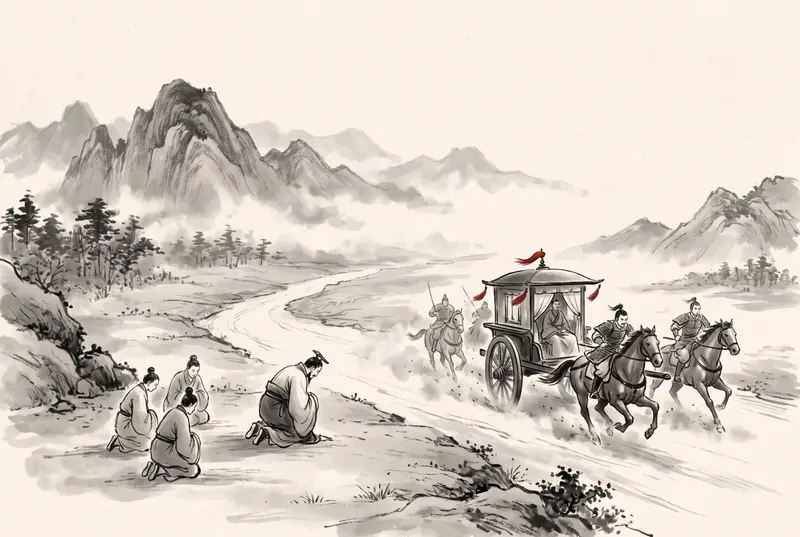
孝景帝時,中無寵臣,然獨郎中令周文仁,仁寵最過庸,乃不甚篤。今天子中寵臣,士人則韓王孫嫣,宦者則李延年。嫣者,弓高侯孽孫也。今上為膠東王時,嫣與上學書相愛。及上為太子,愈益親嫣。嫣善騎射,善佞。上即位,欲事伐匈奴,而嫣先習胡兵,以故益尊貴,官至上大夫,賞賜擬於鄧通。時嫣常與上臥起。江都王入朝,有詔得從入獵上林中。天子車駕蹕道未行,而先使嫣乘副車,從數十百騎,騖馳視獸。江都王望見,以為天子,辟從者,伏謁道傍。嫣驅不見。既過,江都王怒,為皇太后泣曰:「請得歸國入宿衛,比韓嫣。」太后由此嗛嫣。嫣侍上,出入永巷不禁,以姦聞皇太后。皇太后怒,使使賜嫣死。上為謝,終不能得,嫣遂死。而案道侯韓說,其弟也,亦佞幸。
書き下し文
孝景帝の時、中に寵臣無し。然れども独り郎中令周文仁、仁の寵最も庸に過ぐ。乃ち甚だ篤からず。今天子の中の寵臣は、士人は則ち韓王孫嫣、宦者は則ち李延年なり。嫣は、弓高侯の孽孫なり。今上の膠東王為りし時、嫣上と書を学びて相愛す。上の太子と為るに及び、愈々益々嫣に親しむ。嫣騎射を善くし、佞を善くす。上即位し、伐匈奴を事とせんと欲す。而して嫣先に胡兵を習う。故を以て益々尊貴となり、官上大夫に至り、賞賜鄧通に擬す。時に嫣常に上と臥起す。江都王入朝し、詔有りて従いて入りて上林中に猟するを得たり。天子の車駕蹕道して未だ行かず、而して先ず嫣をして副車に乗り、数十百騎を従え、騖馳して獣を視しむ。江都王望み見て、以て天子と為し、従者を辟け、道の傍らに伏謁す。嫣駆りて見ず。既に過ぎ、江都王怒り、皇太后の為に泣きて曰く、「請う国に帰りて宿衛に入り、韓嫣に比するを得ん」と。太后此れに由りて嫣を嗛む。嫣上に侍し、永巷に出入して禁ぜられず。姦を以て皇太后に聞こゆ。皇太后怒り、使いをして嫣に死を賜わしむ。上為に謝するも、終に得る能わず。嫣遂に死す。而して案道侯韓説は、其の弟なり。亦た佞幸たり。
現代語訳
孝景帝のときは、宮中に寵臣はいなかった。ただ郎中令の周文仁だけは、その寵愛がふつうよりかなり大きかったが、それでもそれほど厚くはなかった。いまの天子(武帝)の宮中の寵臣は、士人では韓王孫の韓嫣、宦官では李延年である。韓嫣は、弓高侯(韓穨当)の庶子の孫である。いまの帝が膠東王だったころ、韓嫣は帝とともに書を学んで仲がよかった。帝が太子になると、ますます韓嫣と親しくなった。韓嫣は騎射がうまく、へつらうのもうまかった。帝が即位して匈奴を討とうとすると、韓嫣は前から胡の兵法を学んでいたので、ますます重んじられ、官は上大夫にまでなり、褒美は鄧通に匹敵するほどだった。韓嫣はいつも帝と寝起きをともにした。江都王が朝見に来て、詔で帝のお供をして上林苑の狩りに加わることになった。天子の車がまだ出発していないうちに、帝はまず韓嫣を副の車に乗せ、数十から百の騎兵を従えて、駆け回って獣の様子を見させた。江都王はそれを遠くから見て天子だと思い、従者を下がらせて道ばたにひれ伏した。韓嫣は車を走らせて行ってしまい、気づかなかった。通り過ぎてから江都王は怒り、皇太后に泣いて訴えた。「どうか国を返上して宮中の宿衛に入り、韓嫣と同じ扱いにしていただきたい」。太后はこれで韓嫣をうとんじた。韓嫣は帝に仕えて、後宮にも自由に出入りしていたので、密通のうわさが皇太后の耳に入った。皇太后は怒って、使者を送って韓嫣に死を命じた。帝は韓嫣のためにわびたが、許されず、韓嫣は死んだ。案道侯の韓説は韓嫣の弟で、これも寵臣だった。
英訳
In Emperor Jing's time there were no favourites at court, except the chief of palace gentlemen Zhou Wenren, who was favoured more than most, but not very deeply. The present emperor's favourites at court are Han Yan, grandson of the King of Han, among the gentlemen, and Li Yannian among the eunuchs. Han Yan was a grandson by a concubine of the Marquis of Gonggao. When the present emperor was King of Jiaodong, Han Yan studied writing with him and they became close. When the emperor became crown prince, he grew closer still to Han Yan. Han Yan was a fine horseman and archer, and good at flattery. When the emperor came to the throne and wanted to make war on the Xiongnu, Han Yan had already studied the ways of the Hu armies, and so he rose ever higher, became a senior grandee, and received rewards to match Deng Tong's. Han Yan always slept and rose with the emperor. When the King of Jiangdu came to court, he was allowed by edict to join the emperor hunting in the Shanglin park. Before the emperor's carriage had set out along the cleared road, he first sent Han Yan in a following carriage, with dozens or a hundred horsemen, to gallop ahead and look for game. The King of Jiangdu saw him in the distance, took him for the emperor, sent his attendants aside and knelt by the road to pay his respects. Han Yan drove on past without seeing him. When he had gone, the King of Jiangdu was furious, and wept before the empress dowager: "Let me give back my kingdom and serve in the palace guard, so that I may be treated like Han Yan." From then on the empress dowager disliked Han Yan. Han Yan attended the emperor and went freely in and out of the women's quarters, and the empress dowager heard that he was having an affair there. She was angry, and sent a messenger ordering Han Yan to die. The emperor apologised for him, but could not save him, and Han Yan died. Han Yue, the Marquis of Andao, was his younger brother, and also a favourite.
解説(日)
- 周文仁: 景帝の郎中令。口が固く、誰の悪口も言わなかった。
- 弓高侯: 韓王信の子の韓穨当。匈奴から漢に帰順した。
- 江都王: 武帝の兄、劉非。呉楚七国の乱で功を立てた勇猛な王。
- 永巷: 宮中の女官たちの住む区域。
- 皇太后: 武帝の母の王太后(049-waiqi の章)。
解説(英)
- Zhou Wenren (周文仁): Emperor Jing's discreet chief of palace gentlemen.
- The Marquis of Gonggao: Han Tuidang, son of Xin, King of Han, who came over from the Xiongnu.
- The King of Jiangdu: Liu Fei, Emperor Wu's elder brother, a fierce soldier in the war against Wu.
- The empress dowager: Emperor Wu's mother, Empress Dowager Wang (chapter 049).
英語の語注
- apologise/əˈpɑləˌdʒaɪz/verb
to say you are sorry
本文では: “The emperor apologised for him”
似た語と違い: beg pardon — ask forgiveness · make amends — try to put right
- affair/əˈfɛr/noun
a secret love relationship
本文では: “having an affair there”
似た語と違い: liaison — secret relationship · intrigue — secret plot or love
節 5
原文
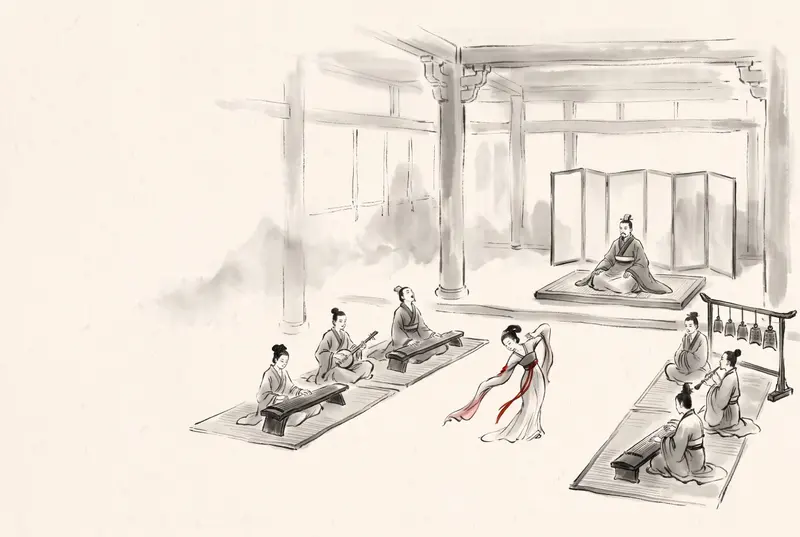
李延年,中山人也。父母及身兄弟及女,皆故倡也。延年坐法腐,給事狗中。而平陽公主言延年女弟善舞,上見,心說之,及入永巷,而召貴延年。延年善歌,為變新聲,而上方興天地祠,欲造樂詩歌弦之。延年善承意,弦次初詩。其女弟亦幸,有子男。延年佩二千石印,號協聲律。與上臥起,甚貴幸,埒如韓嫣也。久之,寖與中人亂,出入驕恣。及其女弟李夫人卒后,愛弛,則禽誅延年昆弟也。自是之后,內寵嬖臣大底外戚之家,然不足數也。衛青、霍去病亦以外戚貴幸,然頗用材能自進。
書き下し文
李延年は、中山の人なり。父母及び身・兄弟及び女、皆故の倡なり。延年法に坐して腐せられ、狗中に給事す。而して平陽公主延年の女弟の善く舞うを言う。上見て、心に之を説ぶ。永巷に入るに及び、而して延年を召して貴くす。延年善く歌い、新声を変ず。而して上方に天地の祠を興し、楽詩を造りて之を歌弦せんと欲す。延年善く意を承け、初めの詩を弦次す。其の女弟も亦た幸せられ、子男有り。延年二千石の印を佩び、協声律と号す。上と臥起し、甚だ貴幸せられ、埒しきこと韓嫣の如し。之を久しくして、寖く中人と乱れ、出入驕恣なり。其の女弟李夫人の卒する後に及び、愛弛み、則ち延年の昆弟を禽誅するなり。是れより後、内寵の嬖臣は大底外戚の家なり。然れども数うるに足らず。衛青・霍去病も亦た外戚を以て貴幸せらる。然れども頗る材能を用て自ら進む。
現代語訳
李延年は中山の人である。父母も、本人も兄弟姉妹も、皆もとは芸人だった。李延年は法にふれて宮刑を受け、宮中の犬の世話をしていた。平陽公主が「李延年の妹は踊りがうまい」と話したので、帝が会ってみると気に入った。妹が後宮に入ると、帝は李延年を呼び寄せて重く用いた。李延年は歌がうまく、新しい曲を作った。ちょうど帝は天と地の祭りを始めて、楽曲の詩を作って歌わせ、弦楽器で演奏させようとしていた。李延年は帝の意をよく汲み取って、その詩に曲をつけた。妹も寵愛されて男の子を生んだ。李延年は二千石の印を帯び、協声律(音楽の長)と呼ばれた。帝と寝起きをともにし、たいそう寵愛されて、韓嫣と並ぶほどだった。しばらくすると、宮中の女官と乱れた関係を持ち、ふるまいもおごり高ぶるようになった。妹の李夫人が亡くなったのちは寵愛も薄れ、李延年の兄弟は捕らえられて処刑された。これより後、宮中の寵臣はたいてい外戚の家の者だったが、数え上げるほどのことはない。衛青や霍去病も外戚として重んじられたが、かなり自分の才能で出世したのである。
英訳
Li Yannian was a man of Zhongshan. His father and mother, he himself, his brothers and his sister had all been entertainers. Li Yannian was castrated for breaking the law, and put to work in the imperial kennels. Then the Princess of Pingyang mentioned that Li Yannian's younger sister was a fine dancer. The emperor saw her and was delighted with her. When she entered the women's quarters, the emperor called Li Yannian to him and raised him high. Li Yannian sang well and composed new music. Just then the emperor was founding the sacrifices to Heaven and Earth, and wanted hymns written to be sung and played on strings. Li Yannian was good at catching the emperor's wishes, and set the first hymns to music. His sister was favoured too, and bore a son. Li Yannian wore the seal of an official of two thousand dan, with the title Master of Harmonies. He slept and rose with the emperor and was greatly honoured and favoured, as much as Han Yan. In time he began carrying on with women of the palace, and came and went with arrogance. After his sister, Lady Li, died, the emperor's love faded, and Li Yannian and his brothers were arrested and executed. After that, the favourites within the palace were mostly from the families of the empresses, and are not worth counting. Wei Qing and Huo Qubing also rose to honour and favour as in-laws, but they advanced a good deal by their own talents.
解説(日)
- 倡: 歌や踊りを職業とする芸人。身分は低かった。
- 腐: 宮刑。司馬遷自身も宮刑を受けている(130-taishigong の章)。
- 李夫人: 武帝の寵姫。「北方に佳人有り」の歌で知られる。兄の李広利は弐師将軍として大宛を討った(123-dawan の章)。
- 衛青・霍去病: 外戚でありながら、匈奴との戦いで実力を示した将軍(111-wei-huo の章)。
解説(英)
- Entertainers (倡): singers and dancers, a lowly profession.
- Castrated (腐): the same punishment Sima Qian himself suffered (chapter 130).
- Lady Li: Emperor Wu's beloved consort; her brother Li Guangli led the war against Dayuan (chapter 123).
- Wei Qing and Huo Qubing: in-laws who proved themselves against the Xiongnu (chapter 111).
英語の語注
- kennel/ˈkɛnəl/noun
a place where dogs are kept
本文では: “the imperial kennels”
似た語と違い: dog house — shelter for a dog · pound — enclosure for animals
- arrogance/ˈærəɡəns/noun
behaving as if you are better than others
本文では: “came and went with arrogance”
似た語と違い: pride — too high an opinion of oneself · insolence — rude disrespect
節 6
原文
太史公曰:甚哉愛憎之時!彌子瑕之行,足以觀后人佞幸矣。雖百世可知也。
書き下し文
太史公曰く、甚だしいかな愛憎の時。彌子瑕の行い、以て後人の佞幸を観るに足る。百世と雖も知るべきなり。
現代語訳
太史公は言う。愛されるか憎まれるかは、なんと時しだいであることか。彌子瑕の行いを見れば、後の時代の寵臣たちの姿は十分に分かる。百代のちまでも見通せるのである。
英訳
The Grand Historian says: How much love and hate depend on the times! The story of Mizi Xia is enough to show us the favourites of later ages. One can know them even a hundred generations on.
解説(日)
- 彌子瑕: 衛の霊公の寵臣。寵愛されていたときは、食べかけの桃を君主に与えてもほめられたが、寵愛が衰えると同じことを罪とされた(「余桃の罪」、063-han-fei の章)。
- 鄧通も韓嫣も李延年も、愛されたときと憎まれたときの落差を体験した。
解説(英)
- Mizi Xia (彌子瑕): favourite of Duke Ling of Wei, praised for sharing a half-eaten peach while loved, punished for the same thing when love faded ("the crime of the leftover peach", chapter 063).
- Deng Tong, Han Yan and Li Yannian all fell from love to hate.
英語の語注
- generation/ˌdʒɛnəˈreɪʃən/noun
all the people born at about the same time
本文では: “a hundred generations on”
似た語と違い: age — period of time · era — long period
- favourite/ˈfeɪvərɪt/noun
a person a ruler likes and rewards more than others
本文では: “the favourites of later ages”
似た語と違い: darling — loved one · minion — servile follower